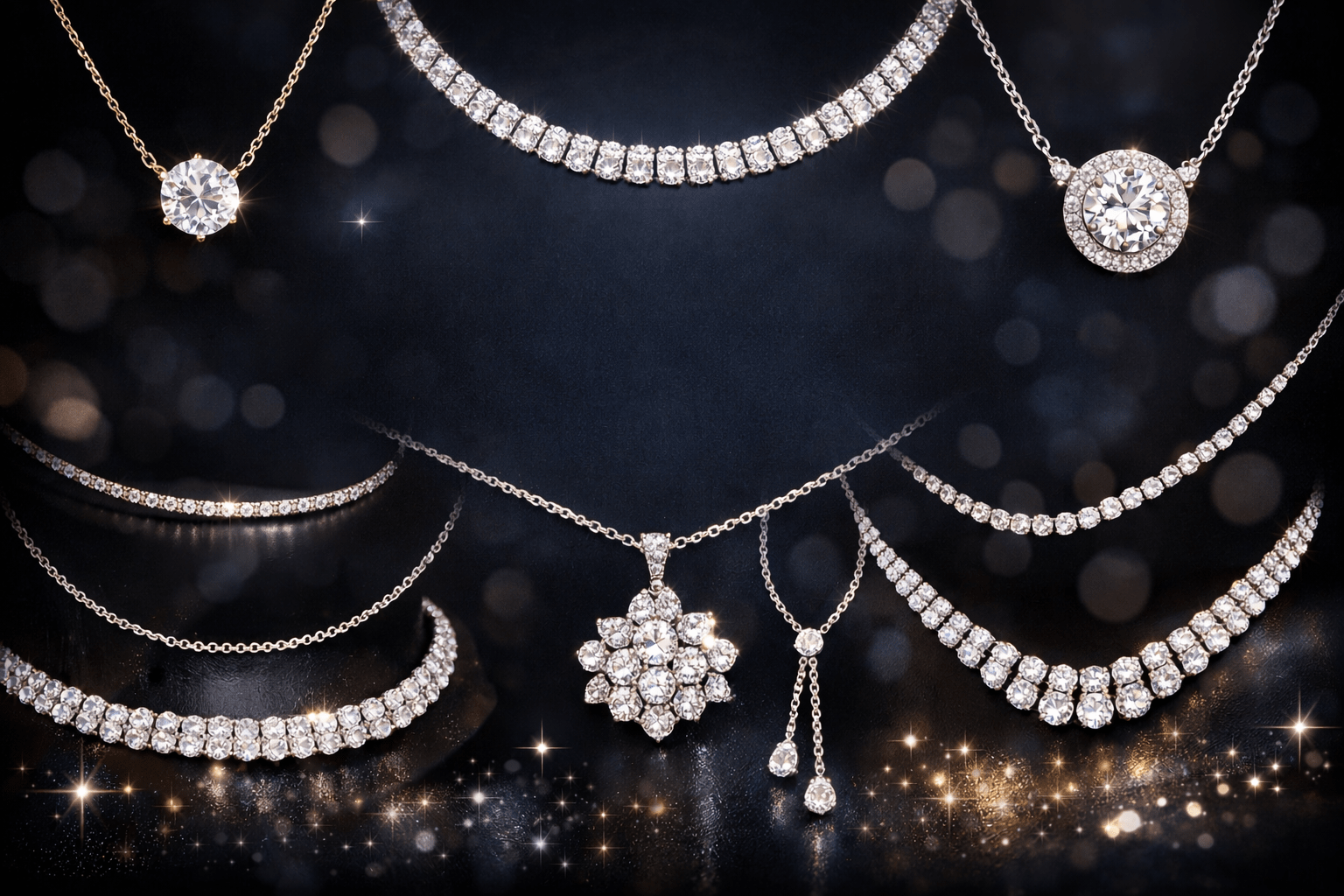
Choosing the perfect diamond necklace can feel overwhelming with countless styles, settings, and diamond types flooding the market in 2026. Whether you’re celebrating an anniversary, treating yourself, or searching for a signature everyday piece, the decision involves balancing aesthetics, quality, and budget. This guide breaks down seven popular diamond necklace styles and compares natural and lab-grown diamonds to help you make a confident, informed choice. You’ll discover practical criteria to evaluate each option and find the necklace that matches your personal style and occasion perfectly.
Table of Contents
- Criteria To Consider When Choosing Diamond Necklaces
- 7 Popular Types Of Diamond Necklaces
- Comparing Natural And Lab-Grown Diamond Necklaces
- Which Diamond Necklace Suits Your Occasion And Style In 2026?
- Find Your Perfect Diamond Necklace Today
- FAQ
Key takeaways
| Point | Details |
|---|---|
| Seven popular styles | Solitaire, halo, pendant, choker, tennis, vintage, and layered necklaces each offer distinct aesthetics and versatility for different occasions. |
| Diamond origin matters | Natural and lab-grown diamonds appear identical to the naked eye but differ in origin, price, and ethical considerations. |
| Selection criteria | Evaluate style preference, diamond type, setting security, and budget to narrow your choices effectively. |
| Affordability advantage | Lab-grown diamonds typically cost 30-50% less than natural diamonds of comparable quality, making luxury accessible. |
| Occasion-driven choice | Match necklace style to your lifestyle, from formal events requiring classic elegance to everyday wear favoring lightweight pendants. |
Criteria to consider when choosing diamond necklaces
Before diving into specific necklace types, understanding key selection criteria saves time and ensures you invest wisely. Your style preference drives the entire decision, whether you lean toward minimalist elegance or bold statement pieces that turn heads. Consider how often you’ll wear the necklace and whether it needs to transition seamlessly from office meetings to evening dinners.
Diamond origin significantly impacts both price and personal values. Both natural and lab-grown diamonds appear identical to the naked eye and share the same chemical composition, yet natural diamonds carry geological rarity while lab-grown options offer ethical transparency. If sustainability matters to you, lab grown diamonds provide conflict-free assurance without sacrificing brilliance or durability.
Setting type affects how securely your diamond sits and how light interacts with the stone. Prong settings maximize sparkle by exposing more of the diamond’s surface, while bezel settings wrap metal around the stone for enhanced protection during active wear. Chain thickness and clasp quality also determine longevity, especially for pieces you plan to wear daily.
Budget naturally guides feasible options, but smart shoppers recognize that lab-grown diamonds stretch dollars further without compromising visual appeal. A $2,000 budget might secure a modest natural diamond solitaire or a substantially larger, higher-quality lab-grown stone. Prioritize what matters most: size, clarity, or the story behind the diamond’s origin.
Pro Tip: Lab-grown diamonds deliver the same fire and brilliance as mined stones at a fraction of the cost, making them ideal for buyers who value both beauty and budget consciousness.
Key criteria checklist:
- Style alignment: Does the design match your wardrobe and personality?
- Diamond type: Natural for rarity or lab-grown for affordability and ethics?
- Setting security: Will the necklace withstand your lifestyle?
- Budget flexibility: Can you afford the size and quality you want?
- Versatility: Does it work for multiple occasions or fill a specific need?
7 popular types of diamond necklaces
Solitaire necklaces showcase a single diamond suspended on a delicate chain, embodying timeless elegance through simplicity. This style highlights the diamond’s cut and clarity without distraction, making it perfect for formal events or as a cherished heirloom piece. The minimalist design pairs beautifully with both casual and dressy outfits, offering remarkable versatility.
Halo necklaces surround a center diamond with a ring of smaller accent stones, amplifying sparkle and creating the illusion of a larger centerpiece. This design maximizes brilliance on a budget since the halo effect enhances a modest center stone’s visual impact. Halo styles work exceptionally well with round, cushion, or princess-cut diamonds.
Pendant necklaces offer endless creative possibilities, from geometric shapes and symbolic charms to nature-inspired designs featuring leaves or flowers. Diamonds can accent the pendant or serve as the focal point, allowing you to express personality through your jewelry. These necklaces transition easily from day to night, making them workhorses in any collection.
Choker necklaces sit snugly against the neck, typically 14 to 16 inches long, creating a bold, modern statement. Diamond chokers range from delicate single-strand designs to multi-row pieces dripping with stones. This style particularly flatters V-neck and off-shoulder tops, drawing attention to the collarbone and face.
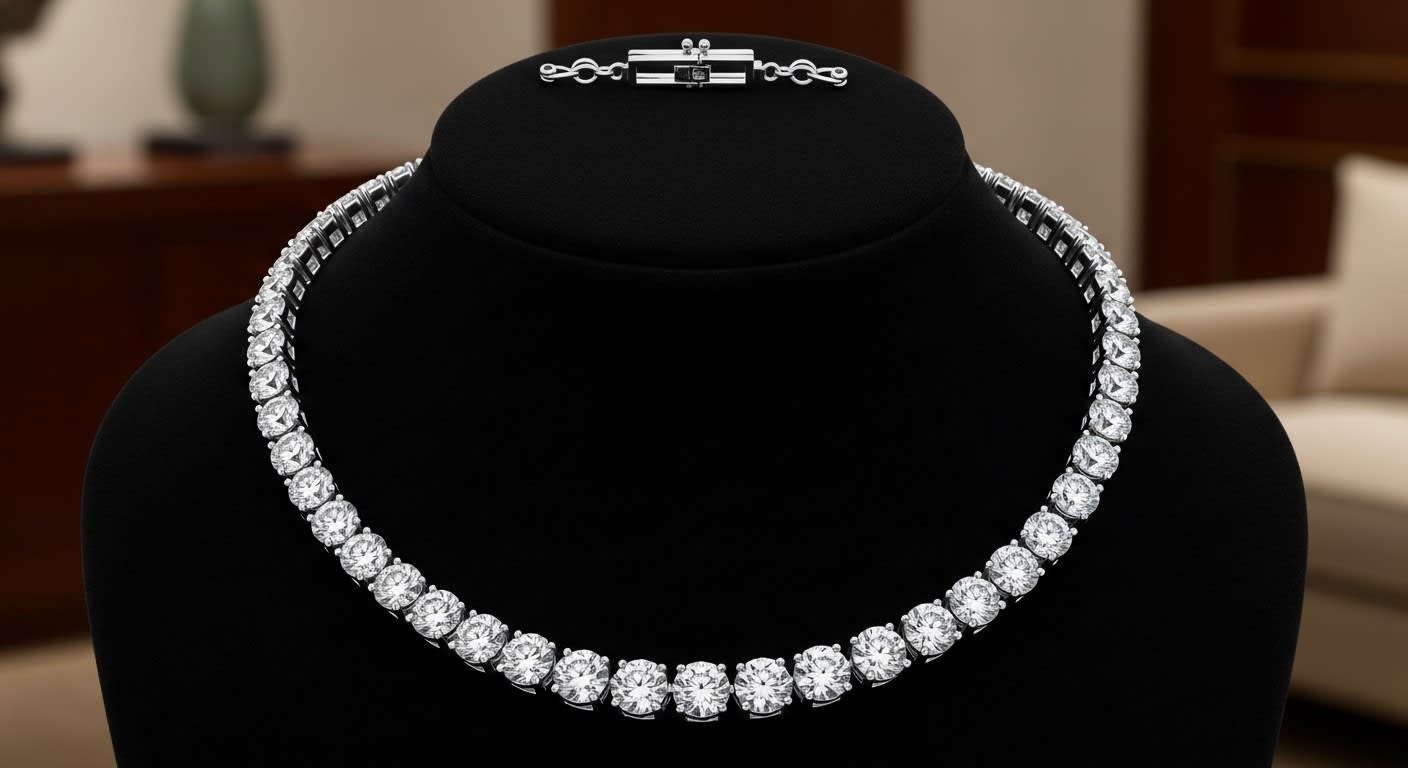
Tennis necklaces feature a continuous line of identically sized diamonds set in a flexible metal chain, delivering uninterrupted sparkle around the entire neckline. Originally popularized by tennis champion Chris Evert, these luxurious pieces work beautifully for black-tie events and milestone celebrations. The symmetrical design requires careful craftsmanship to ensure each stone catches light uniformly.
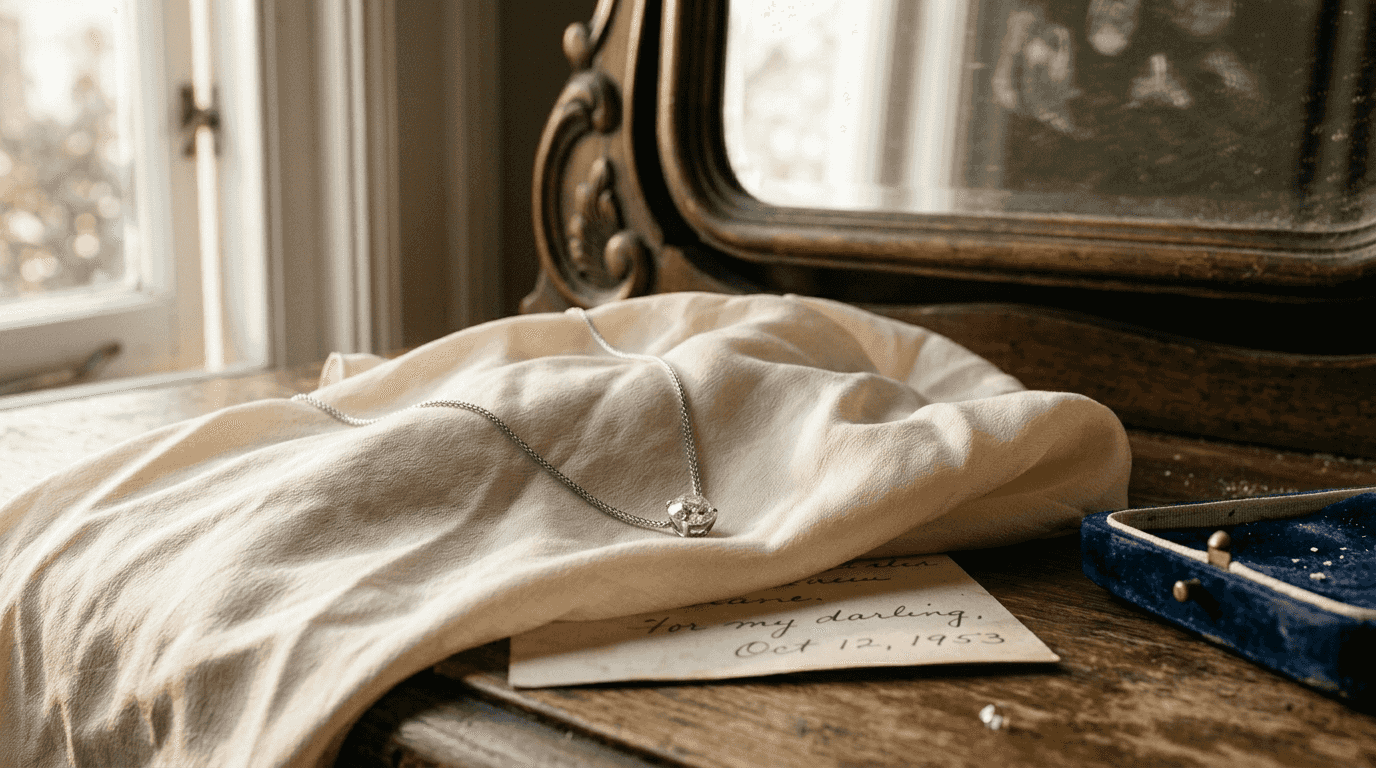
Vintage-inspired necklaces evoke romantic eras through intricate metalwork, filigree details, and antique diamond cuts like old mine or rose cuts. These designs appeal to collectors and fashion enthusiasts who appreciate artisanal craftsmanship and historical aesthetics. Natural diamonds have microscopic inclusions that serve as a geological fingerprint, adding authenticity to vintage pieces.
Layered necklaces combine multiple chains of varying lengths, creating depth and visual interest through stacked styling. You can mix diamond pendants with plain chains or coordinate multiple diamond necklaces for a curated, fashion-forward look. This trend-driven style allows experimentation and personalization, perfect for expressing your unique aesthetic.
Popular necklace style breakdown:
- Solitaire: Single diamond, maximum elegance, ideal for formal occasions
- Halo: Center stone with accent diamonds, enhanced sparkle, budget-friendly impact
- Pendant: Creative designs, symbolic meaning, everyday versatility
- Choker: Close-fitting, bold statement, modern aesthetic
- Tennis: Continuous diamond line, luxury appeal, special events
- Vintage: Antique-inspired, intricate details, timeless romance
- Layered: Multiple chains, trendy look, personal expression
Explore lab grown diamond necklace options to see how each style translates across different diamond types and price points.
Comparing natural and lab-grown diamond necklaces
Understanding the fundamental differences between natural and lab-grown diamonds empowers you to make a choice aligned with your values and budget. Natural diamonds form deep within the Earth’s mantle under extreme pressure and temperature over millions of years, creating unique geological characteristics. Each natural stone carries microscopic inclusions that serve as a fingerprint, telling a story billions of years in the making.
Lab-grown diamonds are created using two primary methods: HPHT and CVD, replicating natural formation conditions in controlled environments. High Pressure High Temperature (HPHT) mimics mantle conditions, while Chemical Vapor Deposition (CVD) builds diamonds atom by atom from carbon-rich gases. Both methods produce chemically identical diamonds that exhibit the same hardness, refractive index, and brilliance as mined stones.
Cost represents the most dramatic difference, with lab-grown diamonds typically priced 30 to 50 percent lower than comparable natural diamonds. This price gap means you can afford a significantly larger or higher-quality stone within the same budget, or simply save money without sacrificing visual appeal. For example, a one-carat natural diamond might cost $4,000, while an identical lab-grown stone runs closer to $2,000.
Appearance-wise, even trained gemologists cannot distinguish lab-grown from natural diamonds without specialized equipment. Both natural and lab-grown diamonds appear identical to the naked eye and share the same chemical composition, meaning your necklace will sparkle equally regardless of origin. The fire, brilliance, and scintillation remain indistinguishable in everyday wear.
Ethical and environmental considerations increasingly influence buyer decisions in 2026. Lab-grown diamonds eliminate concerns about conflict financing and reduce environmental disruption associated with large-scale mining operations. However, natural diamond mining supports communities in developing regions, and responsible sourcing initiatives like the Kimberley Process aim to ensure ethical practices.
| Feature | Natural Diamonds | Lab-Grown Diamonds |
|---|---|---|
| Origin | Mined from Earth’s mantle, billions of years old | Created in labs using HPHT or CVD methods |
| Cost | Higher, reflecting rarity and extraction costs | 30-50% less expensive for comparable quality |
| Appearance | Identical sparkle and brilliance | Identical sparkle and brilliance |
| Inclusions | Unique geological fingerprints | Minimal or different inclusion patterns |
| Ethics | Varies by source, Kimberley Process certified | Conflict-free, transparent supply chain |
| Environmental impact | Mining disrupts ecosystems | Lower carbon footprint, minimal land use |
| Resale value | Traditionally holds value better | Lower resale value currently |
Pro Tip: If maximizing carat size or clarity within your budget matters most, lab-grown diamonds deliver exceptional value without any visible difference from natural stones.
Key comparison points:
- Chemical identity: Both types are pure carbon with identical crystal structure
- Visual distinction: Impossible to differentiate without lab equipment
- Price advantage: Lab-grown offers significant savings
- Ethical clarity: Lab-grown guarantees conflict-free origin
- Rarity factor: Natural diamonds carry geological uniqueness
- Investment potential: Natural diamonds traditionally retain value better
Browse lab grown diamond jewelry to see how these differences translate into real-world necklace options and pricing.
Which diamond necklace suits your occasion and style in 2026?
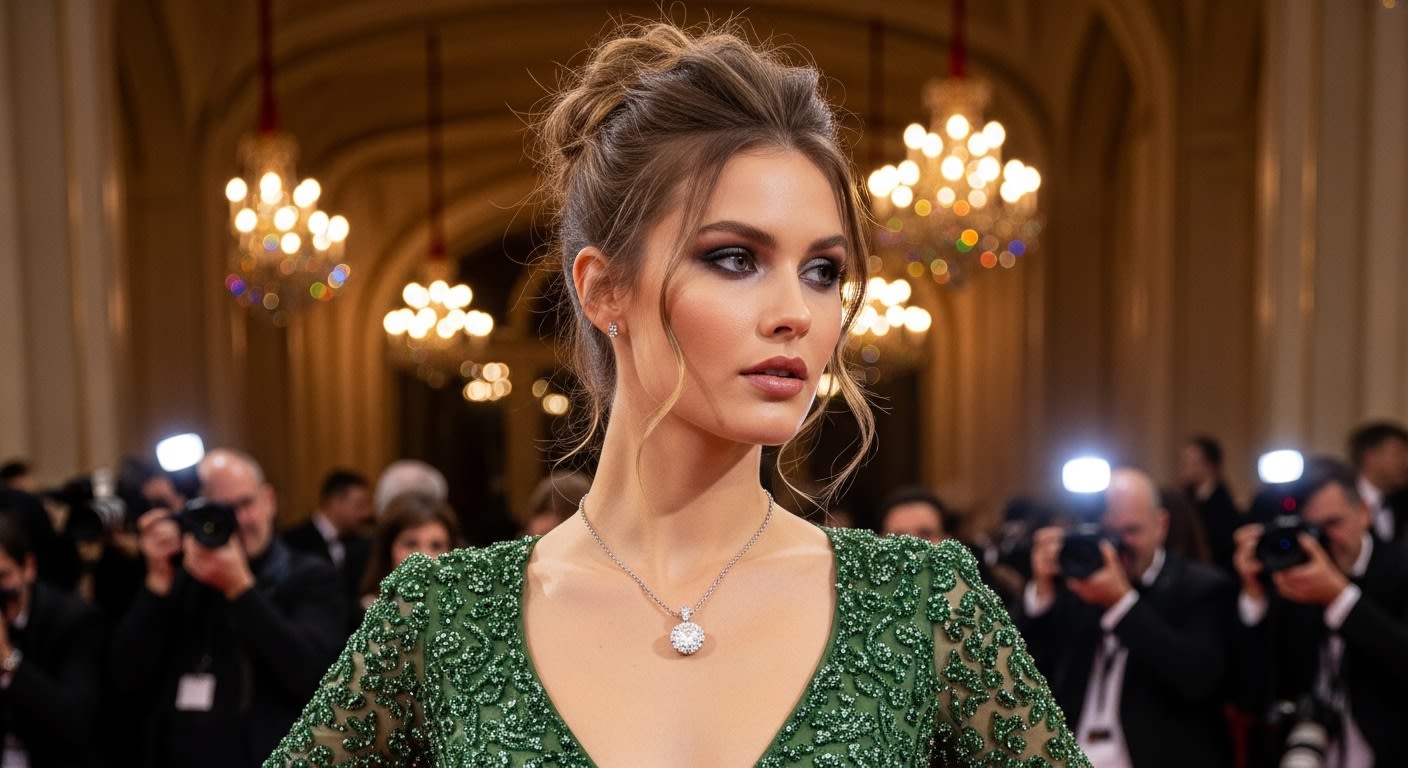
Matching your necklace choice to specific occasions and personal style ensures you’ll actually wear and enjoy your investment. Formal events like galas, weddings, or milestone anniversaries call for classic elegance, making solitaire or tennis necklaces ideal choices. These timeless styles complement evening gowns and cocktail dresses without overwhelming your overall look, allowing the diamonds to add refined sparkle.
Everyday wear demands durability and versatility, pointing toward pendant or layered necklaces that withstand regular use while coordinating with casual wardrobes. A simple diamond pendant on a sturdy chain transitions seamlessly from jeans and blazers to business attire, maximizing cost per wear. Layered styles let you adjust your look daily by mixing chains or wearing pieces individually.
Budget-conscious shoppers should prioritize lab-grown diamonds to maximize size and quality within financial constraints. The substantial price difference allows you to afford a statement piece that might otherwise stretch beyond comfortable spending limits. Consider affordable diamond necklaces that deliver luxury aesthetics without premium price tags.
Vintage enthusiasts drawn to antique aesthetics and intricate metalwork will find satisfaction in designs featuring milgrain edges, filigree details, and old-cut diamonds. These necklaces serve as conversation starters and heirloom pieces that transcend fleeting trends. Pair vintage styles with both modern and classic outfits for unexpected, sophisticated contrast.
Step-by-step selection process:
- Identify primary use: Will this be an everyday piece, special occasion jewelry, or investment heirloom?
- Define style preference: Do you gravitate toward minimalist, bold, vintage, or trendy designs?
- Set realistic budget: Determine your comfortable spending range before falling in love with options beyond reach.
- Choose diamond type: Decide between natural diamonds for rarity or lab-grown for value and ethics.
- Consider metal: White gold and platinum suit cool skin tones, while yellow and rose gold flatter warm undertones.
- Evaluate chain length: Measure existing necklaces you love or try different lengths to find your ideal fit.
- Verify quality: Check diamond certifications, metal purity stamps, and clasp security before purchasing.
- Plan for care: Understand cleaning requirements and storage needs to maintain your necklace’s beauty long-term.
Find your perfect diamond necklace today
You’ve explored seven stunning necklace styles, compared diamond types, and learned selection criteria to guide your decision. Now it’s time to transform that knowledge into the perfect piece for your collection. SuperJeweler offers an extensive selection of both natural and lab-grown diamond necklaces designed to suit every style preference and budget in 2026.

Our lab grown diamond necklace collection features ethically sourced stones that deliver maximum brilliance at accessible prices, perfect for buyers who value both beauty and sustainability. If you’re working within a specific budget, explore affordable diamond rings under $1,000 to discover how far your investment can stretch without compromising quality. For those planning proposals or anniversaries, our diamond bridal sets selection coordinates necklaces with matching rings for a cohesive, thoughtful presentation. Every piece comes with free worldwide shipping, comprehensive warranties, and flexible return policies, ensuring your purchase brings lasting joy and confidence.
FAQ
What are the most popular types of diamond necklaces?
The seven most sought-after styles in 2026 include solitaire necklaces featuring a single diamond, halo designs with accent stones, creative pendants, close-fitting chokers, continuous tennis necklaces, vintage-inspired pieces, and trendy layered combinations. Each style serves different occasions and personal aesthetics, from formal elegance to everyday versatility. Your choice depends on lifestyle needs, budget, and whether you prefer timeless classics or fashion-forward statements.
How do lab-grown diamonds compare in quality to natural diamonds?
Both natural and lab-grown diamonds appear identical to the naked eye and share the same chemical composition, making them equally high-quality options for necklaces. Lab-grown stones exhibit the same hardness, brilliance, and fire as mined diamonds, with differences only detectable through specialized gemological equipment. The quality distinction lies in origin story rather than visual or physical properties, meaning your necklace will sparkle beautifully regardless of which type you choose.
What styles of diamond necklaces are best for everyday wear?
Pendant and layered necklaces excel for daily use thanks to their versatility and durability. Simple diamond pendants on sturdy chains withstand regular activity while complementing both casual and professional wardrobes seamlessly. Layered styles offer flexibility to adjust your look by wearing multiple chains together or separating them for minimalist days. Choose secure settings like bezels for active lifestyles, and opt for chain lengths between 16 and 20 inches for comfortable all-day wear.
Are lab-grown diamond necklaces more affordable than natural ones?
Lab-grown diamonds are generally 30-50% less expensive than comparable natural diamonds, making them significantly more budget-friendly without sacrificing beauty. This price advantage means you can afford a larger stone, higher clarity grade, or more elaborate setting within the same budget. The savings stem from streamlined production rather than quality differences, as lab-grown diamonds match natural stones in every visual and physical characteristic that matters for jewelry.
Recommended
- 7 Examples of Affordable Diamond Necklaces for Women
- Top 8 Lab-Grown Diamond Necklaces in 2026 for Stylish Gifts
- Necklaces | Best Selection and Amazing Prices from SuperJeweler
- Diamond Cross Necklace | Women’s Gold & Small Cross Necklaces | SuperJeweler
