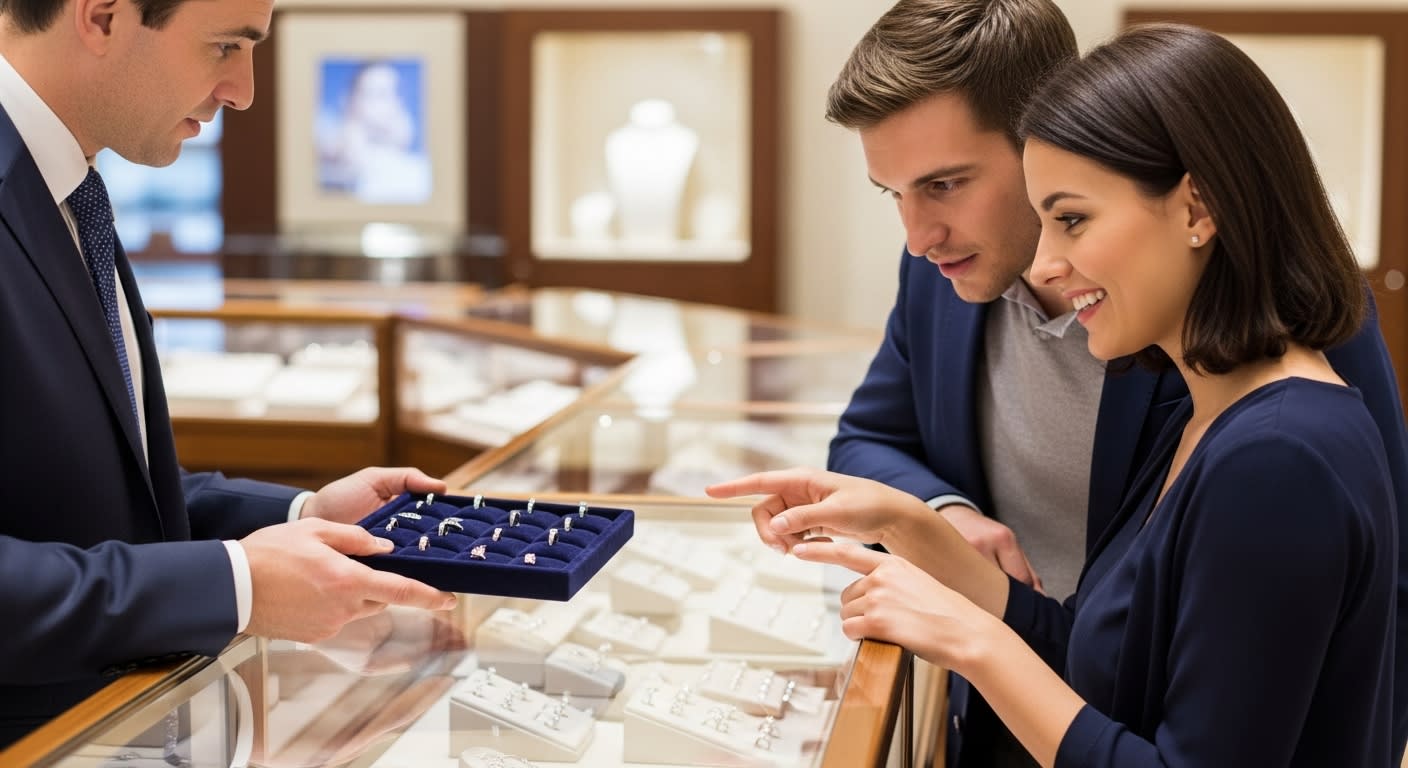
Choosing wedding rings feels overwhelming when faced with endless metal options, style variations, and budget constraints. Research shows that 60% of couples spend between $1,000 and $2,500 on their wedding rings, balancing quality and budget carefully. This article delivers a practical, step by step checklist to simplify your selection process, covering durability, style preferences, material comparisons, and customization options so you can confidently choose rings that match your lifestyle and vision.
Table of Contents
- Key Factors For Choosing Wedding Rings
- Comparison Of Popular Wedding Ring Materials
- Wedding Ring Styles And Their Suitability
- Budget Considerations And Pricing Data
- Sizing And Customization Process
- Warranty And After Purchase Services
- Summary Comparison Table Of Wedding Rings
- Situational Recommendations For Your Wedding Rings
- Explore Our Wedding Ring Collection At SuperJeweler
Key Takeaways
| Point | Details |
|---|---|
| Durability matters most | Platinum and titanium offer superior hardness and hypoallergenic properties for daily wear. |
| Budget influences metal choice | Most couples spend $1,000 to $2,500, with platinum costing more than gold or titanium. |
| Lab grown diamonds save money | These stones cost 30 to 40% less than mined diamonds while maintaining identical quality. |
| Accurate sizing prevents issues | Professional sizing at different times of day accounts for finger size variations. |
| Warranties protect your investment | Coverage for resizing, repairs, and maintenance reduces long term costs significantly. |
Key Factors for Choosing Wedding Rings
Before diving into specific materials and styles, you need to understand the core criteria that shape your wedding ring decision. Each factor affects not just how your rings look, but how they perform over decades of daily wear.
Durability and metal hardness directly impact how well your rings withstand scratches, dents, and wear. Platinum rates 4 on the Mohs hardness scale versus gold’s 2.5 to 3, making it more durable for active lifestyles. Harder metals require less maintenance but may limit resizing options.
Style and aesthetic preferences range from minimalist bands to ornate designs with gemstone settings. Current trends favor clean lines and mixed metal combinations, but your personal taste should guide this choice. Consider whether you want matching his and hers rings or complementary designs that reflect individual personalities.
Budget constraints determine which metals and customization options fit your financial plan. The price gap between materials like tungsten carbide and platinum can exceed $1,000, affecting what features you can afford. Setting a clear budget early prevents falling in love with rings outside your price range.
Customization possibilities include engraving, stone settings, mixed metals, and comfort fit interiors. These options add personality but typically increase costs by 10 to 20% and extend delivery times by two to four weeks. Planning ahead ensures custom features arrive before your wedding date.
Warranty and service coverage protect your investment through resizing, repairs, and maintenance plans. Quality warranties reduce long term expenses and provide peace of mind when rings need adjustments or cleaning. Always review warranty terms before purchasing to understand what’s covered.
For comprehensive guidance on evaluating these factors, explore our wedding ring selection guide or browse wedding bands collection to see how different materials and styles compare.
Comparison of Popular Wedding Ring Materials
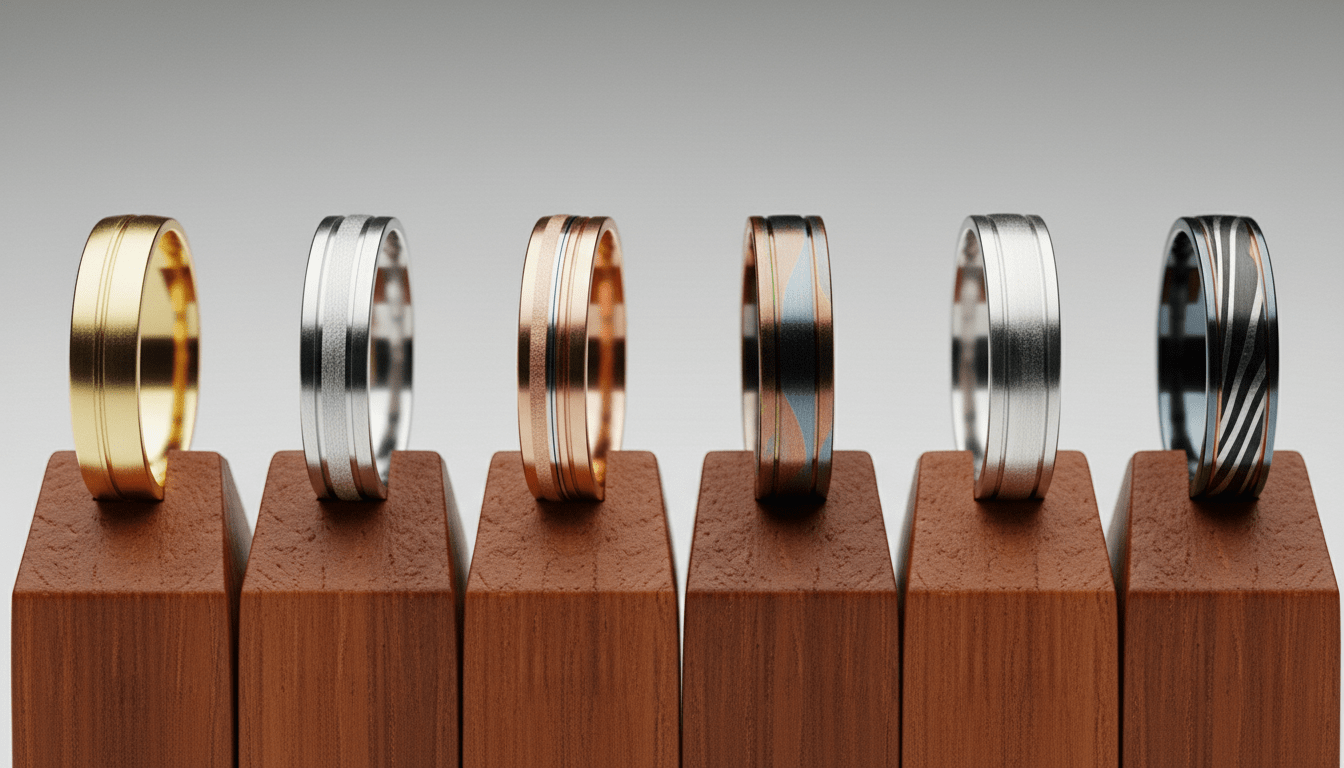
Understanding material properties helps you match ring characteristics to your lifestyle needs and aesthetic preferences. Each metal offers distinct advantages and tradeoffs in durability, appearance, and cost.
Platinum stands as the most durable precious metal for wedding rings. Its natural white luster doesn’t fade, and its hypoallergenic properties suit sensitive skin perfectly. Platinum’s density creates substantial weight that many couples associate with quality, though this premium metal commands higher prices than alternatives. The metal develops a patina over time that some find appealing while others prefer regular polishing.
Gold (14K and 18K) remains the classic wedding ring choice, available in yellow, white, and rose tones. Its softer composition compared to platinum means more susceptibility to scratches and dents. However, gold’s malleability makes resizing easier and offers more flexibility for intricate designs. The karat level affects both durability and price, with 14K providing better hardness than 18K at lower cost.
Titanium delivers exceptional strength at a fraction of platinum’s weight. This modern metal resists scratches remarkably well and won’t trigger allergic reactions. Its contemporary gray appearance appeals to couples seeking non traditional aesthetics. The main limitation involves resizing difficulty due to titanium’s hardness, so accurate initial sizing becomes critical.
Tungsten carbide ranks among the hardest materials used in wedding rings, offering outstanding scratch resistance at affordable prices. Its substantial weight mimics platinum’s heft without the premium cost. The material’s brittleness means it can crack under extreme impact, and resizing isn’t possible. Most jewelers replace rather than repair damaged tungsten rings.
Lab grown diamonds provide an ethical, cost effective alternative to mined stones. These diamonds cost 30 to 40% less than mined diamonds but have the same quality and visual properties. They offer identical hardness, brilliance, and fire while supporting environmentally conscious purchasing decisions.
| Material | Durability (Mohs) | Hypoallergenic | Average Cost | Resizing |
|---|---|---|---|---|
| Platinum | 4 to 4.5 | Yes | $1,500 to $3,000 | Easy |
| Gold (14K/18K) | 2.5 to 3 | No (alloys vary) | $800 to $2,000 | Easy |
| Titanium | 6 | Yes | $300 to $800 | Difficult |
| Tungsten Carbide | 8 to 9 | Yes | $200 to $600 | Impossible |
Pro Tip: If you work with your hands frequently or engage in activities that expose rings to impact, titanium or tungsten carbide provide superior scratch resistance. For maximum flexibility and traditional appeal, platinum or gold better accommodate future modifications and repairs.
Learn more about choosing wedding band materials or view lab grown diamond rings to explore ethical stone options.
Wedding Ring Styles and Their Suitability
Once you’ve selected a material, style choices define your ring’s visual personality and everyday comfort. Different designs suit various preferences, lifestyles, and symbolic intentions.
Minimalist bands continue dominating wedding ring trends with their timeless elegance and practical comfort. These styles remain popular for their clean lines that complement any outfit without catching on clothing or gloves. Simple bands work especially well for people who rarely wear jewelry or prefer understated accessories. Their streamlined profiles also cost less and require minimal maintenance.
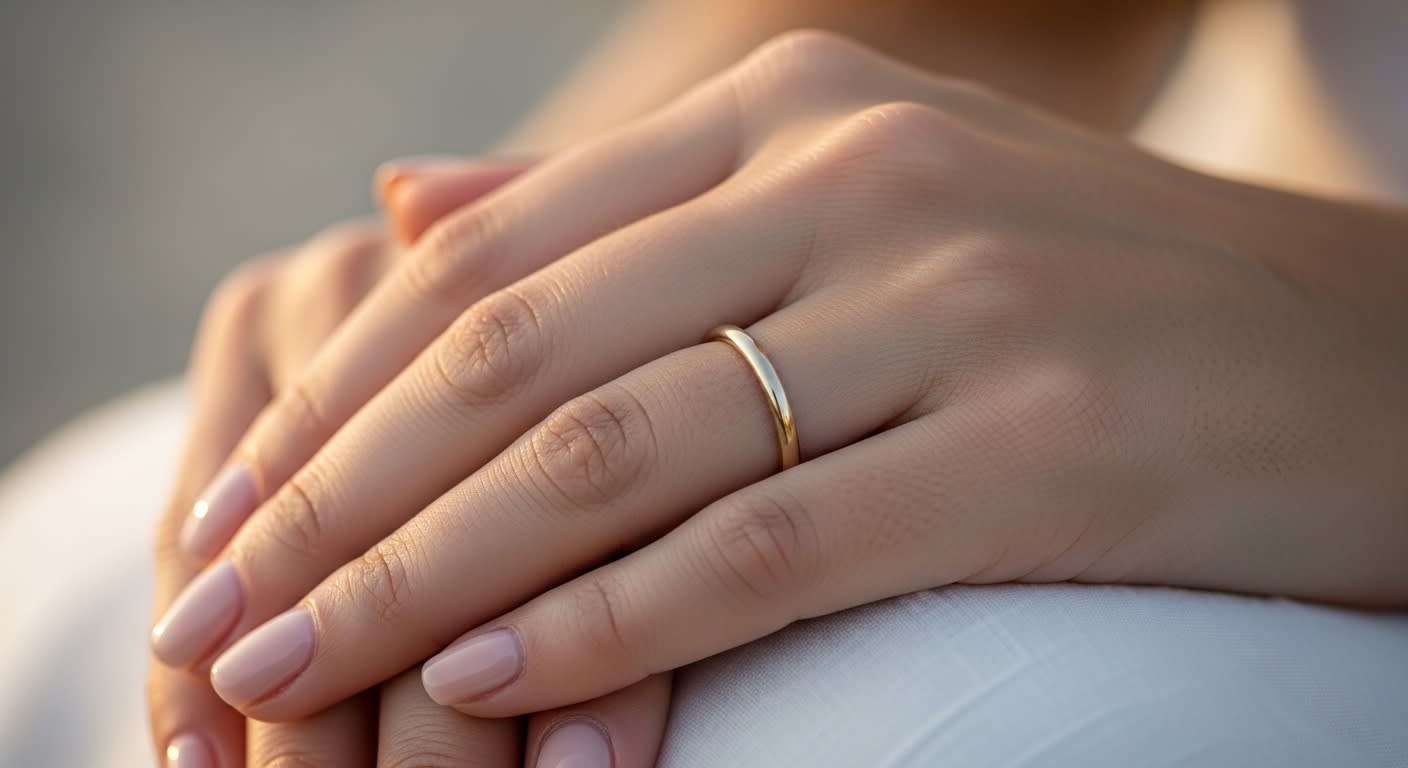
Mixed metal designs combine different colored golds or pair gold with platinum for modern visual interest. These two tone or three tone rings add personality while maintaining sophisticated appeal. The contrast creates dimension and allows both partners’ rings to coordinate without matching exactly. Consider how mixed metals align with your other jewelry to ensure cohesive styling.
Comfort fit interiors feature rounded inner edges that reduce friction and pressure points during all day wear. This design innovation improves wearability dramatically, especially for people unaccustomed to wearing rings. The slightly domed interior allows rings to slide on and off more easily while sitting flush against your finger. Most jewelers offer comfort fit as a standard or upgrade option across various styles.
Matching his and hers sets enhance symbolic unity through coordinated designs, widths, and finishes. Some couples prefer identical rings while others choose complementary styles that share design elements like engraving patterns or accent stones. Matching sets often come with package pricing that reduces overall cost compared to purchasing separately.
Pro Tip: Your daily activities should heavily influence style selection. Active lifestyles benefit from low profile designs without protruding stones that might catch during sports or manual tasks. Office workers can accommodate more elaborate styles, while medical professionals often need smooth bands compatible with glove wearing.
Explore different approaches through our wedding ring styles research or detailed advice on selecting wedding band style.
Budget Considerations and Pricing Data
Financial planning ensures you secure quality rings without overspending or compromising on features that matter most. Understanding cost drivers helps you allocate your budget strategically.
Research indicates that 60% of couples spend between $1,000 and $2,500 on wedding bands, striking a balance between quality and affordability. This range accommodates precious metals like gold and platinum while leaving room for modest customization. Your final cost depends heavily on material choice, with platinum rings typically starting around $1,500 compared to gold’s $800 baseline.

Metal selection represents the largest price variable in wedding ring budgets. Platinum commands premium pricing due to its rarity and density, while titanium and tungsten carbide offer durable alternatives at entry level costs. Gold pricing fluctuates with karat level and current market rates, with 14K options costing 20 to 30% less than 18K equivalents. Consider whether metal prestige or practical features deserve priority in your spending.
Customization expenses add 10 to 20% to base ring prices and extend production timelines by two to four weeks. Engraving typically costs $50 to $150 depending on text length and font complexity. Stone settings increase prices based on gem quality, size, and quantity, with even small accent diamonds adding $200 to $500. Budget for these extras early if personalization matters to you.
Lab grown diamond savings provide significant cost reduction without sacrificing visual quality or durability. These ethical stones deliver 30 to 40% savings compared to mined diamonds, allowing you to afford larger stones or allocate funds to other wedding expenses. The chemical and optical properties remain identical, making lab grown diamonds an intelligent value choice.
Planning prevents surprises, especially with custom orders requiring deposits and extended lead times. Order rings at least six to eight weeks before your wedding to accommodate sizing adjustments and unexpected delays. Rush fees for expedited production can add 20 to 50% to total costs, making early planning financially smart.
Budget Reality Check: The average couple allocates 3 to 5% of their total wedding budget to rings. For a $30,000 wedding, that translates to $900 to $1,500 for both rings combined.
Review our wedding ring budget checklist for detailed planning guidance or explore affordable lab grown diamonds for cost effective quality.
Sizing and Customization Process
Accurate sizing and thoughtful customization ensure your rings fit comfortably and reflect your personal style. These practical considerations affect both immediate satisfaction and long term wearability.
- Visit a professional jeweler for precise ring sizing using calibrated tools. Home sizing kits provide rough estimates but lack the accuracy needed for permanent jewelry purchases. Finger size can vary by up to half a size during the day, so professional sizing accounts for these fluctuations.
- Measure at multiple times throughout the day to identify your average comfortable size. Fingers swell in heat and shrink in cold, while water retention from salt intake or hormones affects sizing too. Taking measurements in morning, afternoon, and evening reveals your typical size range.
- Plan customization timelines carefully, as engraving and stone settings typically add two to four weeks to standard production schedules. Complex designs or mixed metal work may require even longer lead times. Rushing custom orders rarely produces optimal results and often incurs premium fees.
- Understand cost implications before committing to customization, as these features generally increase ring prices by 10 to 20%. Engraving represents the most affordable personalization option, while adding stones or creating unique metalwork escalates costs substantially. Prioritize customizations that add meaningful value rather than purely decorative elements.
- Order well in advance to avoid last minute sizing issues and allow time for potential adjustments. Most jewelers include one free resizing within the first year, but multiple modifications suggest initial sizing errors. Starting the process three to four months before your wedding provides adequate buffer time.
Pro Tip: If you’re between sizes, choose the larger size for comfort. Rings should slide over your knuckle with slight resistance but spin freely once in place. Too tight creates discomfort and circulation issues, while too loose risks loss during hand washing or swimming.
Explore detailed guidance on ring sizing and customization to ensure perfect fit and personalization.
Warranty and After Purchase Services
Protective coverage and ongoing services extend your rings’ lifespan while minimizing long term maintenance costs. Quality warranties distinguish reputable jewelers from budget retailers cutting corners.
Standard warranty coverage typically includes free resizing within the first year, repair services for manufacturing defects, and periodic professional cleaning. Over 70% of buyers value warranties that cover resizing, repairs, and maintenance as essential purchase criteria. These services protect your investment and ensure rings remain wearable as your fingers change over time.
Cost savings add up significantly when warranties cover routine maintenance that would otherwise require out of pocket payment. Professional cleaning costs $50 to $100 annually, while resizing runs $75 to $200 per adjustment. A comprehensive warranty can save $500 to $1,000 over a ring’s lifetime through included services.
Free shipping and satisfaction guarantees reduce the risk of online jewelry purchases by allowing returns or exchanges if rings don’t meet expectations. These policies particularly benefit couples shopping remotely who can’t physically inspect rings before buying. Look for at least 30 day return windows and prepaid return shipping to ensure genuine risk free trials.
Review warranty terms carefully before purchasing, as coverage varies dramatically between jewelers. Some warranties require annual inspections to maintain validity, while others exclude certain damage types like lost stones or scratches. Understanding limitations prevents disappointment when seeking service.
After purchase services enhance satisfaction by providing ongoing support throughout your rings’ lifespan. Access to jewelers for questions, adjustments, and recommendations builds confidence in your purchase decision. Retailers offering lifetime service relationships demonstrate commitment to customer satisfaction beyond initial sale.
“A quality warranty transforms ring ownership from a single transaction into a long term relationship with your jeweler, ensuring your symbols of commitment remain beautiful for decades.”
Learn about warranty and service importance or review specific warranty options available with your ring purchase.
Summary Comparison Table of Wedding Rings
This comprehensive comparison consolidates key attributes across popular wedding ring options to facilitate informed decision making. Use this reference to evaluate tradeoffs between materials based on your priorities.
| Ring Type | Durability Rating | Average Cost | Customization | Warranty Availability | Best For |
|---|---|---|---|---|---|
| Platinum Band | Excellent (4/5) | $1,500 to $3,000 | High flexibility | Standard coverage | Traditional elegance, sensitive skin |
| Gold Band (14K) | Good (3/5) | $800 to $1,500 | High flexibility | Standard coverage | Classic style, resizing needs |
| Titanium Band | Excellent (5/5) | $300 to $800 | Limited options | Limited coverage | Active lifestyles, modern aesthetic |
| Tungsten Carbide | Excellent (5/5) | $200 to $600 | Minimal options | Replacement only | Budget conscious, scratch resistance |
| Lab Diamond Setting | Excellent (5/5) | 30 to 40% less than mined | Moderate flexibility | Standard coverage | Ethical shoppers, value seekers |
This table highlights how platinum and gold offer maximum customization flexibility and comprehensive warranty support, while titanium and tungsten carbide excel in durability and affordability. Lab grown diamond settings provide the best value proposition for couples prioritizing both quality and cost effectiveness. Your lifestyle demands and aesthetic preferences should guide final selection among these well balanced options.
Situational Recommendations for Your Wedding Rings
Matching ring characteristics to your specific circumstances ensures satisfaction beyond the wedding day. These targeted suggestions address common scenarios couples face.
Active lifestyle individuals benefit most from titanium or tungsten carbide rings that withstand impacts, scratches, and exposure to elements. These materials maintain appearance despite rough treatment from sports, outdoor activities, or manual labor. Their durability eliminates worry about damaging rings during everyday activities, though sizing inflexibility requires accurate initial measurements.
Sensitive skin requires platinum or titanium for their hypoallergenic properties that prevent irritation and discoloration. Gold alloys sometimes contain nickel or other metals triggering reactions, making pure metals the safer choice. If you’ve experienced jewelry allergies previously, prioritize hypoallergenic materials regardless of aesthetic preferences.
Budget conscious couples should explore lab grown diamond options and alternative metals like tungsten carbide that deliver quality at accessible prices. These choices provide 30 to 40% savings compared to traditional materials without compromising durability or appearance. The cost difference allows upgrading other ring features or allocating funds to additional wedding expenses.
Customization enthusiasts find gold and platinum most accommodating for engraving, stone settings, and design modifications. These precious metals’ malleability supports intricate work that harder materials can’t accommodate. If personalization ranks high in your priorities, accept the premium pricing these metals command for their versatility.
Professional requirements influence appropriate ring styles for careers involving healthcare, food service, or technical work. Low profile bands without protruding stones comply with glove wearing needs and safety regulations. Some professionals choose silicone rings for work hours and save precious metal bands for personal time.
Pro Tip: Purchase your rings from the same jeweler to ensure cohesive styling even if you choose different materials or designs. Coordinating finishes, widths, and profiles creates visual harmony that separate purchases rarely achieve.
Find personalized guidance through our wedding ring situational advice tailored to various lifestyle needs.
Explore Our Wedding Ring Collection at SuperJeweler
Now that you understand the essential criteria for selecting wedding rings, exploring quality options becomes your next step. SuperJeweler offers an extensive wedding bands collection featuring durable precious metals, alternative materials, and customization options that align with the guidance outlined above.
Our lab grown diamond rings provide ethical, affordable alternatives that maintain the brilliance and quality of mined stones while supporting your budget goals. For active individuals seeking maximum durability, browse our selection of tungsten and titanium wedding rings designed to withstand demanding lifestyles without sacrificing style.
Every ring in our collection includes comprehensive warranty coverage, free worldwide shipping, and satisfaction guarantees that protect your investment. Our customer service team provides sizing assistance and customization consultation to ensure your rings arrive perfect for your special day.
FAQ
What is the best metal for a wedding ring?
Platinum and titanium rank highest for durability and hypoallergenic properties, making them ideal for sensitive skin and active lifestyles. Gold remains the classic choice but requires more care due to its softer composition.
How do I ensure my wedding ring size is accurate?
Get professionally sized at a jeweler using calibrated tools, and measure at different times of day to account for natural finger swelling. Avoid purchasing rings based on estimated sizes without proper fitting sessions.
Are lab grown diamonds a good choice for wedding rings?
Lab grown diamonds offer identical visual quality and durability to mined stones at 30 to 40% lower cost. They represent an ethical, environmentally friendly alternative without compromising beauty or longevity.
What warranty should I expect with my wedding ring?
Look for warranties covering free resizing within the first year, repair services for manufacturing defects, and routine maintenance like professional cleaning. Satisfaction guarantees and free shipping options enhance online purchase confidence.
How much should I budget for wedding rings?
Most couples spend between $1,000 and $2,500 on wedding bands, though costs vary based on metal choice and customization. Allocate 3 to 5% of your total wedding budget to rings for balanced financial planning.
Recommended
- 7 Steps to the Perfect Wedding Ring Selection Checklist
- 7 Step Wedding Ring Shopping Checklist for Couples
- Wedding Ring Selection Guide for Perfect Bands
- Engagement Ring Budgeting Workflow for Smart Shopping
