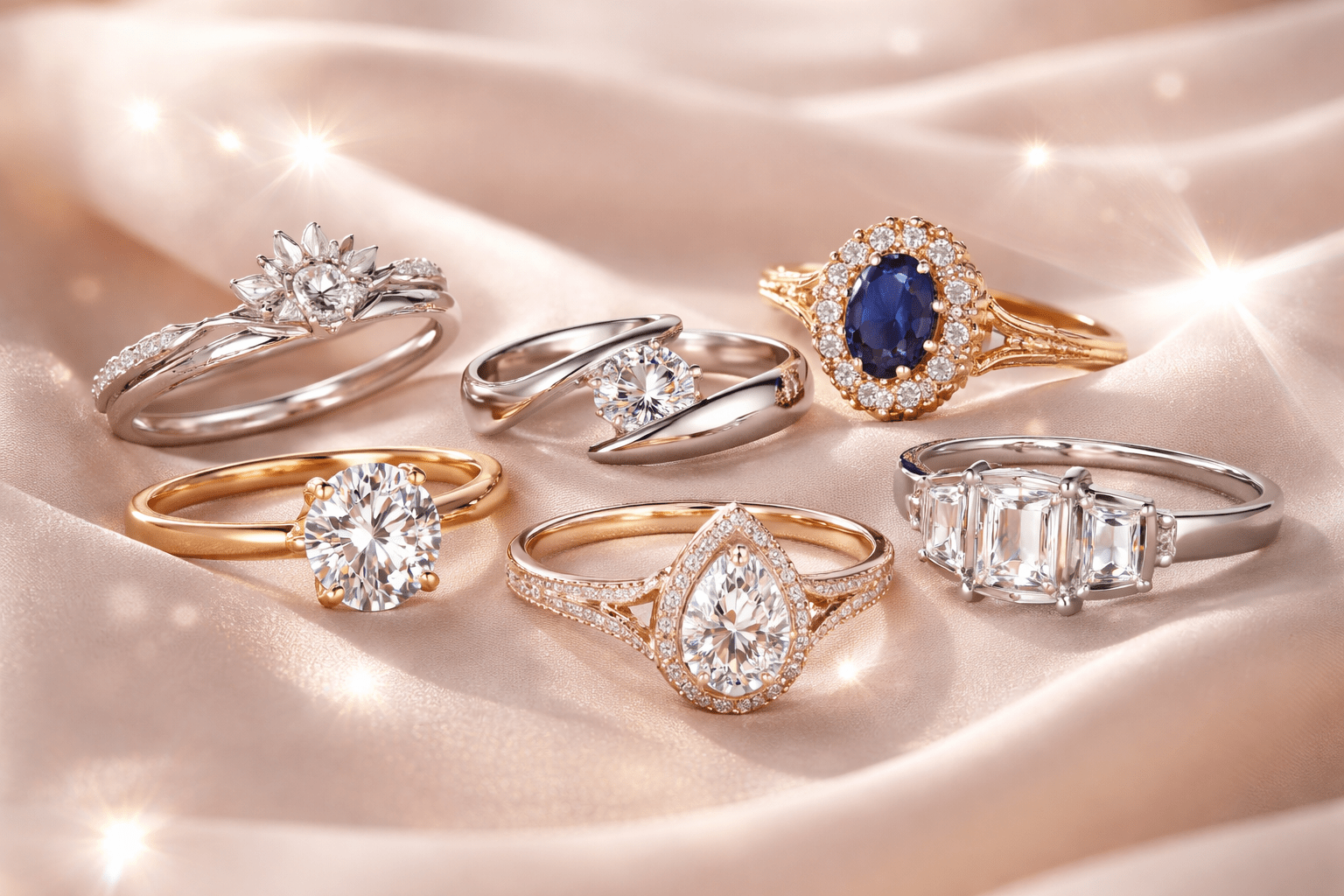
Choosing an engagement ring is one of the most meaningful purchases you’ll make, and the setting plays a crucial role in defining the ring’s personality. From timeless prong settings to modern tension designs, the options can feel overwhelming. Whether you’re drawn to the brilliance of lab-grown diamonds or the vibrant hues of colored gemstones, understanding different ring settings helps you create a piece that reflects your unique story. This guide walks you through practical examples of ring settings, comparing their benefits and helping you identify the perfect match for your style and lifestyle.
Table of Contents
- Key takeaways
- How to evaluate engagement ring settings: key criteria
- Classic and popular ring setting examples
- Unique and customizable ring setting ideas for modern couples
- Comparing ring settings: durability, style, and maintenance
- Find your perfect ring setting at SuperJeweler
- FAQ
Key Takeaways
| Point | Details |
|---|---|
| Expressive settings | Choosing a ring setting lets you express your unique style and story. |
| Lab grown options | Lab grown diamonds provide ethical budget friendly and customizable alternatives to traditional stones. |
| Appearance and durability | Different settings change how a ring looks and how durable it is. |
| Customizable metals and stones | Customization can include metal type, gemstone choices, and setting styles. |
How to evaluate engagement ring settings: key criteria
Before diving into specific examples, you need a framework for evaluating ring settings. Choosing a ring setting involves balancing aesthetics, durability, and personal style, so understanding what matters most to you streamlines the decision process.
Style preferences vary widely among couples. Classic designs feature clean lines and timeless appeal, while modern settings embrace geometric shapes and unexpected details. Vintage inspired rings incorporate ornate metalwork and romantic flourishes. Unique settings push boundaries with asymmetrical designs or unconventional gemstone placements.
Durability considerations matter for rings you’ll wear every day. Prong settings elevate stones for maximum sparkle but expose more of the gemstone to potential impact. Bezel settings wrap metal around the stone’s perimeter, offering superior protection. The metal you choose affects strength too, with platinum providing the most durability and white gold offering a lighter alternative.
Gemstone compatibility extends beyond diamonds. Lab-grown diamonds integrate seamlessly with any setting style, providing ethical and budget-friendly options. Alternative stones like sapphires, emeralds, or moissanite each have unique hardness ratings and care requirements. Some settings protect softer stones better than others.
Customization potential transforms a standard design into something personal. You can mix metals for contrast, arrange multiple stones in creative patterns, or incorporate meaningful gemstones. Many couples choose to customize engagement ring elements to tell their specific story.
Pro Tip: Consider your daily activities when selecting a setting. If you work with your hands frequently, choose a lower profile design with protective bezels to prevent snagging and damage.
Classic and popular ring setting examples
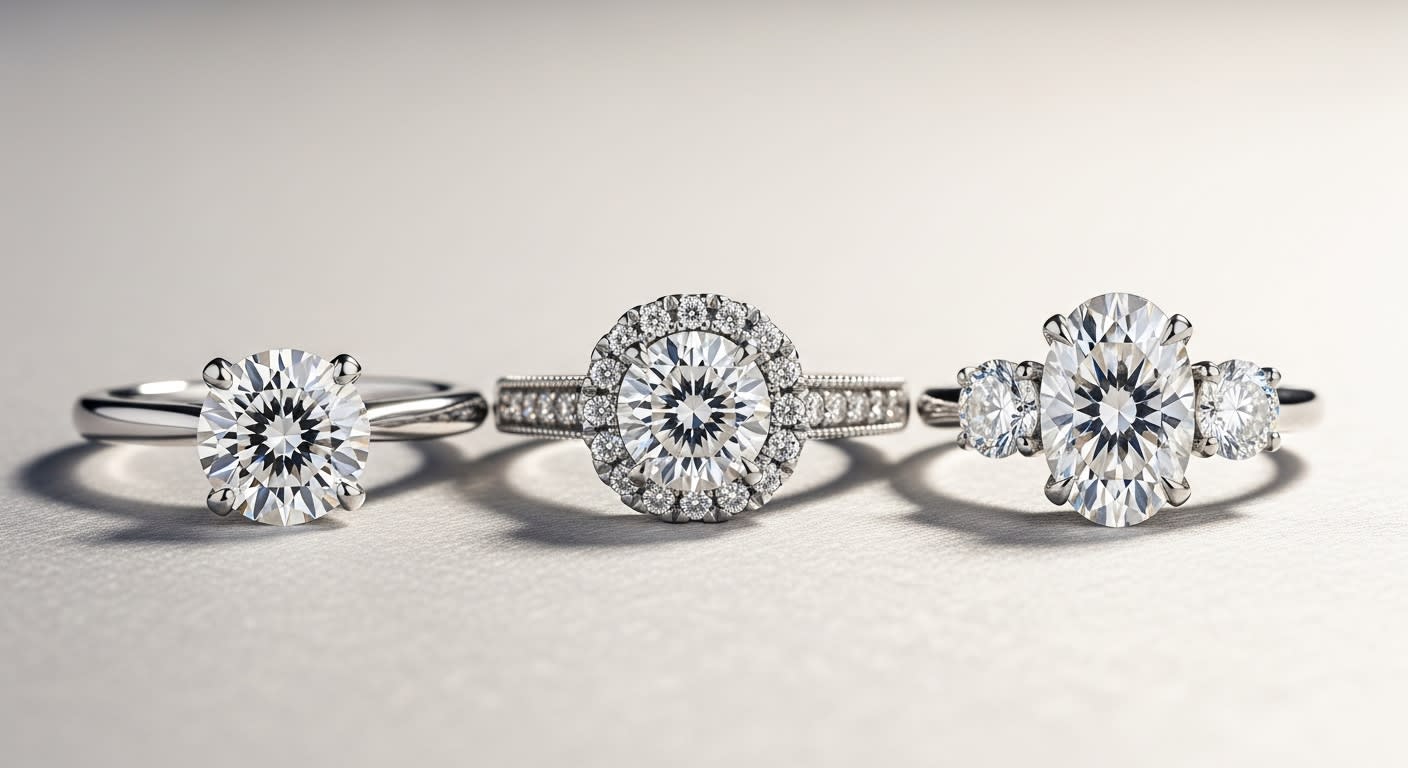
Familiar ring settings remain popular for good reason. They’ve proven their appeal across generations while offering reliable performance for everyday wear. Understanding these foundational styles helps you recognize what resonates with your aesthetic preferences.
The prong setting remains the most recognizable engagement ring style. Prong, bezel, and halo are among the most common engagement ring settings, each showcasing gemstones distinctively. Four or six metal claws grip the stone, elevating it above the band. This design maximizes light entry from all angles, creating exceptional brilliance. However, prongs can catch on clothing and require occasional tightening to maintain security.
Bezel settings wrap a thin metal rim completely around the stone’s perimeter. This creates a smooth, contemporary silhouette while protecting the gemstone’s edges from chips and scratches. The metal frame can make stones appear slightly smaller, but the trade-off in durability appeals to active individuals. Bezels work particularly well for softer gemstones that need extra protection.
Halo settings surround the center stone with a circle of smaller diamonds or gemstones. This amplifies the ring’s overall sparkle and can make the center stone appear larger. Halos suit various center stone shapes and pair beautifully with engagement rings featuring both traditional and lab-grown diamonds. The additional stones increase the ring’s complexity and cost.
Three-stone settings feature a center stone flanked by two smaller stones, often representing past, present, and future. This symbolic design offers versatility in stone selection. You might choose three diamonds of graduating sizes, or mix a diamond center with colored gemstone accents. The balanced composition creates visual interest without overwhelming the center stone.
Each classic setting offers distinct advantages:
- Maximum brilliance and light performance
- Enhanced security for valuable stones
- Increased perceived size and sparkle
- Symbolic meaning and balanced design
Unique and customizable ring setting ideas for modern couples
Modern couples increasingly seek ring settings that break from tradition. These distinctive designs showcase personality and creativity while incorporating contemporary materials like lab-grown diamonds and unconventional gemstones.
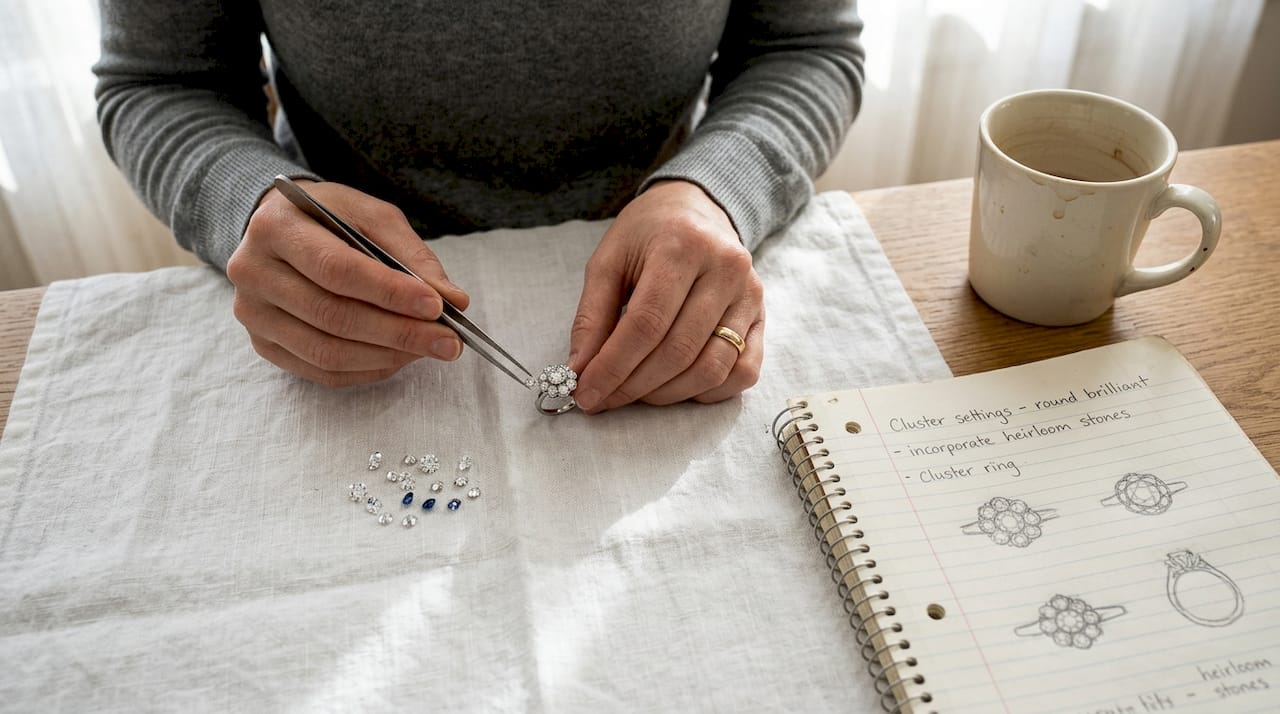
Cluster settings arrange multiple smaller stones in organic or geometric patterns, creating a garden-like effect. This approach allows you to mix stone types, combining diamonds with sapphires or emeralds for color variation. Clusters offer significant visual impact at lower cost than a single large stone. The intricate metalwork requires skilled craftsmanship but results in truly unique pieces.
Tension settings use the band’s spring tension to hold the stone in place, creating the illusion that the gemstone floats between two metal ends. This dramatic, modern design requires precise engineering and works best with durable stones. The exposed stone catches light from every angle, but the setting’s complexity makes resizing difficult.
Split shank designs feature a band that divides as it approaches the center stone, creating negative space and architectural interest. The separated metal can twist, curve, or remain parallel, offering endless design possibilities. This style pairs beautifully with various center stone shapes and can incorporate additional accent stones along the split sections.
Lab-grown diamonds and colored gemstones offer versatility in unique ring settings. You might choose a vibrant sapphire center stone surrounded by lab-grown diamond accents, or create an ombre effect with gradually shifting gemstone colors. Mixed metal designs combine rose, yellow, and white gold for dimensional contrast.
Consider these unique customization options:
- Asymmetrical stone placement for artistic flair
- Vintage-inspired filigree metalwork with modern twists
- Nature-inspired designs featuring leaf or vine motifs
- Geometric patterns with angular lines and negative space
Pro Tip: When mixing metals or gemstones, request a digital rendering or wax model before final production to ensure the design matches your vision.
Here’s how unique settings compare:
| Setting Style | Visual Impact | Customization Potential | Best For |
|---|---|---|---|
| Cluster | High sparkle, organic feel | Excellent for mixing stones | Budget-conscious buyers wanting size |
| Tension | Modern, minimalist drama | Limited due to engineering | Contemporary design lovers |
| Split Shank | Architectural interest | High for band variations | Those wanting unique but wearable |
| Vintage Inspired | Romantic, detailed | Moderate for personal touches | Traditional with a twist |
Exploring lab grown diamond rings or vintage engagement rings helps you visualize how these unique settings translate into finished pieces.
Comparing ring settings: durability, style, and maintenance
Making an informed decision requires understanding how different settings perform in real-world conditions. This practical comparison helps you match ring settings to your lifestyle and maintenance preferences.
Different ring settings vary in their maintenance needs and durability for everyday use. Active lifestyles demand different considerations than office-based routines. Understanding these differences prevents disappointment and protects your investment.
| Setting Type | Durability Rating | Maintenance Frequency | Style Appeal | Daily Wear Suitability |
|---|---|---|---|---|
| Prong | Moderate | Every 6 months | Timeless, brilliant | Good with care |
| Bezel | Excellent | Annually | Modern, sleek | Excellent |
| Halo | Moderate | Every 6 months | Glamorous, sparkly | Good |
| Tension | Good | Annually | Contemporary, bold | Moderate |
| Cluster | Moderate | Every 4-6 months | Artistic, unique | Moderate |
Prong settings require the most frequent inspection because the metal claws can loosen over time. You should check prongs every six months and have them retipped when they show wear. The exposed stone position makes them vulnerable to impacts, but proper care maintains their security.
Bezel settings offer superior protection with minimal maintenance. The metal rim shields the stone’s edges from chips and catches. Annual inspections suffice for most bezel rings. The smooth profile prevents snagging on clothing or gloves, making them ideal for healthcare workers, parents, or anyone with active hands.
Halo and cluster settings feature multiple small stones that can loosen individually. Regular professional cleaning and inspection every four to six months prevents stone loss. The intricate metalwork can trap dirt and oils, requiring more frequent cleaning to maintain sparkle.
Tension settings need annual checks to ensure the band maintains proper spring tension. While durable once properly set, they resist resizing and require specialized jewelers for repairs. The exposed stone position allows excellent light performance but offers less protection than bezels.
Key considerations for each setting category:
- Prong: Maximize brilliance, accept higher maintenance
- Bezel: Prioritize protection, embrace modern aesthetics
- Halo: Desire maximum sparkle, commit to regular care
- Tension: Want contemporary drama, work with specialized jewelers
- Cluster: Seek uniqueness, schedule frequent inspections
Browsing the full engagement rings collection reveals how these setting types appear across different price points and styles, helping you identify which design elements matter most for your specific needs.
Find your perfect ring setting at SuperJeweler
Now that you understand the variety of ring settings available, you’re ready to explore options that match your vision. SuperJeweler offers an extensive selection of engagement rings featuring every setting style discussed, from classic prongs to contemporary tension designs.
Our engagement rings collection showcases hundreds of customizable options at prices designed for real budgets. You’ll find settings compatible with both natural and lab-grown diamonds, allowing you to prioritize what matters most, whether that’s size, quality, or sustainability.

Explore lab grown diamond deals to discover how choosing lab-grown stones expands your options without compromising quality. These ethically sourced diamonds work beautifully with any setting style while often allowing you to select a larger stone or more intricate design within your budget.
For couples prioritizing value, our affordable engagement rings category proves that stunning, unique settings don’t require premium prices. With free worldwide shipping and comprehensive warranties, you can shop confidently knowing your investment is protected. Use the customization guidance from this article to identify which setting features align with your lifestyle, then filter our collection to find rings that check every box.
FAQ
What are the most durable ring settings for everyday wear?
Bezel settings provide the best protection for daily wear because metal completely surrounds the stone’s perimeter, shielding it from impacts and reducing the risk of chips. Tension settings also offer good durability once properly engineered, though they require specialized maintenance. For maximum security with traditional appeal, consider a six-prong setting rather than four prongs.
Can lab-grown diamonds be used with all types of ring settings?
Lab-grown diamonds can be set in any traditional or modern setting style. They possess identical physical and chemical properties to natural diamonds, including the same hardness rating of 10 on the Mohs scale. Whether you choose prong, bezel, halo, tension, or custom cluster settings, lab-grown diamonds perform identically to mined stones while offering ethical sourcing and often better value.
What are some unique gemstone alternatives to traditional diamonds?
Sapphires rank as the most popular diamond alternative, offering exceptional hardness and a rainbow of color options beyond classic blue. Emeralds provide rich green hues with vintage appeal, though they require more careful handling due to natural inclusions. Rubies deliver passionate red tones with excellent durability. Moissanite offers diamond-like brilliance at a fraction of the cost, while pearls create soft, romantic designs for non-traditional couples.
How often should I have my ring setting inspected?
Prong and halo settings require professional inspection every six months to check for loose stones and worn metal. Bezel and tension settings can be inspected annually since they offer more inherent security. Cluster settings with multiple small stones benefit from inspection every four to six months. Regular professional cleaning during these inspections maintains sparkle and allows jewelers to catch potential problems before stones are lost.
Can I customize an existing ring setting design?
Most jewelers, including SuperJeweler, offer customization options for existing designs. You can typically modify metal type, change the center stone size or shape, add or remove accent stones, and adjust sizing details. More extensive modifications like changing the fundamental setting structure may require creating a custom design from scratch. Discuss your vision with a jewelry specialist to understand which modifications are feasible within your budget and timeline.
Recommended
- Engagement Rings | SuperJeweler
- Gemstone Rings | SuperJeweler
- Engagement Rings Shop By Diamond Size | SuperJeweler
- 3 Carat & Up Giant Round Diamond Engagement Rings : SuperJeweler
