
Finding an engagement ring can feel overwhelming when you need to balance your dreams with financial reality. For many American couples, deciding how much to spend is about more than traditions or averages. The average engagement ring cost in the United States is about $6,000, but your budget should reflect your own priorities and values. This guide helps you explore affordable options like lab-grown diamonds and customization, so you can make a smart choice that fits your life and celebrates your love.
Table of Contents
- Step 1: Define Your Total Ring Budget
- Step 2: Assess Ring Preferences And Priorities
- Step 3: Research Pricing For Diamonds And Settings
- Step 4: Compare Traditional And Lab-Grown Options
- Step 5: Finalize Your Ring Choice With Confidence
Quick Overview
| Key Insight | Explanation |
|---|---|
| 1. Establish a realistic budget | Aim to allocate 10-15% of your annual income towards a ring, keeping financial health in focus. |
| 2. Identify partner’s preferences | Pay attention to your partner’s jewelry style to select a ring that resonates with their taste. |
| 3. Compare diamonds and settings | Research diamond characteristics and metal types to understand their impact on pricing effectively. |
| 4. Consider lab-grown diamonds | Lab-grown options can be 30-50% cheaper and offer ethical benefits without sacrificing quality. |
| 5. Ensure informed final selection | Verify diamond certification and policies, and ensure the ring aligns with both emotional and financial aspects. |
Step 1: Define your total ring budget
Defining your total engagement ring budget is a critical first step that requires thoughtful financial planning and realistic expectations. Your ring budget should balance romantic aspirations with responsible financial decision-making.
To create a smart budget, start by understanding your financial landscape. This means taking a comprehensive look at your current financial situation, including:
- Your monthly income
- Regular expenses
- Existing savings
- Future financial goals
Most couples find that allocating 10-15% of their annual income toward an engagement ring provides a reasonable benchmark. However, this isn’t a strict rule. The average engagement ring cost in the United States hovers around $6,000, but your personal budget might be significantly different based on individual circumstances.
Your ring budget should reflect your financial reality, not societal expectations.
When calculating your budget, consider these strategic approaches:
- Review your current savings
- Determine a comfortable monthly savings plan
- Set a realistic total budget range
- Factor in potential financing options
- Leave room for unexpected expenses
Remember that a meaningful engagement ring isn’t about the price tag, but about the commitment and love it represents. Avoid going into debt for the perfect ring by planning carefully and being honest about what you can truly afford.
Pro tip: Consider exploring lab-grown diamond options, which can offer significant cost savings without compromising on quality or beauty.
To assist with budgeting, here’s a quick summary of potential cost ranges and budgeting options:
| Approach | Estimated Budget Impact | Example (Annual Income $60,000) |
|---|---|---|
| 10% of yearly income | Moderate, balanced choice | $6,000 suggested maximum |
| 15% of yearly income | Higher-end, flexible | $9,000 budget limit |
| Lab-grown savings | 30-50% lower, extra value | $3,000–$4,200 for similar size |
Step 2: Assess ring preferences and priorities
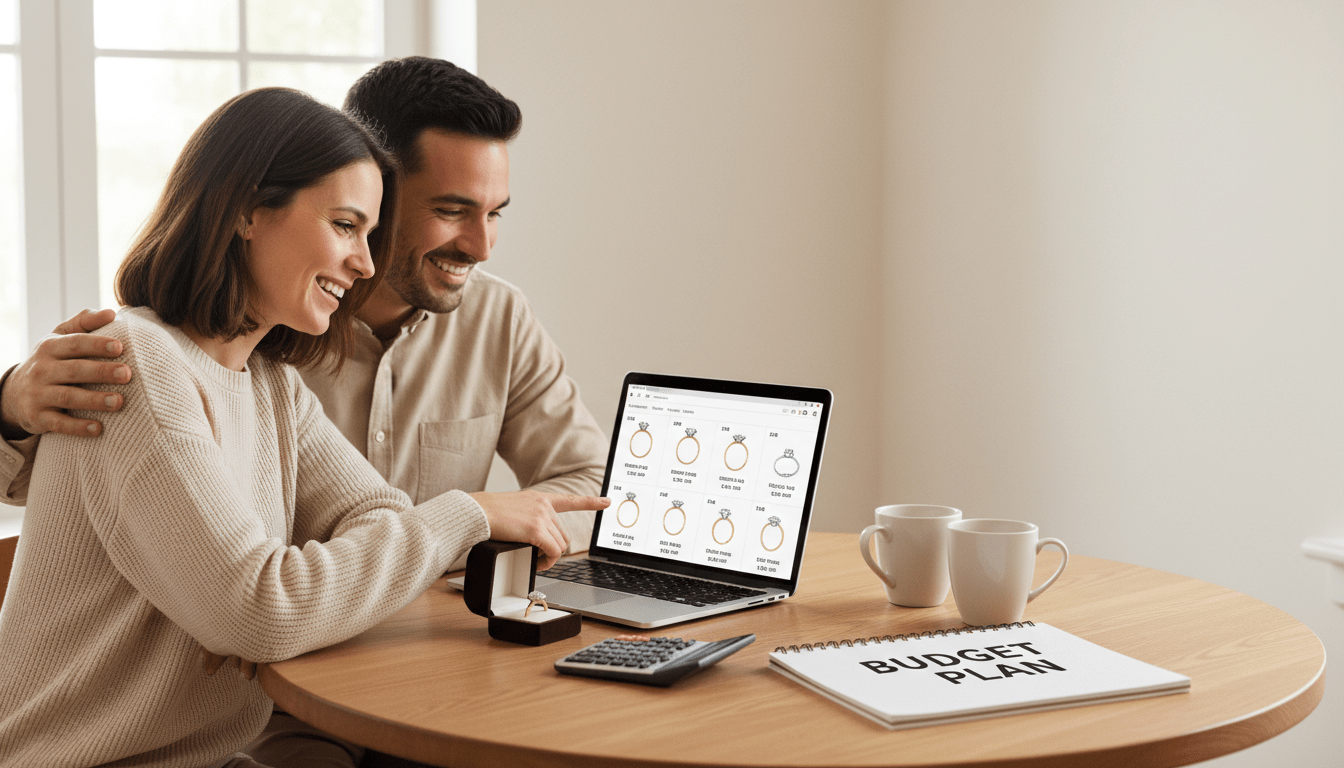
Understanding your partner’s ring preferences is crucial for selecting an engagement ring that will be treasured for a lifetime. This step involves carefully observing and discussing personal jewelry style and design preferences.
Start by paying close attention to the jewelry your partner currently wears. Look for patterns in their existing collection that might reveal their true style:
- Metal preferences (yellow gold, white gold, rose gold, platinum)
- Jewelry design aesthetic (classic, modern, vintage, minimalist)
- Typical jewelry size and scale
- Everyday versus special occasion piece styles
To narrow down your selection, consider the critical factors that will guide your ring choice:
- Understand their metal preference
- Identify preferred diamond or gemstone shape
- Evaluate comfort and wearability
- Consider lifestyle and daily activities
- Note existing jewelry design trends
Personal style matters more than following generic trends.
The 4Cs of diamond selection play a significant role in prioritizing your ring features. While budget constraints will influence your choices, understanding which aspects matter most to your partner helps make an informed decision.
Bold priorities like cut quality or specific design elements can help you allocate your budget more effectively. Some individuals prioritize diamond size, while others care more about brilliance and clarity.
Pro tip: Discreetly involve a close friend or family member who can provide insights into your partner’s jewelry preferences without spoiling the surprise.
Step 3: Research pricing for diamonds and settings
Diving into the world of engagement ring pricing requires strategic research and a keen understanding of how different factors impact cost. Diamond pricing dynamics involve multiple interconnected elements that can significantly influence your final investment.
Break down your research into key components that determine ring pricing:
- Diamond characteristics (4Cs)
- Metal type and setting
- Manufacturing complexity
- Additional design features
- Current market rates
Understand the fundamental pricing factors for both diamonds and settings:
- Evaluate diamond quality across cut, clarity, color, and carat
- Compare metal prices (gold versus platinum)
- Assess setting complexity and craftsmanship
- Calculate additional design customization costs
- Research current market pricing trends
Diamond pricing is more nuanced than a simple price tag.
The diamond pricing spectrum can vary dramatically. A one-carat diamond might range from $2,000 to $20,000 depending on its specific qualities. Platinum settings typically cost about 30% more than gold, which can significantly impact your overall budget.

Comparative shopping strategies help you understand realistic pricing. Visit multiple jewelers, compare online resources, and request detailed price breakdowns to ensure you’re making an informed decision.
Pro tip: Request detailed grading reports for diamonds to understand exact pricing justifications and ensure you’re getting fair market value.
Step 4: Compare traditional and lab-grown options
Engagement ring shopping now offers more choices than ever, with lab-grown diamonds presenting a compelling alternative to traditional mined stones. Diamond buying options have expanded to include ethical, budget-friendly alternatives that challenge traditional purchasing norms.
Break down the key differences between traditional and lab-grown diamonds:
- Price point variations
- Ethical sourcing considerations
- Environmental impact
- Visual and physical characteristics
- Long-term value perceptions
Understand the critical comparison factors:
- Analyze total cost differences
- Evaluate visual quality
- Consider sustainability aspects
- Assess resale and investment potential
- Reflect on personal values
Not all diamonds are created equal – and that’s a good thing.
The price advantage of lab-grown diamonds is significant. Typically, these stones cost 30-50% less than mined diamonds of comparable quality, allowing you to potentially purchase a larger or higher-quality stone within the same budget.
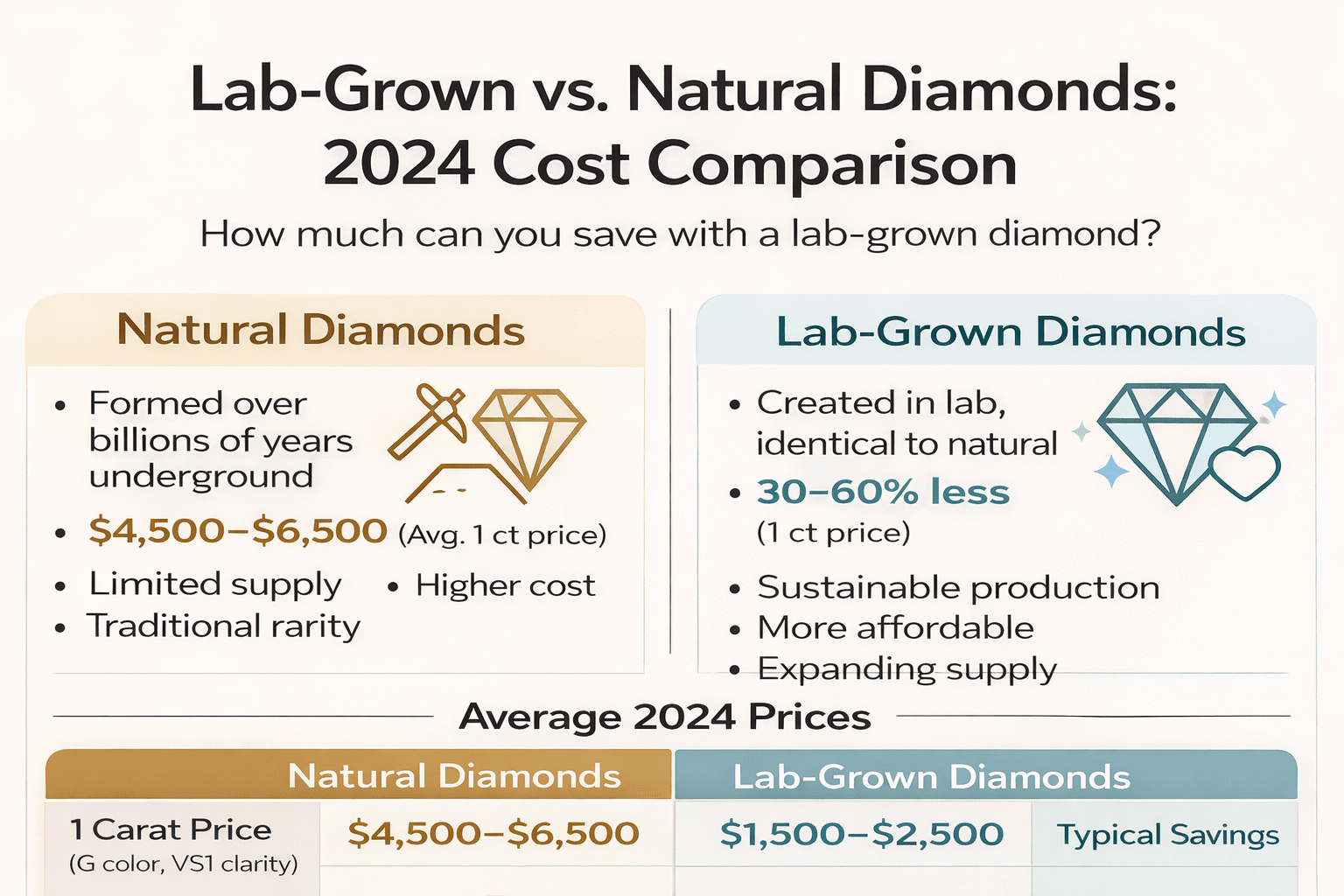
Ethical considerations matter. Lab-grown diamonds eliminate concerns about mining practices and environmental disruption, offering a transparent alternative for environmentally conscious buyers.
Here is a side-by-side comparison to clarify the main factors between traditional and lab-grown diamonds:
| Factor | Traditional Diamond | Lab-Grown Diamond |
|---|---|---|
| Price Range | Higher, premium cost | 30-50% less expensive |
| Environmental Impact | Mining requires resources | Produced with lower impact |
| Ethical Considerations | Potential mining concerns | Conflict-free by creation |
| Resale Value | Typically holds value better | Often lower resale demand |
Pro tip: Request certification documents for both traditional and lab-grown diamonds to ensure you understand their exact specifications and can make an informed comparison.
Step 5: Finalize your ring choice with confidence
Selecting your engagement ring is a momentous decision that combines emotional significance with careful financial planning. Confidently completing your ring purchase requires a strategic approach that balances personal preferences with practical considerations.
Ensure a confident final selection by reviewing these critical checkpoints:
- Verify diamond certification
- Confirm return and warranty policies
- Double-check ring size measurements
- Review total cost against budget
- Assess long-term wearability
Complete your selection process through these systematic steps:
- Request official grading documentation
- Examine ring from multiple angles
- Test comfort and fit
- Compare final price with initial budget
- Confirm emotional connection
Confidence comes from knowing you’ve made an informed, thoughtful choice.
The final selection process involves more than just aesthetic appeal. Consider how the ring represents your relationship, matches your partner’s style, and fits within your financial framework.
Emotional and practical alignment matters most. A ring should spark joy while remaining a responsible financial decision that doesn’t compromise your future financial health.
Pro tip: Always keep your purchase receipt and certification documents in a safe place, and consider getting the ring professionally appraised for insurance purposes.
Take Control of Your Engagement Ring Budget with Confidence
Planning the perfect engagement ring starts with knowing your budget and understanding your partner’s unique style preferences. This article highlights the importance of defining a realistic total budget and weighing options between traditional and lab-grown diamonds. Many shoppers face the challenge of balancing cost, quality, and ethical considerations while navigating complex diamond pricing and designs. With clear budgeting strategies and insight into the 4Cs of diamond selection, you can make a smart, heartfelt choice without financial stress.
At SuperJeweler, we specialize in helping you bring these thoughtful plans to life. Explore our wide range of engagement rings featuring customizable diamond shapes and settings, including beautiful and affordable lab-grown diamonds that deliver exceptional value and ethical peace of mind. Benefit from our transparent pricing, free worldwide shipping, and flexible warranty and return policies designed to protect your investment as you finalize your perfect ring.
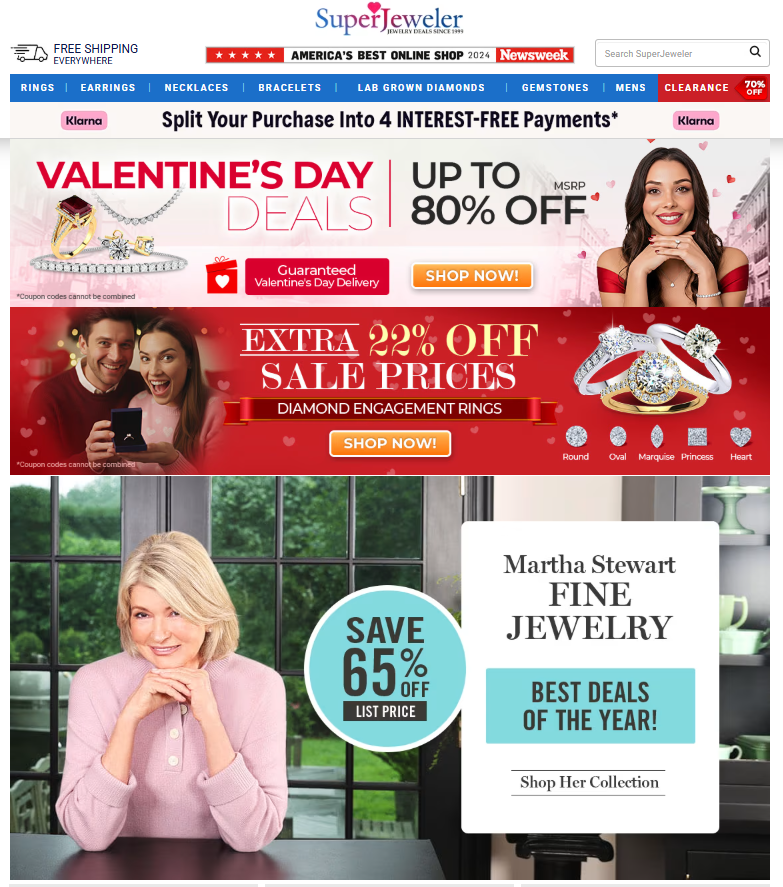
Discover a seamless shopping experience and find an engagement ring that matches your love story and budget today. Start exploring our collection at SuperJeweler.com and confidently take the next step toward a lifetime of happiness.
Frequently Asked Questions
How can I start defining my engagement ring budget?
Begin by assessing your current financial situation, including income, expenses, and savings. Create a comfortable budget range, aiming to allocate 10-15% of your annual income to the ring, and consider your future financial goals.
What factors should I consider when setting my engagement ring budget?
Consider your monthly income, regular expenses, savings, and any potential financing options. Aim to leave room in your budget for unexpected expenses, allowing for flexibility in your spending decisions.
How do I determine my partner’s ring preferences?
Pay attention to the jewelry your partner currently wears to identify their style. Discuss their metal preferences, design aesthetics, and typical jewelry size to better understand what they would enjoy.
What should I research about diamonds before making a purchase?
Focus on the key characteristics of diamonds, namely cut, clarity, color, and carat, which significantly affect pricing. Compare these attributes and their impact on final costs by visiting multiple retailers or platforms within a couple of weeks.
What’s the difference between traditional and lab-grown diamonds in terms of budgeting?
Lab-grown diamonds generally cost 30-50% less than traditional mined diamonds of similar quality, allowing for more value within your budget. Decide which aligns better with your values and budgetary constraints before making a final choice.
What should I double-check before finalizing my engagement ring purchase?
Verify diamond certification, return policies, and ring size measurements. Review the total cost to ensure it aligns with your budget, and confirm the ring’s comfort and fit before completing the transaction.
Recommended
- 7 Essential Engagement Ring Buying Tips for First-Time Couples
- 7 Step Wedding Ring Shopping Checklist for Couples
- How to Choose an Engagement Ring Step by Step Easily
- Rings | Incredible Engagement Ring At Unbeatable Prices From SuperJeweler
