Selecting wedding jewelry can feel overwhelming when you’re juggling venue bookings, guest lists, and a million other decisions. Without a clear plan, it’s easy to overlook important pieces or make rushed choices that don’t align with your vision. A structured checklist helps you navigate the process confidently, ensuring every piece reflects your style and fits your budget. This article presents a complete jewelry checklist tailored for engaged couples in 2026, covering everything from engagement rings to coordinating accessories, so you can make informed decisions without the stress.
Table of Contents
- Understanding The Criteria For Wedding Jewelry Selection
- Essential Pieces On Your Wedding Jewelry Checklist
- Comparing Popular Materials And Diamond Types For Your Wedding Jewelry
- Final Checklist And Decision-Making Tips For Your Wedding Jewelry
- Explore Your Ideal Wedding Jewelry Collection At SuperJeweler
- Frequently Asked Questions
Key takeaways
| Point | Details |
|---|---|
| Style over price | Wedding jewelry choices should prioritize matching your theme and personal taste rather than focusing solely on cost. |
| Lab-grown dominance | Lab-grown diamonds account for 61% of center stones in engagement rings under $8,000 in 2026. |
| Budget flexibility | Couples now allocate less than 2.5 months’ combined income toward rings, moving away from outdated spending rules. |
| Metal matters | Platinum remains premium but pricier, while gold, titanium, and tungsten offer diverse style and durability options. |
| Checklist confidence | A thorough jewelry checklist prevents surprises and helps you select pieces that enhance your wedding day. |
Understanding the criteria for wedding jewelry selection
Before you start browsing rings and bands, establish clear criteria to guide your decisions. Budget your jewelry realistically based on current spending trends rather than outdated formulas. 63% of couples now allocate less than 2.5 months’ combined income toward rings, shifting from the traditional two months’ salary rule. This flexibility lets you prioritize what matters most to you without financial strain.
Focus on matching jewelry style to your wedding theme and personal taste, not just price. A vintage-inspired ceremony calls for different pieces than a modern minimalist celebration. Consider how your jewelry will photograph and how comfortable it feels during a full day of wear. Metal type characteristics matter too: durability, look, and hypoallergenic factors all influence your daily experience with these pieces.
Understand the pros and cons of natural versus lab-grown diamonds. Lab-grown options offer identical visual quality at lower price points, making them increasingly popular for budget-conscious couples. Natural diamonds carry traditional appeal and potential investment value, but expensive jewelry isn’t always the best choice when quality and design alignment matter more.
A clear criteria framework prevents confusion and overspending. Start by listing your must-haves versus nice-to-haves. Determine which features are non-negotiable, whether that’s a specific metal type, diamond size, or design element. This approach keeps you focused when faced with countless options.
Pro Tip: Create a shared Pinterest board or digital folder with your partner to collect inspiration images before shopping. This visual reference helps jewelers understand your style preferences and ensures you’re both aligned on the overall aesthetic.
“The best wedding jewelry reflects your personal story and complements your celebration, not someone else’s expectations or arbitrary spending rules.”
Key criteria to evaluate:
- Budget range based on your combined financial comfort level
- Metal preferences considering skin tone, durability needs, and maintenance
- Diamond type and size that balances visual impact with cost
- Style compatibility with your wedding theme and daily wear plans
- Timeline for purchasing, resizing, and any custom work needed
For comprehensive guidance on selecting the perfect bands, explore our wedding ring selection guide to understand how different styles complement various hand shapes and personal preferences.
Essential pieces on your wedding jewelry checklist
Your engagement ring serves as the focal jewelry piece and sets the tone for your entire collection. The average engagement ring costs $6,840 in 2026, with a median of $5,290, but your budget should reflect your financial reality rather than industry averages. Consider center stone size, setting style, and metal type when making this significant purchase.
Wedding bands for both partners deserve careful attention. These daily-wear pieces should complement your engagement ring while standing beautifully on their own. Metal and style options range from classic yellow gold to contemporary mixed metals, each offering distinct visual appeal and durability characteristics. Browse wedding bands to see how different widths, finishes, and details create unique looks.
Complementary jewelry such as earrings, necklaces, and cufflinks complete your wedding day aesthetic. Brides often select earrings that frame their face without competing with their gown’s neckline. Necklaces work best when they enhance rather than overwhelm your dress design. Grooms might choose cufflinks, tie clips, or watches that add subtle sophistication.
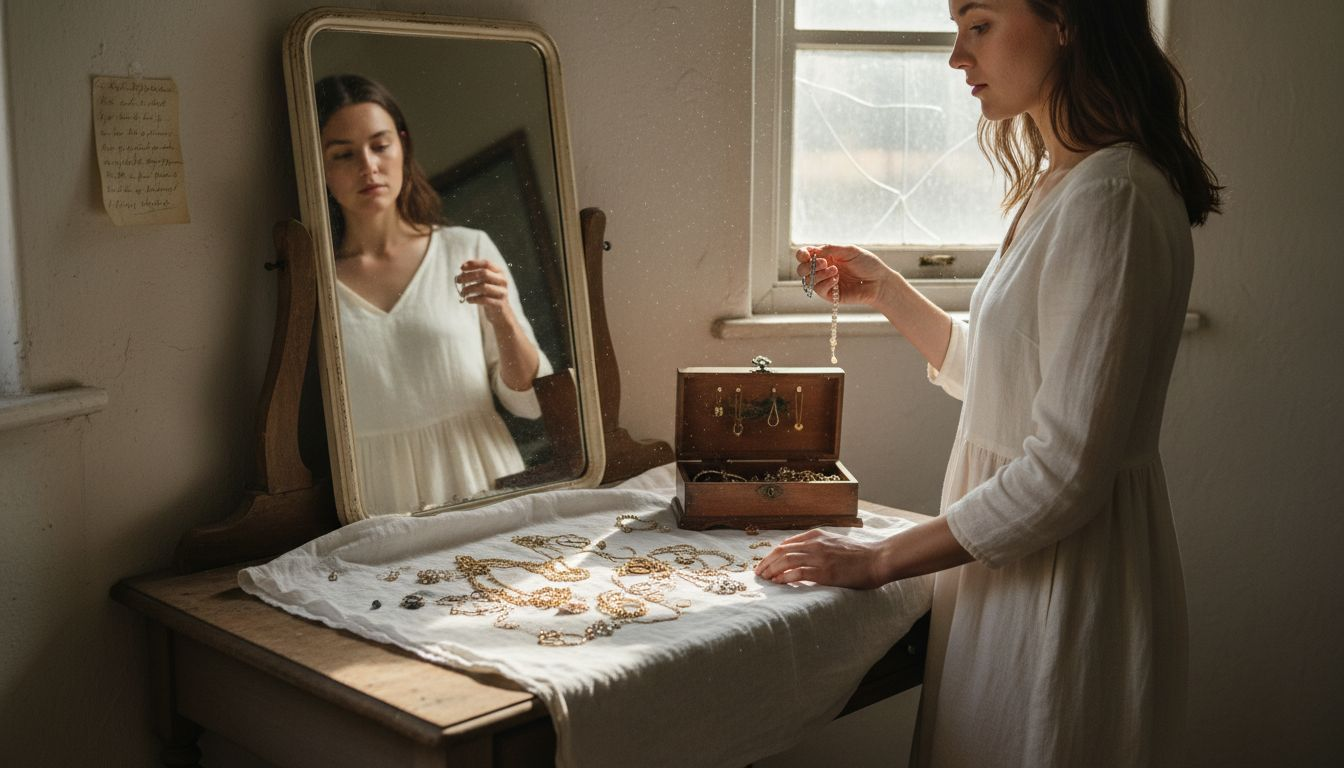
Personalized or birthstone items add meaningful touches to your collection. Engraved messages inside wedding bands, family birthstones in custom designs, or heirloom pieces incorporated into new settings create sentimental value beyond monetary worth. These details make your jewelry uniquely yours.
Consideration of heirloom or custom designs brings uniqueness to your selections. Redesigning a family ring or creating something entirely new lets you honor traditions while expressing your individual style. Custom work typically requires additional lead time, so factor this into your planning timeline.
Pro Tip: If you’re incorporating heirloom pieces, have them professionally cleaned and inspected by a jeweler at least three months before your wedding to address any needed repairs or modifications.
Core checklist items:
- Engagement ring with appropriate insurance coverage
- Matching or coordinating wedding bands for both partners
- Bridal earrings sized appropriately for your hairstyle
- Optional necklace or bracelet that complements without overwhelming
- Groom’s accessories like cufflinks, tie bar, or watch
- Ring boxes or holders for the ceremony
- Cleaning supplies and storage solutions for long-term care
Comparing popular materials and diamond types for your wedding jewelry
Gold remains a classic choice available in yellow, white, and rose variations. Yellow gold offers warm, traditional appeal and requires minimal maintenance. White gold provides a contemporary platinum-like appearance at lower cost but needs periodic re-plating. Rose gold delivers romantic, vintage-inspired color that complements many skin tones. All gold options come in various karats, with 14K offering the best balance of durability and purity for daily wear.
Platinum remains the premium choice at $1,800 to $3,200 for a standard band. This naturally white metal never fades or tarnishes and suits sensitive skin perfectly. Its density makes it extremely durable but also heavier on your finger. The higher price point reflects both material cost and the specialized skills required for platinum work.
Titanium and tungsten provide modern, affordable, and durable alternatives. Titanium weighs remarkably little while resisting scratches and corrosion exceptionally well. Tungsten offers incredible hardness and maintains its polish permanently but cannot be resized. Both metals suit active lifestyles and contemporary aesthetics at fraction of precious metal costs.
Lab-grown diamonds now account for 61% of all center stones in engagement rings under $8,000. These diamonds possess identical physical and optical properties to natural stones but typically cost 30% to 40% less. They offer conflict-free sourcing and reduced environmental impact, appealing to ethically conscious couples. Visual quality matches natural diamonds grade for grade.
Natural diamonds carry traditional prestige and potential long-term value retention. Their rarity and billions of years of formation create romantic appeal for many couples. However, price premiums for natural stones mean smaller carat weights at equivalent budgets compared to lab-grown options.
| Material | Price Range | Durability | Maintenance | Best For |
|---|---|---|---|---|
| Yellow Gold | $800 to $2,000 | Good | Low | Traditional, warm aesthetic |
| White Gold | $900 to $2,200 | Good | Medium (re-plating) | Contemporary platinum look |
| Platinum | $1,800 to $3,200 | Excellent | Low | Premium, hypoallergenic |
| Titanium | $200 to $600 | Excellent | Very low | Active lifestyle, modern |
| Tungsten | $150 to $400 | Exceptional | None | Budget-conscious, scratch resistance |
Pro Tip: Request to see lab-grown and natural diamonds side by side under identical lighting conditions. You’ll quickly realize the visual differences are imperceptible, helping you make a confident, budget-friendly choice.
How metal and diamond selection impacts overall budget and style becomes clear when you compare total costs. A platinum band with a natural diamond center stone might cost double what you’d pay for white gold with a lab-grown diamond of identical appearance. Consider whether that premium aligns with your priorities or if reallocating funds to your honeymoon or home makes more sense.
Explore lab-grown diamond engagement rings to see current styles and pricing, or browse wedding bands options to compare metal types in person. Review 2026 ring materials and prices for detailed cost breakdowns across categories.
Final checklist and decision-making tips for your wedding jewelry
Follow this step-by-step checklist to streamline your jewelry shopping. First, establish your total jewelry budget and divide it among engagement ring, wedding bands, and accessories. Second, research styles that complement your wedding theme and personal aesthetic. Third, visit jewelers or browse online collections to compare options within your budget range. Fourth, narrow selections to your top three choices in each category. Fifth, make purchases with enough lead time for sizing, customization, and shipping.
Align jewelry with your wedding theme and personal style by considering the overall mood you’re creating. A beach ceremony calls for different pieces than a formal ballroom reception. Your jewelry should feel like a natural extension of your personality rather than a costume you’re wearing for one day. Choose pieces you’ll genuinely want to wear long after the wedding.
Set realistic budgets and know when to prioritize quality over quantity. Expensive jewelry isn’t always the best choice when design and quality matter more than price tags. A well-crafted piece at a moderate price point often outperforms a poorly made expensive item. Focus on craftsmanship, metal purity, and diamond grading rather than brand names.
Common mistakes to avoid in jewelry shopping:
- Buying rings too close to the wedding date without time for adjustments
- Choosing trendy designs you might not love in five years
- Ignoring metal allergies or skin sensitivities before purchasing
- Failing to get proper insurance coverage for valuable pieces
- Skipping professional sizing in favor of online ring sizers
- Overlooking return policies and warranty terms before buying
Suggestions for timing purchases and coordinating with your wedding timeline include buying your engagement ring soon after the proposal to allow for any needed modifications. Purchase wedding bands one to two months before your ceremony to ensure availability and proper sizing. Order accessories at least six weeks out to accommodate shipping delays or customization requests.
“The jewelry you choose becomes part of your love story, so select pieces that feel authentic to who you are as a couple, not what tradition dictates you should want.”
For detailed guidance on band selection specifically, read our how to select a wedding band guide for expert tips on matching styles and ensuring long-term satisfaction.
Explore your ideal wedding jewelry collection at SuperJeweler
Now that you understand what to look for in wedding jewelry, finding the perfect pieces becomes much simpler. SuperJeweler offers an extensive selection of budget-friendly and premium rings designed to fit every couple’s unique style and financial plan. Whether you’re drawn to classic solitaires or contemporary halo settings, you’ll find options that check every box on your checklist.
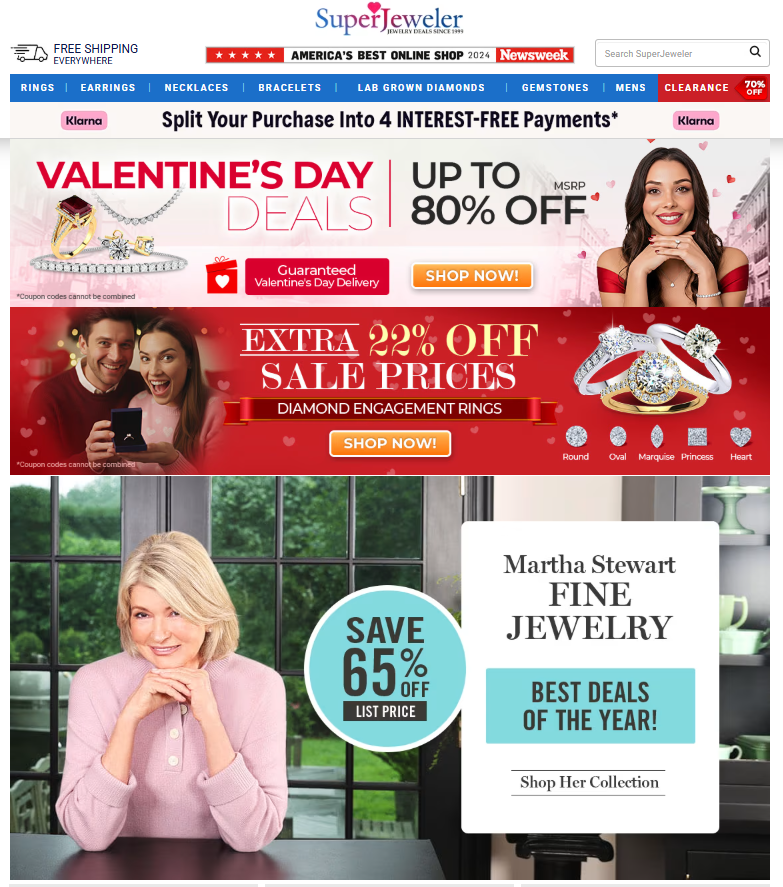
Discover cheap engagement rings under $1,000 that don’t compromise on quality or beauty. Explore lab-grown diamond engagement rings reflecting the current trend toward ethical, affordable luxury. Shop coordinating wedding bands to create a cohesive look that you’ll love wearing every day. Expert customer support helps you navigate choices and find pieces that truly represent your commitment and style.
Frequently asked questions
What should be included in a wedding jewelry checklist?
Your core checklist should include engagement rings, wedding bands for both partners, and coordinating accessories like earrings or cufflinks. Personalized jewelry pieces such as engraved bands or birthstone accents add sentimental value to your wedding day. Don’t forget practical items like ring boxes for the ceremony and insurance documentation for valuable pieces.
How do lab-grown diamonds compare to natural diamonds for weddings?
Lab-grown diamonds look identical to natural ones under any viewing condition but typically cost 30% to 40% less. They have become the majority choice in center stones under $8,000, offering the same brilliance and durability. Ethical and environmental benefits attract couples who prioritize sustainability without sacrificing beauty. Explore lab-grown diamond engagement rings to see quality options at various price points.
What metals are best for wedding bands considering durability and style?
Platinum delivers premium durability and hypoallergenic properties but comes at a higher price point of $1,800 to $3,200 for standard bands. Gold offers classic appeal in yellow, white, and rose variations with good durability at moderate cost. Titanium and tungsten provide modern, affordable alternatives with exceptional scratch resistance for active lifestyles. Browse wedding bands selection to compare metals in various styles and finishes.
When should you buy wedding jewelry during your planning timeline?
Purchase your engagement ring soon after your proposal to allow time for resizing, customization, or any design modifications you want. Plan to buy wedding bands one to two months before your wedding date to ensure proper sizing and availability. Allow extra time for shipping, engraving services, and any unforeseen delays, especially if ordering custom pieces or during peak wedding season.
How much should couples realistically budget for wedding jewelry in 2026?
Budget based on your combined financial comfort rather than outdated salary formulas. Most couples now spend less than 2.5 months’ combined income on rings, with average engagement rings costing $6,840 and medians at $5,290. Prioritize quality and design alignment over hitting specific price targets, and remember that lab-grown diamonds and alternative metals offer significant savings without compromising appearance.
Recommended
- Wedding Ring Checklist 2026: 60% Spend $1,000-$2,500 Wisely
- Wedding band buying workflow: your 2026 step-by-step guide
- 7 Steps to the Perfect Wedding Ring Selection Checklist
- How to customize your wedding band affordably in 2026
