Choosing the perfect wedding band should be exciting, not overwhelming. Yet many couples find themselves lost in endless options, unsure how to balance quality, style, and budget. Whether you’re drawn to classic gold bands or modern customized designs, the buying process can feel complicated without a clear roadmap. This guide breaks down the entire workflow into simple, actionable steps that help you make confident decisions. You’ll learn how to prepare, select, customize, and verify your wedding band purchase while avoiding common pitfalls that lead to buyer’s regret.
Table of Contents
- Prepare For Your Wedding Band Purchase
- Step-By-Step Wedding Band Selection And Customization Workflow
- Common Pitfalls And How To Avoid Them In Wedding Band Buying
- Verifying Your Wedding Band Choice And Completing The Purchase
- Explore Wedding Bands At SuperJeweler For Quality And Value
Key takeaways
| Point | Details |
|---|---|
| Preparation matters | Setting your budget and understanding metal options before shopping saves time and reduces stress |
| Follow the workflow | A step-by-step approach to selection, customization, and verification ensures you don’t miss critical decisions |
| Avoid common mistakes | Knowing typical pitfalls like overspending or ignoring comfort helps you shop smarter |
| Verify before buying | Final checks on fit, quality, and warranties prevent returns and enhance satisfaction |
| Customization adds value | Simple personalization creates meaningful rings without breaking your budget |
Prepare for your wedding band purchase
Before you start browsing wedding bands, solid preparation makes the entire process smoother and more enjoyable. Setting a realistic budget and knowing your style preferences reduces stress during what should be an exciting milestone. Start by determining how much you can comfortably spend without stretching your finances. This number becomes your anchor, guiding every decision that follows.
Next, explore different metal options to understand what fits your lifestyle and aesthetic. Gold comes in yellow, white, and rose varieties, each offering distinct warmth and character. Platinum delivers exceptional durability and a naturally white sheen that never fades. Tungsten provides scratch resistance perfect for active hands, while titanium offers lightweight comfort. Each metal carries different price points and maintenance requirements, so research which aligns with your daily activities.
Consider practical factors beyond appearance. Ring width affects both comfort and visual impact, wider bands make bolder statements but may feel unfamiliar if you’ve never worn rings. Think about your work environment and hobbies. Do you use your hands heavily? Will the ring encounter chemicals or rough surfaces? These lifestyle considerations help narrow your choices to metals and styles that last.
Pro Tip: Measure your ring size at different times of day, as fingers swell slightly in heat or after exercise. Visit a jeweler for professional sizing or use a printable ring sizer at home, measuring three times to ensure accuracy and avoid costly resizing later.
Understanding your preferences before shopping prevents decision paralysis. Create a simple list noting your must-haves versus nice-to-haves. Maybe you love the idea of engraving but can compromise on diamond accents. Perhaps metal color matters more than intricate detailing. This clarity transforms browsing from overwhelming to purposeful, letting you evaluate options against concrete criteria rather than gut feelings alone.
Step-by-step wedding band selection and customization workflow
Once you’ve completed your preparation, follow this structured workflow to select and customize your ideal wedding band. Breaking the process into clear steps prevents overwhelm and ensures you evaluate every important factor.
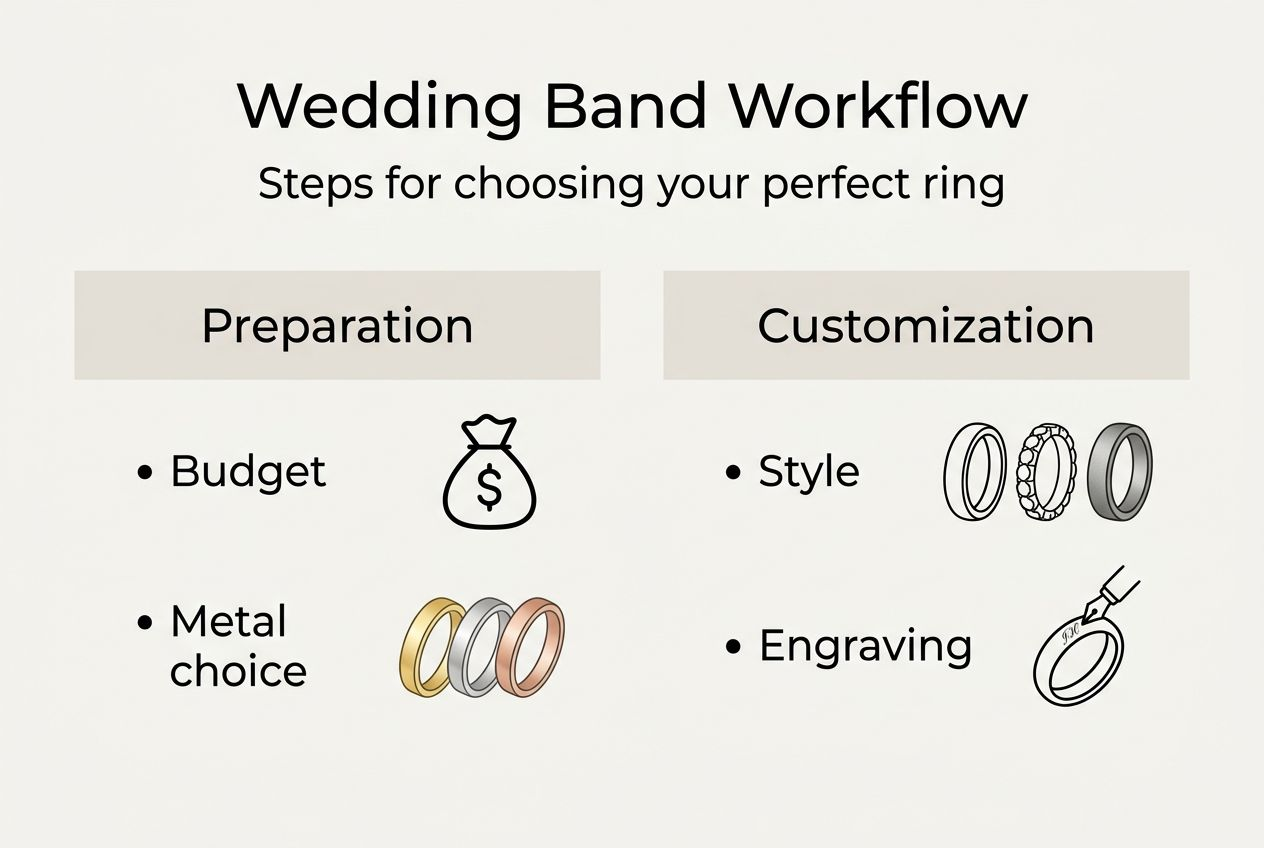
Step one involves exploring style categories to identify what resonates with you. Classic bands feature simple, timeless designs with smooth or subtly textured finishes that never go out of fashion. Modern styles incorporate clean lines, mixed metals, or geometric patterns for contemporary appeal. Vintage-inspired bands showcase intricate milgrain detailing, filigree work, or antique finishes that evoke romantic eras. Browse each category to see which speaks to your personal taste and complements your engagement ring if applicable.
Step two requires understanding material options in depth. Beyond basic metal choices, consider gemstone accents that add sparkle without excessive cost. Lab-grown diamonds offer ethical, affordable brilliance identical to mined stones. Alternative gemstones like sapphires or moissanite provide colorful or budget-friendly options. Compare how different materials affect both appearance and price, noting that platinum costs more than gold but requires less maintenance over decades of wear.
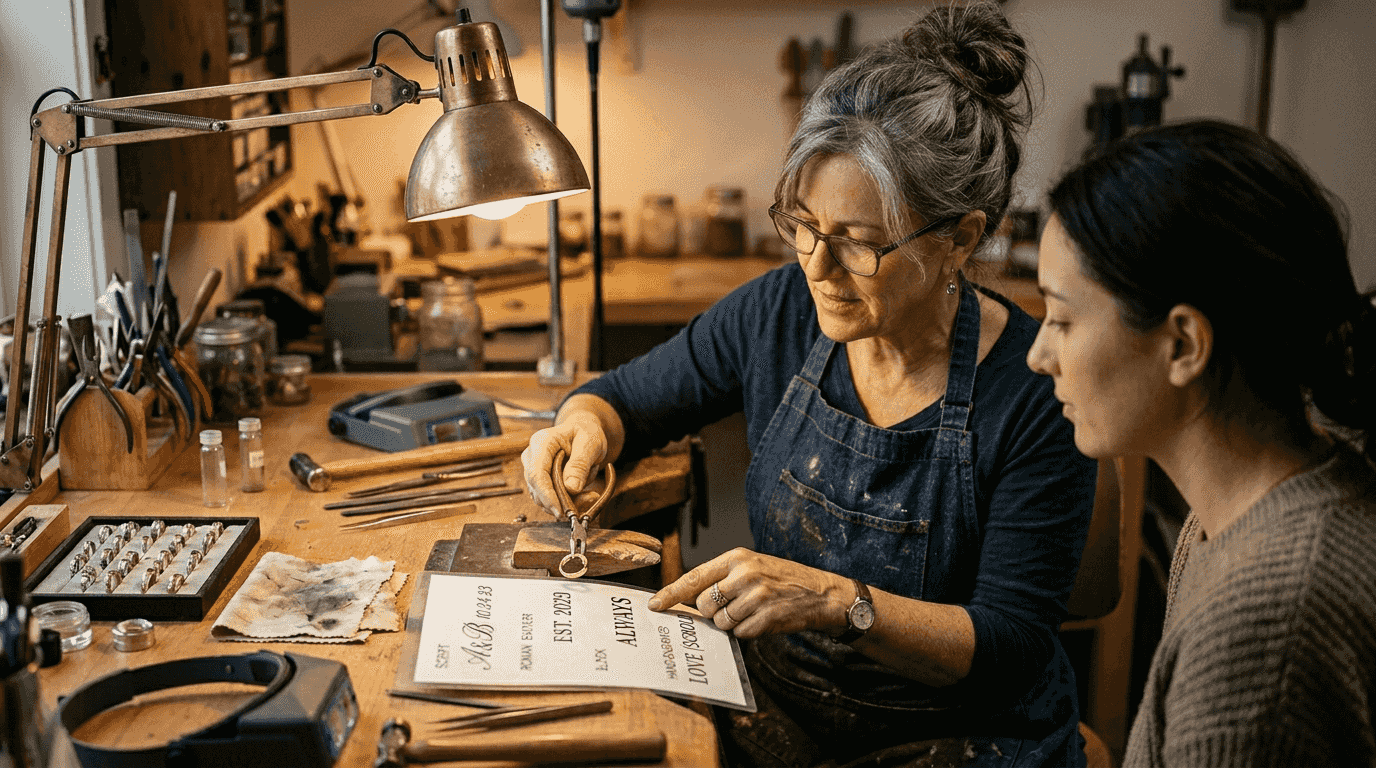
Step three opens up customization possibilities that make your ring uniquely yours. Engraving adds personal messages, dates, or symbols inside the band where only you see them. Inlays incorporate contrasting metals or materials like wood or carbon fiber for distinctive visual interest. Finish options range from high polish to brushed, hammered, or matte surfaces, each creating different light interactions and hiding scratches differently. Select one or two custom features that matter most rather than overloading your design.
Step four involves comparing options systematically. Use this table to evaluate common metals:
| Metal | Durability | Maintenance | Price Range | Best For |
|---|---|---|---|---|
| Yellow Gold | Moderate | Regular polishing | Medium | Classic, warm tones |
| White Gold | Moderate | Rhodium replating | Medium | Modern, bright finish |
| Platinum | Excellent | Minimal | High | Lasting investment |
| Tungsten | Very High | None needed | Low | Active lifestyles |
| Titanium | High | Minimal | Low | Lightweight comfort |
Pro Tip: Prioritize durability if you work with your hands daily or play sports regularly. Softer metals like gold develop patina and scratches that some find charming, while harder metals like tungsten maintain their original appearance but can’t be resized later if your finger size changes.
Review your selections against your budget and preferences list. Does your favorite style fit within your spending limit? Can you achieve your desired look with minor adjustments? This systematic approach prevents impulse purchases while ensuring your final choice checks every important box. Take time comparing options side by side, either through online galleries or in-store visits, noting how different bands feel on your finger and look in various lighting conditions.
Common pitfalls and how to avoid them in wedding band buying
Even with careful planning, couples often encounter predictable challenges during the wedding band buying process. Understanding these pitfalls helps you navigate around them confidently.
The most frequent mistake is overspending beyond your initial budget. Many couples overspend due to lack of clear budget or succumb to unnecessary customization costs once they start shopping. Combat this by treating your budget as non-negotiable. If you fall in love with a ring above your range, identify which features drive the cost and explore alternatives. Perhaps a slightly narrower width or simpler finish achieves a similar look at your target price.
Ignoring comfort and fit creates daily frustration long after the wedding excitement fades. Some couples prioritize appearance over wearability, choosing rings that pinch, catch on clothing, or feel heavy during normal activities. Always try bands on for extended periods if possible. Walk around, move your hands naturally, and notice any discomfort. A beautiful ring that annoys you daily becomes a poor investment regardless of its aesthetic appeal.
Another common error involves chasing trends rather than selecting timeless designs. What looks cutting-edge today may feel dated in five or ten years. While personal style matters, consider whether your chosen design reflects enduring preferences or temporary fashion. Mixing trendy elements with classic foundations often provides the best balance, letting you express current tastes while maintaining long-term appeal.
Overlooking metal durability and maintenance requirements leads to disappointment when rings don’t perform as expected. Each metal demands different care levels. Gold needs periodic polishing and may require prong tightening if it holds stones. White gold requires rhodium replating every few years to maintain its bright finish. Platinum develops a patina some love and others dislike. Research these realities before committing to ensure you’re prepared for ongoing maintenance.
“The best wedding band balances personal meaning with practical wearability. Choose something that tells your story but also fits seamlessly into your daily life without constant worry or adjustment.”
Pro Tip: Always ask about warranty coverage and return policies before purchasing. Reputable jewelers stand behind their products with guarantees covering manufacturing defects and offering reasonable return windows. Understanding these protections upfront prevents unpleasant surprises if issues arise after your purchase.
Finally, rushing the decision under time pressure compromises thoughtful selection. Wedding planning creates numerous deadlines, but your rings deserve adequate consideration. Start shopping at least three months before your wedding to allow time for customization, sizing adjustments, and any unexpected delays. This buffer eliminates panic purchases and ensures you’re genuinely satisfied with your choice rather than settling for whatever’s available.
Verifying your wedding band choice and completing the purchase
Before finalizing your wedding band purchase, thorough verification ensures you receive exactly what you expect and avoid post-purchase regrets. This final workflow stage protects your investment and confirms your satisfaction.
Start with a comprehensive fit confirmation. Even if you measured your finger during preparation, verify sizing one more time before ordering. Careful verification before purchase reduces returns and enhances satisfaction significantly. Fingers change size with temperature, time of day, and even seasonal variations. Measure again under conditions similar to when you’ll typically wear the ring. If ordering online, many retailers offer free ring sizers or sizing kits to ensure accuracy before committing.
Inspect craftsmanship details carefully, whether shopping in person or reviewing product specifications online. Examine how smoothly the band’s interior curves against your skin, checking for any rough spots or uneven edges that could cause irritation. If your ring includes gemstones, verify they’re securely set with no movement when gently pressed. Check that any engraving appears crisp and correctly spelled, as errors here require complete remakes.
Compare warranty and guarantee terms across vendors if you’re considering multiple retailers. Quality jewelers offer protection covering manufacturing defects, stone loss, and sometimes even sizing adjustments within specified timeframes. Read the fine print to understand what’s included, what’s excluded, and how long coverage lasts. Some warranties require periodic inspections to remain valid, so factor this maintenance into your decision.
Use this verification checklist before completing your purchase:
| Verification Step | What to Check | Why It Matters |
|---|---|---|
| Ring Size | Measure multiple times, different conditions | Prevents costly resizing or discomfort |
| Metal Quality | Confirm purity stamps and certifications | Ensures you receive advertised materials |
| Gemstone Security | Test settings for movement | Prevents stone loss after purchase |
| Engraving Accuracy | Verify spelling and placement | Corrections require complete remakes |
| Warranty Terms | Understand coverage and requirements | Protects your investment long-term |
| Return Policy | Know timeframe and conditions | Provides safety net if issues arise |
Follow these numbered steps to complete your purchase confidently:
- Review all specifications one final time, confirming metal type, size, finish, and any customizations match your order exactly.
- Understand the expected timeline for delivery or pickup, especially if customization extends production time.
- Ask about care instructions specific to your chosen metal and design, noting any special cleaning requirements or restrictions.
- Obtain documentation including receipts, certificates of authenticity for gemstones, and warranty paperwork for your records.
- Schedule a follow-up inspection if offered, typically recommended six months after purchase to check settings and overall condition.
After receiving your ring, try it on immediately and wear it around your home for a day before the return window closes. This real-world testing reveals any comfort issues or unexpected concerns while you still have options. Pay attention to how it feels during normal activities like typing, cooking, or exercising. If anything feels off, contact the retailer promptly to discuss adjustments or alternatives.
Prepare for post-purchase care by establishing a cleaning routine appropriate for your metal type. Gold and platinum benefit from gentle soap and water cleaning, while some metals require professional maintenance. Store your ring safely when not wearing it, especially during activities that could damage it. Regular inspections, either self-performed or through jeweler check-ups, catch potential issues before they become serious problems.
Explore wedding bands at SuperJeweler for quality and value
Now that you understand the complete workflow for buying wedding bands, you’re ready to explore options that combine quality craftsmanship with accessible pricing. SuperJeweler offers an extensive wedding bands collection featuring classic and contemporary styles in every metal type discussed throughout this guide. Whether you prefer simple elegance or intricate detailing, you’ll find designs that match your vision and budget.
The selection includes diamond wedding bands with both traditional and lab-grown stones, giving you ethical and affordable options without compromising brilliance. Customization services let you add personal touches like engraving or unique finishes, creating rings that tell your unique story. Each piece comes backed by quality guarantees and customer support to ensure your satisfaction. Explore personalized jewelry options to complement your wedding bands with matching pieces that celebrate your commitment.
What is the best metal for wedding bands?
What is the best metal for wedding bands?
The best metal depends on your lifestyle and aesthetic preferences. Gold offers timeless appeal in yellow, white, or rose tones and suits most skin types beautifully. Platinum provides exceptional durability and maintains its white color naturally without replating needs. Tungsten delivers maximum scratch resistance for active individuals who need worry-free wear. Consider your daily activities and how much maintenance you’re willing to perform when choosing your metal.
How can I customize my wedding band without overspending?
Focus on one or two meaningful customizations rather than adding every available option. Simple engraving adds personal significance at minimal cost, while subtle inlays or finish changes create visual interest without dramatic price increases. Prioritize customizations you’ll see and appreciate daily, skipping decorative elements that inflate costs without adding personal value. Many retailers offer package deals combining popular custom features at discounted rates.
What should I consider when choosing the right ring size?
Measure your finger at different times throughout the day, as size fluctuates with temperature and activity level. Late afternoon typically provides the most accurate measurement when fingers are slightly swollen from daily use. Consider comfort fit bands with rounded interior edges, which feel more comfortable during extended wear and accommodate slight size variations better than flat interior designs. If between sizes, choose the larger option for comfort, especially with wider bands that fit more snugly.
Can I return or exchange my wedding band if it doesn’t fit?
Most reputable jewelers offer return or exchange windows, typically ranging from 30 to 90 days after purchase. Review the specific policy before buying, noting any conditions like unworn status or original packaging requirements. Some retailers provide free resizing within the first year, while others charge fees for size adjustments. Understanding these terms upfront helps you shop confidently, knowing you have options if the fit isn’t perfect after your wedding day.
How do I maintain my wedding band’s appearance over time?
Maintenance requirements vary by metal type. Gold benefits from periodic professional polishing to remove scratches and restore shine, while platinum develops a natural patina many find appealing. Remove your ring during activities involving harsh chemicals, heavy lifting, or potential impact. Clean it regularly with appropriate methods for your specific metal, typically involving mild soap and warm water. Schedule annual inspections with a jeweler to check for loose stones, worn prongs, or other issues requiring attention before they become serious problems.
Recommended
- How to customize your wedding band affordably in 2026
- How to Select a Wedding Band for Your Perfect Match
- Wedding Ring Selection Guide for Perfect Bands
- Wedding Ring Checklist 2026: 60% Spend $1,000-$2,500 Wisely
