More than 60 percent of American millennials now prefer lab-grown diamonds for their engagement rings, drawn by their ethical sourcing and affordability. As couples everywhere search for jewelry that aligns with their values, the facts and myths about lab-grown diamonds become increasingly important. This guide explains how these diamonds are made, why they offer real brilliance, and how their environmental and social impact sets them apart from traditional options.
Table of Contents
- Defining Lab-Grown Diamonds And Common Myths
- Key Types And Creation Methods Explained
- Physical Properties And Quality Standards
- Environmental And Ethical Impact
- Cost Comparison And Value Considerations
- Lab-Grown Versus Natural Diamonds
Key Takeaways
| Point | Details |
|---|---|
| Lab-Grown Diamonds Are Real Diamonds | Lab-grown diamonds possess identical physical, chemical, and optical properties as mined diamonds, making them indistinguishable without specialized equipment. |
| Cost-Effective Alternative | Lab-grown diamonds are typically priced 30-50% less than natural diamonds, offering consumers an economically attractive option without compromising quality. |
| Environmental and Ethical Benefits | The production of lab-grown diamonds has a significantly reduced environmental footprint and eliminates ethical concerns associated with traditional mining. |
| Consistent Quality Standards | Lab-grown diamonds are graded using the same criteria as natural diamonds, ensuring they meet rigorous quality standards across the board. |
Defining Lab-Grown Diamonds And Common Myths
Lab-grown diamonds represent an innovative approach to creating precious gemstones through advanced technological processes. Unlike traditional mining methods, these diamonds are crafted in controlled laboratory environments that precisely replicate the natural diamond formation conditions. Lab-grown diamonds share identical physical, chemical, and optical properties with mined diamonds, making them indistinguishable to the naked eye.
The two primary manufacturing techniques for creating these diamonds are High Pressure High Temperature (HPHT) and Chemical Vapor Deposition (CVD). These sophisticated methods allow scientists to produce diamonds that are chemically and structurally equivalent to natural stones. Advanced analytical testing is required to differentiate lab-grown diamonds from mined diamonds, highlighting their remarkable similarity to naturally occurring gems.
Common myths surrounding lab-grown diamonds often stem from misunderstandings about their quality and authenticity. Many consumers mistakenly believe these diamonds are fake or inferior, when in reality they are real diamonds created through precise scientific processes. They are graded using the same 4Cs system as natural diamonds – cut, color, clarity, and carat weight – and offer identical brilliance and durability.
Pro tip: When purchasing a lab-grown diamond, always request a detailed certification from a recognized gemological institute to verify its quality and characteristics.
Key Types And Creation Methods Explained
Lab-grown diamonds are created through two primary technological processes: High Pressure High Temperature (HPHT) and Chemical Vapor Deposition (CVD), each representing a sophisticated approach to diamond synthesis. These advanced manufacturing techniques simulate the natural diamond formation conditions with remarkable precision, enabling scientists to produce gems that are chemically and structurally identical to mined diamonds.
The HPHT method recreates the extreme environmental conditions found deep within the Earth’s mantle, applying intense pressure and temperature to transform carbon into diamond. This technique often involves metal catalysts that can introduce subtle color variations, creating unique gemstone characteristics. By contrast, the CVD process builds diamonds layer by layer using carbon-containing gases decomposed under carefully controlled laboratory conditions, allowing for even more precise crystal development.
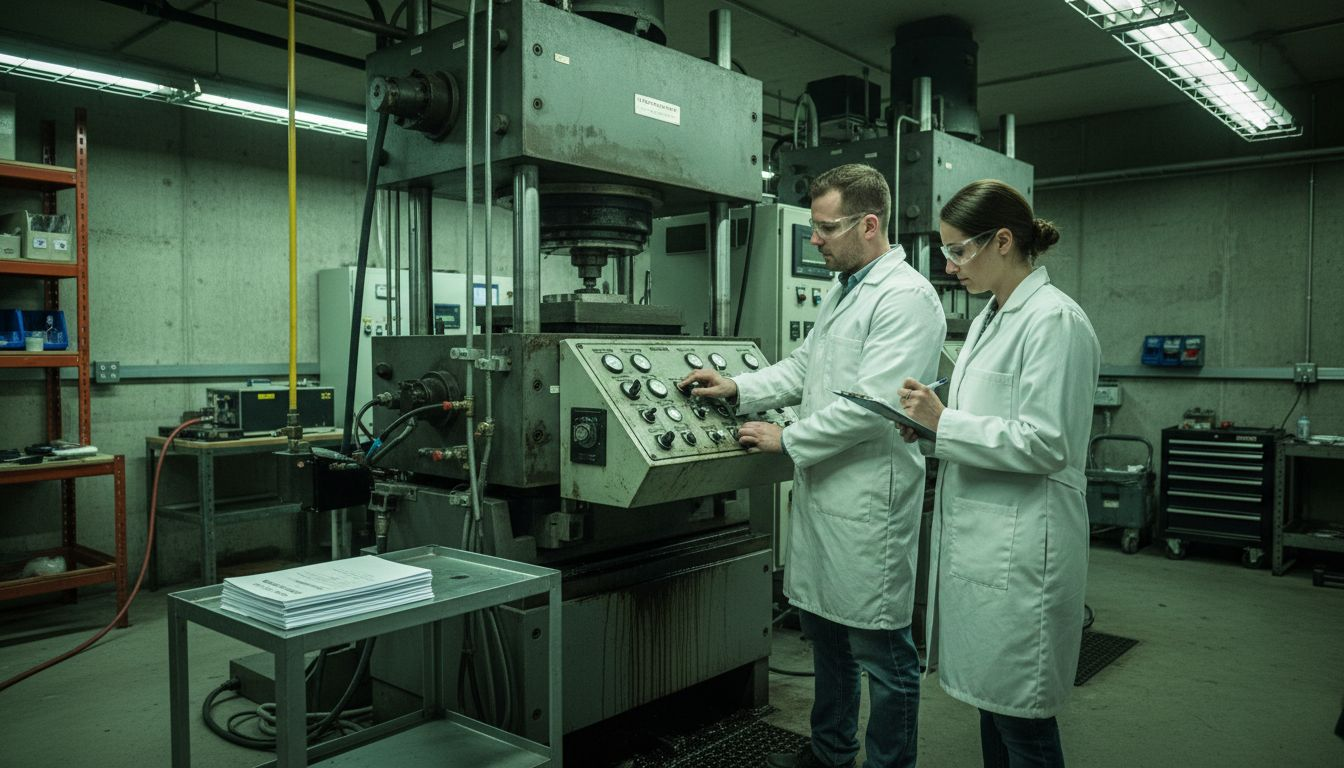
Each creation method offers distinct advantages and produces slightly different diamond characteristics. HPHT diamonds typically form more quickly and can be more cost-effective, while CVD diamonds provide greater control over the growth environment and can potentially produce larger, more uniform stones. Both methods result in diamonds that are chemically, physically, and optically equivalent to natural diamonds, challenging even expert gemologists to distinguish them without advanced analytical equipment.
Here is a comparison of HPHT and CVD lab-grown diamond creation methods:
| Aspect | HPHT Method | CVD Method |
|---|---|---|
| Growth Environment | High pressure and temperature | Low pressure, carbon-rich gases |
| Typical Production | Faster, smaller stones | Slower, larger stones possible |
| Color Variations | More likely, metal catalyst effect | Very precise color control |
| Cost Effectiveness | Generally lower upfront cost | More energy-efficient scaling |
| Common Applications | Industrial and jewelry use | Jewelry-focused, larger stones |
Pro tip: Request a detailed growth method report alongside your diamond certification to understand the specific technological process used in creating your lab-grown diamond.
Physical Properties And Quality Standards
Lab-grown diamonds are evaluated using the same rigorous quality standards as natural diamonds, with global trade guidelines establishing comprehensive grading criteria that ensure consumer confidence and transparency. The 4Cs – cut, color, clarity, and carat weight – remain the fundamental benchmarks for assessing diamond quality, regardless of origin. These precise evaluation metrics guarantee that lab-grown diamonds meet the same exacting standards applied to mined stones.
At the molecular level, lab-grown diamonds demonstrate identical physical characteristics to natural diamonds. They share a remarkable hardness rating of 10 on the Mohs scale, possess the same refractive index, and exhibit equivalent thermal conductivity. Advanced gemological research confirms that these stones are chemically and optically indistinguishable from natural diamonds without specialized analytical equipment, highlighting the technological sophistication of modern diamond synthesis.
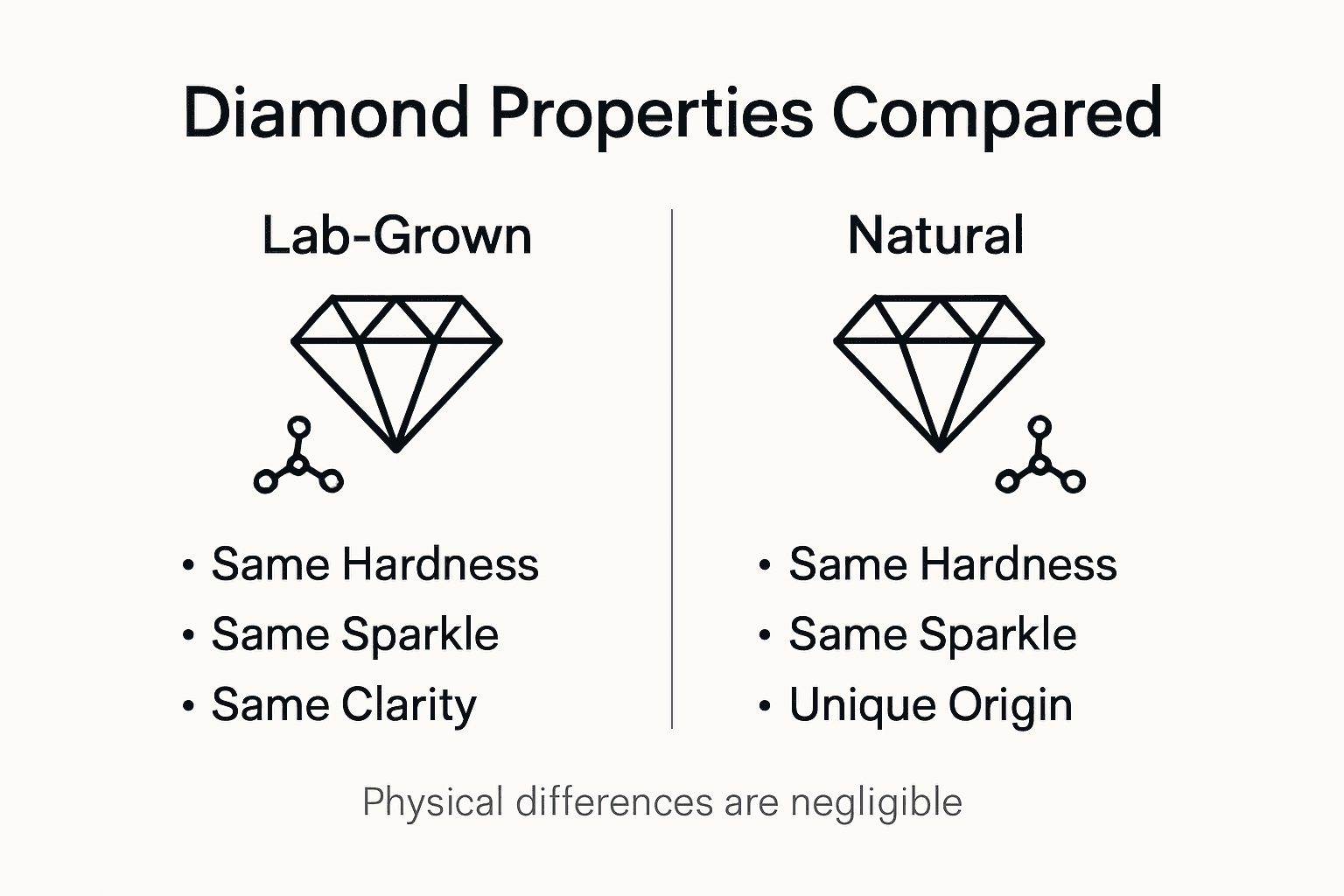
Quality variations in lab-grown diamonds typically emerge from the specific growth processes and post-production treatments. Most lab-created diamonds submitted for grading are colorless to near-colorless, with high clarity ratings. The type II classification, which indicates minimal nitrogen impurities, is particularly common among lab-grown stones. Certification from recognized gemological institutes provides critical validation of a diamond’s characteristics, offering consumers detailed insights into the stone’s precise qualities and origin.
Pro tip: Always request a comprehensive grading report from a reputable gemological laboratory when purchasing a lab-grown diamond to verify its exact quality specifications and characteristics.
Environmental And Ethical Impact
Lab-grown diamonds represent a transformative approach to gemstone production, offering a significantly reduced environmental footprint compared to traditional diamond mining. Unlike mining operations that require extensive land excavation, deforestation, and massive water consumption, laboratory diamond creation minimizes ecological disruption by producing stones through controlled technological processes.
The ethical implications of lab-grown diamonds extend beyond environmental considerations. Traditional diamond mining has long been associated with complex social challenges, including potential human rights violations and the risk of conflict diamond financing. Lab-grown diamonds eliminate these concerns by providing a transparent production method with traceable origins, ensuring that consumers can confidently choose a gemstone that aligns with their moral and social values.
While the production of lab-grown diamonds does require substantial energy investment, the technological processes are becoming increasingly sustainable. Many manufacturers are transitioning to renewable energy sources for diamond synthesis, further reducing the overall carbon footprint. The controlled laboratory environment allows for precise monitoring of resource consumption, waste management, and energy efficiency, presenting a more environmentally responsible alternative to traditional diamond extraction methods.
Pro tip: Request specific environmental impact data from your diamond provider to understand the precise sustainability metrics of your lab-grown diamond.
Cost Comparison And Value Considerations
Lab-grown diamonds present a compelling financial alternative to traditional mined stones, offering significant cost savings through advanced production methods. Typically, lab-created diamonds are priced 30-50% lower than comparable natural diamonds, providing consumers with an opportunity to acquire larger or higher-quality stones at more accessible price points. This dramatic price difference stems from streamlined production processes that eliminate extensive mining, transportation, and complex supply chain expenses associated with natural diamond extraction.
The cost variations between different laboratory diamond creation techniques play a crucial role in pricing. High Pressure High Temperature (HPHT) and Chemical Vapor Deposition (CVD) methods each involve unique cost structures, with CVD emerging as a more energy-efficient and scalable approach. Factors like initial capital investment, specialized equipment maintenance, and skilled labor requirements contribute to the nuanced pricing landscape of lab-grown diamonds. Consumers benefit from these technological efficiencies, which translate directly into more affordable pricing without compromising quality or aesthetic appeal.
Beyond immediate purchase price, lab-grown diamonds offer long-term value considerations that extend beyond traditional market metrics. Their consistent quality, ethical production, and lower environmental impact represent intrinsic value propositions that resonate with environmentally conscious consumers. While resale markets continue to evolve, the growing acceptance and technological improvements in lab-grown diamond production suggest an increasingly stable and attractive investment alternative to natural diamonds.
Pro tip: Compare multiple lab-grown diamond providers and request detailed pricing breakdowns to understand the true value of your potential purchase.
Lab-Grown Versus Natural Diamonds
The fundamental distinction between lab-grown and natural diamonds lies not in their physical composition, but in their origin and production process. Both types share identical chemical structures, optical properties, and physical characteristics, making them virtually indistinguishable to the naked eye. Lab-grown diamonds can be explored across various jewelry collections, offering consumers a scientifically identical alternative to traditionally mined stones.
Natural diamonds form over billions of years through extreme geological processes deep within the Earth’s mantle, while lab-grown diamonds replicate these conditions through advanced technological methods in a matter of weeks. The key differences emerge in their environmental impact, ethical sourcing, and pricing. Lab-grown diamonds typically cost 30-50% less than comparable natural diamonds, providing an economically attractive option without compromising on quality or aesthetic appeal.
From a technical perspective, the grading process remains identical for both diamond types. Gemological institutes use the same 4Cs evaluation system – cut, color, clarity, and carat weight – regardless of a diamond’s origin. This standardized assessment ensures that lab-grown diamonds meet the same rigorous quality standards as their natural counterparts. The primary distinguishing factor becomes a matter of personal preference, with some consumers valuing the geological history of natural diamonds, while others prioritize the ethical and environmental advantages of lab-grown alternatives.
The table below summarizes the core differences and similarities between lab-grown and natural diamonds:
| Attribute | Lab-Grown Diamonds | Natural Diamonds |
|---|---|---|
| Chemical Makeup | Pure crystalline carbon | Pure crystalline carbon |
| Formation Time | Several weeks | Billions of years |
| Environmental Impact | Reduced resource use | Significant mining footprint |
| Typical Price | 30-50% less than natural | Highest market value |
| Ethical Concerns | Fully traceable origins | Potential supply issues |
Pro tip: Request a detailed gemological certification when purchasing either lab-grown or natural diamonds to understand the specific characteristics and quality metrics of your chosen stone.
Discover Affordable Luxury with Ethical Lab-Grown Diamonds
Choosing a lab-grown diamond means embracing both stunning beauty and peace of mind. This article highlights the challenges of finding ethically sourced, environmentally friendly diamonds without sacrificing quality or style. You want a diamond that meets the highest standards in cut, clarity, carat, and color while reducing environmental impact and staying within budget.
At SuperJeweler.com, we make this easy. Our extensive collection of lab-grown diamonds offers real, certified quality gems created using cutting-edge technology that matches natural diamonds in every physical and chemical way. You can explore elegant engagement rings, wedding bands, and custom styles designed to fit your values and vision. With affordable pricing, free worldwide shipping, and guaranteed satisfaction, you can confidently choose luxury made responsible.
Are you ready to find your perfect lab-grown diamond that shines with brilliance and ethics?

Explore our exclusive lab-grown diamond collections now and take the next step toward owning a piece that truly reflects your commitment to elegance and sustainability. Visit SuperJeweler today to start your journey to radiant, ethical luxury.
Frequently Asked Questions
What are lab-grown diamonds and how are they made?
Lab-grown diamonds are real diamonds created in controlled laboratory environments using advanced technology that simulates the natural formation conditions of diamonds. The main methods for producing them are High Pressure High Temperature (HPHT) and Chemical Vapor Deposition (CVD).
Are lab-grown diamonds of good quality compared to natural diamonds?
Yes, lab-grown diamonds are graded using the same 4Cs system (cut, color, clarity, and carat weight) as natural diamonds, ensuring that they meet identical quality standards in terms of brilliance and durability.
What are the environmental impacts of lab-grown diamonds compared to mined diamonds?
Lab-grown diamonds have a significantly reduced environmental impact as they require less land excavation, deforestation, and water consumption compared to traditional diamond mining, making them a more sustainable choice.
Do lab-grown diamonds hold their value like natural diamonds?
While lab-grown diamonds typically cost 30-50% less than natural diamonds, their resale value is still evolving. They offer intrinsic value through consistent quality and ethical production, appealing to environmentally conscious consumers.
Recommended
- Lab Grown Diamond Jewelry | SuperJeweler
- Lab Grown Diamond Rings | SuperJeweler
- Lab Grown Diamond Engagement Rings | SuperJeweler
- 4 Carat Lab Grown Diamond Ring Deals | SuperJeweler
Article generated by BabyLoveGrowth
