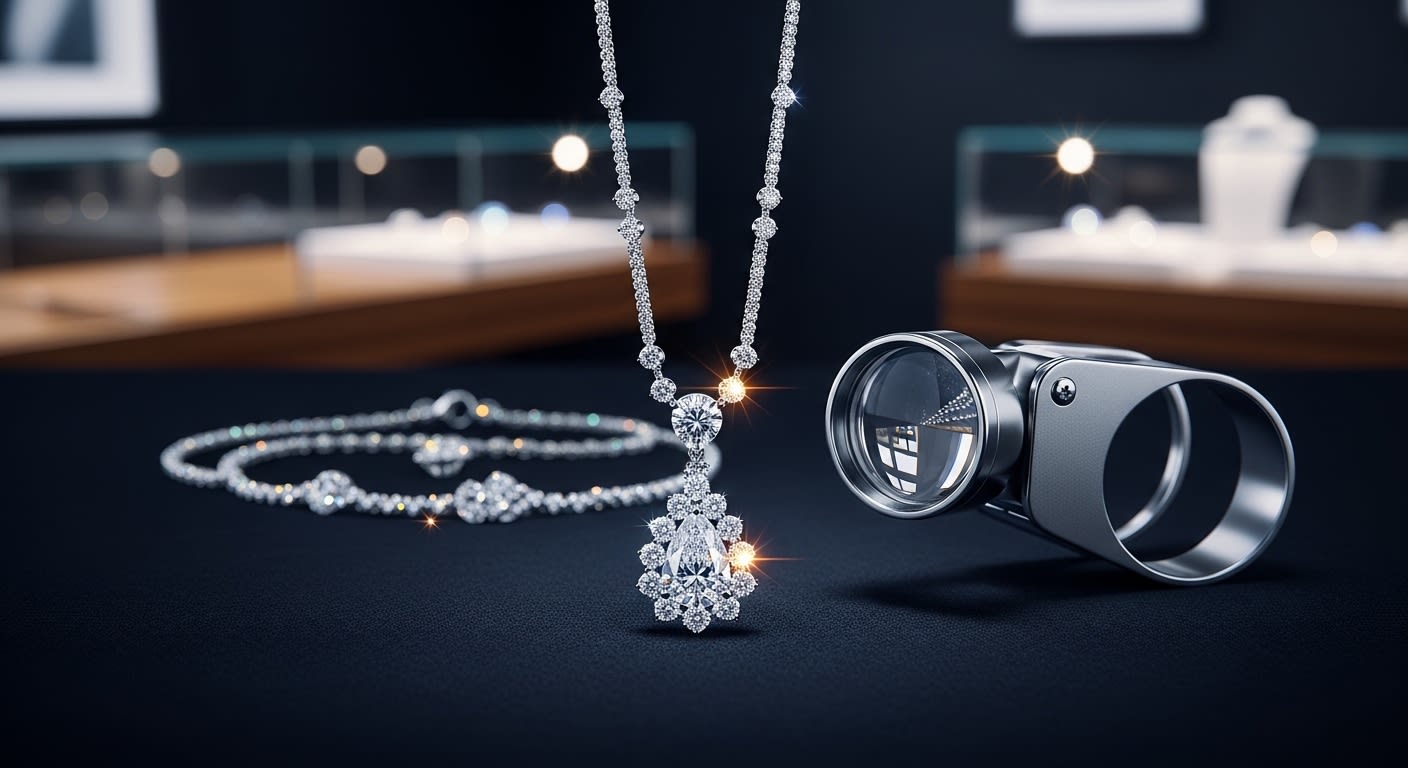
Choosing the right diamond necklace feels overwhelming when you face countless options and worry about authenticity. You want confidence that your purchase delivers real value and quality. This guide arms you with practical, expert backed methods to evaluate diamonds, spot fakes, and select styles that match your taste and budget in 2026.
Table of Contents
- Understand Key Criteria For Choosing Diamond Necklaces
- Use Simple At Home Tests To Preliminarily Check Diamond Authenticity
- Explore Popular Diamond Necklace Styles And Their Pros And Cons
- Compare Natural And Lab Grown Diamond Necklaces For Value And Quality
- Find Your Perfect Diamond Necklace At SuperJeweler
Key takeaways
| Point | Details |
|---|---|
| Verify authenticity with tests | Use breath, line, and UV light tests as preliminary checks before purchase. |
| Understand the 4Cs framework | Cut, color, clarity, and carat weight determine diamond quality and value. |
| Compare natural and lab grown | Lab grown diamonds offer identical beauty at 30% to 50% lower cost. |
| Match style to occasion | Solitaire, tennis, and pendant necklaces serve different purposes and budgets. |
| Seek professional certification | Complement home tests with GIA or AGS certification for guaranteed authenticity. |
Understand key criteria for choosing diamond necklaces
You need a clear framework to evaluate diamond necklaces beyond sparkle and price tags. The 4Cs provide your foundation: cut determines brilliance, color ranges from colorless to yellow tints, clarity measures internal flaws, and carat indicates size. Each factor directly impacts appearance and cost.
Natural and lab grown diamonds present different value propositions. Lab grown diamonds match natural ones in chemical composition and optical properties but cost significantly less. Natural diamonds carry traditional prestige and potentially better resale value. Your choice depends on priorities between budget, ethics, and long term investment.
Setting styles and metal choices shape both durability and aesthetic appeal. White gold complements colorless diamonds, while yellow gold creates vintage warmth. Prong settings maximize light exposure for brilliance, while bezel settings offer superior protection for active lifestyles. Understanding diamond necklace terminology helps you communicate preferences clearly.
Budget planning prevents overspending while securing quality. Set a realistic range before shopping, allocating funds between diamond grade and setting quality based on your priorities. Remember that high quality synthetic materials might behave similarly to real diamonds in basic tests, making professional verification essential.
Pro Tip: Consider lab grown diamond jewelry as your first option to maximize size and quality within budget constraints without sacrificing visual impact.
Key evaluation factors include:
- Diamond cut grade affecting light performance and sparkle intensity
- Color grade ranging from D (colorless) to Z (light yellow)
- Clarity grade from flawless to included with visible imperfections
- Metal type and setting security for everyday wear durability
- Certification from recognized gemological laboratories
Use simple at home tests to preliminarily check diamond authenticity
Home authenticity tests provide quick preliminary screening before investing in professional appraisals. These methods help you avoid obvious fakes but cannot replace expert verification for high value purchases.
The breath test exploits diamond’s exceptional heat conductivity. Breathe on the stone and watch fog behavior. Genuine diamonds disperse fog almost instantly due to heat conduction, while fakes retain moisture for several seconds. This test works best on loose stones or simple settings.
The line test uses diamond’s unique light refraction properties. Place the stone over a printed line or text on white paper. If a line is visible through the diamond, it is likely fake due to lacking unique light refraction. Real diamonds scatter light so completely that lines become invisible.
UV light testing reveals fluorescence in approximately one third of genuine diamonds. Shine a UV blacklight on the stone in darkness. Blue fluorescence indicates natural diamond, though absence does not confirm fakeness since many real diamonds lack this trait. This test provides supplementary evidence rather than definitive proof.
These preliminary checks have limitations against sophisticated synthetics and simulants. Moissanite and high grade cubic zirconia can pass basic tests. You must complement home screening with professional certification from GIA, AGS, or IGI laboratories. Review the diamond necklace buying guide 2026 for detailed verification strategies.
Pro Tip: Always request certification documentation before purchase and verify certificate authenticity through the issuing laboratory’s online database using the report number.
Reliable preliminary authenticity tests:
- Breath test monitoring fog dissipation speed on stone surface
- Line test checking text visibility through the diamond
- UV light test observing fluorescence under blacklight exposure
- Weight comparison since diamonds weigh less than most simulants
- Transparency test as real diamonds show unique light patterns
Explore popular diamond necklace styles and their pros and cons
Style selection impacts versatility, maintenance requirements, and overall satisfaction with your purchase. Each popular design serves specific occasions and preferences while presenting distinct advantages and limitations.
Solitaire necklaces feature a single prominent diamond suspended from a delicate chain. This classic style emphasizes the center stone’s quality and brilliance. Solitaires work for daily wear and formal events, offering timeless appeal that never looks dated. They suit buyers prioritizing diamond quality over quantity.
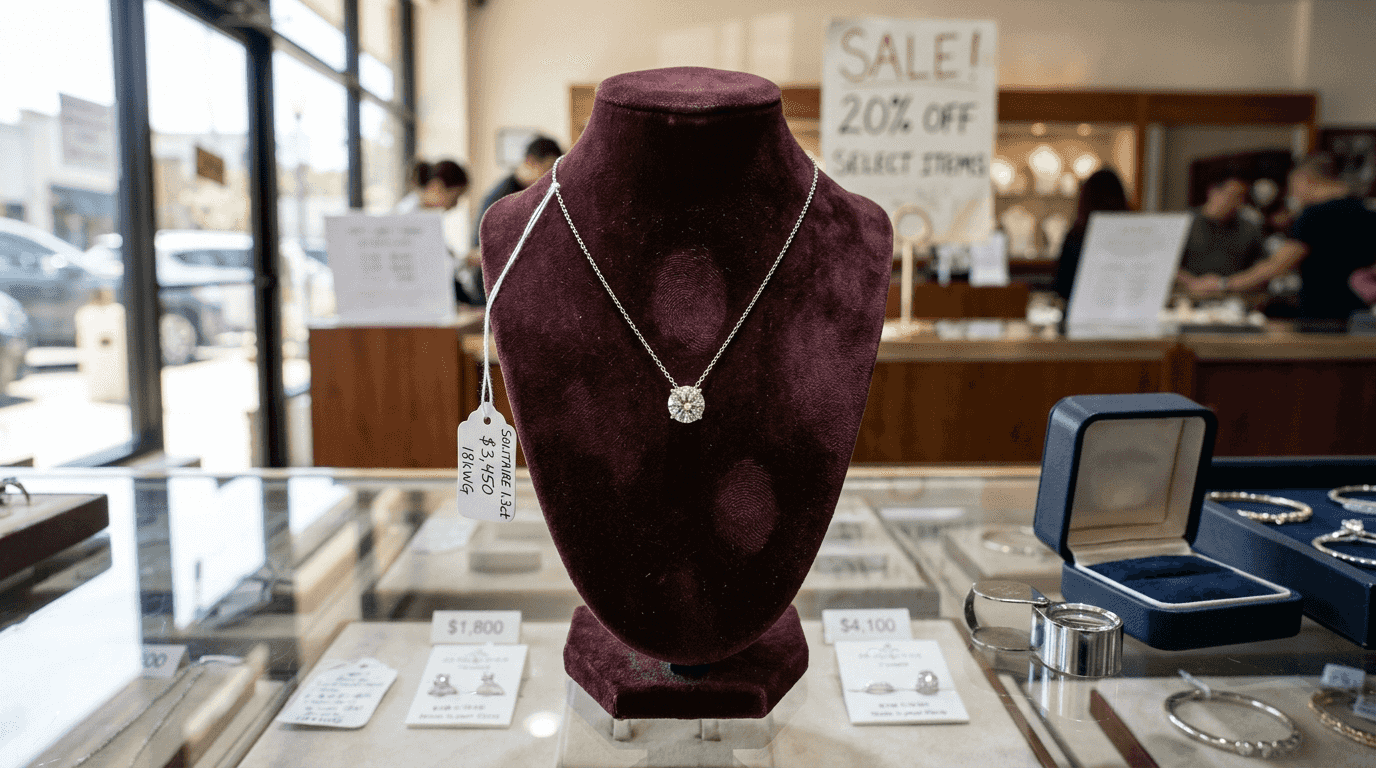
Tennis necklaces showcase a continuous line of matched diamonds encircling the neck. This elegant design creates maximum sparkle and makes a bold statement. Diamond tennis necklaces require higher initial investment but deliver unmatched brilliance for special occasions and evening wear.
Pendant necklaces allow extensive customization with varied diamond shapes, sizes, and setting styles. Options range from simple bezel set stones to elaborate halo designs. Diamond cross necklaces and other symbolic pendants combine personal meaning with diamond beauty. This versatility makes pendants ideal for expressing individual style.
Each style presents specific trade offs between cost, maintenance, and wearing frequency. Consider your lifestyle and wardrobe when selecting the optimal design. Browse affordable diamond necklace examples to understand price ranges across categories.
| Style | Price Range | Best For | Maintenance Level | Versatility |
|---|---|---|---|---|
| Solitaire | $300 to $3,000 | Daily wear, minimalists | Low, simple cleaning | High, suits any outfit |
| Tennis | $1,000 to $10,000+ | Special occasions, statements | Medium, professional checks | Medium, formal focused |
| Pendant | $200 to $5,000 | Personal expression, gifts | Low to medium | High, style dependent |
Style specific considerations:
- Solitaire necklaces emphasize single stone quality over total carat weight
- Tennis necklaces require matched diamonds for uniform appearance
- Pendant designs accommodate various diamond shapes and settings
- Chain durability matters for heavier multi stone designs
- Clasp security becomes critical for expensive tennis styles
Compare natural and lab grown diamond necklaces for value and quality
Understanding the natural versus lab grown debate helps you maximize value without compromising visual appeal or quality standards. Both options deliver beauty, but differ significantly in pricing, sourcing, and long term considerations.
Lab grown diamonds are chemically and optically identical to natural diamonds. They share the same crystal structure, hardness, and brilliance. Gemological equipment cannot distinguish them without specialized testing. This similarity means you get authentic diamond properties at reduced cost.
Price differences create the primary distinction between options. Lab grown diamonds typically cost 30% to 50% less than comparable natural stones. This savings allows you to purchase larger stones or higher grades within the same budget. Check lab grown diamond necklaces for current pricing examples.
Quality standards apply equally to both diamond types. The 4Cs evaluation system works identically, and certification processes remain consistent. Lab grown diamonds can achieve the same exceptional cut, color, and clarity grades as natural stones. Quality depends on manufacturing or mining standards, not diamond origin.
Environmental and ethical considerations influence many buyers toward lab grown options. These diamonds avoid mining’s environmental impact and eliminate concerns about conflict sourcing. However, natural diamonds maintain stronger resale value and traditional prestige for some buyers. Your priorities determine the best choice.
Explore options at lab grown diamond rings and review the comprehensive diamond necklace buying guide 2026 for detailed comparisons.
| Attribute | Natural Diamond | Lab Grown Diamond |
|---|---|---|
| Chemical composition | Pure carbon crystal | Identical pure carbon |
| Visual appearance | Brilliant, unique | Indistinguishable match |
| Price per carat | Higher, variable | 30% to 50% lower |
| Resale value | Established market | Developing, currently lower |
| Environmental impact | Mining intensive | Reduced carbon footprint |
| Certification | GIA, AGS standard | Same certification available |
Decision factors for diamond type:
- Budget constraints favoring larger or higher grade stones
- Environmental values prioritizing sustainable sourcing
- Investment perspective considering resale potential
- Traditional preferences for natural rarity
- Ethical concerns about mining practices
Find your perfect diamond necklace at SuperJeweler
You now have the knowledge to shop confidently for diamond necklaces that deliver authentic quality and lasting value. SuperJeweler offers an extensive collection that matches these criteria with both natural and lab grown options at accessible prices.

Our diamond necklaces collection features certified stones across all popular styles, from classic solitaires to stunning tennis designs. Every piece includes detailed specifications and authentication, letting you apply your new expertise with confidence. Browse lab grown diamond necklace options to maximize value without compromising beauty. Whether you seek fashion jewelry or engagement pieces, we provide quality assurance and affordable engagement rings backed by warranties and worldwide free shipping.
Frequently asked questions
How can I tell if a diamond necklace is authentic?
Use preliminary home tests like the breath test, line test, and UV light examination to screen for obvious fakes. Genuine diamonds disperse fog instantly and prevent line visibility due to unique light refraction. However, these tests cannot detect high quality synthetics, so always request GIA, AGS, or IGI certification and verify the certificate through the laboratory’s online database before finalizing your purchase.
What are the most popular styles of diamond necklaces?
Solitaire, tennis, and pendant necklaces dominate current preferences for their distinct appeals. Solitaires offer timeless elegance with a single prominent stone suitable for daily wear. Tennis necklaces create dramatic sparkle with continuous diamond lines perfect for special occasions. Pendant styles provide maximum customization with varied shapes and symbolic designs that express personal taste.
Are lab grown diamonds a good option for a diamond necklace?
Lab grown diamonds deliver excellent quality at 30% to 50% lower cost compared to natural stones. They share identical chemical composition, optical properties, and brilliance with mined diamonds. This option suits buyers prioritizing value, environmental responsibility, and ethical sourcing. You can purchase larger or higher grade stones within your budget while enjoying the same visual appeal and durability.
How do I choose between white gold and yellow gold for my diamond necklace?
White gold complements colorless diamonds by enhancing their brilliance without color interference. Yellow gold creates warm vintage aesthetics that pair beautifully with slightly tinted diamonds in the G to J color range. Consider your skin tone, existing jewelry collection, and personal style preferences. White gold suits modern minimalist looks, while yellow gold offers classic elegance and potentially better durability with less maintenance.
What is the difference in resale value between natural and lab grown diamond necklaces?
Natural diamonds maintain stronger resale value due to established secondary markets and traditional buyer preferences. They typically retain 25% to 50% of purchase price depending on quality and market conditions. Lab grown diamonds currently have limited resale markets and recover lower percentages. If investment and future resale matter significantly, natural diamonds offer better financial prospects despite higher initial costs.
Recommended
- Diamond Necklace Buying Guide 2026: Avoid 45% Mistakes
- Diamond Necklace Terminology: What Every Buyer Should Know
- Shop Perfect Diamond Tennis Necklace At Amazing Prices | SuperJeweler
- Why Invest in Diamond Jewelry: Value, Beauty, and Security
