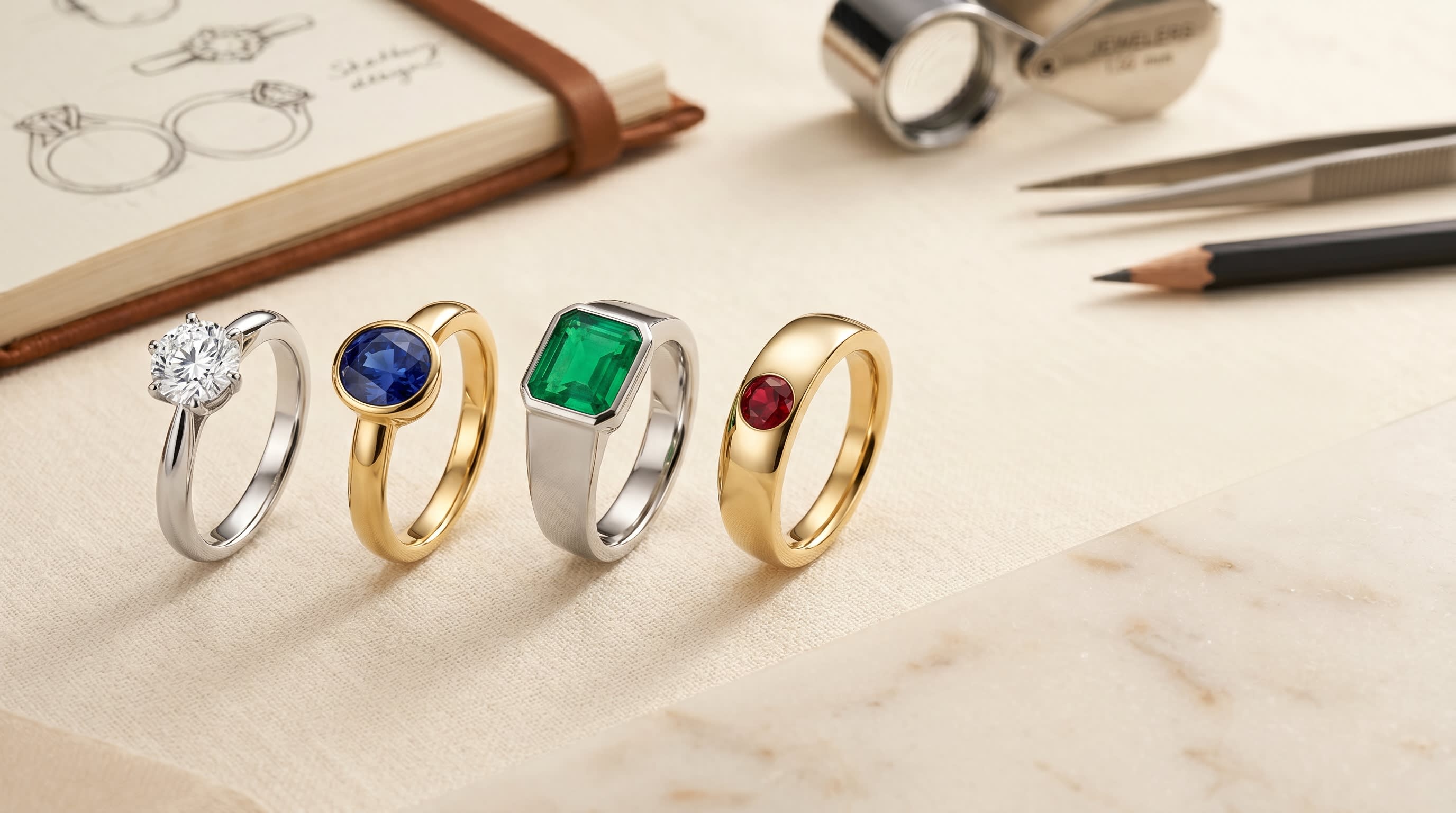
TL;DR:
- Choosing the right gemstone setting is essential because it influences durability, appearance, and long-term wearability.
- Each setting type, like prong, bezel, tension, and flush, offers unique advantages suited to different gemstones, lifestyles, and styles.
The setting you choose for a gemstone does far more than hold the stone in place. It shapes how the gem looks, how long it lasts, and whether the ring fits your life six years from now as well as it does today. Many buyers focus almost entirely on the stone itself, treating the setting as an afterthought, and that mistake can lead to chipped gems, loose stones, or a piece that feels wrong within a few months of purchase. This guide walks you through every major setting type, the criteria you should use to evaluate them, and the practical scenarios where each one truly shines.
Table of Contents
- What to consider when choosing a gemstone setting
- Prong, bezel, tension, and flush: The main types explained
- Comparison table: Pros and cons of different gemstone settings
- How to select the right setting for your jewelry piece
- What most guides miss: Why real-life jewelry needs often trump style trends
- Explore stunning settings at SuperJeweler
- Frequently asked questions
Key Takeaways
| Point | Details |
|---|---|
| Match setting with lifestyle | Choose bezel or flush for active daily wear, prong for maximum sparkle in less exposed pieces. |
| Tension needs hard stones | Only use tension settings for very hard gems like diamonds or sapphires for safety and durability. |
| Consider future resizing | Tension and some specialty settings can’t be resized easily, so pick accordingly for long-term wear. |
| Setting impacts style | The type of setting dramatically affects the jewelry’s overall look, feel, and comfort. |
| Request expert guidance | A jeweler’s expertise can ensure your preferred style pairs safely with your gemstone choice and usage. |
What to consider when choosing a gemstone setting
Before exploring the types themselves, understanding what actually matters in a setting makes choosing easier. Not all gemstones and not all lifestyles are the same, and the “best” setting is always the one that fits your specific situation. Think of this as your checklist before you fall in love with any particular style.
Here are the core factors worth weighing:
- Durability and daily wear. A ring worn every day to an active job faces very different stress than a necklace worn once a month to formal events. Settings that expose more of the stone to the environment need a harder stone to survive that exposure safely.
- Gemstone hardness and shape. Harder gems like diamonds and sapphires can handle more aggressive setting styles. Softer gems like opals, pearls, and emeralds need settings that protect their edges and surfaces. Gem shape also matters since pointed or irregular cuts need extra protection at vulnerable tips.
- Style preference. Settings range from delicate and minimalist to bold and architectural. Your personal style, the metal color you prefer, and whether you lean modern or vintage all play into which setting will feel right long term.
- Maintenance and cleaning ease. Prong settings, for example, collect lint and soap residue underneath the stone. Bezel settings are far easier to clean with a simple wipe. If you know you won’t maintain jewelry meticulously, choose accordingly.
- Resizing implications. Some settings, especially tension settings, are very difficult or outright impossible to resize later. If your ring size might change due to weight fluctuations, pregnancy, or aging, factor that in before committing.
- Budget. More intricate settings require more skilled labor and more metal, which raises the price. A simple bezel setting uses more metal than a four-prong setting but requires less precision work. Knowing your budget helps narrow the field quickly.
Pro Tip: Always ask your jeweler specifically about resizing before you buy. A tension setting holds the stone via metal band compression at 12,000 to 50,000 psi, which means the structural integrity of the band itself is what keeps the stone secure. Altering that band to resize the ring can compromise the entire design.
If you want a starting point for browsing, our gemstone rings collection covers a wide range of setting styles at various price points so you can see these criteria come to life in real pieces.
Prong, bezel, tension, and flush: The main types explained
Now that you know your criteria, let’s explore the main setting styles and what each brings to the table. Each type has a distinct personality and a distinct set of tradeoffs.
1. Prong setting
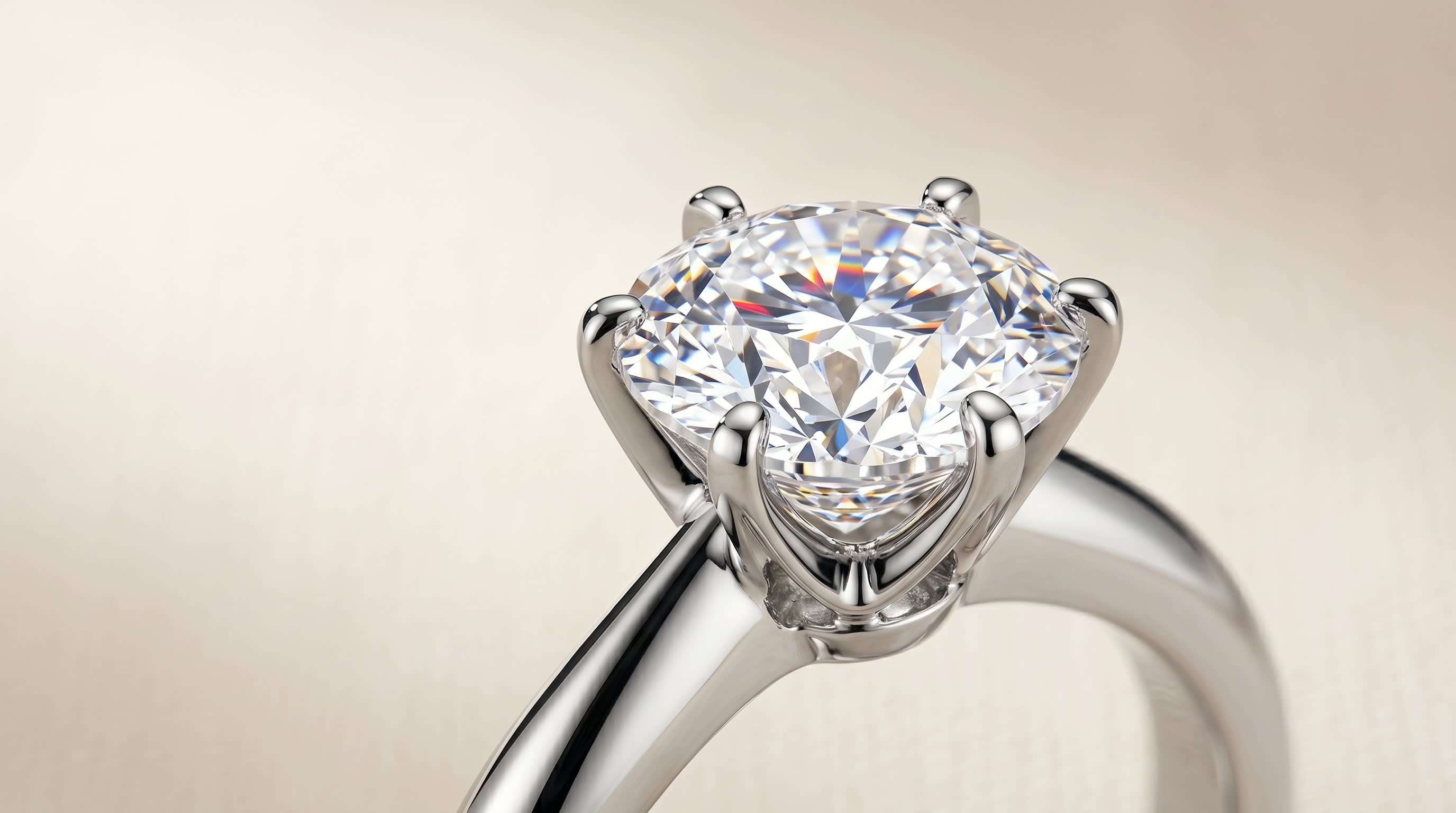
Prong settings are the most recognized style in the world, especially for engagement rings. Metal claws (usually four or six) grip the stone at its girdle, the widest point, holding it above the band and exposing the pavilion and crown to light.
- Maximizes brilliance. More light enters and exits the stone from more angles, which creates the maximum sparkle effect.
- Lightweight and airy look. The stone appears to float slightly above the band, making it look larger than it actually is.
- Maintenance consideration. Prongs can snag on fabric, hair, and surfaces over time. Prongs also wear down and can loosen, requiring periodic tightening by a jeweler.
- Best for: Round brilliant diamonds, oval cuts, cushion cuts, and any gem where brilliance is the main attraction.
2. Bezel setting
A bezel setting wraps a thin band of metal around the entire perimeter of the stone, holding it flush or nearly flush within that metal collar.
- Maximum protection. The stone’s edges and girdle are fully enclosed, which drastically reduces the risk of chipping.
- Modern and vintage appeal. Bezel settings appear in both ultra-modern minimalist designs and antique-inspired pieces, making them unusually versatile.
- Easier maintenance. No tiny claws to catch on things, and cleaning is as simple as wiping with a soft cloth.
- Best for: Active wearers, softer gemstones, and anyone who prefers a sleek silhouette.
3. Tension setting
Tension settings use the compressed spring pressure of the metal band itself to grip the stone on two sides, creating the illusion that the gem is floating in midair. The engineering behind this is genuinely impressive: tension requires hard stones like diamond and sapphire because the pressure exerted by the metal would crack or fracture softer gems.
“Tension settings achieve their hold through precise metal band engineering rather than prongs or bezels, resulting in a clean, architectural look that showcases the gemstone from nearly every angle.”
- Modern aesthetic. The floating appearance is unlike any other setting style and reads as distinctly contemporary.
- Security for hard gems. When used correctly with diamonds or sapphires, tension settings are extremely secure.
- Resizing difficulty. Adjusting a tension ring requires rebuilding the structural compression of the band, which most jewelers cannot easily do.
- Best for: Diamonds, sapphires, and other gems rated 9 or higher on the Mohs hardness scale.
4. Flush/gypsy setting
A flush setting recesses the stone directly into the metal surface, so the top of the gem sits level with or slightly below the surrounding metal. This is also called a gypsy setting.
- Low profile and durable. Nothing protrudes above the metal, which means nothing can catch, snag, or be knocked loose.
- Great for accent stones. Flush settings are commonly used for side stones and pavé-style bands.
- Less light exposure. Because the stone is recessed, less light reaches the pavilion, which reduces brilliance compared to prong or tension settings.
- Best for: Accent stones, bands designed for heavy use, and designs where durability matters more than sparkle.
Our gemstone earrings and gemstone necklaces feature many of these setting styles, giving you a real sense of how each looks when worn.
Pro Tip: For earrings specifically, bezel and flush settings are often the smarter long-term choice because they eliminate the prong-snagging issues that come with hair and clothing.
Comparison table: Pros and cons of different gemstone settings
Understanding individual settings is helpful, but a head-to-head view makes it easier to spot the right fit for your specific needs.
| Setting type | Security level | Sparkle/light exposure | Best gemstone types | Resizable? | Maintenance level |
|---|---|---|---|---|---|
| Prong | Moderate | Highest | Diamond, topaz, amethyst | Yes | Medium (prongs wear) |
| Bezel | High | Moderate | All types, especially softer gems | Yes | Low |
| Tension | Very high (for hard gems) | Very high | Diamond, sapphire (Mohs 9+) | Rarely | Low |
| Flush/gypsy | Very high | Low to moderate | Small diamonds, accent stones | Yes | Very low |
| Channel | High | Moderate | Small round or princess cut stones | Limited | Low |
| Pavé | Moderate | High | Small diamonds or gemstones | Yes, with care | Medium |
Key insight from this comparison: There is no universally superior setting. Prong settings win on sparkle, bezel wins on protection and ease, and tension wins on modern aesthetics for hard gems. The “best” column depends entirely on your priorities.
The tension setting’s engineering is worth a specific callout. The 12,000 to 50,000 psi compression used to hold the stone creates a grip that is remarkable for a design with no traditional claws or bezels. It is precise, striking, and demanding of both the gem and the jeweler.
If you are interested in color-forward designs, exploring blue gemstones in tension or bezel settings can create a genuinely stunning and durable piece.
How to select the right setting for your jewelry piece
After seeing the table, the next step is putting this into practice for your specific scenario.
Step-by-step approach
- Identify your gemstone first. Know your stone’s hardness rating before selecting a setting. Diamonds (Mohs 10), sapphires and rubies (Mohs 9), and topaz (Mohs 8) can handle aggressive settings. Emeralds (Mohs 7.5 to 8 but brittle), opals (Mohs 5.5 to 6.5), and pearls (Mohs 2.5 to 4.5) need protective settings.
- Think about the jewelry type. Rings face the most daily abuse. Necklaces and earrings experience far less impact stress. A setting that would be risky for a ring might be perfectly fine for a pendant.
- Evaluate your lifestyle honestly. If you work with your hands, cook daily, exercise, or garden, you need a setting that can survive contact and friction. Bezel or flush settings protect stones far better than prong settings in high-contact scenarios.
- Consider long-term ownership. Will you want to resize this ring in five years? If yes, avoid tension settings. Will you keep the jewelry for decades? Choose a setting style that does not go out of fashion and that your jeweler can maintain affordably.
Common combinations that work well
- Active lifestyle + colored gemstone: Bezel setting in yellow gold or platinum. The metal rim protects the stone’s edges completely.
- Engagement ring + diamond + modern style: Tension setting with a solitaire diamond for a clean, architectural look that maximizes brilliance.
- Multiple small accent stones + band: Flush or gypsy setting recessed into the metal surface keeps each stone secure without adding height.
- Vintage aesthetic + sapphire or ruby: Halo prong setting with a bezel on the center stone for the best of both worlds.
Mistakes to avoid
- Choosing a tension setting for an emerald or opal (the compression will damage or crack the stone).
- Buying a prong setting if you know you won’t bring it in for regular prong inspections.
- Overlooking the channel setting for stackable bands with small stones, where it excels in both security and visual flow.
Pro Tip: Before buying any ring with side stones, look at unique ring setting examples to understand how combinations of settings in one piece can serve both style and function. Also, browsing pink gemstone trends can inspire unexpected and beautiful setting choices for softer colored stones.
What most guides miss: Why real-life jewelry needs often trump style trends
With the practical guide in hand, it is worth stepping back from the charts and lists for a moment.
Most guides stop at “here are the settings and here are their pros and cons.” What they miss is that the single biggest source of buyer regret in jewelry is not choosing the wrong stone; it is choosing a setting that conflicts with how you actually live. We see this pattern repeatedly. Someone chooses a dramatic six-prong solitaire because it is the classic, beautiful, universally admired style, and within a year they are dealing with snagged sweaters, a bent prong, and a loose stone.
The counterintuitive truth is that the “less exciting” setting choice is often the one people love most ten years later. A simple bezel setting on a vivid sapphire does not photograph as dramatically as a towering prong cathedral setting. But it survives a decade of daily wear without a single repair visit. That durability translates to an emotional connection with the piece that aggressive settings sometimes undermine.
We have also seen the opposite happen in genuinely interesting ways. Customers who chose tension settings for their diamonds, initially attracted by the modern look, often report that the engineering story behind the setting adds to their enjoyment of the piece. They love knowing that precision metalworking, not traditional claws, is what secures their stone. That story makes the ring more meaningful, not just more stylish.
The real wisdom here is that settings are not fashion accessories you change seasonally. They are structural decisions with emotional consequences. Prioritize lasting satisfaction over the setting that photographs best or follows the current trend. And remember, a classic bezel or a well-maintained prong on a stone you adore will never look outdated.
Browse our gemstone rings collection with fresh eyes after reading this and notice how your attention shifts from just the stone to how the setting frames it and what that means for your daily life.
Explore stunning settings at SuperJeweler
If you’re ready to see these settings in action, SuperJeweler makes finding the perfect piece easy. Our collections span every major setting style, from classic prong engagement rings to modern tension designs and protective bezel settings for colored gemstones.

Whether you are searching for affordable engagement rings with maximum sparkle or something more unique like black diamond rings in a flush setting, our catalog covers it all at prices that won’t require choosing between quality and budget. We also carry a full range of lab grown diamonds set in every major style, so you can get the look you want with impressive savings. Free worldwide shipping and strong warranty options mean your investment is protected from day one.
Frequently asked questions
Which gemstone setting is most secure for daily wear?
Bezel and flush settings offer the most security for daily wear because they surround or recess the stone into the metal, eliminating the risk of snagging or loosening that prong settings can develop over time.
Are tension settings safe for all gemstones?
No. Tension settings require hard stones like diamonds or sapphires rated at Mohs 9 or above, because the extreme compression used to hold the gem would crack or shatter softer gemstones like emeralds, opals, or pearls.
Can jewelry with tension settings be resized?
Most tension rings are difficult or impossible to resize because the metal band compression at 12,000 to 50,000 psi is structurally integral to the setting. Resizing typically requires rebuilding the band from scratch.
What setting maximizes a gemstone’s sparkle?
Prong settings maximize sparkle by exposing the greatest surface area of the stone to light from multiple angles, making them the top choice for diamonds and other high-brilliance gems where visual impact is the priority.
Is flush setting good for rings with multiple small stones?
Yes, flush or gypsy settings are excellent for rings featuring multiple small accent stones because each stone is recessed and protected, reducing the risk of loss even with heavy daily wear.
