Choosing the perfect diamond necklace for your wedding can feel overwhelming when myths and marketing terms blur what actually matters. For engaged couples seeking an affordable and meaningful addition to their jewelry collection, understanding the true definition and symbolism behind a diamond necklace is key. Whether you are drawn to the allure of lab-grown diamonds or the rich tradition behind this iconic piece, you will find clarity and confidence as you explore what makes each option unique. Diamond necklaces are far more than simple decorations—they are symbols of history, love, and personal style.
Table of Contents
- Diamond Necklace Defined And Common Myths
- Types And Styles Of Diamond Necklaces
- Diamond Quality And Key Features Explained
- Cultural Significance And Modern Trends
- Lab-Grown Diamonds Vs Traditional Choice
- Buying Tips, Care, And Cost Considerations
Key Takeaways
| Point | Details |
|---|---|
| Understanding Diamond Necklaces | A diamond necklace can range from simple to elaborate designs, serving as a symbol of beauty and personal style rather than just a status symbol. |
| Myths and Budget Options | Not all diamond necklaces need to be expensive; lab-grown diamonds provide quality at lower prices, allowing for budget flexibility. |
| Choosing the Right Style | Different styles serve various occasions and preferences, so consider your lifestyle and how you plan to wear the necklace. |
| Quality Factors | Prioritize cut quality and obtain certification to ensure the diamond meets your expectations and protects your investment. |
Diamond Necklace Defined and Common Myths
A diamond necklace is simply a piece of jewelry featuring one or more diamonds suspended from a chain, worn around the neck. But this straightforward definition masks the complex history and cultural weight these pieces carry. The Affair of the Diamond Necklace of 1785 involving French royalty demonstrates how diamond necklaces have become symbols of wealth, status, and intrigue far beyond their physical appearance. Today, a diamond necklace can range from a delicate solitaire pendant on a thin gold chain to an elaborate multi-stone statement piece, yet they all share one common purpose: showcasing the beauty of diamonds in wearable form. For engaged couples, understanding what actually constitutes a diamond necklace helps cut through marketing language and focus on what matters to your wedding jewelry collection.
Several myths surround diamond necklaces that can mislead buyers. The first misconception is that all diamond necklaces must feature massive stones or cost thousands of dollars. This simply isn’t true. You can own a stunning diamond necklace at any price point, especially when considering lab-grown diamonds that deliver identical visual and physical properties to mined diamonds at a fraction of the cost. Another common myth suggests that diamond necklaces are only appropriate for formal occasions or special ceremonies. In reality, many couples now wear diamond necklaces as everyday jewelry, layered with other pieces for a modern, personalized look. A third misconception ties into historical narratives: the belief that diamond necklaces are inherently scandalous or problematic investments. The historical misconceptions linked to diamond necklace lore often overshadow the genuine value these pieces offer as heirlooms and personal treasures. The truth is that diamond necklaces, whether featuring lab-grown or natural diamonds, represent a thoughtful jewelry choice when selected with your specific needs and budget in mind.
What separates a quality diamond necklace from an ordinary pendant chain comes down to several factors: the diamond’s clarity and brilliance, the chain’s craftsmanship, and the overall design aesthetic. A well-made diamond necklace balances the weight of the stone with appropriate chain thickness, ensuring durability and comfort during daily wear. For engaged couples building a wedding jewelry collection, choosing lab-grown diamond necklaces offers flexibility without compromise. These pieces deliver the same optical properties and durability as mined alternatives while freeing up your budget for other elements of your wedding day. The key is understanding that a diamond necklace is ultimately a personal investment reflecting your style, values, and financial priorities rather than a status symbol dictated by tradition or historical narratives.
Pro tip: When evaluating any diamond necklace, request documentation of the diamond’s specifications and chain quality rather than relying solely on visual presentation, as this ensures you’re making an informed decision that aligns with your wedding jewelry goals and budget constraints.
Types and Styles of Diamond Necklaces
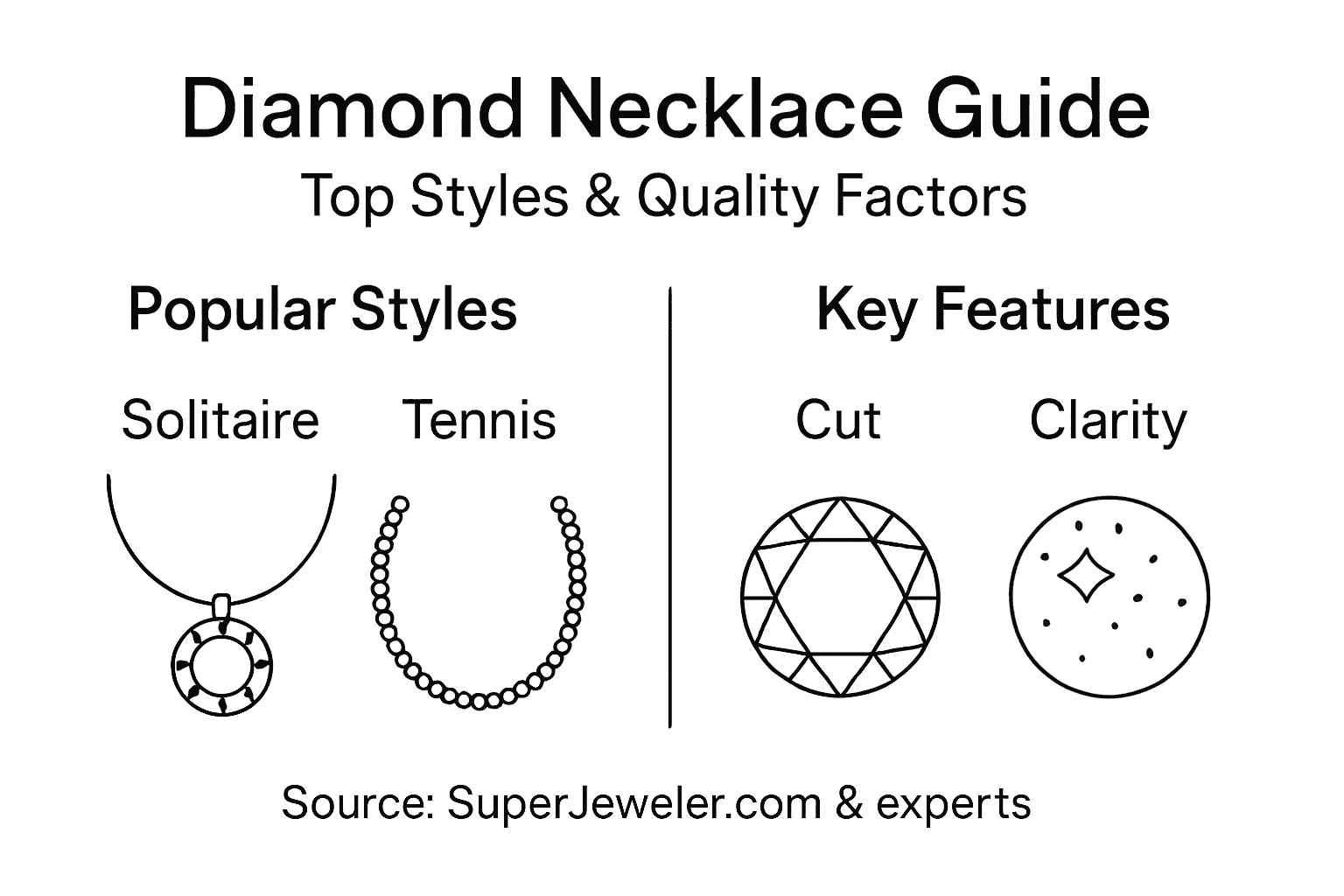
Diamond necklaces come in numerous styles, each offering distinct visual appeal and wearability for different occasions and personal preferences. The solitaire pendant remains the most classic choice, featuring a single diamond suspended on a delicate chain. This timeless style works beautifully for engaged couples who appreciate understated elegance and want a piece that transitions seamlessly from everyday wear to formal events. The three-stone necklace incorporates diamonds on either side of a center stone, symbolizing past, present, and future, which makes it particularly meaningful for wedding jewelry collections. Then there are halo-style necklaces, where smaller diamonds encircle a larger center stone, creating maximum brilliance and a more dramatic presence. For those seeking something with spiritual significance, diamond heart necklaces offer romantic symbolism perfect for celebrating your engagement. Tennis necklaces feature a continuous line of diamonds or alternating diamond and gemstone patterns, creating a sophisticated sparkle that catches light with every movement. Each style delivers different levels of visual impact, so your choice ultimately depends on your lifestyle, personal aesthetic, and how you plan to wear the piece.
Beyond traditional diamond settings, many couples explore pendant necklaces that combine diamonds with other design elements. Some feature diamonds set into cross shapes for those with faith-based values, while others incorporate precious metals like platinum or white gold as focal design elements rather than mere settings. Lariat necklaces present an elongated style where the chain drapes longer before the diamond pendant, creating an unconventional silhouette that appeals to fashion-forward couples. Layered diamond necklaces have gained popularity in recent years, allowing you to wear multiple chains at varying lengths simultaneously, each potentially featuring diamonds or gemstones. The versatility here is remarkable, as you can mix and match pieces to create custom looks that reflect your evolving style. Some couples prefer combining diamond necklaces with other gemstone options to add personalization and potentially reduce overall cost while maintaining luxury appeal.
When selecting a style, consider your daily routine and how the necklace will interact with your other jewelry and clothing. A delicate solitaire works best if you wear business attire or prefer minimal jewelry, while bolder styles like halos or tennis necklaces suit those who enjoy statement pieces and layered looks. The metal type matters just as much as the diamond style. Yellow gold evokes warmth and classic elegance, white gold or platinum provides cool-toned sophistication, and rose gold adds romantic charm that many engaged couples favor. Length also affects how a necklace looks on your frame, typically ranging from 16 to 24 inches. Shorter lengths sit closer to the collarbone and suit most body types, while longer chains create a more dramatic effect. Lab-grown diamonds work excellently across all these style categories, offering you complete design freedom without budget constraints that might otherwise limit your choices.
Here’s a quick comparison of popular diamond necklace styles for engaged couples:
| Necklace Style | Visual Impact | Symbolism | Suitability |
|---|---|---|---|
| Solitaire Pendant | Subtle, elegant | Timeless simplicity | Everyday & formal |
| Three-stone | Balanced, classic | Past, present, future | Romantic events |
| Halo-style | Dramatic, sparkling | Center stone prominence | Formal occasions |
| Tennis Necklace | Continuous sparkle | Sophisticated luxury | Statement events |
| Heart Pendant | Romantic, playful | Love and connection | Engagement gifts |
| Lariat | Modern, elongated | Unique silhouette | Fashion-forward |
Pro tip: Try on several different styles and lengths in natural lighting to see how each necklace complements your skin tone, neckline preferences, and overall aesthetic before making your final selection.
Diamond Quality and Key Features Explained
Understanding diamond quality requires familiarity with the 4Cs framework: Cut, Color, Clarity, and Carat Weight. These four characteristics work together to determine a diamond’s beauty, rarity, and value. The 4Cs evaluation system was developed by the Gemological Institute of America to standardize diamond grading worldwide, ensuring consistency whether you’re shopping in New York or purchasing online. Cut refers to how well a diamond has been shaped and faceted, directly affecting its brilliance and sparkle. A well-cut diamond reflects light efficiently, creating that mesmerizing sparkle that catches your eye. Even a diamond with excellent color and clarity will appear dull if the cut is poor, so never underestimate this critical factor. Color ranges from colorless to light yellow or brown hues, with colorless diamonds commanding premium prices due to their rarity. For engaged couples, understanding that color differences are often invisible to the naked eye can help you allocate your budget more strategically toward other features.
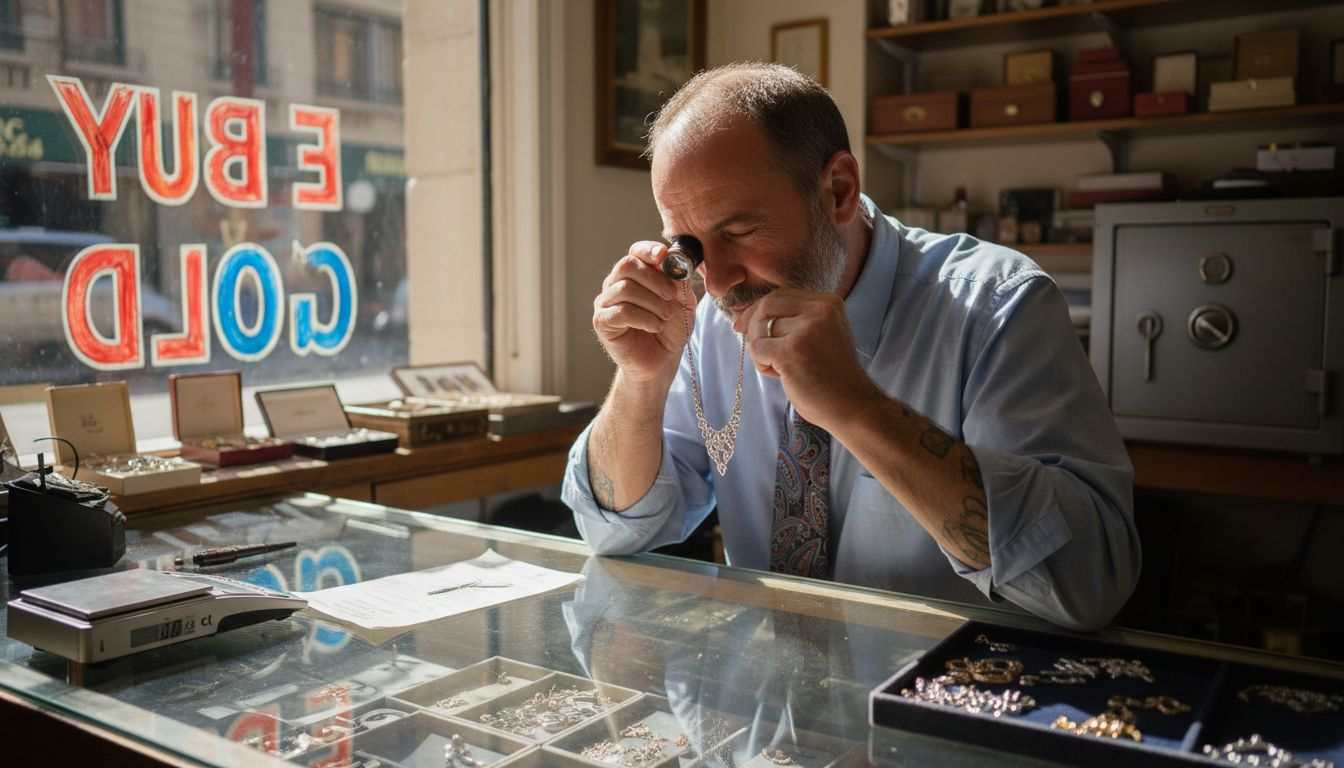
Clarity measures the presence or absence of inclusions and blemishes within the diamond. Most diamonds contain tiny imperfections called inclusions, which form during their growth process. The fewer and less visible these inclusions, the higher the clarity grade. Here’s what matters for your purchasing decision: diamonds graded VS1 or higher appear completely clean to the naked eye, making anything above VS1 a waste of money unless you plan to examine your necklace with a jeweler’s loupe. Carat Weight determines the diamond’s size and typically has the most obvious visual impact on price. One carat equals 200 milligrams. Two diamonds of identical cut, color, and clarity can vary dramatically in price based on carat weight alone, especially once you cross the one-carat threshold. Lab-grown diamonds offer a significant advantage here, as they typically cost 30 to 40 percent less than mined diamonds of equivalent quality, allowing you to either purchase a larger stone or allocate savings to other wedding jewelry pieces.
When evaluating your diamond necklace options, prioritize cut quality above all else since it has the most visible impact on daily wear. A beautifully cut diamond in lower clarity grades often outshines a poorly cut diamond with flawless clarity. Color becomes noticeable primarily in diamonds above two carats or when comparing stones side by side, so moderate color grades work perfectly for necklaces. Carat weight should align with your personal preference and budget rather than social expectations. Remember that lab-grown diamonds deliver identical optical and physical properties to mined diamonds, meaning you can achieve the exact quality standards you desire without compromise. Request a grading report from a reputable laboratory for any diamond necklace you purchase, as this documentation provides objective verification of the stone’s characteristics and protects your investment.
Pro tip: Prioritize cut quality and aim for VS2 clarity or better when selecting your diamond necklace, as these characteristics have the greatest visual impact while offering better value than higher grades.
Cultural Significance and Modern Trends
Diamond necklaces carry profound cultural weight across societies and generations. Throughout history, these pieces have symbolized wealth, power, status, and commitment, often serving as tangible representations of milestone moments in people’s lives. In Western traditions, diamond necklaces became associated with luxury and romance, particularly following mid-20th century marketing campaigns that linked diamonds to engagement and weddings. However, diamond necklaces transcend Western culture. In Indian traditions, they represent auspiciousness and are worn during festivals and celebrations. In Middle Eastern cultures, diamond and gemstone necklaces denote family heritage and are passed through generations as heirlooms. The cultural significance and craftsmanship of traditional diamond necklaces reveals how these pieces embody more than monetary value, they carry stories, artistry, and the values of the communities that prize them. For engaged couples, understanding this heritage adds another layer of meaning to your choice, transforming a necklace from a beautiful accessory into a piece of cultural continuity.
Modern trends in diamond necklace consumption reflect shifting values among today’s consumers, particularly younger couples planning weddings. There’s a noticeable movement away from rigid tradition toward personalized expression and ethical considerations. Sustainability has become a priority, with many engaged couples questioning the environmental and social impact of their jewelry purchases. Lab-grown diamonds have gained significant traction in recent years, appealing to couples who want luxury without compromise on their values. These diamonds are chemically and optically identical to mined diamonds but created in controlled laboratory environments, eliminating concerns about mining practices and reducing environmental impact. The transparency offered by lab-grown options aligns perfectly with modern consumer expectations for accountability and ethical sourcing. Simultaneously, vintage and heirloom diamond necklaces have experienced a resurgence in popularity, as couples seek unique pieces with genuine history rather than mass-produced designs. This trend celebrates individuality while honoring the legacy of previous generations.
The intersection of tradition and innovation defines contemporary diamond necklace culture. Customization has become more accessible than ever, allowing engaged couples to design pieces that reflect their specific aesthetic and values rather than conforming to conventional expectations. Social media has democratized jewelry inspiration, with couples discovering diverse styles from cultures worldwide and adapting them to their own preferences. Mixed-metal designs combine gold, silver, and rose gold in single pieces, breaking away from the uniformity of earlier decades. Minimalist aesthetics have challenged the “bigger is better” mentality, with many preferring delicate, understated necklaces that prioritize elegance over ostentation. Yet maximalist styles still thrive among those who embrace bold statement pieces. The beautiful reality is that no single trend dominates anymore. Your diamond necklace choice should reflect your personal values, cultural background, aesthetic preferences, and budget constraints rather than external pressures or fleeting fashions.
Pro tip: Consider selecting a lab-grown diamond necklace that incorporates design elements meaningful to your cultural heritage or personal story, creating a piece that honors tradition while aligning with modern values of sustainability and authenticity.
Lab-Grown Diamonds vs. Traditional Choice
The debate between lab-grown and natural diamonds often confuses engaged couples because the answer isn’t straightforward. Both types are genuinely real diamonds composed of pure carbon with identical crystal structures. The key difference lies in their origin story. Natural diamonds form deep within the Earth over billions of years, while lab-grown diamonds are created in controlled laboratory environments within weeks using advanced technology. From a scientific standpoint, lab-grown and natural diamonds share the same chemical and physical properties, meaning they’re optically indistinguishable to the naked eye. A jeweler needs specialized equipment to identify lab-grown diamonds, and even then, the distinction reveals nothing about quality or beauty. For your diamond necklace, this means you can achieve the exact visual impact and durability regardless of which option you choose.
Where these diamonds truly diverge is in cost, environmental impact, and resale value. Lab-grown diamonds typically cost 30 to 40 percent less than mined diamonds of comparable quality, a significant savings that allows engaged couples to either purchase larger stones or allocate budget elsewhere in their wedding collection. From an environmental perspective, lab-grown diamonds eliminate concerns about mining practices, habitat disruption, and the carbon footprint associated with extraction. They’re also free from the social and ethical issues sometimes linked to diamond mining operations. However, natural diamonds do retain more long-term market value due to their rarity and the historical prestige associated with mined stones. If you view your diamond necklace primarily as a personal treasure or heirloom rather than an investment asset, this consideration becomes less critical. Lab-grown diamonds offer both affordability and ethical advantages without compromising on the beauty or durability that make diamond necklaces so desirable.
Your choice between lab-grown and natural diamonds should align with your priorities as a couple. If sustainability, ethical sourcing, and budget flexibility are important to you, lab-grown diamonds deliver all three without sacrifice. The transparency of knowing exactly how your diamond was created appeals to many modern couples who value accountability. Conversely, if owning a naturally formed diamond with billions of years of geological history resonates with your romantic vision, that emotional connection matters and justifies the premium cost. The beautiful truth is that neither choice is objectively superior. A lab-grown diamond necklace is just as stunning, durable, and meaningful as a natural diamond necklace. What matters most is selecting the option that aligns with your values, budget, and how you envision wearing this piece throughout your life. Many couples discover that understanding both options empowers them to make a genuinely informed decision rather than defaulting to tradition or external pressure.
To help clarify diamond options, here is a summary contrasting lab-grown and natural diamonds for necklaces:
| Factor | Lab-Grown Diamond | Natural Diamond |
|---|---|---|
| Price Range | 30–40% less expensive | Premium cost |
| Environmental Impact | Minimal footprint | Significant mining |
| Resale Value | Lower | Higher due to rarity |
| Appearance | Identical | Identical |
| Ethical Sourcing | Fully transparent | Varies globally |
Pro tip: If you choose a lab-grown diamond, ensure it’s certified by a reputable laboratory and comes with proper documentation clearly stating its lab-grown origin, which protects your investment and provides transparency regarding your ethical choice.
Buying Tips, Care, and Cost Considerations
Purchasing a diamond necklace requires strategic thinking about quality, budget, and long-term value. Start by establishing a realistic budget that reflects your financial situation rather than external expectations. Your budget determines which quality levels and stone sizes become possible, so knowing this number upfront prevents disappointment and keeps you focused. Next, prioritize the 4Cs in the right order. Cut quality should top your list since it has the most visible impact on daily wear, followed by clarity at VS2 or higher for eye-clean appearance. Color and carat weight matter less for necklaces than for engagement rings, so you can compromise slightly on these without sacrificing beauty. Understanding how to balance the 4Cs with your budget helps you make informed decisions that maximize value without overspending. Always request certification from reputable laboratories like the Gemological Institute of America or International Gemological Institute to verify your diamond’s specifications and protect your investment.
Metal selection significantly affects both appearance and cost. White gold and platinum create cool, modern aesthetics and pair beautifully with colorless diamonds, though platinum costs more due to its density and rarity. Yellow gold offers warm, classic elegance and complements all skin tones well. Rose gold has surged in popularity among engaged couples for its romantic, contemporary appeal. The thickness and quality of your chain matter as much as the diamond itself, so choose chains thick enough to support the pendant’s weight without appearing flimsy. Consider your lifestyle when selecting chain thickness. If you wear your necklace daily, stronger chains withstand constant movement better. For occasional wear, delicate chains work beautifully. Metal allergies also factor into your decision, with platinum and certain gold alloys being hypoallergenic options for sensitive skin.
Care and maintenance directly impact your diamond necklace’s longevity and appearance. Clean your necklace regularly using warm soapy water and a soft brush to remove daily buildup that dulls the diamond’s sparkle. Avoid harsh chemicals, abrasive cleaners, and ultrasonic cleaners unless a jeweler recommends them for your specific piece. Store your necklace separately from other jewelry in a soft pouch or lined jewelry box to prevent scratches on the chain and metal. Have the chain professionally inspected annually to catch any weakening before it breaks. Professional cleaning twice yearly keeps your necklace looking pristine and allows jewelers to spot potential issues early. Pricing varies dramatically based on diamond quality, metal type, and design complexity. A simple solitaire lab-grown diamond necklace might cost $500 to $2,000, while elaborate designs with multiple stones or precious metals can exceed $5,000. Compare prices across multiple reputable retailers and request documentation for every piece before making your final decision.
Pro tip: Request a detailed receipt and certification documents for your diamond necklace, and store these safely in a separate location from the jewelry itself, as they’ll be essential if you ever need insurance coverage or professional appraisal.
Discover Your Perfect Diamond Necklace at SuperJeweler.com
Choosing a diamond necklace that reflects your unique style and values can feel overwhelming. Whether you are navigating the variety of elegant solitaire pendants, symbolic three-stone necklaces, or dazzling halo styles, understanding quality factors like the 4Cs and balancing your budget is essential. You also want to embrace modern trends such as lab-grown diamonds that offer stunning brilliance, ethical sourcing, and affordability without compromise. At SuperJeweler.com, we simplify this journey by offering a curated collection of exquisite diamond necklaces designed to suit every taste and occasion.

Explore our wide selection of both natural and lab-grown diamond necklaces that deliver unmatched value and beauty. Take advantage of free worldwide shipping, warranty guarantees, and easy returns so you can shop confidently. Start building a meaningful jewelry collection today with pieces that honor your personal story and commitment to quality. Visit SuperJeweler.com now and find the diamond necklace that speaks directly to you.
Frequently Asked Questions
What defines a diamond necklace?
A diamond necklace is a piece of jewelry featuring one or more diamonds suspended from a chain, worn around the neck. These pieces can vary widely in design and cost, transcending mere aesthetics to embody rich history and cultural significance.
What styles of diamond necklaces are available?
Diamond necklaces come in various styles, including solitaire pendants, three-stone necklaces, halo-style necklaces, tennis necklaces, and lariat designs. Each style offers unique visual appeal and suits different occasions and personal preferences.
How is the quality of a diamond necklace determined?
The quality of a diamond necklace is evaluated using the 4Cs: Cut, Color, Clarity, and Carat Weight. Among these, cut quality is the most significant as it directly affects the diamond’s brilliance, while clarity and color also influence value and visual appeal.
Are lab-grown diamonds a good choice for necklaces?
Yes, lab-grown diamonds are a great choice for necklaces as they have identical physical and optical properties to natural diamonds but typically are 30 to 40 percent less expensive. They also present a more sustainable and ethically sourced option without compromising on quality.
Recommended
- Diamond Heart Necklace | Heart Shaped Diamond Necklaces at SuperJeweler
- Why Invest in Diamond Jewelry: Value, Beauty, and Security
- Diamond Cross Necklace | Women’s Gold & Small Cross Necklaces | SuperJeweler
- Lab Grown Diamond Necklace | SuperJeweler
