The engagement ring market has transformed dramatically. Gemstone engagement rings have surged from 5% to over 15% market share in just a decade, challenging traditional diamond dominance. This shift reveals evolving consumer priorities balancing emotional significance, financial wisdom, and sustainable choices. Understanding how to navigate these options helps you invest confidently in fine jewelry that honors both your relationship and your budget.
Table of Contents
- Introduction To Fine Jewelry Investment
- Financial Value And Resale Potential
- Craftsmanship And Design Quality
- Sustainability And Ethical Selection
- Emerging Trends And Consumer Preferences
- Balancing Affordability And Quality
- Common Misconceptions About Jewelry Investment
- Practical Steps To Invest In Fine Jewelry
- Explore Affordable Fine Jewelry Options Today
Key Takeaways
| Point | Details |
|---|---|
| Market Evolution | Colored gemstone engagement rings tripled market share to 15%, reflecting demand for personalization and uniqueness. |
| Value Retention | Authentic gemstones in precious metals retain value through durability, scarcity, and proper certification standards. |
| Sustainability Impact | Lab-grown diamonds and vintage rings offer ethical alternatives that reduce environmental impact while maintaining quality. |
| Affordability Balance | Strategic choices like lab-grown stones and certified quality assessments enable high-value purchases within realistic budgets. |
Introduction to Fine Jewelry Investment
Investing in fine jewelry means acquiring pieces crafted from authentic materials that hold both emotional and financial significance. For engagement rings specifically, this investment represents a tangible symbol of commitment while potentially maintaining monetary value over time. The meaning and value of engagement rings extends beyond initial purchase price to encompass craftsmanship quality, material authenticity, and personal symbolism.
Fine jewelry investment centers on three core elements. First, authentic gemstones like diamonds, sapphires, rubies, and emeralds offer natural scarcity and durability. Second, precious metals including platinum, gold, and silver provide lasting foundations that resist tarnishing and damage. Third, expert craftsmanship transforms raw materials into heirloom-quality pieces.
Engagement rings occupy a unique position in jewelry investment. They carry profound emotional weight while serving as wearable assets that can appreciate or maintain value. Unlike fashion jewelry made from plated metals or synthetic stones, fine jewelry uses materials recognized globally for intrinsic worth. This dual nature makes engagement ring selection both deeply personal and financially strategic.
Key factors defining fine jewelry investment include:
- Material authenticity verified through gemological certification
- Craftsmanship quality ensuring structural integrity and beauty
- Design elements that balance timeless appeal with personal preference
- Ethical sourcing practices that align with contemporary values
Understanding these foundations helps you evaluate options confidently. Whether choosing natural diamonds, lab-grown alternatives, or colored gemstones, recognizing what constitutes genuine investment quality protects against overpaying for inferior materials or craftsmanship.
Financial Value and Resale Potential
Fine jewelry’s financial value stems from material durability and market scarcity. Diamonds and precious gemstones rank among Earth’s hardest natural substances, resisting scratches and degradation over decades. This physical resilience preserves both appearance and value. Scarcity drives worth, particularly for natural stones with exceptional color, clarity, or size characteristics.
Historical resale trends vary significantly by gemstone type and quality. Natural diamonds typically retain 25% to 50% of retail value in immediate resale, though exceptional stones with superior certification may perform better. Lab-grown diamond options currently experience steeper depreciation due to expanding production capacity and falling manufacturing costs. However, their initial affordability often offsets this consideration for budget-conscious buyers.
Colored gemstones present different dynamics. Rare stones like natural Burmese rubies, Kashmir sapphires, and Colombian emeralds can appreciate substantially. More common varieties typically hold steady value when certified and well-maintained. Market factors influencing appreciation include mining restrictions, geopolitical supply changes, and shifting consumer preferences.
Critical elements affecting resale potential:
- Certification from recognized gemological laboratories proving authenticity and quality
- Cut quality maximizing brilliance and visual appeal
- Setting craftsmanship protecting stones while enhancing design
- Current market demand for specific styles or gemstone types
Market Insight: Natural diamond prices remained relatively stable over the past five years despite lab-grown competition, particularly for certified stones above one carat with excellent grades. Investment-grade colored gemstones from traditional sources showed 3% to 8% annual appreciation in certain categories.
Purchasing certified stones with detailed grading reports creates resale advantages. Buyers trust third-party verification over seller claims alone. Additionally, classic designs typically resell more successfully than highly trendy styles that quickly date themselves. Balancing personal preference with broader market appeal protects your investment.
Craftsmanship and Design Quality
Superior craftsmanship transforms raw materials into enduring treasures. Engagement ring production typically involves multiple specialized artisans. Stone cutters maximize brilliance through precise faceting. Setters secure gemstones using techniques that balance visibility with protection. Finishers polish metals and refine details. This multi-stage process directly impacts both beauty and structural longevity.
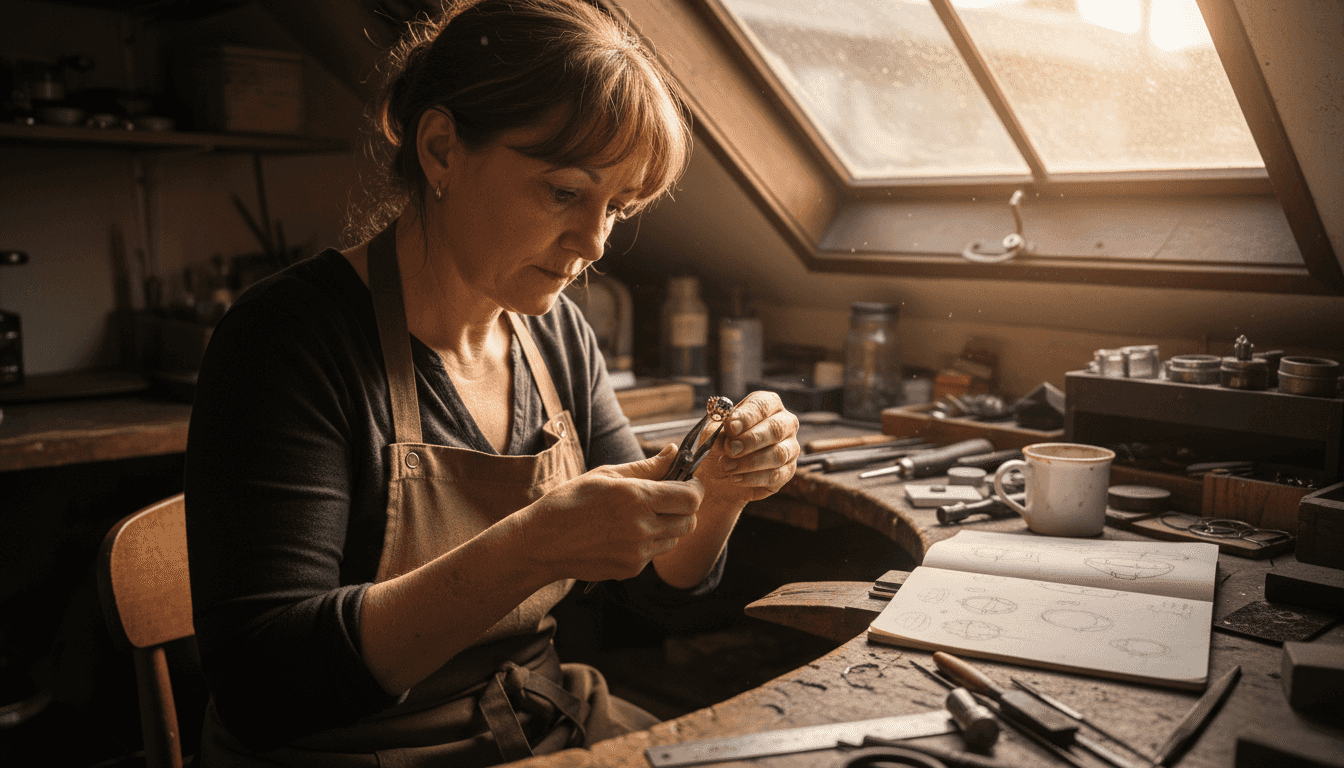
Traditional techniques like hand-engraving, milgrain detailing, and pave stone setting require years of skill development. These methods produce distinctive character and exceptional durability. Modern innovations including computer-aided design and precision laser welding complement traditional skills, enabling complex custom designs while maintaining quality standards.
Customization enhances both emotional and investment value. Customizing engagement rings allows personalization reflecting your relationship’s unique story. Custom pieces often receive greater care during production, with artisans dedicating focused attention to individual projects rather than mass production.
Quality indicators in craftsmanship include:
- Symmetrical stone settings with secure prongs or bezels
- Smooth interior surfaces preventing skin irritation or fabric snagging
- Consistent metal thickness ensuring structural strength
- Precise sizing allowing comfortable wear without spinning
- Professional finishing eliminating rough edges or visible tool marks
Pro Tip: Examine ring undersides and interior surfaces carefully. Quality craftsmen finish every surface, not just visible areas. Poor finishing in hidden zones often signals rushed production cutting corners elsewhere.
Design quality balances aesthetic appeal with practical wearability. Rings with extremely high settings or protruding elements risk damage during daily activities. Well-designed pieces protect stones through thoughtful engineering while maintaining visual elegance. This attention to functional design preserves your investment against accidental harm.
Investing in superior craftsmanship costs more initially but pays dividends through decades of wear. Well-made rings require fewer repairs, maintain appearance longer, and command better resale values. The expertise invested in production becomes part of the ring’s lasting worth.
Sustainability and Ethical Selection
Sustainability increasingly influences engagement ring investments as buyers prioritize environmental and social responsibility. Lab-grown diamonds offer compelling ecological benefits. These stones require significantly less land disruption, water consumption, and energy compared to traditional mining. For budget-conscious buyers, lab-grown diamonds typically cost 40% to 60% less than natural equivalents while maintaining identical physical properties.
The lab-grown diamond engagement rings market has matured rapidly, with major retailers now offering extensive selections. These stones carry the same sparkle, hardness, and chemical composition as mined diamonds. Gemological laboratories certify them using identical grading standards. The primary difference lies in origin, not quality or beauty.
Vintage and antique engagement rings are resurging due to their sustainability, unique story, and timeless designs. Purchasing pre-owned jewelry eliminates new resource extraction entirely. These rings often feature craftsmanship techniques rarely seen in modern production, adding distinctive character. The vintage market has grown substantially as sustainability-minded buyers recognize these pieces as both ethical and investment-worthy.
Ethical sourcing extends beyond environmental concerns to human rights considerations. Responsible retailers verify supply chains, ensuring gemstones and metals originate from conflict-free sources respecting worker welfare. This transparency builds buyer confidence and supports long-term value retention as ethical standards become market expectations rather than premium features.
Sustainable jewelry benefits include:
- Reduced environmental footprint through recycled metals or lab-grown stones
- Support for fair labor practices and community development
- Unique vintage designs unavailable in contemporary production
- Cost savings enabling higher quality within budget constraints
Transparency in sourcing has become a value driver. Rings with documented ethical origins appeal to socially conscious buyers, potentially enhancing resale prospects. As sustainability awareness grows, ethically sourced jewelry may command premiums over pieces with unclear provenance. Choosing vintage ring sustainability trends positions your purchase advantageously for future value.
Emerging Trends and Consumer Preferences
Market dynamics reveal dramatic shifts in engagement ring preferences. Gemstone engagement rings have grown market share from 5% to over 15% in a decade, reflecting consumer demand for distinct, personalized rings. Sapphires, emeralds, and rubies now compete seriously with diamonds, particularly among younger buyers valuing uniqueness over tradition.
Vintage and antique engagement rings are resurging due to their sustainability, unique story, and timeless designs. Art Deco, Victorian, and Edwardian styles attract buyers seeking pieces with historical character. This trend supports circular economy principles while offering access to exceptional craftsmanship.
Younger generations prioritize customization and personal meaning. They research extensively, comparing options across multiple retailers before purchasing. Transparency regarding materials, pricing, and sourcing practices strongly influences their decisions. These buyers often favor experiences and values over conspicuous consumption, driving demand for meaningful rather than merely expensive rings.
| Trend Category | Market Impact | Key Driver |
|---|---|---|
| Colored Gemstones | 15% market share, tripling in 10 years | Desire for personalization and uniqueness |
| Vintage/Antique | Growing resale market segment | Sustainability values and distinctive design |
| Lab-Grown Diamonds | 40-60% price advantage | Affordability and ethical concerns |
| Customization | Premium willingness for personalized design | Individual expression and relationship symbolism |
The 2026 engagement ring trends forecast continued growth in mixed-metal designs, east-west stone orientations, and nature-inspired motifs. Stackable rings allowing style evolution appeal to buyers viewing jewelry as dynamic rather than static. These preferences reshape what constitutes investment-worthy design.
Gemstone ring market data shows sapphires leading colored stone popularity, followed by emeralds and rubies. Durability plays a key role, as these three gemstones rank highest on the Mohs hardness scale after diamonds. Their resilience suits daily engagement ring wear while offering color variety.
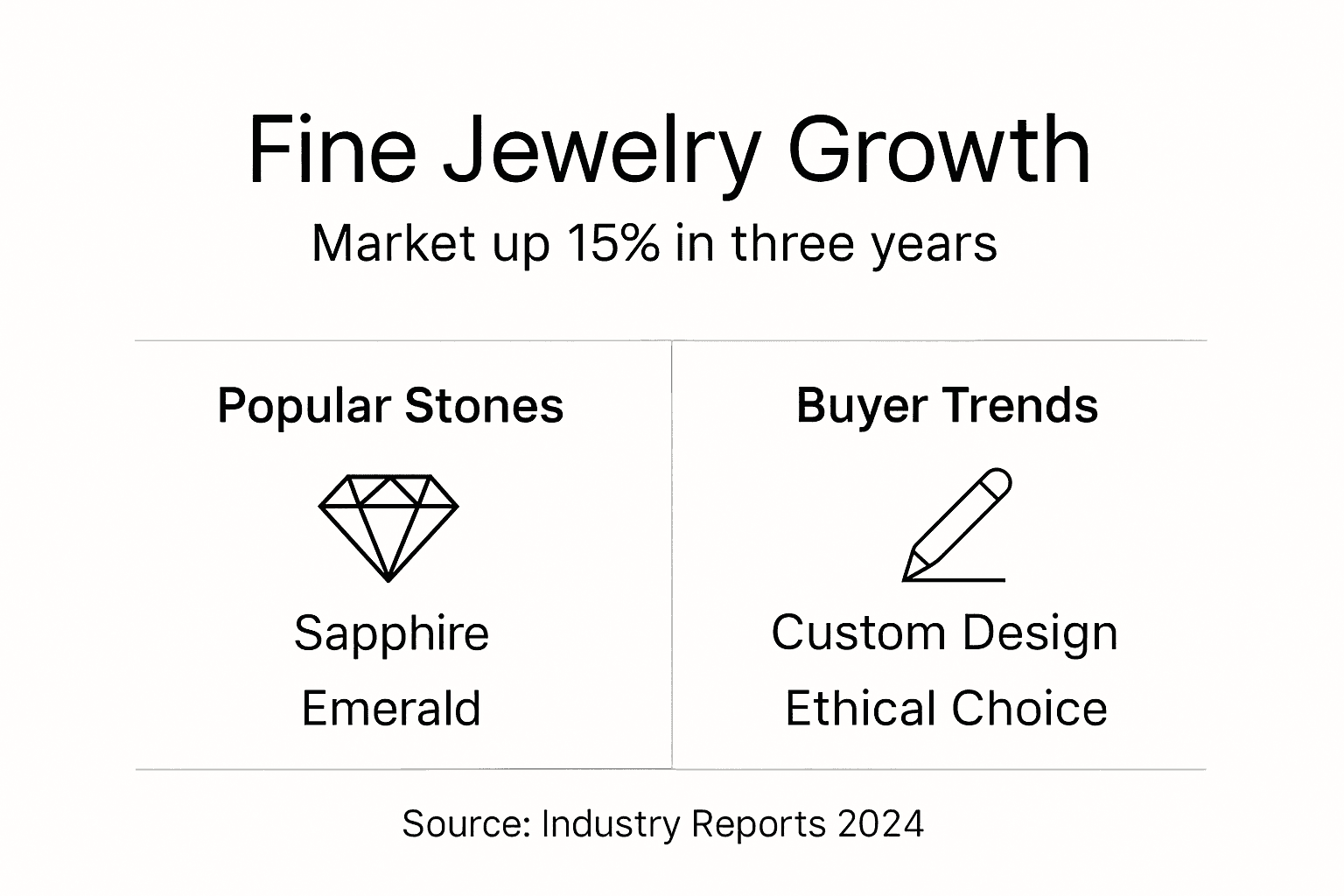
Understanding these trends helps align your investment with market momentum. Rings reflecting current preferences typically maintain stronger resale values than outdated styles. However, truly timeless designs transcending temporary trends offer the most reliable long-term value.
Balancing Affordability and Quality
Navigating engagement ring budgets requires strategic thinking. Traditional advice suggested spending two to three months’ salary, but contemporary buyers increasingly reject this arbitrary standard. Realistic budgets vary dramatically based on financial circumstances, priorities, and alternative goals like home purchases or debt reduction.
Common spending ranges span $1,000 to $10,000, with median purchases around $3,000 to $5,000. However, beautiful, high-quality rings exist at every price point. Success depends on understanding value drivers and making informed tradeoffs. Lab-grown diamonds enable significant savings, with affordable lab-grown diamond options offering excellent quality at accessible prices.
Assessing gemstone quality involves understanding the four Cs: cut, color, clarity, and carat weight. Prioritizing cut quality over size maximizes visual impact within budget. Well-cut smaller stones often appear more brilliant than poorly cut larger ones. For diamonds, choosing slightly lower color or clarity grades imperceptible to untrained eyes saves substantially without sacrificing beauty.
Quality assessment steps:
- Request gemological certification from GIA, AGS, or equivalent laboratories verifying stone characteristics
- Compare certified specifications against asking prices using online databases
- Examine stones under various lighting conditions revealing true appearance
- Verify metal purity through hallmarks and seller documentation
- Assess setting security and craftsmanship quality through close inspection
- Research retailer reputation through independent reviews and ratings
Pro Tip: Focus budget on elements affecting daily enjoyment rather than resale value alone. A slightly smaller, better-cut stone in superior setting provides more satisfaction than a larger, poorly set stone bought purely as investment.
Lab-grown diamonds represent a strategic affordability choice. These stones cost 40% to 60% less than natural equivalents while maintaining identical physical, chemical, and optical properties. For buyers prioritizing size or quality within fixed budgets, lab-grown stones deliver exceptional value. Their environmental benefits add appeal for sustainability-conscious purchasers.
Flexibility in metal choice affects budgets significantly. Platinum costs more than white gold but offers superior durability and hypoallergenic properties. Yellow or rose gold typically cost less than white alternatives while providing distinctive warmth. Understanding these tradeoffs helps optimize spending across all ring components.
Common Misconceptions About Jewelry Investment
Myths surrounding jewelry investment create confusion and poor purchasing decisions. Addressing these misconceptions clarifies realistic expectations and better decision-making.
The belief that diamonds always appreciate represents the most pervasive myth. While exceptional stones may gain value, typical retail diamonds depreciate 50% to 75% immediately upon purchase due to retail markups. Market saturation from stable production and lab-grown competition limits appreciation potential for common grades. Investment-grade natural diamonds exist, but they represent rare specimens with exceptional characteristics.
Lab-grown diamonds face skepticism regarding legitimacy and value. These stones are chemically, physically, and optically identical to mined diamonds. They’re not “fake” but rather differently sourced. Their growing market reflects genuine consumer acceptance. However, their resale values currently trail natural diamonds as production costs decline and supply expands. Buyers should view lab-grown diamonds primarily for personal enjoyment rather than investment appreciation.
Colored gemstones suffer from assumptions they lack investment legitimacy. In reality, rare natural sapphires, rubies, and emeralds can outperform diamonds in value retention and appreciation. However, quality and provenance matter enormously. Certified stones from legendary sources like Burma, Kashmir, or Colombia command premiums, while common treated stones have limited investment potential.
Additional misconceptions include:
- Bigger always means better value (cut quality and overall beauty matter more)
- Insurance appraisals reflect true market value (they typically overstate for coverage purposes)
- All certification is equivalent (major laboratories maintain stricter, more consistent standards)
- Trendy designs hold value as well as classics (fashion-forward styles typically date quickly)
- Retail prices indicate inherent worth (markups vary dramatically between sellers)
Understanding lab-grown diamond value explained helps buyers make informed choices matching their priorities. If affordability, size, or sustainability matter most, lab-grown stones excel. If potential appreciation or traditional prestige rank higher, natural stones may suit better. Neither choice is wrong when aligned with personal values.
Realistic expectations protect against disappointment. View engagement rings primarily as emotional investments symbolizing commitment. Any financial value retention becomes a bonus rather than the primary purpose. This mindset enables choices based on personal meaning rather than speculative financial projections.
Practical Steps to Invest in Fine Jewelry
Actionable guidance transforms knowledge into confident purchasing decisions. Following structured steps ensures your investment balances quality, authenticity, and personal meaning.
Investment process:
- Research gemstone and metal types thoroughly, understanding properties, durability, and market dynamics for each option you’re considering.
- Establish a realistic budget accounting for all costs including setting, sizing, insurance, and potential future maintenance or repairs.
- Verify certification through recognized gemological laboratories, never relying solely on seller descriptions or in-house grading.
- Compare prices across multiple reputable retailers, factoring in return policies, warranties, and customer service quality beyond just initial cost.
- Choose sellers with established reputations, verified reviews, and transparent business practices including clear return and warranty terms.
- Inspect rings in person when possible, examining craftsmanship details, stone security, and overall construction quality.
- Consider customizing engagement rings to create unique pieces reflecting your relationship’s distinct character and story.
- Document your purchase thoroughly with photographs, certification copies, and detailed receipts for insurance and future reference.
Certification verification deserves special attention. Genuine certificates include unique report numbers verifiable through laboratory websites. GIA, AGS, and IGI represent gold standards for diamond grading. For colored gemstones, GIA, AGL, and Gubelin provide respected certification. Beware of in-house or unknown laboratory grading, which may inflate quality claims.
Reputable retailers demonstrate transparency through detailed product descriptions, high-quality photography, and responsive customer service. They offer reasonable return periods allowing proper evaluation. Warranties covering manufacturing defects provide additional security. Red flags include pressure tactics, suspiciously low prices, or resistance to questions.
Customization enhances both value and personal symbolism. Working with experienced jewelers to modify existing designs or create entirely new pieces ensures perfect alignment with your vision. Custom rings often receive superior attention during production, with artisans investing extra care in individual projects. The resulting uniqueness adds emotional and potentially financial value.
Insurance protects your investment against loss, theft, or damage. Obtain professional appraisals from independent gemologists rather than relying on retail estimates. Specialized jewelry insurance typically costs 1% to 2% of appraised value annually. Document rings thoroughly with professional photographs from multiple angles.
Explore Affordable Fine Jewelry Options Today
Your perfect engagement ring balances quality, authenticity, and budget reality. Understanding investment fundamentals empowers confident choices honoring both your relationship and financial wisdom. Whether you prioritize natural diamonds, lab-grown alternatives, or colored gemstones, certified quality and superior craftsmanship ensure lasting value.
Explore curated collections offering exceptional value across all price points. Affordable real diamond engagement rings prove budget constraints need not compromise beauty or quality. Lab-grown diamond engagement rings deliver brilliant stones at accessible prices while supporting sustainability. Browse the wide selection of engagement rings featuring diverse styles, gemstones, and customization options designed for every preference and budget.
Why Invest in Fine Jewelry? Frequently Asked Questions
How do I verify an engagement ring’s certification is legitimate?
Check the certificate’s unique report number on the issuing laboratory’s official website. Reputable labs like GIA, AGS, and IGI maintain searchable databases verifying report authenticity and matching certificate details to recorded grades.
Do lab-grown diamonds have resale value compared to natural diamonds?
Lab-grown diamonds currently resale at lower percentages of purchase price than natural diamonds due to declining production costs and expanding supply. However, their initial affordability often offsets this difference for budget-focused buyers prioritizing immediate value and sustainability.
What makes vintage engagement rings a sustainable investment choice?
Vintage rings eliminate new resource extraction entirely while offering unique craftsmanship and designs unavailable in contemporary production. Their circular economy benefits combine with potential value appreciation as demand for distinctive, ethically sourced jewelry grows among conscious consumers.
How much should I realistically budget for a quality engagement ring?
Realistic budgets vary by personal financial circumstances rather than arbitrary salary formulas. Quality rings exist from $1,000 to $10,000 and beyond, with median purchases around $3,000 to $5,000. Prioritize certified stones, superior craftsmanship, and reputable sellers over meeting specific spending thresholds.
Can colored gemstone engagement rings match diamond value retention?
High-quality sapphires, rubies, and emeralds from prestigious sources can equal or exceed diamond value retention. However, certification, provenance, and treatment disclosure significantly impact worth. Research specific gemstone investment characteristics and verify authenticity through recognized gemological laboratories.
What customization options enhance both emotional and financial ring value?
Personalized engraving, unique stone selections, custom metalwork, and design modifications reflecting relationship symbolism enhance emotional significance. Financially, superior craftsmanship in custom pieces and distinctive designs can improve resale appeal compared to mass-produced alternatives. Explore lab-grown diamond engagement rings FAQ for additional guidance on maximizing customization value.
Recommended
- Why Invest in Diamond Jewelry: Value, Beauty, and Security
- Why Buy Jewelry Online: Key Benefits In 2026
- Why Buy Fashion Jewelry: Smart Style and Value
- Why Affordable Luxury Jewelry Appeals in 2026
