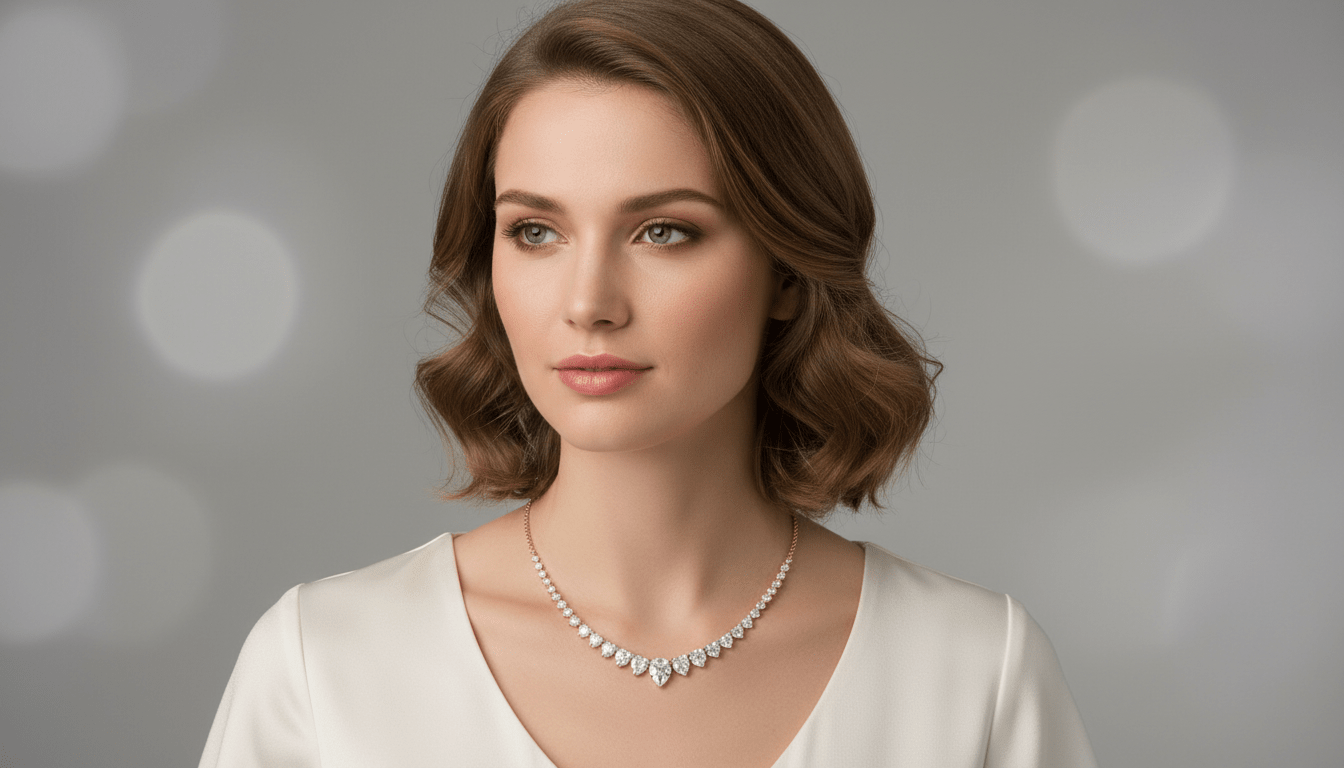
Buying a diamond necklace feels overwhelming with confusing quality grades, settings, and price ranges. Research shows 45% of buyers regret purchases due to poor cut or uncertified stones. This guide demystifies diamond quality through the 4Cs, explores settings and metals, compares lab-grown versus natural diamonds, and reveals common mistakes so you confidently select a stunning necklace matching your style and budget.
Table of Contents
- Understanding The 4Cs Of Diamonds
- Choosing The Right Necklace Settings And Metals
- Customization Options To Personalize Your Diamond Necklace
- Lab-Grown Vs Natural Diamonds: Cost, Quality, And Ethics
- Budgeting And Price Expectations For Diamond Necklaces
- Common Mistakes And How To Avoid Them
- Verification, Warranty, And After-Sales Care
- Summary And Next Steps For Confident Diamond Necklace Buying
- Explore Affordable Diamond Necklaces At SuperJeweler
- Frequently Asked Questions
Key Takeaways
| Point | Details |
|---|---|
| Master the 4Cs | Cut quality determines sparkle more than carat weight, and certification from GIA or AGS confirms authenticity. |
| Choose durable settings | Bezel settings protect diamonds for daily wear while prong settings maximize brilliance for special occasions. |
| Consider lab-grown diamonds | Lab-grown options cost 30 to 40% less with identical quality and ethical sourcing benefits. |
| Avoid common mistakes | Never skip certification, prioritize cut over carat, and verify warranty and return policies before purchase. |
| Verify after-sales support | Confirm 30+ day return windows and maintenance coverage to protect your investment long term. |
Understanding the 4Cs of Diamonds
Diamond quality rests on four fundamental characteristics that directly impact your necklace’s beauty and value. The 4Cs (Cut, Carat, Color, Clarity) form the universal grading system jewelers use worldwide.
Cut determines how light travels through a diamond, creating the sparkle you notice first. Grades range from Excellent to Poor, with superior cuts producing maximum brilliance even in smaller stones. Many buyers mistakenly chase larger carat weights while accepting mediocre cuts, resulting in dull stones that disappoint.
Carat measures weight, not physical size, though the two correlate closely. A well-cut 0.75 carat diamond often appears larger and more brilliant than a poorly cut 1 carat stone. Color grades span D (completely colorless) to Z (noticeable yellow or brown tint), with most quality necklaces using grades between D and J.
Clarity reflects internal and external imperfections called inclusions and blemishes. Grades from Flawless to Included indicate visibility of these characteristics. For necklaces worn at typical viewing distances, VS1 or VS2 clarity provides excellent value since minor inclusions remain invisible to the naked eye.
Certification from reputable laboratories like GIA or AGS verifies these grades objectively. Always request the grading report before purchase. A certified diamond guarantees you receive the quality advertised, while uncertified stones leave you vulnerable to inflated claims.
Pro Tip: Prioritize Excellent or Very Good cut grades over higher carat weights. A brilliantly cut 0.80 carat diamond outshines a poorly cut 1.10 carat stone every time, and you’ll save money while getting more sparkle.
When evaluating diamonds for your necklace, focus first on cut quality and certification. Then balance carat, color, and clarity within your budget. Understanding this hierarchy prevents overspending on less important factors. For deeper insight into grading terminology, explore this diamond terminology guide covering industry standards.
Choosing the Right Necklace Settings and Metals
Your setting choice affects both the visual impact and practical durability of your diamond necklace. Three popular settings offer distinct advantages depending on your lifestyle and aesthetic preferences.
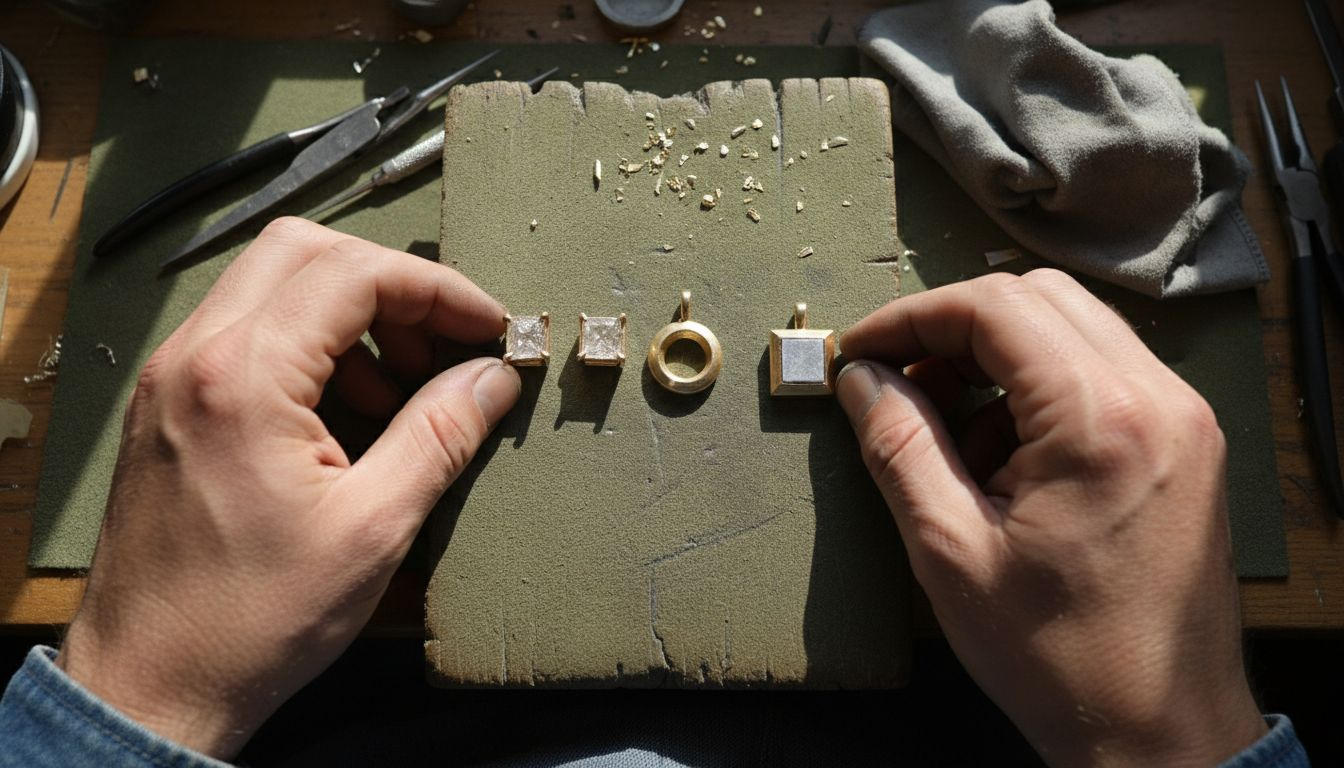
Prong settings use small metal claws to hold diamonds, maximizing light exposure for exceptional sparkle. This classic style suits special occasions but requires careful handling since prongs can catch on clothing. Four or six prong configurations provide adequate security while showcasing the stone’s brilliance.
Bezel settings surround the diamond’s perimeter with a metal rim, offering superior protection for active lifestyles. The metal border reduces light entry slightly compared to prongs, but the tradeoff brings peace of mind during daily wear. Modern thin bezels minimize this effect while maintaining full protection.
Halo settings feature a ring of smaller accent diamonds encircling the center stone, amplifying perceived size and creating luxurious visual impact. This design increases both sparkle and cost, making it ideal when you want maximum presence within a modest budget.
Metal selection balances durability, appearance, and price across four primary options:
- Yellow gold delivers timeless warmth and complements most skin tones while requiring periodic polishing
- White gold offers a contemporary platinum look at lower cost but needs rhodium replating every few years
- Rose gold provides romantic pinkish hues trending strongly among younger buyers
- Platinum brings maximum durability and hypoallergenic properties at premium pricing
Pro Tip: Match your necklace metal to rings and earrings you wear daily for a cohesive look. Mixing metals works for fashion-forward styles, but coordinating creates elegant simplicity.
For lifestyle considerations, choose bezel or flush settings if you work with your hands or exercise frequently. Prong and halo settings suit office environments and special occasions where extra care prevents damage. The right pairing of setting and metal creates a necklace that looks stunning while surviving your daily routine.
Customization opportunities expand when you select settings, allowing precise control over the final design. Services like custom diamonds by the yard let you specify diamond placement, chain style, and length for truly personalized pieces.
Customization Options to Personalize Your Diamond Necklace
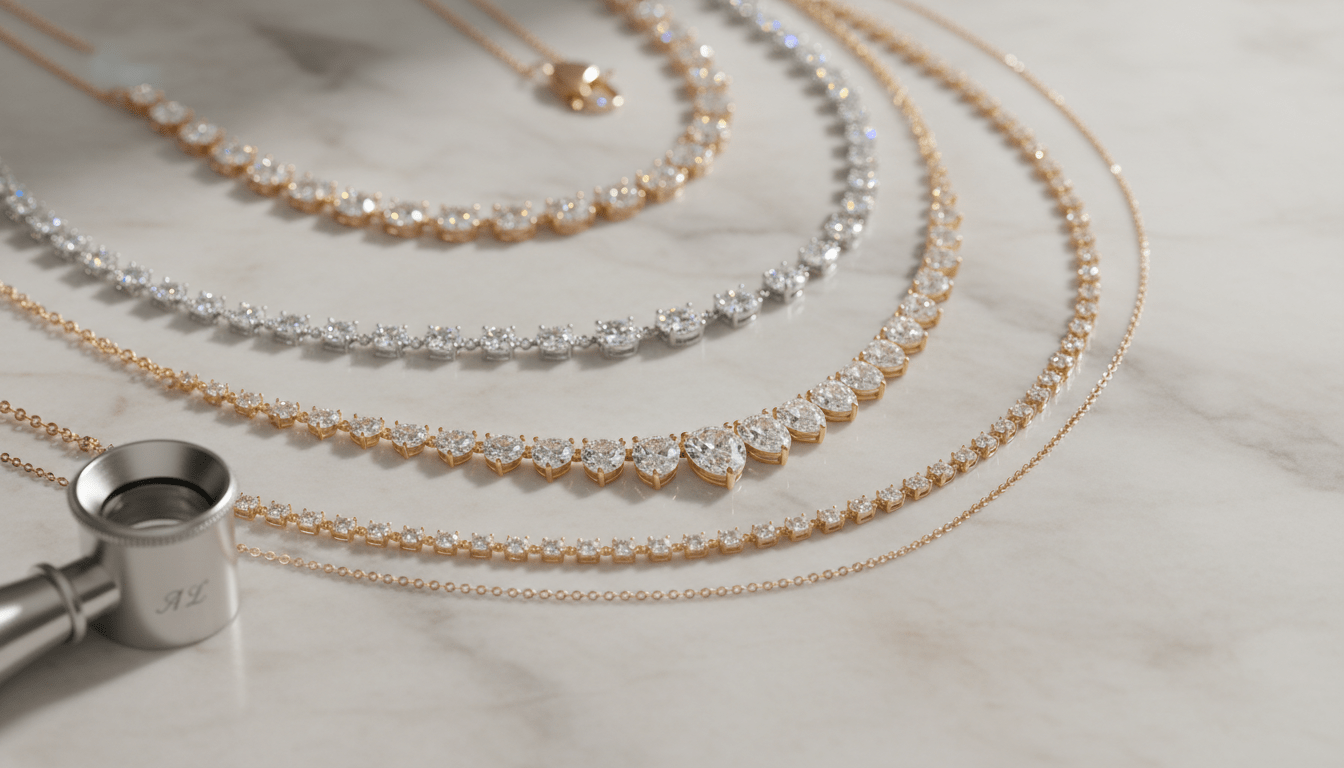
Personalization transforms a beautiful necklace into a meaningful piece reflecting your unique style and story. Multiple customization dimensions let you craft exactly what you envision within your budget constraints.
Diamond shape selection dramatically alters the necklace’s character. Round brilliants deliver maximum sparkle through superior light performance. Princess cuts offer modern geometric appeal with sharp corners. Oval, marquise, and pear shapes create elongated elegance that flatters the neckline. Each shape carries different price points, with rounds typically commanding premiums for their popularity and cutting complexity.
Metal color choice extends beyond the base metal to include various finishing techniques. Yellow gold ranges from 10K to 18K purity, affecting both color intensity and price. White gold comes rhodium plated for bright silver appearance. Rose gold blends copper for distinctive pink warmth. Platinum provides naturally white luster that never fades or requires replating.
Chain customization includes length selection from delicate 16 inch chokers to dramatic 24 inch opera lengths. Style options span classic cable chains, elegant box chains, and decorative rope or wheat patterns. Chain thickness must support your diamond’s weight while maintaining proportional aesthetics.
Engravings add sentimental value through names, dates, or short messages inscribed on pendants or clasps. This personal touch transforms jewelry into heirlooms while adding minimal cost. Consider meaningful coordinates, initials, or anniversary dates that hold significance.
Accent gemstones introduce color and complexity when strategically placed around the main diamond. Sapphires, rubies, or emeralds create striking contrast, while additional smaller diamonds build graduated sparkle. Each addition affects final pricing, so balance visual impact against budget realities.
Customization empowers you to maximize value by investing in features you’ll appreciate daily while economizing on less important elements. A smaller certified diamond in your preferred shape and metal often satisfies more than a larger stone in a standard setting that doesn’t match your style. Browse personalized diamond necklaces to visualize how individual choices combine into cohesive designs.
Lab-Grown vs Natural Diamonds: Cost, Quality, and Ethics
The choice between lab-grown and natural diamonds represents one of the most significant decisions in your buying process, affecting price, ethics, and long-term value considerations.
Lab-grown diamonds cost 30 to 40% less than natural equivalents while maintaining identical physical, chemical, and optical properties. Advanced technology replicates the natural formation process in controlled environments, producing stones indistinguishable without specialized equipment. This price advantage lets you afford larger or higher quality diamonds within the same budget.
Natural diamonds carry traditional prestige rooted in billions of years of geological formation and cultural significance. Their rarity supports better resale value and investment potential compared to lab-grown alternatives. Older generations often prefer natural stones for engagement and heirloom jewelry, viewing them as more authentic or meaningful.
Ethical considerations increasingly drive purchasing decisions, especially among younger buyers. Lab-grown diamonds eliminate concerns about conflict mining, environmental destruction, and exploitative labor practices sometimes associated with natural diamond extraction. This guaranteed ethical sourcing appeals strongly to socially conscious consumers.
Consumer preferences shift notably by demographic, with buyers under 35 choosing lab-grown options at accelerating rates. Younger purchasers prioritize value, ethics, and size over traditional prestige, while older buyers maintain loyalty to natural diamonds. Understanding your values helps clarify which option aligns with your priorities.
| Factor | Lab-Grown Diamonds | Natural Diamonds |
|---|---|---|
| Price | 30 to 40% less expensive | Premium pricing for rarity |
| Quality | Identical 4Cs properties | Identical 4Cs properties |
| Ethics | Guaranteed conflict-free | Variable sourcing standards |
| Resale Value | Lower secondary market value | Better long-term investment |
| Environmental Impact | Minimal ecological footprint | Significant mining impact |
Both options deliver stunning beauty when you select high quality stones with excellent cuts and proper certification. The “right” choice depends entirely on whether you prioritize cost savings and ethics or traditional prestige and resale potential. Neither compromises the daily sparkle and joy your necklace provides.
For shoppers seeking maximum value without sacrificing quality, lab-grown diamond necklaces offer compelling advantages. Learn more about balancing cost and responsibility through affordable and ethical lab-grown diamonds that meet rigorous quality standards.
Budgeting and Price Expectations for Diamond Necklaces
Realistic budget planning prevents disappointment and helps you focus on options delivering the best value within your financial comfort zone. Diamond necklace pricing varies dramatically based on the quality factors you now understand.
Entry-level diamond necklaces start near $500 for smaller stones (0.25 to 0.50 carats) in simple settings with good but not exceptional grades. These pieces work beautifully for everyday wear and introductory diamond jewelry. Expect SI1 to SI2 clarity, I to J color, and Very Good cuts in these ranges.
Mid-range selections from $1,500 to $3,000 deliver 0.75 to 1 carat diamonds with superior quality grades. You’ll find VS1 to VS2 clarity, G to H colors, and Excellent to Very Good cuts that produce impressive sparkle. This tier includes more elaborate settings like halos or custom metalwork that elevate the overall design.
High-end necklaces exceeding $10,000 feature exceptional diamonds above 1.5 carats with top grades across all 4Cs. Flawless or VVS clarity, D to F colorless grades, and Ideal cuts combine with platinum settings and intricate designs. These investment pieces become treasured heirlooms passed through generations.
Lab-grown diamonds reduce costs by 30 to 40% within each tier, letting you afford larger stones or better grades. A $2,000 budget buys a 1 carat lab-grown diamond with excellent specifications, while the same money limits you to 0.60 carats in natural stones. Simpler settings also stretch budgets without sacrificing durability or beauty.
Key budget considerations:
- Establish your absolute maximum before shopping to avoid emotional overspending
- Allocate funds strategically across the 4Cs based on personal priorities
- Factor in sales tax, shipping, insurance, and potential resizing or customization fees
- Remember that setting complexity affects labor costs beyond diamond pricing
- Consider financing options for larger purchases if offered with reasonable terms
Setting a firm budget guides every subsequent decision, filtering options to realistic candidates. This discipline prevents the common mistake of falling in love with pieces beyond your means, then compromising quality to afford them.
Common Mistakes and How to Avoid Them
Understanding frequent buying errors helps you sidestep the disappointment and financial loss that plague uninformed purchasers. Research indicates 45% of buyers regret purchases due to preventable mistakes.
Overemphasizing carat weight while ignoring cut quality ranks as the most common error. Marketing heavily promotes size, but a poorly cut large diamond looks dull and lifeless compared to a smaller stone with superior proportions. Always prioritize cut grade over carat weight for maximum beauty and value.
Purchasing without certification leaves you vulnerable to inflated quality claims and potential fraud. Uncertified diamonds may grade lower than advertised, costing you thousands in overpayment. Reputable labs like GIA and AGS provide objective verification that protects your investment. Never accept verbal assurances over documented proof.
Neglecting setting durability for daily wear creates frustration when delicate designs require constant repairs. Prong settings need periodic inspection and tightening, while elaborate designs snag on clothing. Match your setting choice to your lifestyle honestly rather than selecting the most visually striking option.
Ignoring warranty and return policies eliminates your safety net if problems emerge after purchase. Flexible return windows let you verify quality and ensure satisfaction without pressure. Comprehensive warranties cover repairs, maintenance, and sometimes exchanges, protecting against defects and damage.
“The biggest regret I hear from clients is choosing a beautiful but impractical design they rarely wear because it catches on everything. Your necklace should enhance your daily life, not create anxiety about damaging it.” — Master Jeweler, 20+ years experience
Critical mistakes to avoid:
- Skipping certification from reputable labs like GIA or AGS
- Focusing solely on carat size while accepting poor cuts
- Choosing fragile settings incompatible with your lifestyle
- Failing to verify warranty coverage and return policies
- Buying from unknown retailers without researching reputation
- Neglecting to compare prices across multiple trusted sources
Preventing these errors requires patience and research, but the payoff comes through years of satisfaction with your purchase. Take time to verify every claim, compare options thoroughly, and trust only established retailers with strong customer service records. Learn more about diamond buying mistakes to avoid through real buyer experiences.
Verification, Warranty, and After-Sales Care
Securing your purchase through proper verification and understanding post-sale support completes your buying process with confidence and peace of mind.
Follow these essential verification steps:
- Request the diamond’s grading report from GIA, AGS, or equivalent reputable laboratory before finalizing purchase.
- Compare the report’s specifications against the retailer’s listing to confirm consistency in carat, cut, color, and clarity.
- Examine the diamond’s unique laser inscription number (if present) using a jeweler’s loupe to match the certificate.
- Verify the setting’s metal purity stamp (14K, 18K, or PLAT) inside the clasp or pendant mount.
- Review customer testimonials and third-party ratings for the retailer to assess reliability and service quality.
- Photograph or video record the necklace upon receipt, documenting its condition for potential return or insurance claims.
Return policies provide critical protection during the initial ownership period. Reputable jewelers offer 30 to 60 day return windows allowing full refunds if the piece doesn’t meet expectations. Read the fine print regarding original condition requirements, restocking fees, and whether custom work voids returns. This flexibility eliminates purchase pressure and lets you verify quality thoroughly.
Warranty coverage varies significantly between retailers, affecting long-term ownership costs. Comprehensive warranties include free resizing, prong retipping, chain repairs, and cleaning services for specified periods. Some extend to lifetime coverage for manufacturing defects. Clarify exactly what’s covered, any deductibles or fees, and how to access warranty services before you need them.
Maintenance practices preserve your necklace’s beauty across decades. Clean your diamonds monthly using warm water and mild dish soap with a soft brush. Store pieces separately in fabric-lined compartments preventing scratches. Remove necklaces before showering, swimming, or applying lotions that can dull metal finishes. Schedule professional inspections annually to catch loose prongs or worn clasps before stones fall out.
Insurance protects against loss, theft, or catastrophic damage beyond warranty coverage. Specialized jewelry insurance or homeowner’s policy riders typically cost 1 to 2% of the piece’s value annually. Maintain updated appraisals and photos to support claims if needed.
Summary and Next Steps for Confident Diamond Necklace Buying
You now possess the knowledge to evaluate diamond necklaces like an expert, balancing quality, style, budget, and personal values into informed decisions. Start by prioritizing cut quality and verified certification over carat size alone, ensuring maximum brilliance within your budget. Select necklace settings that match your lifestyle’s demands, choosing durability for active wear or showcase designs for special occasions.
Customize features strategically, investing in elements you’ll appreciate daily while economizing on less visible factors. Consider lab-grown diamonds when cost savings and ethical sourcing align with your priorities, or choose natural stones for traditional prestige and resale value. Before finalizing any purchase, verify certification authenticity, confirm generous return policies, and understand warranty coverage protecting your investment long term.
Take your time comparing options across trusted retailers, reading reviews, and asking questions until you feel completely confident. The right diamond necklace becomes a treasured piece you’ll wear and love for years, so patience during selection pays dividends through lasting satisfaction.
Explore Affordable Diamond Necklaces at SuperJeweler
Ready to find your perfect diamond necklace? SuperJeweler offers an extensive collection combining certified quality, competitive pricing, and flexible customization. Whether you prefer lab-grown diamond necklaces delivering exceptional value or personalized diamond necklaces reflecting your unique style, you’ll discover options starting near $500 without sacrificing quality.
very piece features certified diamonds, transparent grading, and comprehensive warranties protecting your purchase. Customize metal type, diamond shape, and chain length to create exactly what you envision. With free worldwide shipping and trusted service, SuperJeweler makes finding affordable real diamond jewelry simple and stress-free. Browse the collection today and discover why thousands trust SuperJeweler for their most meaningful jewelry purchases.
Frequently Asked Questions
How do I verify a diamond necklace’s authenticity?
Request certification from GIA or AGS laboratories and review the detailed grading report matching the stone’s specifications. Verify the retailer’s reputation through customer reviews and industry ratings before purchase. Reputable jewelers provide documentation willingly and stand behind their claims.
What setting is best for everyday wear?
Bezel settings offer maximum protection and durability for active lifestyles by surrounding diamonds with metal borders. Prong settings maximize sparkle but require more careful handling and periodic maintenance. Choose based on how you’ll wear the necklace daily.
Are lab-grown diamonds as good as natural ones?
Lab-grown diamonds possess identical physical, chemical, and optical properties as natural diamonds, receiving the same 4Cs grading. They cost 30 to 40% less while guaranteeing ethical sourcing. The only differences lie in origin story and resale value, not quality or beauty.
How can I avoid common diamond necklace buying mistakes?
Prioritize cut quality and verified certification over carat size to ensure brilliant sparkle. Research warranty terms and return policies thoroughly before purchasing. Buy exclusively from established retailers with strong customer service reputations and transparent grading practices.
What’s the ideal chain length for a diamond necklace?
Chain length depends on your neckline preference and body type, with 16 to 18 inches suiting most wearers as classic choices. Shorter 14 to 16 inch chokers sit high on the neck, while 20 to 24 inch lengths create dramatic drops. Try different lengths before deciding to ensure comfortable fit and desired visual effect.
Recommended
- Diamond Necklace Terminology: What Every Buyer Should Know
- Shop Perfect Diamond Tennis Necklace At Amazing Prices | SuperJeweler
- Lab Grown Diamond Necklace | SuperJeweler
- Diamonds By The Yard Necklace | Huge Selection At Low Prices From SuperJeweler
