A gemstone necklace delivers color, personal symbolism, and a clear visual focal point in a single piece of jewelry. Whether you’re shopping for yourself, choosing a gift, or considering an engagement-adjacent keepsake, the benefits of gemstone jewelry go well beyond aesthetics. Industry commentary and consumer perspectives indicate that gemstone jewelry is perceived to have 87% more emotional impact than plain metal pieces, making emotional resonance the leading factor buyers prioritize over cost. The GIA (Gemological Institute of America) sets the certification standard that separates documented stones from undisclosed ones. Superjeweler’s gemstone necklace category covers the full range, from birthstone pendants to personalized multi-stone pieces.
The core advantages at a glance:
- Emotional meaning: Natural stones carry symbolism that plain metal simply cannot replicate.
- Styling focal point: One pendant can anchor a minimalist outfit and pull color from your clothing
- Uniqueness: Natural color variation and inclusions make every piece slightly different
- Gifting symbolism: Stone meanings (rose quartz, amethyst, garnet, citrine) align with specific intentions
- Practical durability: Harder stones in protective settings hold up well to everyday wear
Table of Contents
- What are the real advantages of gemstone necklaces?
- Why gemstone necklaces make meaningful gifts and engagement choices
- How gemstone necklaces enhance everyday outfits and evening looks
- How to choose the right gemstone necklace when shopping online
- How long do gemstone necklaces last, and how do you care for them?
- What to ask about authenticity, treatments, and ethical sourcing
- Key Takeaways
- A perspective on what gemstone necklaces actually do for the wearer
- Superjeweler’s gemstone necklace selection: where to browse next
- Useful sources
What are the real advantages of gemstone necklaces?
Emotional resonance is the most underrated reason to choose a gemstone necklace over a plain metal chain. Gemstone jewelry is perceived as having 87% more emotional impact than plain metal pieces, and many buyers rank that feeling above price when making a purchase decision. A sapphire pendant or rose quartz drop carries a story; a bare gold chain does not.
Natural stones also offer something manufactured accessories cannot: genuine individuality. Every natural gemstone varies slightly in color, texture, and pattern, so two pieces set with “the same” stone are never truly identical. That individuality is a real buying advantage, especially for shoppers who want jewelry that reflects personality rather than trend.
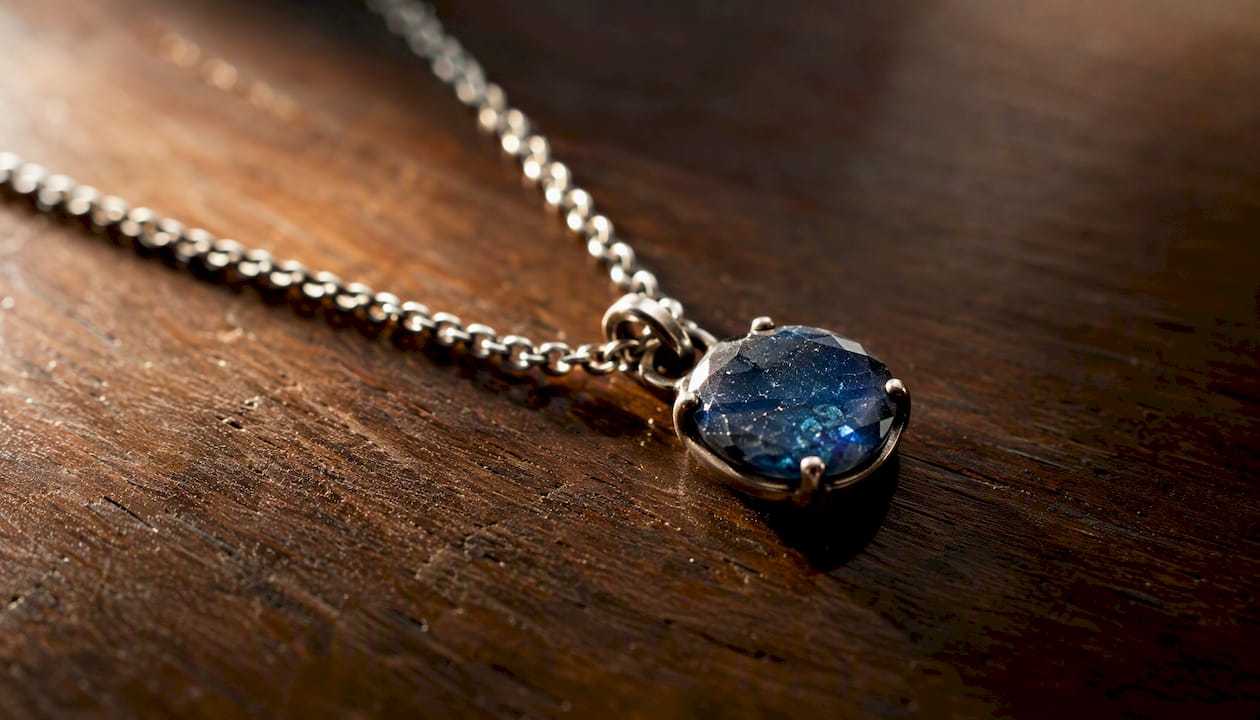
On the practical side, gemstone necklaces can hold or grow in value when properly documented. A GIA-certified natural sapphire or emerald with disclosed treatments is easier to insure, appraise, and resell than an undocumented stone. Lab-grown alternatives offer lower entry prices and identical visual appeal, but they carry different resale expectations. The choice between lab-grown and natural affects both price and what documentation you should request before buying.
Metal choice matters too. Yellow gold warms cooler-toned stones like amethyst; white gold or sterling silver lets the stone’s own color read cleanly. Skin tone, lifestyle, and budget all factor into that call.
Pro Tip: For daily wear, choose a stone rated 7 or higher on the Mohs hardness scale (sapphire, amethyst, topaz) and pair it with a bezel setting for the best protection.
Why gemstone necklaces make meaningful gifts and engagement choices
For gifting and engagement-adjacent occasions, a gemstone necklace communicates intention in a way a generic gift card never could. The stone’s meaning becomes part of the message, and that specificity is exactly what makes the gift memorable.
Common stone-meaning pairings worth knowing:
- Rose quartz: Love and compassion — the go-to for romantic partners and close friends
- Amethyst: Calm and clarity — well-suited for someone navigating stress or a big life transition
- Garnet: Devotion and protection — a strong choice for anniversaries or a parent
- Citrine: Positivity and success — ideal for graduations, new jobs, or self-gifting
GIA documents these associations as part of gemstone cultural history, though the meaning you attach to a stone is ultimately personal.
Format matters as much as stone choice. A pendant feels personal and wearable daily; a multi-stone piece can represent a relationship or family. For engagement-adjacent gifting, birthstone pendants and two-stone keepsake necklaces are gaining ground as alternatives to traditional solitaire rings. Superjeweler’s personalized jewelry category lets you filter by stone, metal, and engraving options, which is useful when you want the piece to say something specific.
Pro Tip: When gifting, pair the stone’s meaning with a handwritten note explaining why you chose it. That context transforms a pretty necklace into something the recipient keeps for decades.
How gemstone necklaces enhance everyday outfits and evening looks
A single gemstone pendant can do more styling work than most people expect. It acts as an anchor for minimalist wardrobes, pulling color from clothing into one deliberate focal point. A deep green tourmaline against a white linen shirt, for example, reads as intentional rather than decorative.
Practical styling uses:
- Color anchoring: Match the stone to one color in your outfit for a pulled-together look
- Layering: Pair a short gemstone pendant with a longer plain chain for depth without clutter
- Evening drama: Position the clasp at the front or let the pendant fall down the back of a low-cut dress for unexpected visual impact
- Metal mixing: Sterling silver paired with gemstones reads contemporary and works across casual and formal contexts
Quick necklace-length guide:
- Choker (14–16 inches): Frames the collarbone; best with crew necks and off-shoulder styles
- Princess (17–19 inches): The most versatile length; works with nearly every neckline
- Matinee (20–24 inches): Adds drama; pairs well with open necklines and evening wear
Pro Tip: Layer a 16-inch gemstone pendant over a 20-inch plain gold chain. The length difference keeps both pieces visible, and the stone becomes the clear focal point without competing with the chain.
How to choose the right gemstone necklace when shopping online
Buying a gemstone necklace online requires a short but specific checklist. Skipping any of these steps is where buyers end up with undisclosed treatments, wrong chain lengths, or settings that chip within months.
- Stone type and Mohs hardness: Confirm the stone’s identity and hardness rating. Sapphire (9), amethyst (7), and topaz (8) handle daily wear; opal (5.5–6.5) and pearl (2.5–4.5) need more care.
- Natural vs. lab-grown and treatments: Ask whether the stone is natural or lab-created, and whether it has been heat-treated, dyed, or fracture-filled. Treatments are common and not inherently bad, but they must be disclosed.
- Setting type: Bezel settings protect softer stones better than prong settings by surrounding the stone’s edges and reducing chipping risk. Prong settings show more of the stone but leave edges exposed.
- Metal type and allergy notes: Sterling silver, 14K gold, and platinum are the most common. If you have nickel sensitivity, confirm the alloy composition before buying.
- Chain length and clasp type: Use the length guide above. Lobster clasps are more secure than spring rings for daily wear.
- Certification and provenance: A GIA or AGS report adds verifiable documentation and supports resale value. Not every stone requires a lab report, but high-value pieces should have one.
- Photos and customer reviews: Look for multiple angles, scale references, and customer-uploaded images. A listing with only one studio photo is a yellow flag.
- Warranty and return policy: Confirm the return window (30 days minimum is standard) and whether the warranty covers setting damage.
Pro Tip: Use the seller’s Q&A or chat feature to ask one specific question: “Is this stone natural or lab-grown, and are there any treatments?” A seller who answers clearly and quickly is one you can trust.
How long do gemstone necklaces last, and how do you care for them?
Longevity depends on stone hardness and setting choice. A well-set sapphire in a bezel mount can last decades of daily wear; a prong-set opal pendant is better reserved for special occasions.
Cleaning steps by stone type:
- Harder stones (sapphire, amethyst, topaz): Warm water, mild dish soap, and a soft toothbrush. Rinse thoroughly and pat dry.
- Softer or porous stones (opal, pearl, turquoise): Wipe with a damp cloth only. No soaking, no ultrasonic cleaners.
- All stones: Avoid ultrasonic cleaners unless the seller or a gemologist confirms the stone is stable. Heat and vibration can worsen existing fractures.
Quick do/don’t list:
- Do store each necklace in a separate pouch to prevent scratching
- Do inspect prong tips quarterly — a loose prong is the most common cause of stone loss
- Don’t wear gemstone necklaces in chlorinated pools or while applying lotion and perfume
- Don’t leave pieces in direct sunlight for extended periods; some stones (amethyst, citrine) can fade
For high-value pieces, professional cleaning once a year and a jewelry insurance rider are both worth the cost.
What to ask about authenticity, treatments, and ethical sourcing
Ask for treatment disclosures and certification before you buy. Provenance matters for price, resale, and peace of mind.
Concrete questions to send the seller:
- Is the stone natural or lab-grown?
- Has it been heat-treated, dyed, fracture-filled, or irradiated?
- Is there a GIA, AGS, or independent lab report available?
- What is the return and warranty policy?
- Are mining or sourcing practices disclosed (Kimberley Process compliance for diamonds, fair-trade sourcing for colored stones)?
Heat treatment is standard for sapphires and rubies and generally accepted by the trade. Dye treatment in turquoise or fracture-filling in emeralds is more significant and should lower the price accordingly. A GIA report documents these treatments and gives you a verified baseline for insurance and resale.
Pro Tip: Copy those five questions into a single message to the seller. The completeness and speed of the response tells you more about the seller’s reliability than any marketing copy on the listing page.
Key Takeaways
Gemstone necklaces offer emotional meaning, styling versatility, and practical durability that plain metal pieces rarely match — provided you choose the right stone, setting, and seller.
| Point | Details |
|---|---|
| Emotional value leads | Buyers consistently prioritize emotional resonance in gemstone pieces, as industry commentary suggests gemstones deliver 87% more emotional impact compared to plain metal when choosing between options. |
| Match setting to lifestyle | Bezel settings protect softer stones better than prong settings; choose accordingly for daily wear. |
| Verify before you buy | Request treatment disclosures, a GIA or AGS report, and confirm the return window before checkout. |
| Stone meaning guides gifting | Rose quartz, amethyst, garnet, and citrine each carry distinct meanings that make gifts feel intentional. |
| Superjeweler for browsing | Superjeweler’s gemstone necklace category filters by stone, metal, and price for purchase-ready shopping. |
A perspective on what gemstone necklaces actually do for the wearer
The conversation around gemstone jewelry tends to split into two camps: people who treat stones as purely decorative and people who lean hard into crystal healing claims. Both miss the more interesting middle ground.
What a gemstone necklace actually does, reliably and without any metaphysical debate, is give the wearer a daily touchstone. Not in a mystical sense. In the same way a meaningful photograph or a worn-in watch creates a small moment of recognition every time you see it. The stone you chose, or that someone chose for you, carries the context of that decision. That context is real, and it compounds over time.
The styling argument is equally underrated. Most people think of gemstone necklaces as statement pieces, which leads them to save the piece for occasions that never quite arrive. A delicate amethyst pendant or a slim garnet drop is not a statement piece. It’s an everyday anchor, and it works precisely because it’s subtle. One piece of color, worn consistently, becomes part of how people recognize you.
The buying side is where I’d push back on conventional wisdom: certification matters more than most casual buyers realize, not because uncertified stones are necessarily bad, but because documentation is what separates a piece you can insure, resell, or pass down from one you simply own. Spend the extra time asking the right questions before checkout. The five-question checklist in this article takes two minutes to send and can save you real money later.
Superjeweler’s gemstone necklace selection: where to browse next
Fine gemstone necklaces at accessible prices, with clear specs and a return policy you can rely on. That’s the short version of what Superjeweler offers shoppers who’ve done their research and are ready to buy.

The gemstone necklace category lets you filter by stone type, metal, and price, so you’re not scrolling through hundreds of irrelevant listings. If rose quartz or pink sapphire is on your list, the pink gemstone necklaces page narrows it further. For blue stones — aquamarine, blue topaz, sapphire — the blue gemstones category covers the range. Shoppers pairing a necklace with an engagement ring will find Superjeweler’s engagement ring selection worth a look for coordinating metals and styles. Free shipping, warranty coverage, and a clear return policy are standard across the site. Start with the gemstone necklace category and use the filters to match stone, metal, and budget to what you actually need.
Useful sources
- GIA – Gemological Institute of America — Certification standards, gemstone treatment documentation, and setting guidance referenced throughout this article
- Why Consider Gemstone Necklaces: Style, Meaning, and Value – Superjeweler Blog — Editorial covering fashion drivers, birthstone trends, and personalization demand
- Lab Diamond Necklace Benefits: Your 2026 Buyer’s Guide – Superjeweler Blog — Lab-grown vs. natural comparison and treatment disclosure guidance
- Why More Women Are Choosing Gemstone Jewelry for Everyday Style – Natural Beauty with Baby — Consumer perspective on uniqueness and everyday-wear appeal of natural gemstones
- Gemstones: 87% More Emotional Impact Than Plain Metal. Truth? – Floral Gem Jewelry — Industry commentary on emotional resonance as a purchase driver
- Which Natural Stone to Give as a Gift? – My Roller Stone — Gift-format and stone-intention pairing guide
- Why Sterling Silver and Gemstone Necklaces Are Defining Modern Feminine Style – 2A Magazine — Fashion commentary on silver-and-gemstone pairings for contemporary wardrobes
Recommended
- Gemstone Necklaces | SuperJeweler
- Lab Diamond Necklace Benefits: Your 2026 Buyer’s Guide
- Affordable Gemstone Jewelry: Top Beautiful Examples for Gifts
- Diamond necklace buying tips: quality & value in 2026
