TL;DR:
- Birthstone jewelry links gemstones to a person’s birth month, combining meaningful symbolism with quality craftsmanship. When buying, consider stone meaning, quality factors, personal style, and proper care to ensure lasting satisfaction. Reputable retailers disclose treatments and certification details, and selecting classic designs suited to daily wear enhances longevity and timeless appeal.
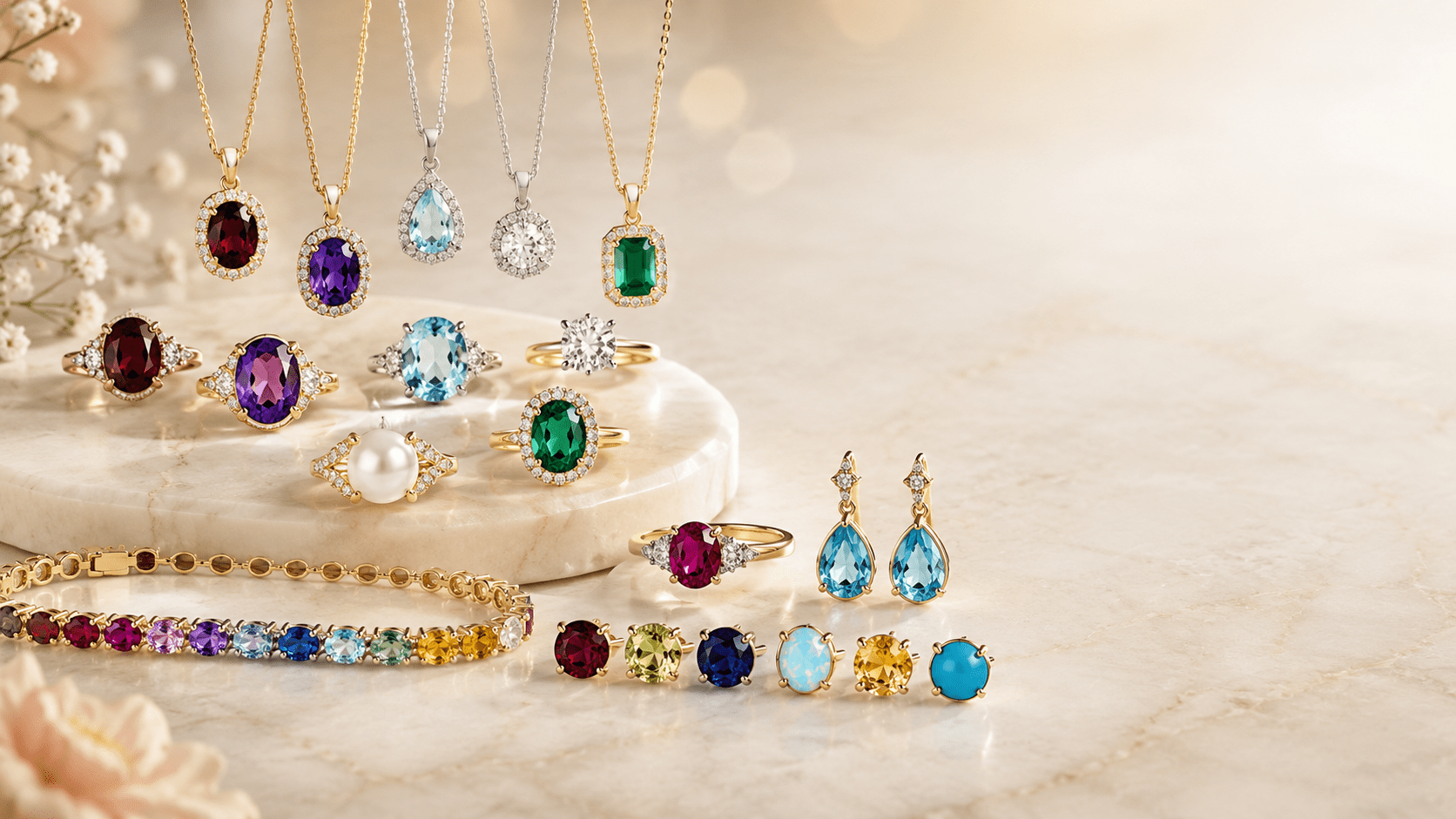
Birthstone jewelry is defined as gemstone-set pieces tied to a person’s birth month, combining personal symbolism with fine craftsmanship to create gifts and accessories that carry lasting meaning. This birthstone jewelry buying guide covers everything you need to make a smart purchase: the meaning behind each stone, how to evaluate quality, which jewelry styles suit different lifestyles, and how to care for your pieces long-term. Whether you are buying birthstone rings for yourself, searching for the best birthstone necklaces for a loved one, or exploring customized birthstone jewelry as a gift, the decisions you make before you buy matter as much as the piece itself. Products like the PEORA 14K Gold Birthstone Pendant show that natural gemstones with certificates of authenticity are widely available at accessible price points.
Birthstone jewelry buying guide: meanings, months, and variations
Birthstones are not a modern marketing invention. The modern U.S. standardized list was established in 1912 by the American National Retail Jewelers Association, and the original tradition encouraged wearing all 12 stones rather than only the one assigned to your birth month. That history matters because it frees you to choose any stone that resonates with you personally, not just the one on a calendar.
Each stone carries a symbolic meaning that has been passed down through centuries of tradition:
- January: Garnet — protection and strength
- February: Amethyst — courage and clarity of mind
- March: Aquamarine — calm and clear communication
- April: Diamond — endurance and commitment
- May: Emerald — growth and renewal
- June: Pearl or Alexandrite — purity and transformation
- July: Ruby — passion and vitality
- August: Peridot — positivity and healing
- September: Sapphire — wisdom and loyalty
- October: Opal or Tourmaline — creativity and inspiration
- November: Topaz or Citrine — warmth and abundance
- December: Tanzanite, Zircon, or Turquoise — serenity and good fortune
One of the most overlooked facts in any guide to birthstone gifts is that many stones come in far more colors than standard marketing images show. Garnet varieties include deep red, green tsavorite, orange spessartine, and even color-changing types. Choosing a garnet based only on the classic red image means missing a wide range of options that may suit your style far better.
Pro Tip: If a stone’s traditional color does not appeal to you, research its full gem family before dismissing it. A green demantoid garnet or a teal tourmaline may be exactly what you were looking for.
The meaning of birthstones is most powerful when it aligns with personal resonance. Wearing amethyst because you value mental clarity is more meaningful than wearing it simply because you were born in february. Let symbolism guide you, but let your own preferences make the final call.
How do you assess birthstone quality before buying?
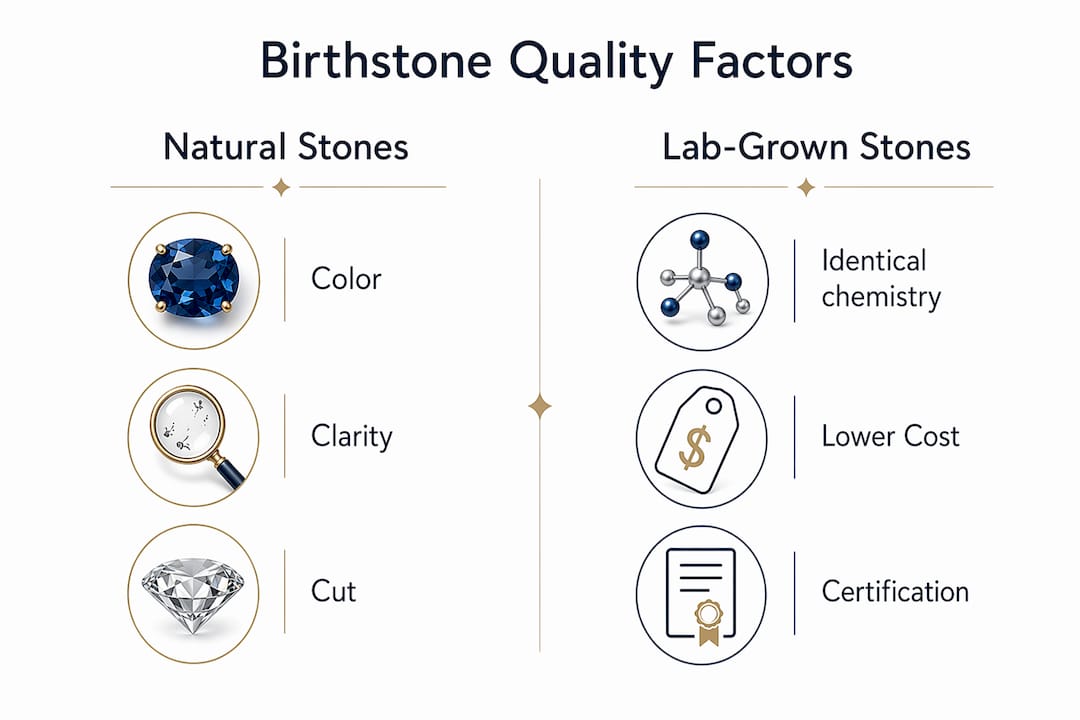
Quality in birthstone jewelry depends on four factors: color, clarity, cut, and treatment status. Most buyers focus on color and cut but overlook treatment disclosure, which is where real knowledge separates a confident buyer from one who overpays or gets misled.
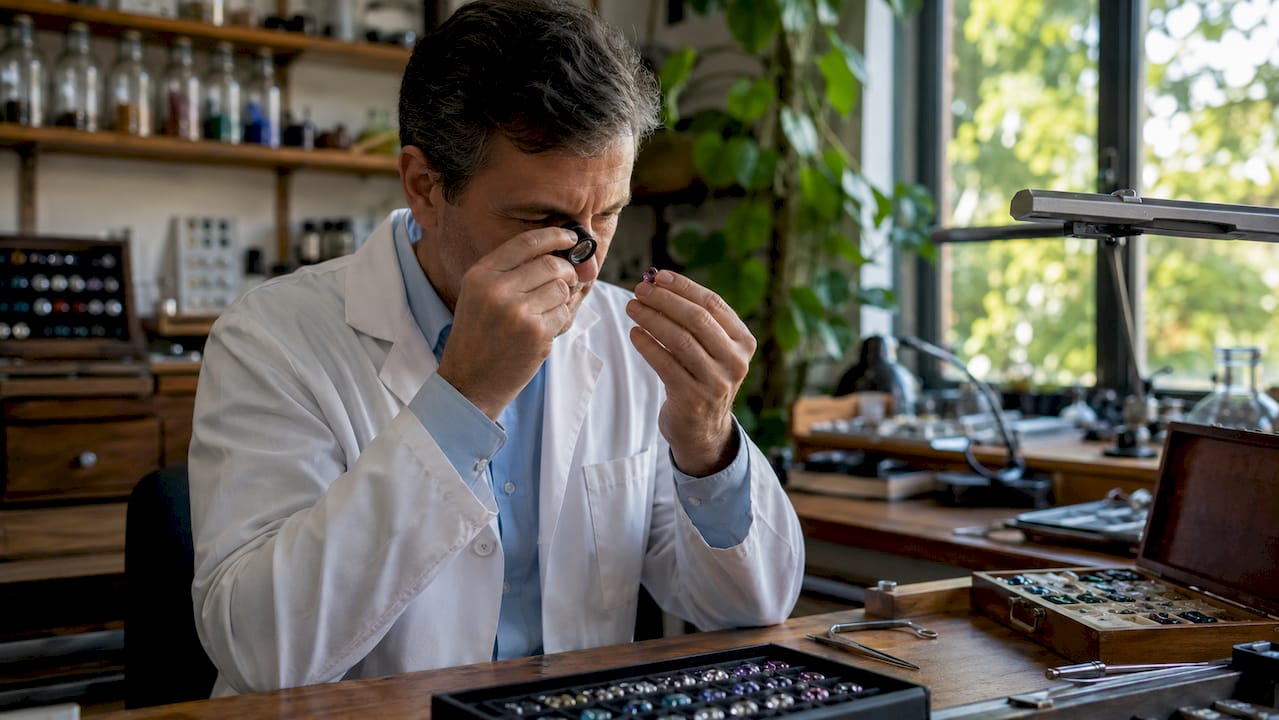
Understanding gemstone treatments
Gemstone treatments such as heat enhancement, fracture filling, and irradiation are standard practice across the industry. They are not defects. Heat treatment improves color in sapphires and rubies. Fracture filling improves clarity in emeralds. Irradiation intensifies color in blue topaz. The critical point is disclosure: a reputable retailer tells you exactly what treatments a stone has received, because treatments affect long-term care requirements and resale value.
“Common natural stone treatments are not defects but must be disclosed to maintain transparency and trust. Disclosure is a mark of reputable retailers and helps consumers understand price and durability.” — GIA Graduate Gemologist
When buying birthstone rings or pendants, always ask for a treatment disclosure in writing. If a seller cannot provide one, that is a red flag.
Natural vs. lab-grown birthstones
Lab-grown stones are chemically and physically identical to their natural counterparts. A lab-grown emerald has the same crystal structure as a mined emerald. The difference is origin and price. Lab-grown options typically cost significantly less, making them a practical choice for buyers who prioritize appearance and quality over provenance. Superjeweler offers an extensive selection of lab-grown diamond jewelry for buyers who want that quality at a lower price point.
The key is informed choice. Gem experts view lab-grown stones as legitimate alternatives, and the decision between natural and lab-grown should come down to your values and budget, not assumptions about quality. For a deeper comparison, the Superjeweler blog covers lab-grown vs. natural diamonds in detail.
Certification and provenance
Certified stones come with documentation from recognized labs such as GIA (Gemological Institute of America) or AGS (American Gem Society). Certification confirms the stone’s identity, treatment history, and origin. For colored gemstones, provenance documentation from the country of origin adds another layer of value and trust. Always request a certificate when buying any stone above a modest price point.
Which birthstone jewelry style fits your lifestyle?
Matching jewelry type to your actual daily life is the single most practical decision in this process. Jewelry designers advise choosing classic and effortless styles for everyday wear to avoid passing trends and maximize how often you actually wear the piece.
The table below compares common use cases with the best jewelry types and setting recommendations:
| Use Case | Best Jewelry Type | Recommended Setting | Why It Works |
|---|---|---|---|
| Everyday wear | Stud earrings, simple pendant | Bezel or prong in gold | Durable, low-profile, wardrobe-neutral |
| Office or professional | Thin birthstone ring, small pendant | Flush or bezel set | Polished without being distracting |
| Special occasions | Statement ring, layered necklace | Halo or pavé | Bold enough for formal settings |
| Birthday gift | Birthstone pendant or charm bracelet | Prong or channel set | Personal and versatile for the recipient |
| Customized gift | Personalized necklace or engraved ring | Any, with name or date | Adds a layer of meaning beyond the stone |
Everyday wear requires stones with a Mohs hardness of 7 or above. Sapphire (9), ruby (9), and diamond (10) handle daily contact well. Opal (5.5–6.5) and pearl (2.5–4.5) are delicate and better reserved for occasional wear. Choosing a fragile stone for a ring you plan to wear every day leads to chips, scratches, and disappointment.
Metal color also shapes the overall look of a piece. Warm-toned stones like garnet, citrine, and ruby pair naturally with yellow or rose gold. Cool-toned stones like aquamarine, sapphire, and tanzanite complement white gold or platinum. Pearls and diamonds work with any metal color, which is why they remain the most versatile options in any collection.
Pro Tip: When buying a birthstone piece as a gift, choose a pendant or earrings over a ring. Rings require precise sizing, and getting it wrong means a return trip. A pendant is personal and wearable without that complication.
Classic designs outlast trends by years. A simple bezel-set sapphire pendant from 2010 still looks current in 2026. A trendy geometric cluster ring from the same year may feel dated. For pieces you plan to wear or gift for decades, classic wins every time.
How should you care for birthstone jewelry?
Proper care extends the life of any birthstone piece and keeps it looking as good as the day you bought it. The right approach depends on the stone’s hardness, its treatment status, and the setting type.
Follow these steps to maintain your birthstone jewelry:
- Clean gently and regularly. Use warm water, a few drops of mild dish soap, and a soft toothbrush for most stones. Rinse thoroughly and pat dry with a lint-free cloth. Avoid ultrasonic cleaners for treated stones, opals, pearls, and emeralds, as vibration or heat can damage them.
- Know what chemicals to avoid. Chlorine in pools and hot tubs degrades metal prongs and can discolor certain stones. Remove your jewelry before swimming, cleaning, or applying lotion and perfume.
- Store pieces separately. Harder stones scratch softer ones when stored together. Use individual pouches or a lined jewelry box with separate compartments. Pearls especially need to be stored away from other pieces to prevent surface abrasion.
- Check settings periodically. Prongs loosen over time with daily wear. Have a jeweler inspect your settings once a year, especially for rings. A loose prong is the most common cause of lost stones.
- Follow treatment-specific guidelines. Fracture-filled emeralds should not be cleaned with steam or ultrasonic methods. Irradiated stones should avoid prolonged heat exposure. Ask your jeweler for care instructions specific to your stone’s treatment history.
The Superjeweler blog offers detailed jewelry care guidance covering cleaning methods, storage tips, and long-term maintenance for a wide range of gemstone types and metal finishes.
Key takeaways
Choosing birthstone jewelry well means combining personal meaning with practical knowledge about quality, lifestyle fit, and long-term care.
| Point | Details |
|---|---|
| Know your stone’s full range | Many birthstones like garnet come in multiple colors beyond the standard marketing image. |
| Always ask about treatments | Heat, fracture filling, and irradiation are common and must be disclosed by any reputable seller. |
| Match hardness to use case | Stones rated 7 or above on the Mohs scale are best for rings and everyday pieces. |
| Classic styles outlast trends | Bezel settings and simple studs remain wearable for decades and suit any wardrobe. |
| Care is stone-specific | Cleaning and storage methods vary by treatment status and hardness, so follow piece-specific guidelines. |
Why i think most people overthink birthstone jewelry
After years of writing about fine jewelry, the pattern I see most often is buyers who get paralyzed by options and end up choosing the safest, most generic piece available. They pick the standard red garnet pendant because it is what they expect, not because it is what they actually want.
The most satisfying birthstone purchases I have seen come from people who spent 20 minutes learning about their stone’s full color range and then chose something unexpected. A green tsavorite garnet instead of red. A teal tourmaline instead of the standard pink. These choices feel personal because they are.
The lab-grown question also trips people up more than it should. The science is settled: lab-grown stones are real stones. The only meaningful difference is origin and price. If you are buying a birthstone piece for its beauty and meaning rather than as an investment, a lab-grown option at half the price gives you the same visual result and lets you put the savings toward a better setting or a higher-quality metal.
My honest advice is this: buy with knowledge, not impulse. Understand the stone’s hardness before you choose a ring for daily wear. Ask for treatment disclosure before you finalize any purchase. And choose a jeweler who answers those questions without hesitation. That last point tells you everything you need to know about who you are dealing with.
— Andrew
Explore birthstone jewelry at Superjeweler
Superjeweler carries birthstone rings, necklaces, and personalized jewelry pieces across every birth month, with options in natural and lab-grown stones set in solid gold and sterling silver. Each product listing includes stone details, metal specifications, and care information so you can buy with full confidence.
Whether you are shopping for a birthday gift, a personal milestone, or a customized piece for someone special, Superjeweler’s selection covers every budget and style. Free worldwide shipping and a satisfaction guarantee make it easy to find the right piece without risk. Browse gemstone rings and birthstone necklaces at Superjeweler to find a piece that carries real meaning.
FAQ
What is the standard birthstone list in the u.s.?
The modern U.S. birthstone list was standardized in 1912 by the American National Retail Jewelers Association. It assigns one or more gemstones to each calendar month, though the tradition originally encouraged wearing all 12 stones.
How do i choose between natural and lab-grown birthstones?
Lab-grown stones are chemically identical to natural stones and cost significantly less. Choose natural if provenance and rarity matter to you; choose lab-grown if you prioritize appearance and value.
What birthstone jewelry is best for everyday wear?
Stones rated 7 or above on the Mohs hardness scale, such as sapphire, ruby, and diamond, are best for daily wear. Bezel or flush settings protect the stone better than high prong settings for rings worn constantly.
Do gemstone treatments affect the value of birthstone jewelry?
Treatments are standard practice and affect both price and long-term care requirements. They are not defects, but reputable sellers must disclose them. Always ask for written treatment disclosure before purchasing.
What metal color works best with birthstone jewelry?
Warm-toned stones like garnet and citrine pair best with yellow or rose gold. Cool-toned stones like sapphire and aquamarine suit white gold or platinum. Diamonds and pearls work with any metal color.
Recommended
- Why choose birthstone jewelry: gifts with personal touch
- Gemstone clarity guide: essential tips for jewelry buyers
- Gemstone Clarity Explained: How to Choose Flawless Jewelry
- Diamond Necklace Buying Guide 2026: Avoid 45% Mistakes
