TL;DR:
- Diamond shape influences sparkle, size, durability, and personal style, not just appearance.
- Elongated shapes like oval or marquise appear larger and can suit different personalities.
- Choose a shape that reflects your style and emotions rather than just trends or resale value.
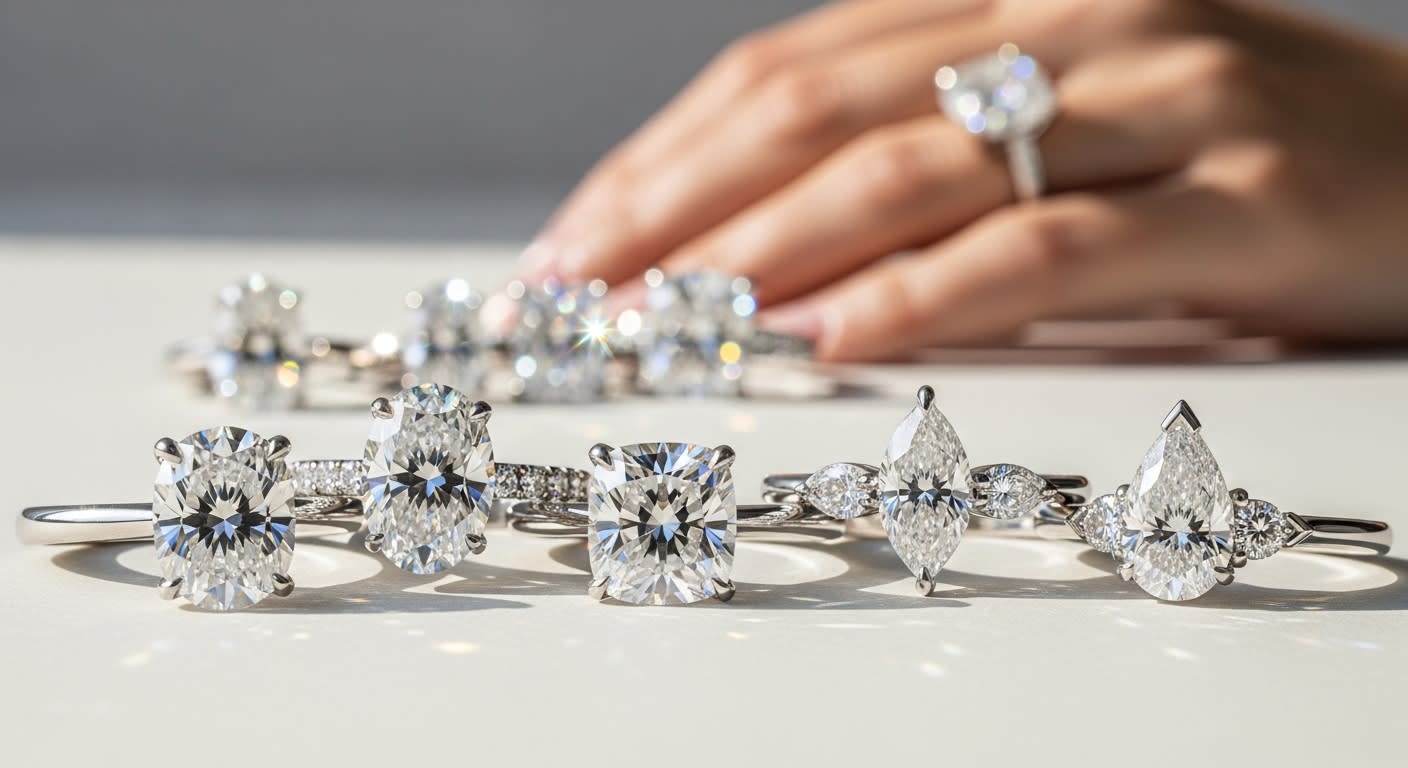
Every diamond sparkles. But not every diamond sparkles the same way, and not every diamond will look right on your hand, in your setting, or in your story. Shape is one of the first and most powerful decisions you’ll make when shopping for an engagement ring, yet most buyers focus almost entirely on the 4Cs and overlook it. The shape you choose affects how light moves through the stone, how large it appears, how well it holds up in daily wear, and what it says about you before a single word is spoken. This guide walks you through everything you need to know to choose with confidence.
Table of Contents
- What is diamond shape? Shape vs. cut explained
- How diamond shape impacts brilliance, fire, and appearance
- Choosing a diamond shape to match style, size, and personality
- Expert buying advice: Avoiding common pitfalls with diamond shape
- Why shape is more than sparkle: what most buyers overlook
- Find your perfect diamond shape with SuperJeweler
- Frequently asked questions
Key Takeaways
| Point | Details |
|---|---|
| Shape drives sparkle | The outline of a diamond determines how much light it returns, influencing brilliance and appearance. |
| Style and size effect | Certain shapes look larger per carat and complement different finger types and hand styles. |
| Durability matters | Pointed and elongated shapes require strategic settings for lasting beauty and strength. |
| Certification differences | Only round brilliants receive a GIA cut grade, while fancy shapes need extra scrutiny for cut quality. |
| Personal meaning | The best diamond shape is one that matches your personal style and story beyond just technical brilliance. |
What is diamond shape? Shape vs. cut explained
These two terms get mixed up constantly, and it costs buyers real money and real frustration. They are not the same thing.
Diamond shape refers to the outline or silhouette of the stone as viewed from above, distinct from cut style, which describes how the facets are arranged to affect light performance. Shape is what you see at a glance. Cut is what happens inside the stone.
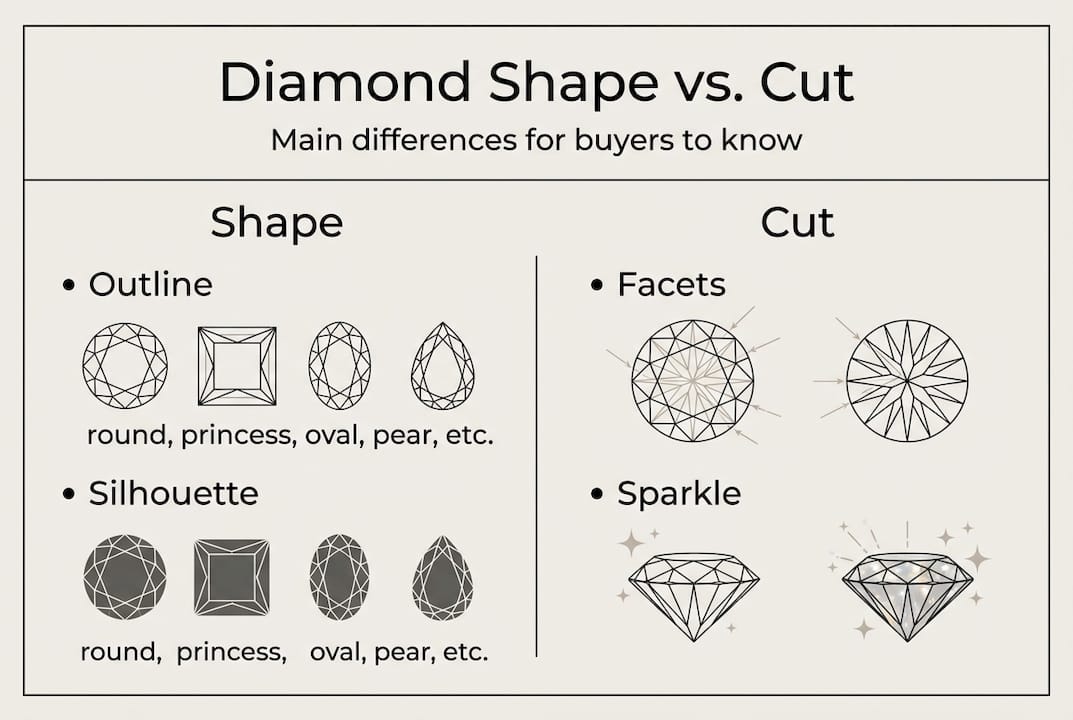
When someone says “I want an oval diamond,” they’re talking about shape. When a gemologist talks about how well a diamond reflects light, they’re talking about cut. Both matter enormously, but they answer different questions.
Here’s a quick look at the most popular diamond shapes available today:
| Shape | Style category | Key characteristic |
|---|---|---|
| Round brilliant | Brilliant cut | Maximum sparkle, most popular |
| Oval | Brilliant cut | Elongated, finger-flattering |
| Princess | Brilliant cut | Square, modern, very bright |
| Cushion | Brilliant cut | Soft corners, romantic feel |
| Emerald | Step cut | Hall-of-mirrors effect, elegant |
| Asscher | Step cut | Square, art deco, deep clarity |
| Marquise | Brilliant cut | Boat-shaped, dramatic, large-looking |
| Pear | Brilliant cut | Teardrop, unique and feminine |
| Radiant | Brilliant cut | Rectangular, high brilliance |
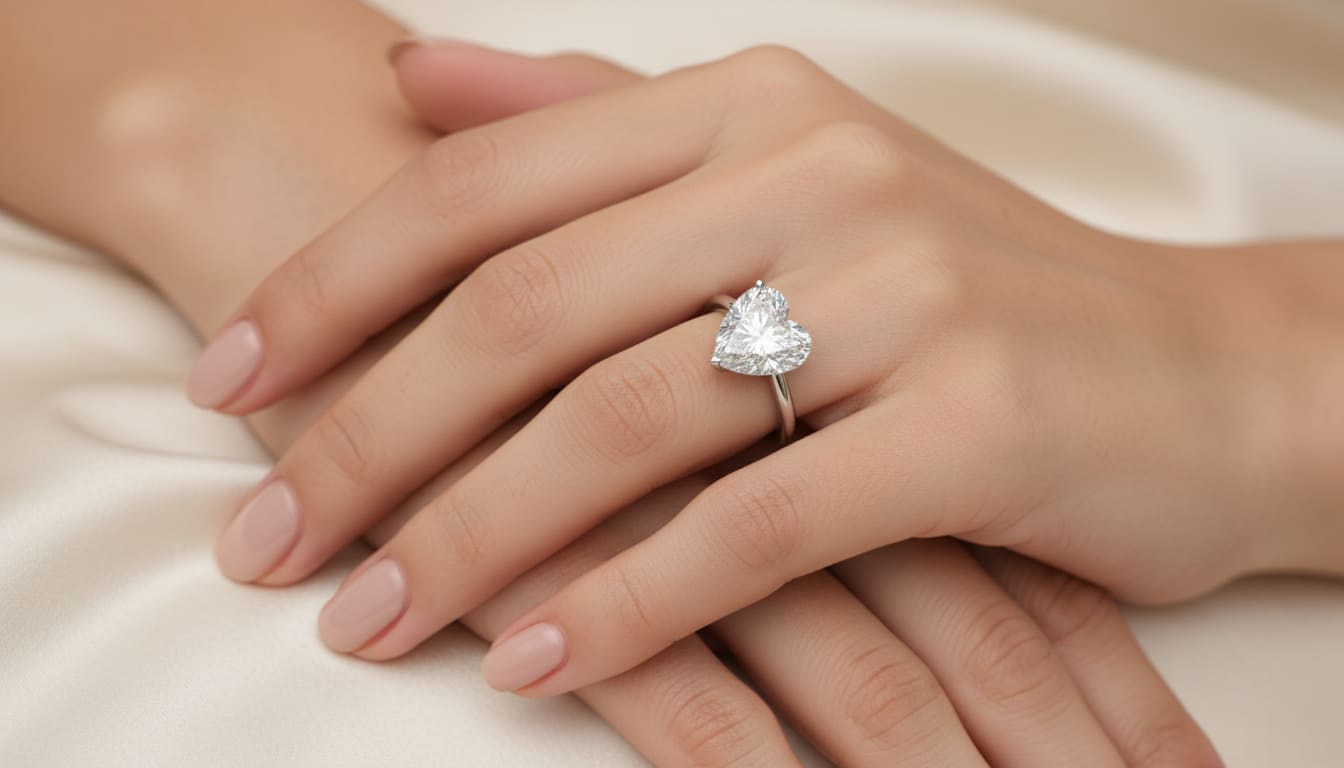
| Heart | Brilliant cut | Symbolic, bold statement |
One important distinction: the GIA (Gemological Institute of America) only assigns an official cut grade to round brilliant diamonds. Every other shape, called a fancy shape, is evaluated on polish and symmetry but not given an overall cut grade. This is why understanding diamond shapes before you shop is so valuable. You need to know what to look for when the grading report doesn’t spell it out for you.
Shape is the visual starting point for every ring. It sets the tone for the setting style, the metal choice, and the overall personality of the piece.
How diamond shape impacts brilliance, fire, and appearance
Here’s where things get genuinely fascinating. The shape you choose doesn’t just change how a diamond looks. It changes how it performs.
Brilliant cuts like round, oval, and princess maximize brilliance, fire, and scintillation through their small, precisely angled facets. Step cuts like emerald and asscher use larger, parallel facets that create an elegant gleam and a hall-of-mirrors effect, but they reveal more of the stone’s interior, including color and inclusions.
This is a real trade-off. Brilliant cuts are forgiving. They hide small flaws and color tints behind flashes of light. Step cuts are honest. They show you exactly what’s inside the stone, which means you need to prioritize higher clarity and color grades when choosing them.
| Shape | Light return style | Inclusion visibility | Best clarity grade |
|---|---|---|---|
| Round brilliant | Maximum sparkle | Low | SI1 and above |
| Oval | High sparkle | Low to moderate | SI1 and above |
| Princess | High sparkle | Low | SI1 and above |
| Emerald | Elegant gleam | High | VS2 and above |
| Asscher | Elegant gleam | High | VS2 and above |
| Cushion | Warm sparkle | Low to moderate | SI1 and above |
The round brilliant accounts for 60 to 75 percent of all engagement ring sales, and for good reason. Its 57 to 58 facets are mathematically optimized for light return, and it’s the only shape with an official GIA cut grade, which gives buyers a reliable quality benchmark.
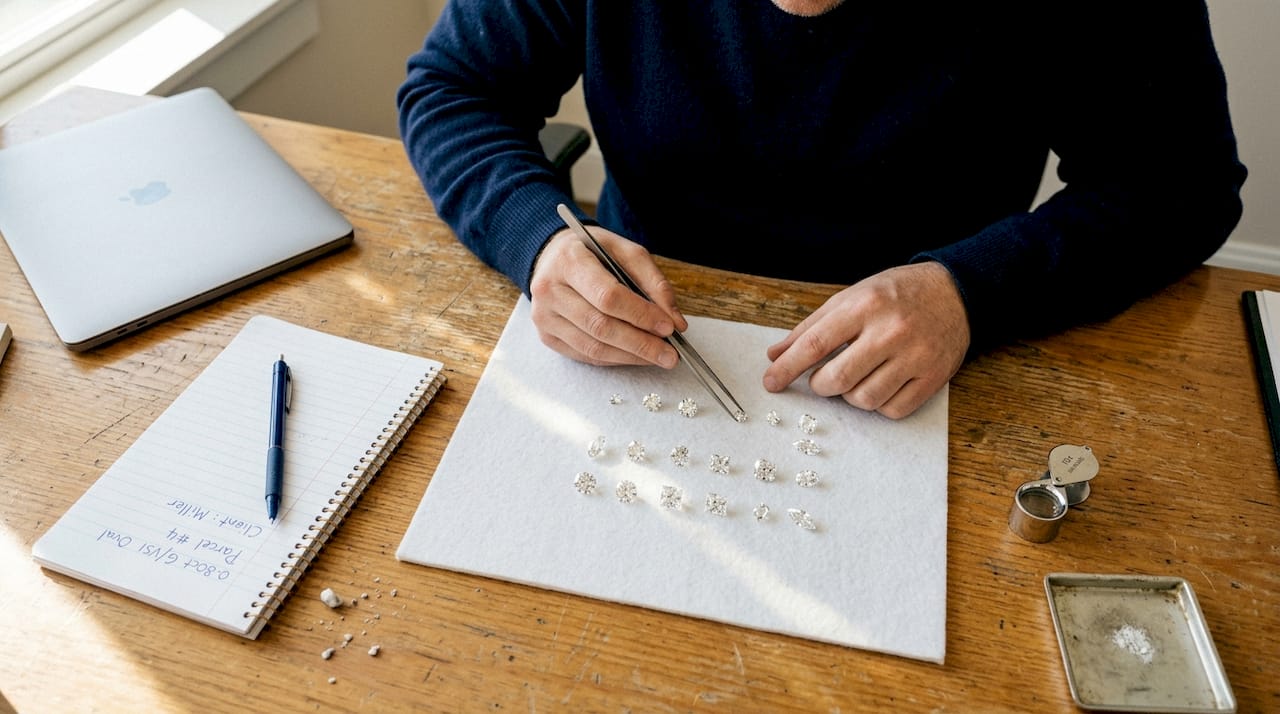
Fancy shapes like oval and cushion can look stunning and cost less, but evaluating their diamond cut in engagement rings requires a sharper eye. You also want to understand how to maximize diamond sparkle regardless of which shape you choose.
Pro Tip: Always view a diamond in at least three different lighting environments: bright overhead light, natural daylight, and dim candlelight. Brilliant cuts shine in all three. Step cuts reveal their true character in softer light, where their elegant gleam is most visible.
Choosing a diamond shape to match style, size, and personality
Beyond sparkle, your shape choice should reflect your story, style, and practical needs. Here’s how to make it personal.
Shape has a measurable effect on how large a diamond appears. Elongated shapes like oval, marquise, and pear appear larger per carat and also elongate the fingers visually. A one-carat oval can look noticeably bigger than a one-carat round, which is a real advantage if size matters but budget is a concern.
Here’s a practical framework for matching shape to personality:
- Classic and timeless: Round brilliant. It never goes out of style and delivers unmatched sparkle.
- Romantic and soft: Cushion or oval. Warm light return with a gentle, approachable look.
- Minimalist and modern: Emerald or asscher. Clean lines and quiet elegance.
- Bold and dramatic: Marquise or pear. Maximum visual impact and finger-lengthening effect.
- Unique and symbolic: Heart. Unmistakably personal and conversation-starting.
Durability is another real consideration. Pointed shapes like marquise and pear have vulnerable tips that can chip if left unprotected. A bezel or V-prong setting is strongly recommended for these shapes. Round and cushion shapes are the most forgiving in everyday wear.
One thing many buyers don’t expect: the bow-tie effect. Oval, marquise, and pear diamonds can display a dark shadow across the center that resembles a bow tie. It’s caused by light escaping rather than reflecting back. A mild bow tie is normal and barely visible. A strong one is a flaw. Always view these shapes in person or via high-quality video before buying.
“The best shape is the one that makes you stop scrolling and just stare.”
Pro Tip: When choosing an engagement ring, hold the diamond next to your hand before committing. What looks ideal on a screen can feel very different in real life. Many retailers offer virtual try-on tools or generous return windows. Use them. You can also browse engagement rings by diamond shape to quickly compare how different silhouettes look in real settings.
Expert buying advice: Avoiding common pitfalls with diamond shape
Even with knowledge in hand, buyers can easily make costly shape mistakes unless you know what the experts look for.
The biggest trap is assuming that all fancy shapes are evaluated the same way as rounds. They aren’t. Because the GIA doesn’t issue an overall cut grade for fancy shapes, you need to do more homework. Here’s what to check:
- Polish and symmetry: Always look for Excellent or Very Good ratings on the grading report.
- Length-to-width ratio: This determines whether an oval looks pleasingly elongated or oddly stubby. A ratio between 1.30 and 1.50 is ideal for most ovals.
- Bow-tie visibility: Request video or in-person viewing for any elongated shape.
- Facet alignment: Poor symmetry in a fancy shape creates uneven light return that no certificate will warn you about.
- Color placement: In pear and marquise shapes, color concentrates at the pointed tips. Go one grade higher in color than you would for a round.
Prioritizing Excellent or Very Good cut, polish, and symmetry for fancy shapes is essential precisely because there’s no single overall grade to rely on. View diamonds in varied lighting because performance shifts dramatically depending on the environment.
Also remember: brilliant cuts mask inclusions and color better than step cuts do. If you love the look of an emerald cut but your budget limits you to a lower clarity grade, you may end up disappointed. That trade-off is real and worth planning around.
If budget is a genuine concern, this is also a great moment to explore lab grown diamond engagement rings. Lab-grown diamonds are available in every shape, carry the same optical properties as mined diamonds, and typically cost 50 to 70 percent less. That savings can go toward a better cut quality or a more elaborate setting.
Pro Tip: Ask your jeweler to show you two diamonds of the same carat weight in different shapes side by side. The size and sparkle difference will make your decision much easier than any chart or guide.
Why shape is more than sparkle: what most buyers overlook
Most diamond guides treat shape as a technical variable. Brilliance percentages, facet counts, length-to-width ratios. All useful. All incomplete.
Here’s what we’ve seen at SuperJeweler after helping thousands of couples find their rings: the shape a person gravitates toward almost always reflects something real about who they are. The person who loves the emerald cut isn’t just chasing clarity. They’re drawn to quiet confidence, to something that doesn’t need to shout. The person who chooses a marquise isn’t just optimizing for perceived size. They want a ring that turns heads.
Round dominates diamond shape meaning conversations because it’s safe, proven, and universally flattering. But safe isn’t always right. The couples who choose a pear or a heart or an asscher often tell us their ring feels more theirs than any round ever could have.
Our honest take: don’t let trend reports or resale value projections drive your shape decision. Those factors matter less than you think over a lifetime of wearing a ring. Choose the shape that makes you feel something when you look at it. That emotional response is data too, and it’s the most reliable data you have.
Find your perfect diamond shape with SuperJeweler
You now know how shape affects sparkle, size, durability, and personal style. The next step is finding the ring that brings it all together.
At SuperJeweler, you can shop by diamond shape and instantly filter through hundreds of settings to find exactly the silhouette that speaks to you. Whether you’re drawn to the classic round, the dramatic marquise, or the sleek emerald, every ring ships free worldwide with a satisfaction guarantee. Looking to stretch your budget further? Browse our affordable engagement rings or explore lab grown diamond deals that deliver stunning quality at a fraction of the price. Your perfect ring is closer than you think.
Frequently asked questions
What is the difference between diamond shape and cut?
Diamond shape refers to the stone’s silhouette as viewed from above, while cut describes the arrangement of facets that governs how light travels through the diamond and returns to your eye.
Which diamond shape looks the biggest?
Elongated shapes like oval, marquise, and pear appear larger per carat than round diamonds of the same weight, and they also create the visual effect of longer, more slender fingers.
Why is round the most popular diamond shape?
The round brilliant accounts for 60 to 75 percent of engagement ring sales because its 57 to 58 facets deliver maximum sparkle, and it’s the only shape that receives an official GIA cut grade for added buyer confidence.
How do I choose the right diamond shape for me?
Match your shape to your personal style, consider how it flatters your hand, and weigh practical factors like durability and setting needs. Pointed shapes such as marquise and pear require protective settings to prevent chipping at the tips.
Are fancy-shaped diamonds cheaper than round?
Yes, fancy-shaped diamonds typically cost less than rounds of comparable quality because cutters lose less rough stone during the shaping process, and market demand for rounds keeps their prices higher.
Recommended
- Understand diamond shapes: choose the perfect ring in 2026
- Diamond Eternity Ring | Stunning Diamond Eternity Ring From SuperJeweler
- Engagement Rings | SuperJeweler
- Diamond Wedding Bands | SuperJeweler
