TL;DR:
- Choosing gemstone jewelry involves considering durability, emotional meaning, and proper documentation to ensure lasting value. Hardness, toughness, and stability determine a stone’s suitability for daily wear, while certification and personal significance enhance long-term trust and emotional connection. Understanding these factors helps buyers make confident, meaningful, and lasting jewelry investments.
Choosing gemstone jewelry isn’t simply about picking the prettiest stone in the case. The real advantages of gemstone jewelry go much deeper: durability that survives daily life, emotional meaning that compounds over decades, documentation that protects your investment, and wellness rituals that are genuinely useful. Whether you’re buying for yourself or searching for a gift that holds significance long after the wrapping comes off, understanding these layers helps you spend confidently and avoid regret. This article covers everything that matters, in the order it matters.
Table of Contents
- Durability: physical advantages of quality gemstone jewelry
- Emotional and personal meaning: advantages beyond physical properties
- Certification and appraisal: enhancing trust and long-term value
- Popular gemstone types: advantages and considerations
- A fresh perspective on the true advantages of gemstone jewelry
- Explore gemstone jewelry collections at SuperJeweler
- Frequently asked questions
Durability: physical advantages of quality gemstone jewelry
When people talk about a gemstone’s durability, they’re usually thinking about hardness. That’s the right instinct, but hardness is only one piece of the picture. Hardness measures resistance to scratching and is rated on the Mohs scale, a numerical system from 1 (talc) to 10 (diamond). Gemstones at Mohs 7 or above are generally considered suitable for daily wear, because everyday dust contains quartz particles that rate around 7 and will scratch anything softer.
But a stone can score a 9 on the Mohs scale and still shatter if you knock it the wrong way. That’s where toughness comes in. Toughness describes resistance to chipping and cracking, which depends on a stone’s internal structure rather than its surface hardness. Diamond, for example, scores a perfect 10 for hardness but has natural cleavage planes that make it vulnerable to a sharp, angled blow. Sapphires and rubies, both at Mohs 9, are actually tougher than diamonds in real-world settings. The third factor is stability: how well a stone holds up against heat, light, and household chemicals. Amethyst can fade with prolonged sun exposure. Emeralds are often treated with oil that can be stripped away by ultrasonic cleaners.
Here’s what durability looks like in practice for a buyer:
- Setting style matters as much as stone choice. A bezel setting (metal wrapped fully around the stone’s edge) protects better than a prong setting for active wearers.
- Metal choice affects longevity. Platinum resists scratching and tarnish better than gold, making it the preferred choice for affordable gemstone jewelry intended to last generations.
- Craftsmanship determines how all the above holds together. A well-set stone in quality metal will outlast an expensive stone in a poorly constructed mount.
“Durability isn’t a single property. It’s the combination of hardness, toughness, and stability working together inside a well-made setting.” This is the framework serious buyers use before committing to any piece.
Pro Tip: Ask your jeweler specifically about the setting style and metal used, not just the stone. A sapphire in a sturdy bezel will serve you far better than a diamond in a flimsy four-prong setting.
Now that you’ve seen why understanding durability matters, let’s explore how gemstone jewelry gains emotional significance.
Emotional and personal meaning: advantages beyond physical properties
There’s a reason people reach for the same ring or necklace every morning without thinking about it. Jewelry functions as a low-effort anchor: it takes seconds to put on, carries personal meaning, and sets a tone for the day. Jewelry often functions as a repeatable self-care habit, offering daily cues for mood regulation and identity reinforcement. That’s not marketing language; it’s a pattern that shows up across cultures and age groups.
What makes this interesting from a buyer’s perspective is how the emotional payoff scales with the quality of the story attached to the piece. A birthstone ring purchased for a milestone birthday carries more daily significance than a randomly chosen stone, even if both cost the same. That emotional return is compounded every time you wear it.
Practical benefits of emotionally anchored gemstone jewelry include:
- Reduced decision fatigue. A go-to piece you love removes one small daily choice, which adds up.
- Outfit versatility. Simple, well-designed gemstone rings and gemstone necklaces tend to work across more situations than statement pieces.
- Confidence signaling. There’s genuine psychological research suggesting that wearing meaningful accessories subtly increases your sense of readiness and control in social situations.
- Gifting resonance. A piece chosen with a specific person and occasion in mind creates a memory attached to the object. Gemstone earrings in a recipient’s birthstone color, for example, feel personal in a way generic gift cards never do.
Pro Tip: When buying as a gift, write down the occasion and intention and keep it with the piece. That small note becomes part of the jewelry’s story and adds to its long-term sentimental value.
Beyond emotional value, credible certification and appraisal bring concrete advantages for buyers.
Certification and appraisal: enhancing trust and long-term value
This is the area most casual buyers underestimate. A certification from an independent laboratory like GIA (Gemological Institute of America) or AGL (American Gemological Laboratories) documents what the stone actually is: its species, origin if determinable, and any treatments applied. Certification reduces risk for buyers and becomes crucial documentation when passing a piece down or reselling it. Without it, you’re essentially trusting the seller’s word.
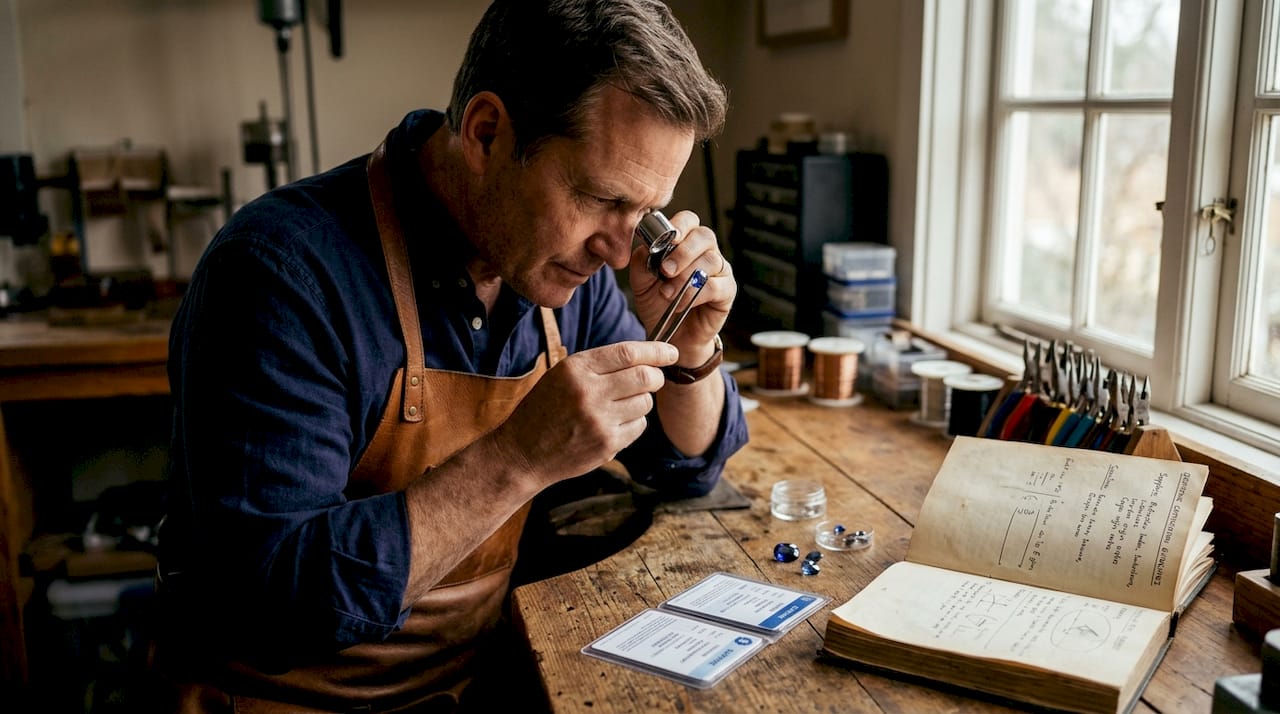
Treatments matter more than most buyers realize. Heated sapphires, fracture-filled emeralds, and irradiated topaz are all common and generally accepted practices, but they affect how you care for the stone and sometimes its long-term value. Transparent sellers provide treatment disclosures and lab reports. If a seller can’t or won’t answer questions about treatments, that’s a signal worth heeding.
Equally important: understanding the difference between a certificate and an appraisal. Certificates differ from appraisals; appraisals vary depending on whether they’re written for insurance replacement or resale market value, and the numbers can differ substantially.
Key documentation steps every buyer should follow:
- Request a lab certificate for any significant gemstone purchase.
- Get a separate insurance appraisal, which reflects replacement cost and is typically higher than resale value.
- Store both documents together with your original receipt.
- Schedule a reappraisal every 3 to 5 years, since gemstone markets shift over time.
- Photograph the piece alongside its documentation before storing or insuring it.
Smart documentation doesn’t just protect your purchase. It makes the piece transferable, insurable, and meaningful to anyone who inherits it later.
For more context, jewelry appraisal explained and diamond certification guidance are worth reviewing before any significant purchase.
With durability, meaning, and certification understood, let’s compare popular gemstone options and their distinct advantages.
Popular gemstone types: advantages and considerations
Not every gemstone suits every lifestyle. Here’s a direct comparison of the most commonly purchased options and where they genuinely shine.
| Gemstone | Mohs hardness | Toughness | Best for | Watch out for |
|---|---|---|---|---|
| Diamond | 10 | Good | Everyday rings, heirloom pieces | Cleavage planes; needs protective setting |
| Sapphire | 9 | Excellent | Daily wear rings, pendants | Heat-treated stones need gentle cleaning |
| Ruby | 9 | Excellent | Statement rings, earrings | Fracture-filling affects cleaning methods |
| Spinel | 8 | Good | Rings, earrings | Less widely known, so verify source |
| Topaz | 8 | Poor | Pendants, earrings | Prone to chipping on impact |
| Emerald | 7.5 | Poor | Occasional wear | Inclusions and oil treatment; avoid ultrasonic cleaning |
| Opal | 5.5-6.5 | Very Poor | Pendants, low-contact pieces | Dehydrates; needs moisture and careful storage |
| Pearl | 2.5-4.5 | Fair | Necklaces, earrings | Damaged by perfume, hairspray, and acids |
Diamonds, sapphires, rubies, and spinels are your most practical choices for everyday wear. Opals and pearls require real care commitments.
Standout points for each category:
- Blue gemstones like sapphires and aquamarines offer excellent durability alongside a versatile color that works in both casual and formal settings.
- Pink gemstones including pink sapphire, spinel, and morganite give you romantic color options at varied price points, with sapphire being the most durable of the three.
- Emeralds have extraordinary visual appeal but genuinely require a buyer who will handle them with care and avoid hard labor while wearing them.
- For a deeper understanding of how internal quality affects value, the gemstone clarity guide breaks down what inclusions mean for different stone types.
Pro Tip: If you’re buying a gemstone ring for daily wear, prioritize Mohs 8 and above with a bezel or channel setting. If it’s for special occasions only, you have far more creative freedom with softer, more delicate stones.
Having seen specific advantages by gemstone type, let’s summarize key takeaways to help you decide confidently.
A fresh perspective on the true advantages of gemstone jewelry
Here’s what most articles won’t tell you: the benefits of gemstone accessories that matter most aren’t the ones you see mentioned in marketing copy first.
Retail messaging tends to lead with beauty and then gesture vaguely toward “healing properties” and “special meaning.” None of that is false, but it’s incomplete. The real advantages only emerge when three things work together: physical durability backed by correct setting and care, documentation that creates trust and transferability, and personal meaning that gives the piece ongoing relevance in your daily life.
The wellness conversation deserves honesty here. Healing claims lack scientific support; any benefits come from ritual, mindfulness, and personal intention rather than the stone’s physical properties. That doesn’t mean gemstone jewelry wellness advantages aren’t real. They are. But they work through psychology, not geology. A rose quartz pendant that reminds you to be patient with yourself works because you’ve decided it does. That’s a legitimate benefit, and you should feel good about it without needing to believe the stone has inherent powers.
The documentation point is the most underused advantage most buyers leave on the table. Certification and provenance are as critical as durability; documented stones maintain trust and liquidity in secondary markets. A beautiful ruby with no paperwork is worth less than a slightly less impressive ruby with a full chain of documentation. That gap widens considerably when you’re trying to insure it, sell it, or pass it to someone else.
The buyers who feel the most satisfied over time are the ones who thought through all three layers before purchasing. They’re not necessarily the ones who spent the most. You can find affordable gemstone jewelry ideas that hit all three criteria, especially when you know what to look for. Buying with knowledge reduces regret and increases the genuine, lasting pleasure a piece brings you.
Explore gemstone jewelry collections at SuperJeweler
By applying the knowledge you’ve gained, you can shop confidently for gemstone jewelry that suits your style and values.
SuperJeweler offers an extensive selection of certified gemstone jewelry designed for exactly the kind of informed buyer you’ve become. Every product listing includes detailed descriptions to help you evaluate stones against the durability, certification, and design factors covered above.

Browse gemstone rings crafted for daily wear and special occasions alike, explore gemstone necklaces in a range of styles from understated to statement, and discover gemstone earrings perfect for meaningful gifting. SuperJeweler backs every purchase with flexible return policies, trusted customer service, and free worldwide shipping, so you can explore without pressure and buy with confidence.
Frequently asked questions
What makes gemstone jewelry durable enough for everyday wear?
Daily wear durability depends on hardness (Mohs 7 or above), toughness to resist chipping, stability against fading, and secure craftsmanship like protective settings. No single factor is enough on its own.
Do gemstone certifications guarantee a stone’s authenticity?
A lab certificate documents the stone’s identity, origin, and treatments, reducing buying risk significantly. It does not, however, guarantee future market value or appraisal outcomes.
Can gemstone jewelry provide healing or wellness benefits?
No rigorous evidence supports direct physical healing from crystals or gemstones. Any real benefits come from mindfulness rituals, personal intention, and the psychological effect of wearing something meaningful.
Why is an appraisal important for gemstone jewelry owners?
Appraisals establish insurance replacement value or resale market value, both of which differ from purchase price. Updating your appraisal every 3 to 5 years keeps your documentation accurate as markets shift.
How does personal meaning add value to gemstone jewelry?
Jewelry functions as a repeatable daily ritual that reinforces identity and provides sensory grounding. That consistent emotional return is what makes a well-chosen piece increase in personal value the longer you wear it.
Recommended
- Affordable Gemstone Jewelry: Top Beautiful Examples for Gifts
- Gemstone Clarity Explained: How to Choose Flawless Jewelry
- Why Invest in Diamond Jewelry: Value, Beauty, and Security
- Gemstone clarity guide: essential tips for jewelry buyers
