TL;DR:
- The round brilliant remains the most popular and versatile diamond shape in 2026.
- Fancy shapes like oval and pear offer larger appearance and unique style at lower costs.
- Choosing a diamond shape should reflect personal style, hand size, and meaningful connections.
Picking a diamond shape is one of the most personal decisions you’ll make for your engagement ring. It’s not just about what looks pretty in a photo. The shape you choose will sit on your hand every single day, say something about who you are, and carry meaning for decades. With so many shapes gaining momentum in 2026, from the timeless round brilliant to the fast-rising pear and emerald cuts, it helps to have a clear, data-driven guide. This article walks you through what to consider, what’s trending, how shapes compare, and how to make a choice you’ll love forever.
Table of Contents
- What to consider before choosing a diamond shape
- The five most popular diamond shapes in 2026
- Fancy shapes vs. round: Style, sparkle, and value compared
- How to match a diamond shape to your style and hand
- The real secret to loving your diamond shape for years
- Find your perfect shape with SuperJeweler
- Frequently asked questions
Key Takeaways
| Point | Details |
|---|---|
| Shape impacts value | Diamond shape influences appearance, price, and perceived size. |
| Current trends matter | Elongated and fancy shapes are trending upward for 2026. |
| Round still leads | Round diamonds remain the classic and most popular choice. |
| Comfort with your choice | Select a shape that reflects your style and feels right long-term. |
What to consider before choosing a diamond shape
Before you fall in love with a shape on a screen, it’s smart to understand what actually makes a diamond shape work for you. The shape affects far more than looks. It influences how big the stone appears, how much sparkle it throws, how comfortable it is to wear daily, and even how much you’ll spend.
Here are the core factors to weigh:
- Style and personality. Are you drawn to vintage glamour, modern minimalism, or romantic softness? Your shape should match your everyday aesthetic, not just your wedding-day vision.
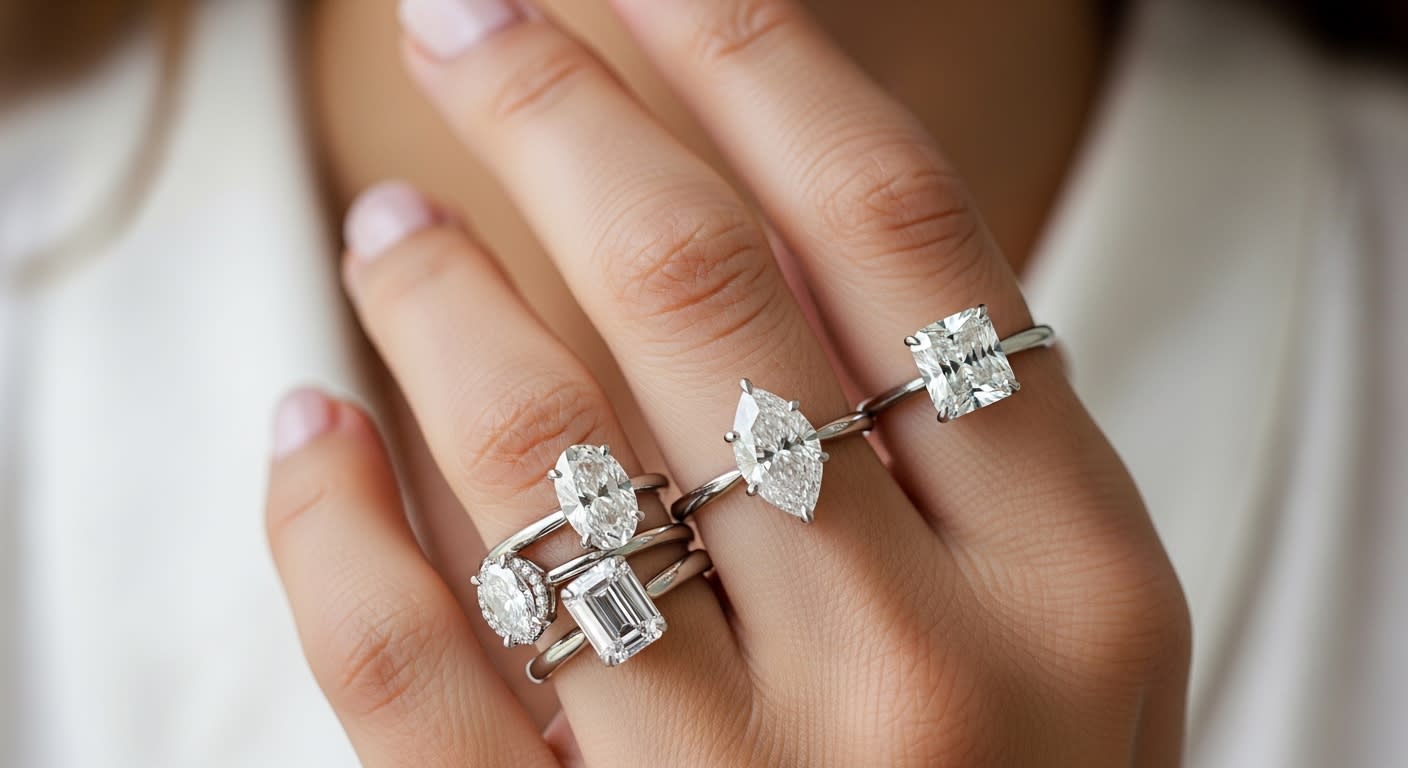
- Finger length and hand size. The diamond shape impact on how your hand looks is real. Elongated shapes like oval, pear, and marquise elongate fingers and offer a larger surface area, making them a brilliant choice for shorter fingers.
- Brilliance and sparkle. Round cuts are engineered for maximum light return. Fancy shapes (any shape that isn’t round) can still dazzle, but the way light plays in them differs by shape.
- Practical wear. Shapes with pointed tips, like marquise or pear, can snag on clothing or be more vulnerable to chipping. If you work with your hands, that matters.
- Budget and perceived size. Fancy shapes typically cost less per carat than rounds. That means you can often get a visibly larger stone for the same budget.
- Trend momentum vs. timelessness. Some shapes spike in popularity and fade. Others, like round and oval, hold steady. Knowing where a shape sits on that spectrum helps you understand diamond shapes and avoid future regret.
Pro Tip: Before visiting a jeweler, look at photos of your favorite shapes on hands similar to yours. Pinterest and Instagram are genuinely useful tools here. Seeing a shape in context, not just on a white background, changes everything.
There’s no single “correct” answer. But walking in with this checklist sharpens your instincts and saves you from decision fatigue at the counter.
The five most popular diamond shapes in 2026
Sales data tells a clear story about what couples are actually choosing in 2026. The round brilliant cut still leads, but the gap between round and fancy shapes is narrowing fast.
| Rank | Diamond shape | Popularity share | Key appeal |
|---|---|---|---|
| 1 | Round brilliant | ~54% | Maximum sparkle, timeless |
| 2 | Oval | ~13% | Elongating, modern romance |
| 3 | Pear | ~5.9% | Unique, soft elegance |
| 4 | Emerald | ~5.7% | Sleek, vintage drama |
| 5 | Radiant | ~5.3% | Bold brilliance, versatile |
Based on Whiteflash 2026 sales data, pear sits at 5.9%, emerald at 5.7%, and radiant at 5.3%, with cushion (3.7%) and princess (3.3%) rounding out the broader field.
Round brilliant: Still the king. Its 58 facets are designed specifically to maximize light return. If pure, undeniable sparkle is your priority, nothing beats it. It’s also the most versatile shape for ring settings.
Oval: The fastest-growing fancy shape. It offers most of the brilliance of a round but with a stretched silhouette that looks larger on the finger. It reads as modern yet romantic, which is exactly where diamond trends 2026 are heading.
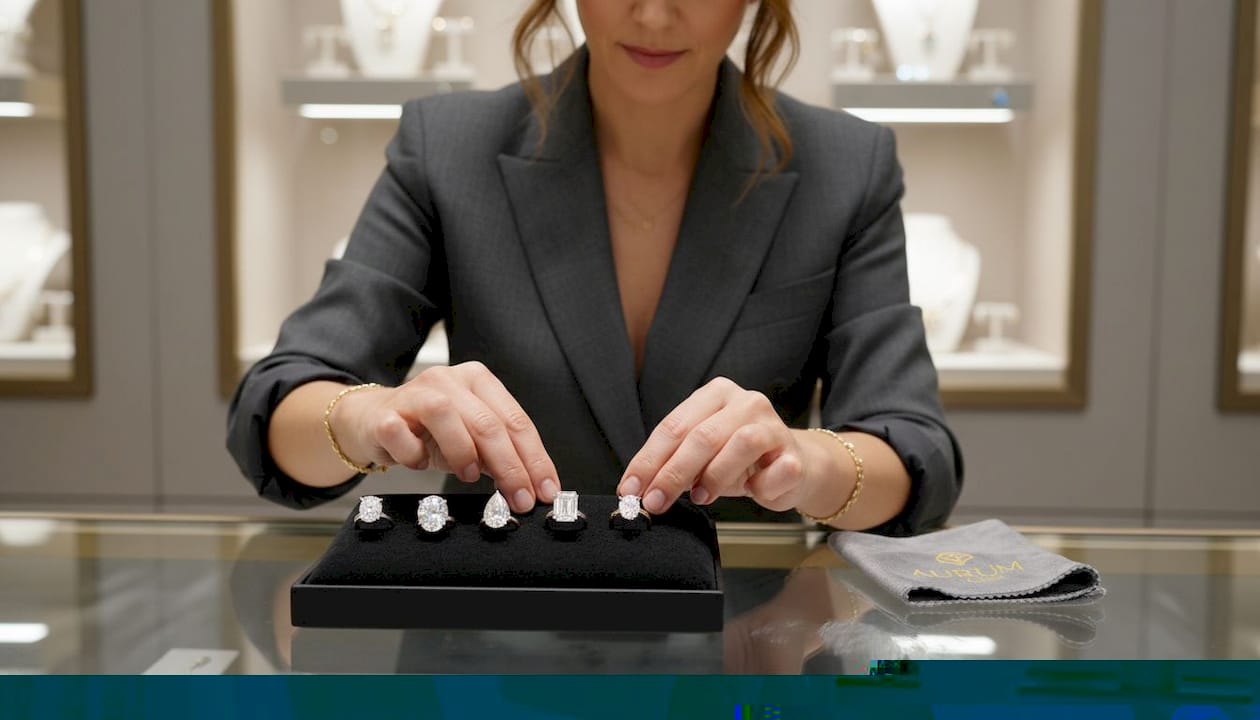
Pear: Sometimes called the teardrop. It’s bold and directional, flattering when the point faces outward. It suits people who want something that stands out without being loud.
Emerald: A step-cut shape with long, parallel facets. Instead of sparkle, it offers what jewelers call a “hall of mirrors” effect. It’s dramatic, sleek, and having a serious moment in 2026 thanks to celebrity influence.
Radiant: Think of it as the round’s edgier cousin. It has cropped corners and serious brilliance, sitting comfortably between the cushion and princess cuts in style.
For a deeper look at how these shapes are shaping bridal choices this year, explore engagement ring trends 2026 to see what’s resonating with real couples right now.
Fancy shapes vs. round: Style, sparkle, and value compared
With the top shapes in mind, it’s worth putting them side by side. Round and fancy shapes each have real strengths, and the right pick depends on what you value most.
| Feature | Round brilliant | Fancy shapes |
|---|---|---|
| Brilliance | Highest (engineered for it) | High, varies by shape |
| Price per carat | Higher | Generally lower |
| Perceived size | True to carat weight | Often appears larger |
| Versatility | Exceptional | Good to excellent |
| Individuality | Classic, familiar | Distinctive, personal |
Round diamonds remain dominant for maximum brilliance and versatility, while fancy shapes offer individuality but come with nuances, like the bow-tie effect found in some oval and pear cuts. That bow-tie is a dark shadow across the center of the stone caused by how light exits the cut. It’s not always bad, but you want to see the stone in person before buying.
Here’s what the round vs. fancy debate really comes down to:
- If you prioritize sparkle above all: Round is your shape. Its symmetry is mathematically optimized for brilliance.
- If you want more diamond for your money: A well-cut oval or pear can appear noticeably larger than a round of identical carat weight.
- If you want a conversation piece: Emerald, pear, and marquise shapes turn heads. They’re not common, and that rarity is part of their appeal.
- If you’re buying for everyday durability: Round and oval edges are less prone to chipping than pointed shapes like marquise or pear.
“The best diamond shape isn’t the most popular one. It’s the one that keeps catching your eye three months after you first saw it.”
You can shop by diamond shape to see exactly how each option looks in a real ring setting. It’s one thing to read about emerald cuts. It’s another to see them set in white gold against a thin pavé band. Also worth exploring is how diamond cut sparkle works across different shapes, since cut quality affects brilliance more than shape alone.
How to match a diamond shape to your style and hand
Knowing the top shapes is useful. Knowing your shape is the goal. Here’s a simple, step-by-step process to get there.
- Measure your finger. Note whether your fingers are long and slender, short and wide, or somewhere in between. Longer fingers can carry wider, bolder shapes like emerald or radiant. Shorter fingers benefit from elongating shapes.
- Assess your daily lifestyle. If you’re active, work with tools, or exercise with your ring on, avoid sharp-tipped shapes. Oval and round are the safest daily-wear options.
- Define your style in three words. Write down three adjectives that describe how you dress. Romantic, minimalist, bold. Then match those to a shape. Romantic leans pear or oval. Minimalist leans emerald. Bold leans radiant or marquise.
- Try shapes on in person. Even if you plan to buy online, visit a local jeweler to try on different shapes. Photos compress depth and light. Your hand is the real test.
- Compare in different lighting. Check how the stone looks indoors under fluorescent light, outdoors in natural light, and at night under warm lighting. Some shapes lose their impact in dim settings.
Elongated shapes appear 10 to 20% larger than round diamonds of equal carat weight, which is a meaningful advantage if size matters to you but budget is a factor.
Pro Tip: Take a photo of each shape you try on and revisit them 48 hours later. The one you keep returning to in the photos is almost always the right one. Emotional attachment is data too.
For more detailed guidance, the perfect ring guide breaks down how to match shape to finger type with specific visual examples.
The real secret to loving your diamond shape for years
Here’s the thing most buying guides won’t tell you: trends are a starting point, not a destination. The fact that oval is surging or that emerald is having a celebrity moment is genuinely useful context. But it’s context, not a decision.
We’ve seen couples choose shapes because they were “having a moment” and feel disconnected from them three years later. We’ve also seen couples choose obscure shapes, against all advice, and wear them with total pride every day. The difference isn’t the shape. It’s whether the choice came from within.
The diamond shape impact on long-term satisfaction is rooted in meaning, not metrics. Think about why a shape draws you. Does an oval remind you of a specific trip? Does an emerald cut reflect your love of architecture? Those associations outlast any trend cycle.
Our honest take: use the data in this article to build your shortlist. Then trust what genuinely moves you. The best ring is the one that feels like yours, not the one that was most popular the year you bought it.
Find your perfect shape with SuperJeweler
Ready to find the diamond shape that fits your story? SuperJeweler makes it easy to explore all the top 2026 shapes in one place, with options for every style and budget.
From sleek emerald cuts to brilliant round solitaires, you’ll find affordable diamond rings starting at prices that don’t require compromising on quality. Browse the full engagement ring collection to compare shapes, settings, and stones side by side. If you’re building toward a complete bridal look, explore diamond bridal sets that pair your chosen shape with a perfectly matched wedding band. Free shipping and flexible return policies mean you can shop with confidence.
Frequently asked questions
Which diamond shape is most popular for engagement rings in 2026?
The round brilliant cut remains the top choice in 2026, holding around 54% of sales, but elongated fancy shapes like oval and pear are rising fast as couples look for personality alongside brilliance.
Do fancy diamond shapes cost less than round diamonds?
Yes, most fancy shapes cost less per carat than round diamonds. Shapes like oval and pear often appear visibly larger than a round of the same carat weight, giving you more visual impact for your budget.
How do I know which diamond shape flatters my hand?
Trying shapes on in person is the most reliable method. If your fingers are shorter, elongated shapes like pear or oval can make them look longer by 10 to 20% through their extended surface area.
Are some diamond shapes more likely to go out of style?
Round and oval shapes have shown consistent staying power over decades, while trendier cuts can rise and fall. As noted in current ring trend research, round remains dominant due to its timeless brilliance and universal versatility.
Recommended
- Understand diamond shapes: choose the perfect ring in 2026
- Diamond Trends 2026: Styles, Shapes & Smart Choices
- Diamond shape impact: choosing the ideal engagement ring
- Trends in Engagement Rings 2026: Style, Stone, and Savings
