
More than 70% of American couples now consider sustainability when choosing an engagement ring, making lab-grown diamonds a compelling choice for mindful shoppers everywhere. Eco-conscious couples seek affordable options that honor ethical sourcing without sacrificing beauty or quality. This guide uncovers how lab-grown diamonds deliver genuine sparkle along with transparency, minimal environmental impact, and the peace of mind that comes from knowing your symbol of love is responsibly created.
Table of Contents
- Lab-Grown Diamonds: What They Really Are
- Types Of Lab Diamonds And How They’re Made
- Ethical And Environmental Benefits Explained
- Comparing Lab To Mined Diamonds
- Cost, Value, And Shopping Tips
Key Takeaways
| Point | Details |
|---|---|
| Lab-Grown Diamonds Are Real | Lab-grown diamonds are chemically and physically identical to natural diamonds, certified by reputable gemological organizations. |
| Sustainable and Ethical Choice | They provide a more sustainable option, with significantly lower environmental impact and ethical concerns compared to mined diamonds. |
| Cost-Effective | Lab-grown diamonds typically cost 60-80% less than comparable natural diamonds, offering better value for consumers. |
| Understand Production Methods | Knowing the growth method, HPHT or CVD, can provide insights into the diamond’s quality and characteristics. |
Lab-Grown Diamonds: What They Really Are
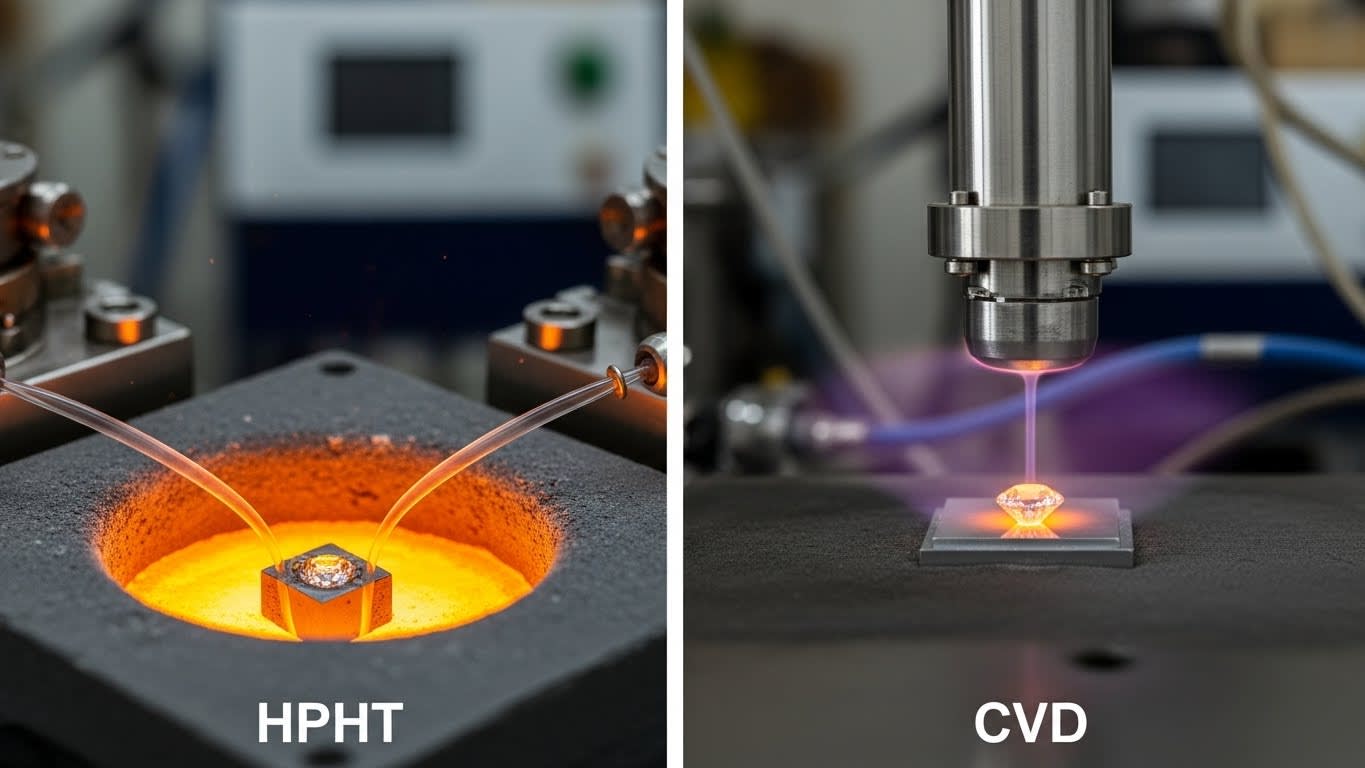
Lab-grown diamonds represent a revolutionary approach to creating authentic diamond gemstones through advanced scientific techniques. Unlike traditional mining methods, these diamonds are precisely engineered in controlled laboratory environments within just a few weeks, utilizing cutting-edge technological processes like High Pressure High Temperature (HPHT) and Chemical Vapor Deposition (CVD).
Scientifically, lab-grown diamonds are chemically, physically, and optically identical to natural mined diamonds. They possess the same crystalline carbon structure, hardness rating of 10 on the Mohs scale, and optical properties that create exceptional brilliance and fire. Reputable gemological institutions like the Gemological Institute of America (GIA) and International Gemological Institute (IGI) certify these diamonds, confirming their authenticity and quality.
The primary distinction between lab-grown and mined diamonds lies in their origin. While natural diamonds form over billions of years deep within the Earth’s mantle, lab-created diamonds replicate these geological conditions through advanced technological processes. This means consumers can obtain a diamond with identical characteristics to a mined stone, but with significantly reduced environmental impact and ethical concerns associated with traditional diamond mining.
Pro tip: When purchasing a lab-grown diamond, always request a certification from a recognized gemological laboratory to verify its quality and authenticity.
Types Of Lab Diamonds And How They’re Made
Lab-grown diamonds are created through two primary scientific methods: High Pressure High Temperature (HPHT) and Chemical Vapor Deposition (CVD). Advanced crystallization techniques transform pure carbon into stunning diamond crystals, each method offering unique advantages in diamond production.
The HPHT method recreates the intense geological conditions found deep within the Earth, utilizing extreme pressure and temperature to transform carbon into diamond crystals. Technicians place a small diamond seed into a carbon-rich environment and apply approximately 1.5 million pounds of pressure per square inch, combined with temperatures around 2,700 degrees Fahrenheit. This process causes carbon atoms to melt and recrystallize around the original seed, gradually forming a complete diamond.
Chemical Vapor Deposition (CVD) represents a more modern approach to diamond synthesis. In this method, scientists use a sealed chamber where carbon-containing gas is heated to extremely high temperatures, causing the gas to break down. The carbon atoms then slowly deposit onto a diamond seed, building the crystal layer by layer in a precise, controlled environment. This technique allows for exceptional purity and allows manufacturers to create diamonds with specific characteristics and minimal impurities.
Pro tip: Ask your jeweler about the specific growth method used in creating your lab-grown diamond to better understand its unique formation process.
Here’s a concise comparison of lab-grown diamond production methods:
| Method | Process Duration | Purity of Diamond | Typical Use Cases |
|---|---|---|---|
| HPHT | Several weeks | Moderate purity | Industrial, jewelry |
| CVD | Several weeks | Exceptional purity | Fine jewelry, high-clarity stones |
Ethical And Environmental Benefits Explained
Lab-grown diamonds represent a transformative solution for consumers seeking sustainable and ethical jewelry options. Unlike traditional diamond mining, which often involves extensive environmental disruption and potential human rights concerns, these scientifically created gemstones offer a responsible alternative that dramatically reduces ecological impact.
The environmental advantages of lab-grown diamonds are substantial. Traditional diamond mining requires massive land excavation, frequently leading to deforestation, ecosystem destruction, and significant carbon emissions. In contrast, lab-created diamonds are produced in controlled environments that consume dramatically less water and energy. When manufactured using renewable energy sources, these diamonds can have a carbon footprint up to 60% smaller than mined diamonds, making them an attractive option for environmentally conscious consumers.
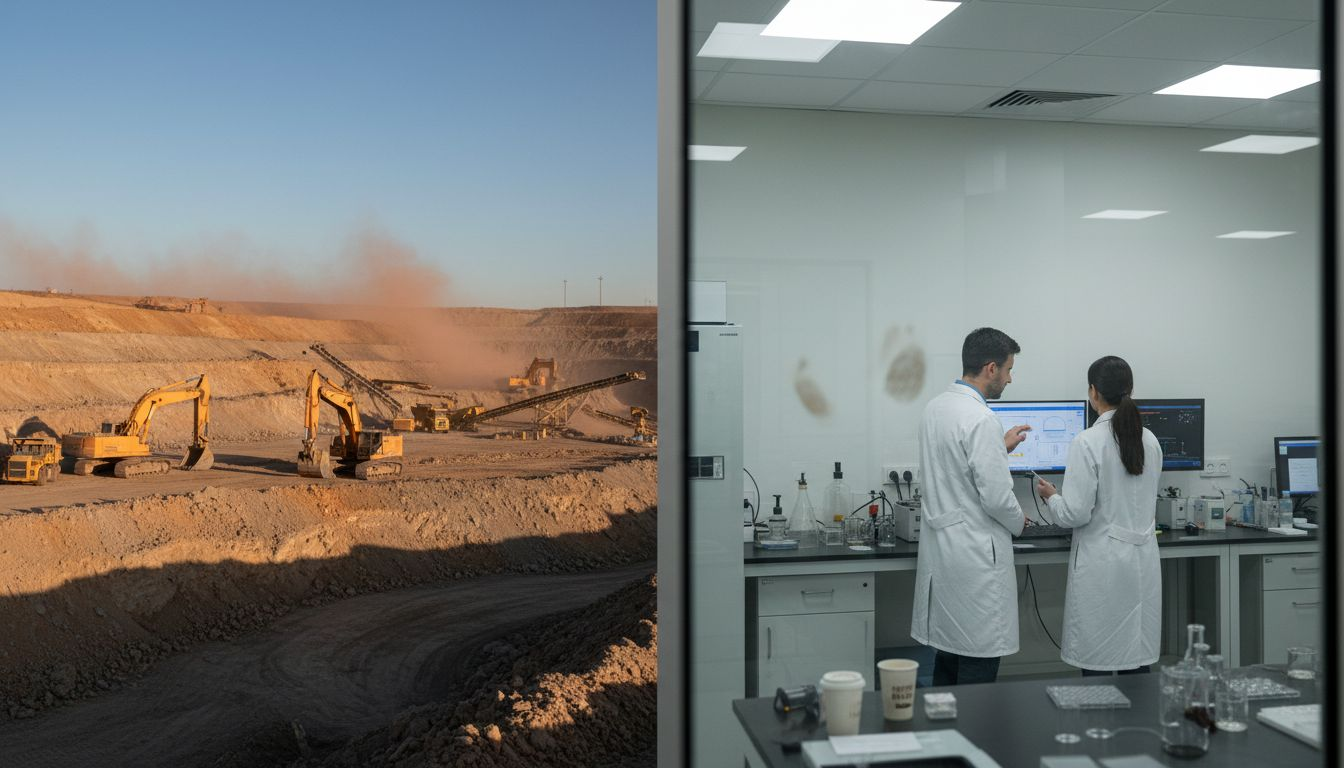
Beyond environmental considerations, lab-grown diamonds provide critical ethical benefits. Traditional diamond mining has long been associated with complex humanitarian challenges, including potential conflict financing and unsafe labor practices. Lab-created diamonds offer complete transparency in their origin, ensuring that each stone is conflict-free and produced under carefully monitored conditions. This approach not only protects local communities but also provides consumers with complete peace of mind about the social responsibility behind their jewelry purchase.
Pro tip: Request documentation about the specific environmental and ethical standards used in creating your lab-grown diamond to fully understand its sustainable production process.
Below is a quick reference on the major ethical and environmental benefits of lab-grown diamonds:
| Benefit Type | Lab-Grown Diamonds | Mined Diamonds |
|---|---|---|
| Environmental | Low carbon footprint | High land and water use |
| Ethical Sourcing | Fully traceable origin | Risk of conflict stones |
| Community Impact | No displacement or harm | Possible harm to locals |
Comparing Lab To Mined Diamonds
When examining diamonds, consumers are increasingly interested in understanding the fundamental differences between natural and lab-grown stones. Comprehensive diamond comparisons reveal that while both types share identical physical and optical characteristics, their origins and production methods differ dramatically.
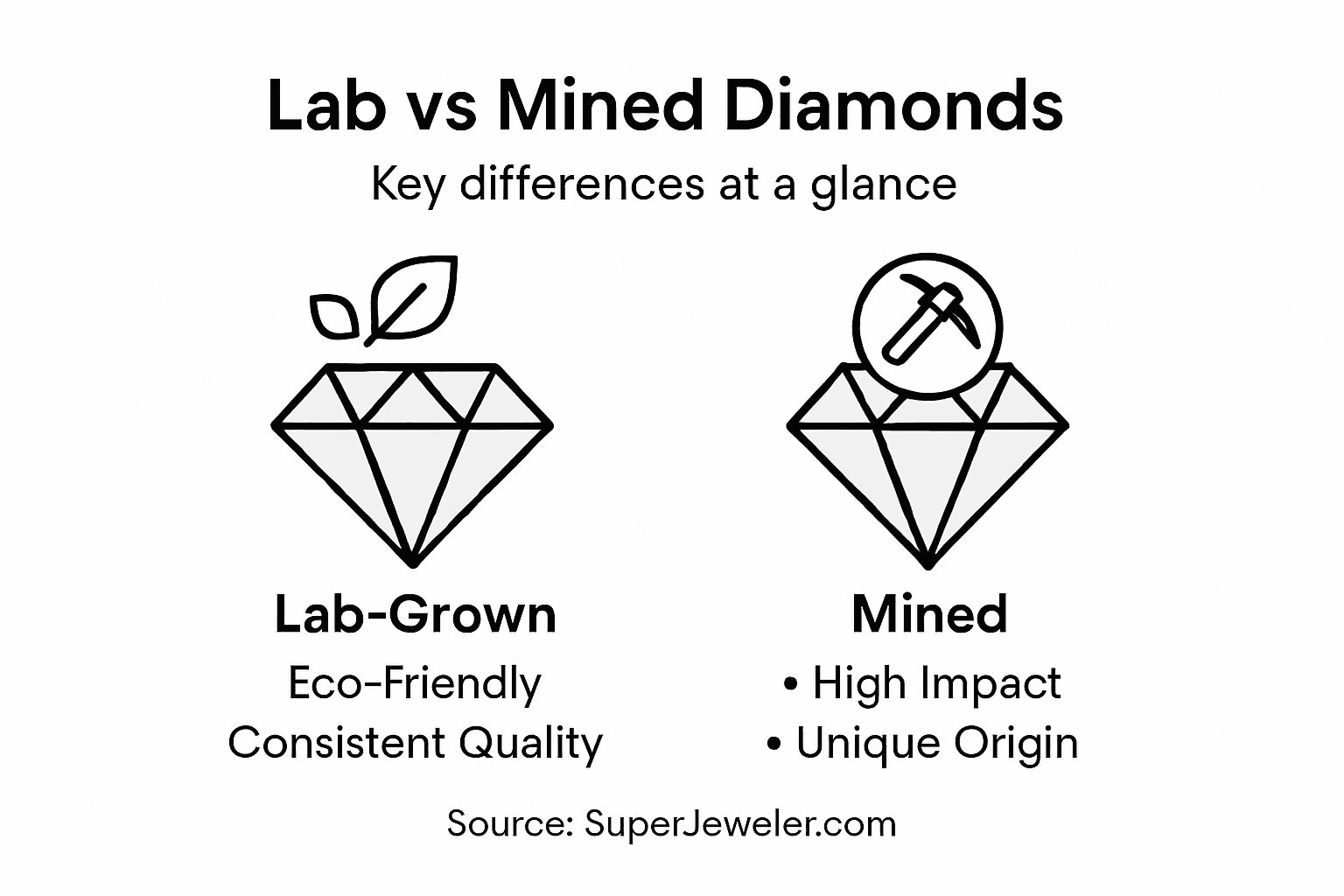
The primary distinction lies in formation time and environmental impact. Natural diamonds form over billions of years deep within the Earth’s mantle, requiring extensive mining operations that cause significant ecological disruption. In contrast, lab-grown diamonds are created in controlled environments within weeks, using advanced technological processes that replicate the extreme pressure and temperature conditions of natural diamond formation. This method allows for precise control over the diamond’s characteristics while eliminating the environmental destruction associated with traditional mining.
From a technical perspective, lab-grown and mined diamonds are chemically, physically, and optically indistinguishable. Gemological experts confirm that both types have identical crystal structures, hardness ratings, and light-refraction properties. The key differences emerge in their creation process, cost, and environmental footprint. Lab-grown diamonds typically cost 30-50% less than comparable mined diamonds, offer greater clarity options, and provide complete transparency about their origin, making them an increasingly attractive option for conscientious consumers who want both quality and ethical assurance.
Pro tip: Request a detailed gemological certification when purchasing a diamond to understand its specific characteristics and origin, regardless of whether it’s lab-grown or mined.
Cost, Value, And Shopping Tips
Navigating the world of lab-grown diamonds requires understanding their unique economic advantages. Lab diamond pricing strategies reveal that these stones typically cost 60-80% less than comparable natural diamonds, making luxury more accessible for budget-conscious consumers seeking high-quality gemstones.
The price difference becomes even more pronounced with larger carat weights. Where natural diamonds become exponentially more expensive as they increase in size, lab-grown diamonds maintain a more consistent and affordable pricing structure. This means consumers can often purchase a significantly larger or higher-quality stone for the same budget they would spend on a smaller mined diamond. The cost savings stem directly from the controlled manufacturing process, which eliminates expensive mining operations and reduces overall production complexity.
When shopping for lab-grown diamonds, buyers should focus on the same critical factors used to evaluate natural diamonds: cut, clarity, color, and carat weight (known as the 4Cs). Reputable jewelers provide detailed certifications from recognized gemological laboratories, ensuring transparency and quality. Smart shoppers should compare multiple sources, request detailed grading reports, and understand that while lab diamonds are less expensive, they still represent a significant investment that requires careful consideration.
Pro tip: Always request a detailed gemological certification and compare multiple lab-grown diamond options to ensure you’re getting the best value for your specific budget and aesthetic preferences.
Discover Sustainable Luxury with Lab-Grown Diamonds at SuperJeweler.com
Choosing lab-grown diamonds means embracing ethical sourcing and a lower environmental impact without compromising on beauty or quality. If you want to shine with a diamond that reflects your values and style, explore the wide selection of lab-grown diamonds and fine jewelry available at SuperJeweler.com. Our collection offers stunning options that are certified, conflict-free, and crafted through advanced technology as explained in the article.

Take the next step toward responsible luxury by visiting SuperJeweler.com today. Customize your perfect engagement ring, wedding band, or statement piece knowing each lab-grown diamond delivers unmatched brilliance and sustainability. Shop now to enjoy competitive prices, free worldwide shipping, and trusted warranties on your meaningful jewelry purchase.
Frequently Asked Questions
What are lab-grown diamonds?
Lab-grown diamonds are authentic diamond gemstones created in controlled laboratory environments using advanced scientific techniques. They are chemically, physically, and optically identical to natural mined diamonds.
How are lab-grown diamonds made?
Lab-grown diamonds are produced primarily through two methods: High Pressure High Temperature (HPHT) and Chemical Vapor Deposition (CVD). Both methods replicate the natural conditions under which diamonds form but do so in a significantly shorter time frame.
What are the environmental benefits of choosing lab-grown diamonds?
Lab-grown diamonds have a significantly lower carbon footprint compared to mined diamonds. Their production consumes less water and energy, and when made using renewable energy sources, their environmental impact is dramatically reduced.
Are lab-grown diamonds more affordable than natural diamonds?
Yes, lab-grown diamonds typically cost 30-50% less than comparable natural diamonds, making them a more budget-friendly option without compromising on quality or appearance.
Recommended
- Lab Grown Diamond Jewelry | SuperJeweler
- 4 Carat Lab Grown Diamond Ring Deals | SuperJeweler
- Lab Grown Diamond Rings | SuperJeweler
- 1 Carat Lab Grown Diamond Ring Deals | SuperJeweler
