TL;DR:
- Diamond trends in 2026 focus on personalized, vintage-inspired, and sustainable designs.
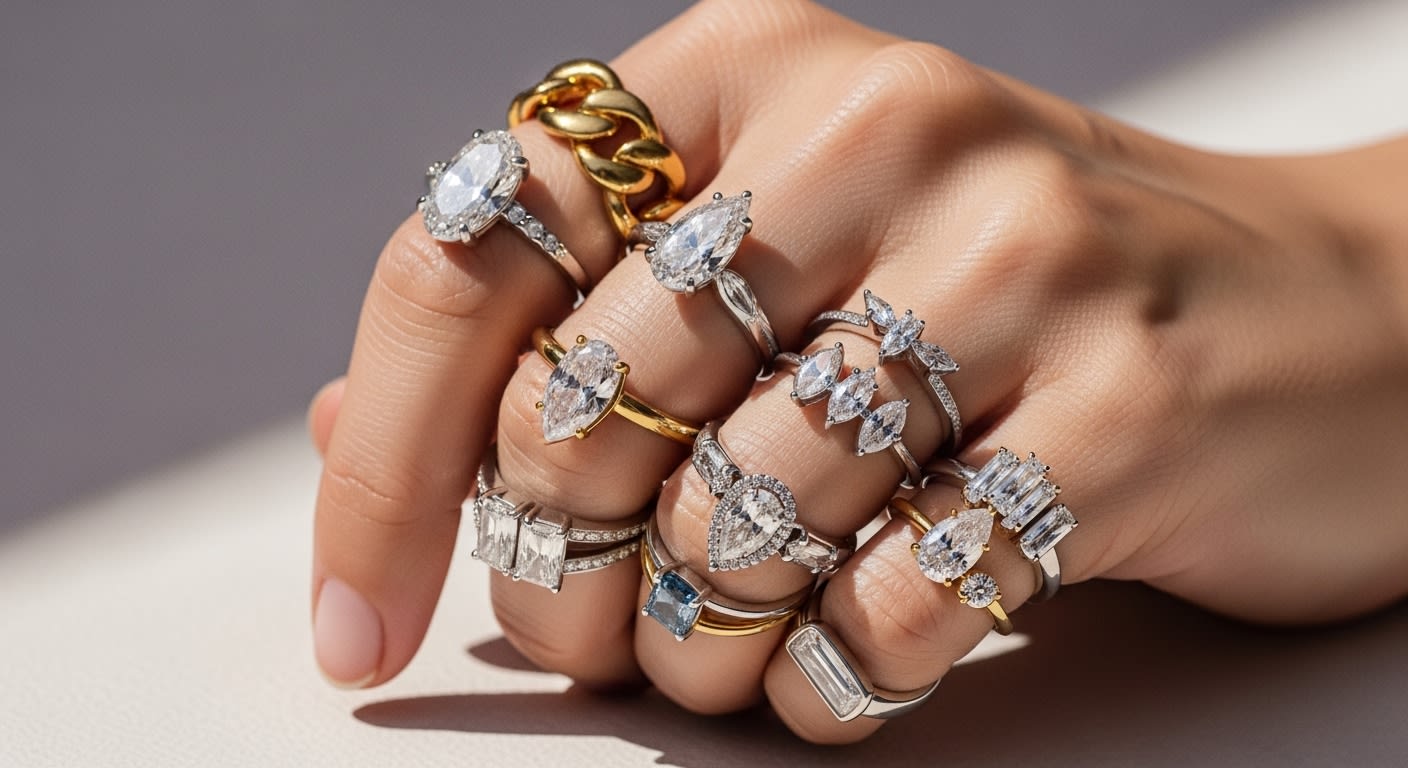
- Buyers now prefer elongated shapes, colored stones, and vintage cuts for their uniqueness.
- Natural and lab-grown diamonds serve different values, budgets, and ethical considerations.
The classic solitaire is no longer the automatic answer for every diamond shopper. Intentional individuality now defines 2026 diamond jewelry, with vintage-inspired cuts, mixed metals, traceable sourcing, and personalized designs taking center stage. Whether you are shopping for an engagement ring, a special gift, or treating yourself, the landscape has shifted in ways that reward informed buyers. More choices mean more opportunities to find something genuinely meaningful, but they also mean more questions. This guide breaks down the real forces behind 2026 diamond trends so you can shop with confidence, clarity, and a clear sense of what matters most to you.
Table of Contents
- The big picture: Why diamond trends shift in 2026
- Breakout styles and shapes: 2026’s hottest diamond looks
- Sustainability, ethics, and the natural vs lab-grown divide
- Making diamond trends work for you: A smart buyer’s checklist
- Our take: The future of diamond buying in 2026 and beyond
- Find your perfect diamond: Shop 2026’s top trends
- Frequently asked questions
Key Takeaways
| Point | Details |
|---|---|
| Individuality rules | 2026 trends prioritize personal expression with unique cuts, settings, and colored diamonds. |
| Sustainable choices | Buyers increasingly choose recycled and lab-grown diamonds for ethics and value. |
| Vintage and bold styles | Chunky bands and vintage-inspired designs are among this year’s most popular looks. |
| Know your options | Understanding natural versus lab-grown diamonds is key to making a smart purchase. |
The big picture: Why diamond trends shift in 2026
Diamond preferences do not change in a vacuum. What people want from a diamond in 2026 is shaped by who is buying, what they value, and how the broader economy is performing. Understanding these forces helps you separate passing fads from meaningful shifts worth paying attention to.
Generational values are the single biggest driver. Self-purchases exceed 40% among women, and both Gen Z and Millennials prioritize personalization and sustainability over tradition. These buyers want jewelry that reflects their identity, not just a cultural expectation. That shift pushes designers toward elongated shapes, fancy cuts, and customizable settings that stand out from the standard round solitaire.
The market is also splitting in a way that creates real opportunity. Natural diamonds are regaining momentum at the high end, while lab-grown sales are maturing with more competitive pricing and broader mainstream appeal. These two categories are no longer fighting for the same buyer. They serve different needs, different budgets, and different emotional motivations. That split is actually good news for shoppers.
What is growing in popularity right now:
- Fancy and elongated shapes like oval, pear, and marquise, favored for their visual size and modern feel
- Colored stones including sapphires, morganite, and rare natural fancy diamonds
- Vintage and antique cuts such as Old European and rose cuts, which carry a sense of history and craft
- Sustainable sourcing including lab-grown, recycled, and traceable natural diamonds
- Self-purchase and non-bridal jewelry as more buyers shop for themselves, not just for milestones
Economic factors also matter. US and China demand for larger natural stones above two carats is rising, signaling that quality and size are priorities for buyers willing to invest. At the same time, the surge in affordable luxury jewelry shows that accessibility is just as important. Buyers want something special without overpaying.
With the context set, let’s break down exactly what’s changing in diamond style and sales.
Breakout styles and shapes: 2026’s hottest diamond looks
Now that you know what’s influencing the market, let’s explore what’s actually showing up on fingers and in collections.
The most talked-about styles for 2026 are not minimalist or understated. They are intentional, expressive, and often layered with meaning. Chunky gold bands, elongated cuts, and colored diamonds are leading the way, driven by a desire for pieces that feel personal rather than generic.
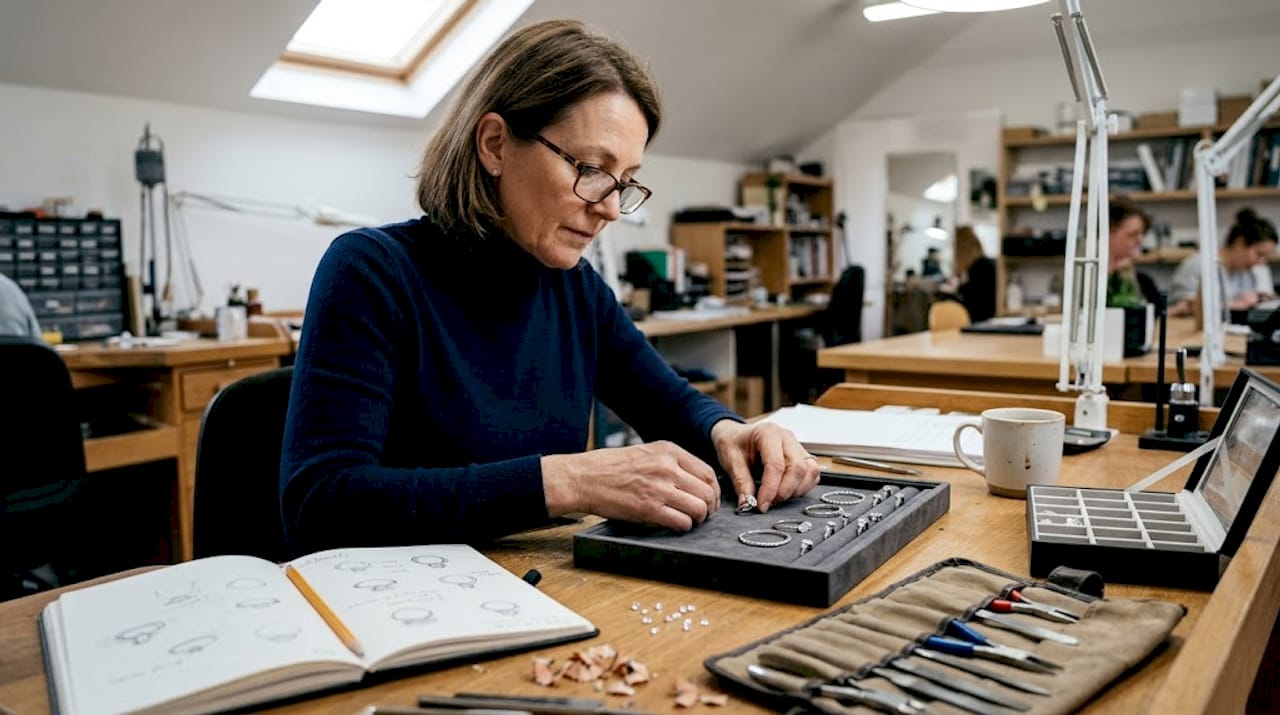
Numbers back this up. The average engagement ring spend hit $7,364 in 2025, up 9% year over year. The average center stone came in at 1.16 carats, with round brilliants still commanding 62% of sales. But the real story is in what’s growing. Oval now holds 14% of the market, and marquise shapes jumped 12% year over year. That kind of growth signals a real shift in taste, not a fluke.
| Shape | Market share | Trend direction |
|---|---|---|
| Round brilliant | 62% | Stable |
| Oval | 14% | Growing steadily |
| Marquise | Rising fast | Up 12% YoY |
| Cushion | Moderate | Holding strong |
| Emerald/Asscher | Niche | Gaining ground |
Beyond shapes, vintage-style engagement rings are having a clear moment. Old European cuts and intricate milgrain settings evoke a sense of craftsmanship that modern machine-cut stones can not always replicate. These styles resonate especially with buyers who want something that feels one-of-a-kind.
“Green diamonds are emerging as a statement choice in 2026, driven by rarity, personalization, and a growing appetite for colored diamond engagement rings.”
It’s also worth noting that men’s diamond jewelry is growing fast. Diamond-set bands, signet rings, and bracelets are no longer edge-case purchases. Male buyers are increasingly confident investing in fine jewelry for themselves.
Pro Tip: If you love a trending shape like oval or marquise but want longevity, pair it with a classic metal like yellow gold or platinum. The shape stays fresh while the setting keeps the piece timeless.
For buyers watching the lab-grown space, lab-grown diamond deals allow you to access larger, on-trend shapes without stretching your budget past comfort. That flexibility is one of the biggest advantages in the current market.
Sustainability, ethics, and the natural vs lab-grown divide
Choosing what style to buy in 2026 often comes down to how you balance look, values, and price.
The diamond market is no longer a single lane. Natural diamonds serve as rare heirlooms and long-term investments rooted in provenance and scarcity. Lab-grown diamonds enable fashion-forward, larger pieces at a fraction of the cost. These two categories now serve genuinely different buyers, and that is actually a healthy development for the market.
Here is how they compare across the key factors:
| Factor | Natural diamond | Lab-grown diamond |
|---|---|---|
| Cost | Higher upfront | Significantly lower |
| Environmental impact | Mining required | Lower carbon in most cases |
| Resale value | Holds value over time | Depreciating faster |
| Size for budget | Smaller per dollar | Larger per dollar |
| Emotional symbolism | Rarity and tradition | Modern and sustainable |
For buyers who care about ethics, the most important step is asking the right questions before purchasing. Here is a practical numbered checklist:
- Ask if the retailer can provide a country of origin or Kimberley Process certificate for natural stones
- For lab-grown, confirm whether the stone was created using renewable energy sources
- Check whether recycled or reclaimed metals are used in the setting
- Look for independent grading reports from GIA or IGI for both natural and lab-grown stones
- Understand the retailer’s resale or trade-in policy before committing
The lab-grown vs natural diamond guide is worth reading if you want a side-by-side breakdown specific to your budget. It covers the fine print that most buyers overlook, including how lab-grown prices have shifted over the past two years.
Pro Tip: If resale value matters to you, lean toward certified natural diamonds with clear provenance. If size and fashion flexibility are the priority, lab-grown diamond options give you far more to work with per dollar. There is no wrong answer, only the one that fits your priorities.
The ethical sourcing conversation is also expanding to include recycled diamonds and vintage stones. Buying pre-owned or reclaimed diamonds carries zero new mining impact, and antique cuts align perfectly with the vintage aesthetic trend that is thriving right now.
Making diamond trends work for you: A smart buyer’s checklist
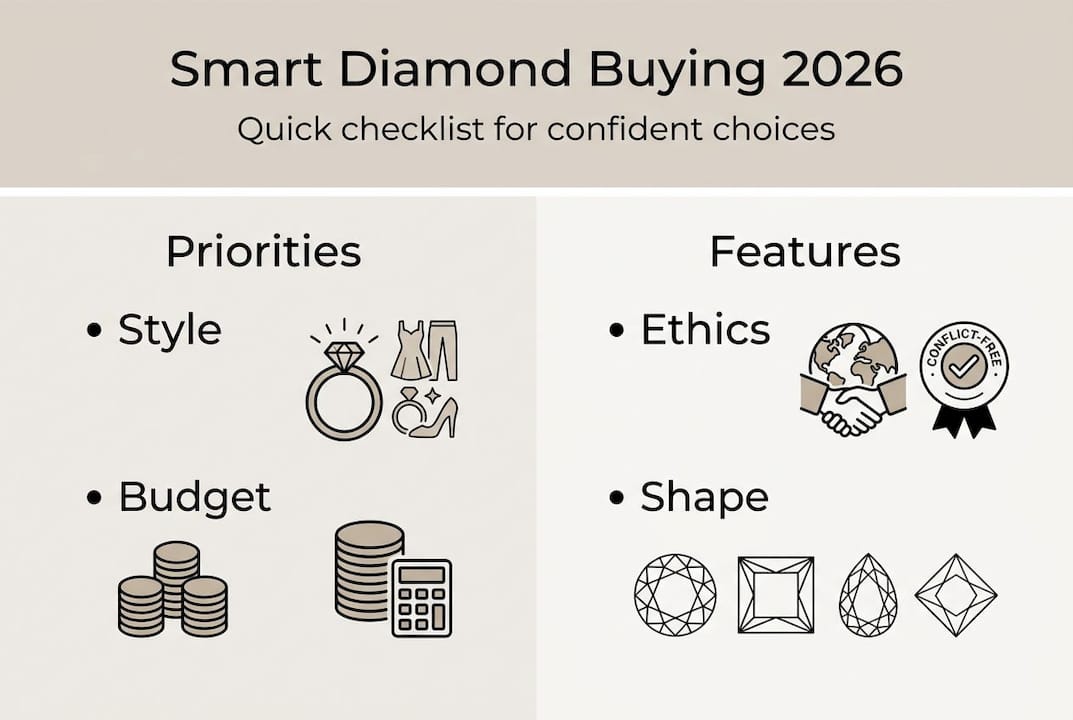
Once you’re clear on your priorities, use this step-by-step checklist to guide your search.
Vintage-inspired designs, mixed metals, antique cuts, and sustainable practices define the 2026 mood, but none of that matters if the piece doesn’t resonate with you personally. Trends are a starting point, not a rulebook. The goal is to use them as a filter for discovery, not as a mandate.
Here is a practical checklist to keep your search focused:
- Define your non-negotiables first. Budget ceiling, preferred metal, ring size, and lifestyle all shape what will actually work long-term.
- Identify one or two trend elements you genuinely love. Do not chase everything. Pick the shape, setting style, or stone type that excites you most.
- Check resale and wearability. A trendy shape with a durable setting holds up better than a fragile halo design if you use your hands actively.
- Research your retailer. Look for transparent sourcing, verified grading reports, solid return policies, and real customer reviews.
- Think about customization. Personalized jewelry ideas like engraving or mixed metal bands can make a trending design feel completely yours.
- Try before you commit. Many online retailers offer virtual try-on or easy return windows. Use them.
When you are ready to browse real options, explore engagement ring options across shapes, settings, and price points to see how 2026 trends translate into actual rings.
Pro Tip: The best way to future-proof a trendy purchase is to anchor it in at least one timeless element. A vintage-cut diamond in a modern bezel setting, for example, blends trend and tradition in a way that won’t feel dated in five years.
Trends also inform where to look for inspiration. Jewelry designers, bridal publications, and retailer lookbooks are all reflecting the same shifts right now. Use them to build a clear visual reference before you start shopping in earnest.
Our take: The future of diamond buying in 2026 and beyond
Most buyers walk into their diamond search worried about making the wrong choice. They read trend reports, compare shapes, and scroll endlessly through settings trying to find the “right” answer. Here is the uncomfortable truth: the trend report is never the right answer on its own.
We have seen buyers chase the most popular shape of the moment and feel underwhelmed the moment it arrives. We have also seen buyers pick something quieter and more personal, something no trend article was pushing, and feel completely at peace with it years later.
Trends matter because they tell you what’s available, what’s priced well, and what designers are excited about. They are a window into possibility. But your ring or jewelry piece is not a cultural statement. It is yours. The benefits of lab diamonds or a rare natural stone only matter if they connect with your actual values and life stage.
Use trend knowledge to expand your options, not narrow them. The best diamond choice in 2026 is the one that will still feel right in 2036.
Find your perfect diamond: Shop 2026’s top trends
Ready to shop trend-savvy and confidently? Here’s where to start.
Knowing what you want is the hardest part. Now that you understand the shapes, settings, and values driving 2026 diamond trends, you can shop with a real sense of direction instead of guesswork.
At SuperJeweler, we carry budget-friendly engagement rings across every trending shape, from classic round brilliants to the fastest-rising ovals and marquise styles. You can browse lab-grown diamond options for larger, fashion-forward pieces at prices that make sense, or explore all engagement rings to find the setting, metal, and stone combination that fits your style and your story. Free shipping, generous return policies, and real variety make it easy to shop with confidence.
Frequently asked questions
What shapes of diamonds are most popular for engagement rings in 2026?
Round brilliants lead with 62% of sales, but oval, cushion, and marquise are rising quickly because younger buyers want something visually distinct and personally meaningful.
How do lab-grown diamonds compare to natural diamonds in 2026?
Lab-grown stones let you buy larger and more trend-forward pieces at lower costs, while natural diamonds remain valued for their rarity, tradition, and stronger long-term resale performance.
Are colored diamonds like green or blue trending in 2026?
Yes, rare colored diamonds, especially green, are drawing serious interest as buyers prioritize rarity and personalization over the conventional colorless stone.
What sustainability features should I look for when buying a diamond in 2026?
Prioritize traceable sourcing and recycled materials and choose retailers with clear ethical sourcing policies and independent grading reports to back up their claims.
Recommended
- Diamond shape impact: choosing the ideal engagement ring
- Trends in Engagement Rings 2026: Style, Stone, and Savings
- Claddagh Ring and Claddagh Engagement Ring, Fantastic New Modern Styles at Great Prices!
- Pot Leaf Jewelry | Fire Up This Amazing New Pot Leaf Ring, Earring, Necklace Collection
