TL;DR:
- Jewelry appraisals are essential documents that determine a piece’s value based on material, condition, and market context, not just price tags. They protect buyers by ensuring accurate insurance, authenticating jewelry, and supporting resale or estate purposes, especially given fluctuating market values. Having a certified independent appraisal updated regularly safeguards your investments and helps you make informed decisions.
Most people assume a piece of jewelry has one value. The price on the tag, maybe. But that assumption can cost you real money. Understanding why jewelry appraisal matters is the first step to protecting what you buy, insure, or inherit. An appraisal is not just a number. It is a formal professional document that captures what a piece is made of, what condition it is in, and what it is worth in a specific market context. Whether you are buying an engagement ring or building a collection, knowing how appraisals work changes how confidently you can act.
Table of Contents
- Key Takeaways
- What a jewelry appraisal actually includes
- Why jewelry appraisal matters for buyers and investors
- What to expect at your appraisal appointment
- Pitfalls to avoid: free appraisals and outdated values
- Using your appraisal report effectively
- My take on why this matters more than most buyers realize
- Shop with confidence at Superjeweler
- FAQ
Key Takeaways
| Point | Details |
|---|---|
| Appraisals are purpose-driven | The same ring can carry different values for insurance, resale, or estate depending on the standard used. |
| Documentation protects you | A thorough appraisal captures metal, gemstones, hallmarks, and photos that prove authenticity and support claims. |
| Independent appraisers matter | Certified appraisers following recognized standards deliver objective, trustworthy valuations free from conflict of interest. |
| Values shift over time | Metal and gemstone prices fluctuate, so appraisals should be updated every two to three years to stay accurate. |
| Lab-grown diamonds appraise differently | Lab-grown stones typically carry lower appraisal values than natural diamonds, which affects insurance and resale planning. |
What a jewelry appraisal actually includes
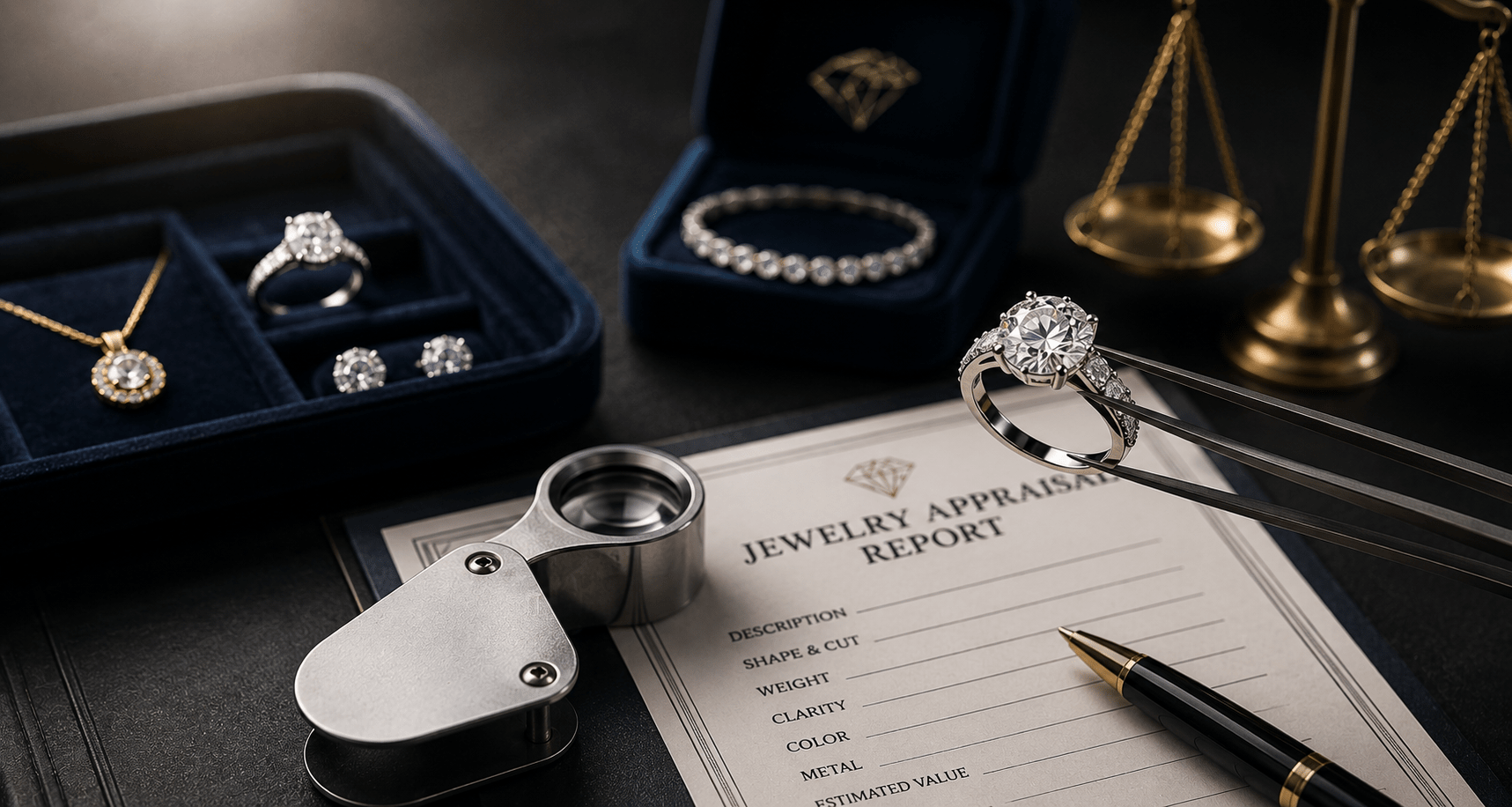
A jewelry appraisal is a written document produced by a qualified professional who physically examines your piece. It is not an estimate or a retailer’s quoted price. It is a structured report that assigns a specific monetary value based on a defined valuation standard.
Here is what a thorough appraisal document typically covers:
- Metal composition and weight: Type of metal (gold, platinum, silver), karat or purity, and total weight measured in grams
- Gemstone descriptions: Cut, color, clarity, carat weight, and any accompanying grading certificates
- Hallmarks and maker’s marks: Stamped identifiers that confirm metal purity and manufacturer origin
- Condition notes: Signs of wear, repairs, prong damage, or surface scratching
- Photographs: Visual records that support re-identification years later
- Assigned value and valuation standard: The dollar figure plus the specific context it reflects
That last point is where most buyers get confused. There is no single universal value for a piece of jewelry. Each appraisal reflects a specific market context: insurance replacement, fair market resale, or estate liquidation. A piece appraised at $5,000 for insurance purposes may only fetch $1,000 to $2,500 on the resale market. Knowing which type of appraisal you are looking at determines how useful it actually is.
Pro Tip: Always ask your appraiser to specify the valuation standard used in the report. “Replacement value” and “fair market value” can differ by 50% or more on the same piece.
It is also worth understanding that a diamond grading report and an appraisal report serve different purposes. A grading report from a gem lab measures quality characteristics (the 4Cs). An appraisal assigns monetary value based on current market data. You need both to get the full picture.
Why jewelry appraisal matters for buyers and investors
Once you understand what an appraisal contains, the benefits of jewelry evaluation become concrete. Here is how an appraisal protects you across the most common real-world scenarios:
- Insurance accuracy. An appraisal assigns a current replacement value based on today’s market, not the price you paid years ago. Without this, you risk being underinsured after a loss or theft. Your insurer needs specific descriptions of metal, stones, and condition to write a precise policy.
- Proof of authenticity. An appraiser physically verifies metal purity and gemstone characteristics. This is not something a receipt or a retailer’s word can replace. For buyers spending thousands of dollars, independent verification matters enormously.
- Resale clarity. When you are ready to sell, an appraisal gives you a realistic baseline. Secondary market buyers and estate dealers use appraisal documentation when negotiating. Without it, you are guessing at fair value and often leaving money on the table.
- Estate planning and tax purposes. Appraisals are legally recognized documents for estate administration, charitable donation deductions, and inheritance distribution. The IRS requires a qualified appraisal for donation deductions exceeding $5,000, which makes the jewelry appraisal significance very tangible.
- Lab-grown vs. natural diamond clarity. If you own or are considering lab-grown diamonds, understand that these stones generally carry lower appraisal values than natural diamonds of equivalent quality. This distinction directly affects how you insure them and what you can realistically expect on resale.
Pro Tip: Before insuring any piece worth more than $1,500, get an independent appraisal rather than relying on a retailer’s stated retail price. Insurance premiums and claim payouts both depend on that number.
The value of jewelry assessments also extends to protecting your family. Detailed documentation of identifying marks and condition allows re-identification years later, which matters when a piece changes hands through inheritance or when you need to file an insurance claim for something stolen decades after purchase.
What to expect at your appraisal appointment
Knowing what happens during an appraisal removes the mystery and helps you prepare. The process is methodical, and your preparation directly affects the quality of the result.
Start by choosing a certified appraiser. Look for credentials from the American Gem Society, such as the Certified Gemologist Appraiser designation, which requires adherence to professional standards and ongoing education. The Advanced Certified Gemologist Appraiser credential adds gemological testing, USPAP training (the Uniform Standards of Professional Appraisal Practice), and ethics audits. These credentials signal that the appraiser follows recognized standards, which reduces guesswork and unsupported estimation.
What to bring to your appointment:
- Original purchase receipts and invoices
- Any prior appraisal documents
- Gemological certificates (GIA, IGI, AGS reports if available)
- Notes on any repairs, alterations, or known damage
- Provenance documentation for vintage or estate pieces
Provenance and documentation greatly influence appraisal accuracy. The more context you give the appraiser, the more thorough and defensible the final report becomes.
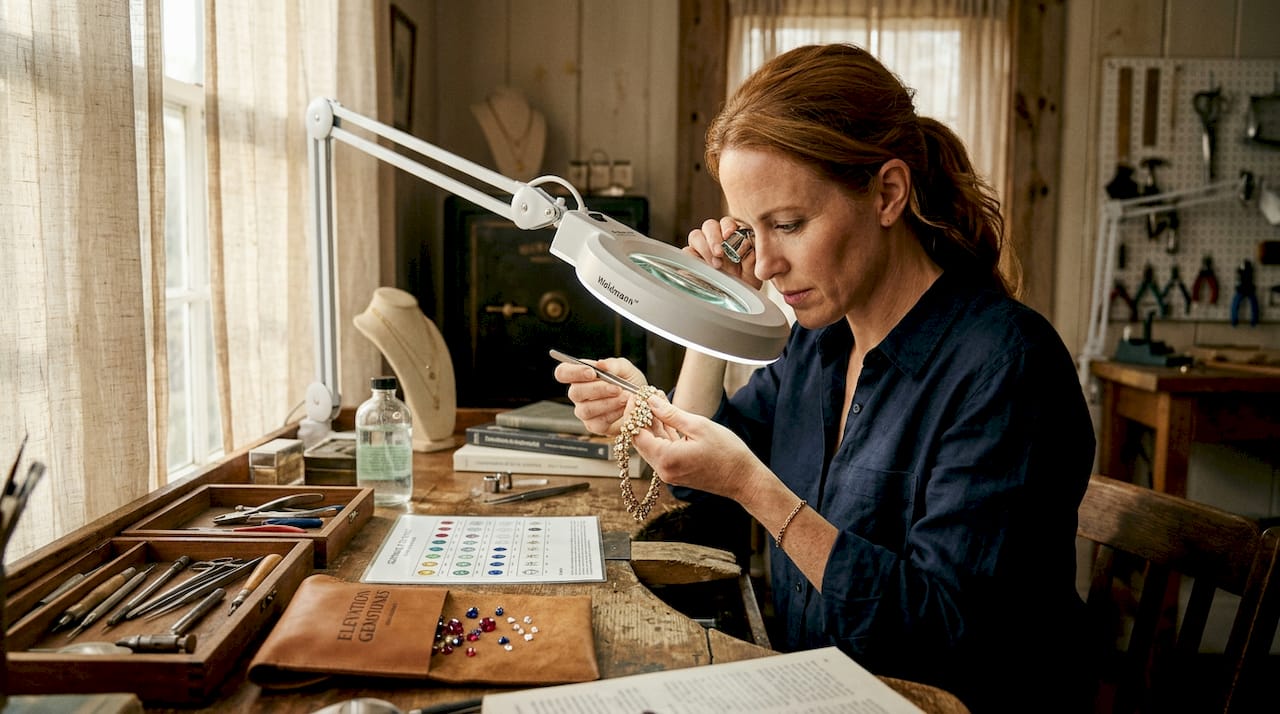
During the appointment, the appraiser will use loupes, microscopes, and metal-testing tools to physically examine the piece. They check prong integrity, look for undisclosed repairs, measure gemstone dimensions, and confirm hallmarks. They document all findings with notes and photographs. Most appointments take 30 to 60 minutes, and a written report is typically delivered within a few days.
Pitfalls to avoid: free appraisals and outdated values
Here is something few buyers think about until it is too late. Many retailers offer a “free appraisal” with purchase. The problem is structural. A jeweler who just sold you a $3,000 ring has a financial interest in appraising it high. That appraisal may look impressive, but it is not independent, and insurers or estate attorneys may not treat it with the same confidence as a third-party certified appraisal.
| Appraisal type | Typical purpose | Value relative to retail |
|---|---|---|
| Insurance replacement value | Covers cost to replace with similar item | Equal to or above retail |
| Fair market value | Reflects buyer/seller transaction price | 50% to 80% of retail |
| Resale/liquidation value | Quick-sale or dealer buyback price | 20% to 50% of retail |
| Estate value | Used for inheritance and probate | Varies; typically near fair market |
The gap between insurance value and resale value is one of the most misunderstood facts in the jewelry world. A piece appraised at $5,000 for insurance purposes realistically sells for $1,000 to $2,500. That is not fraud. It is the difference between what it costs to replace something retail and what the secondary market will pay.
Market conditions compound this issue. Gold prices, platinum values, and diamond demand all shift over time. Jewelry appraisal values fluctuate with these movements, meaning a 2019 appraisal may significantly understate or overstate today’s value. Outdated appraisals can leave you underinsured without realizing it.
Pro Tip: Schedule an appraisal update every two to three years for any piece you actively insure. Set a recurring reminder. The cost of one update is far less than a shortfall in an insurance claim.
Lab-grown diamonds add another layer of complexity. Because the market for lab-grown stones is still maturing, their appraisal values are more volatile than natural diamonds. If you own lab-grown pieces, pay close attention to appraisal currency and make sure your insurance policy reflects current replacement cost specifically for lab-grown stones, not natural diamond equivalents.
Using your appraisal report effectively
Receiving the report is just the beginning. The real benefit of jewelry evaluation comes from how you use it.
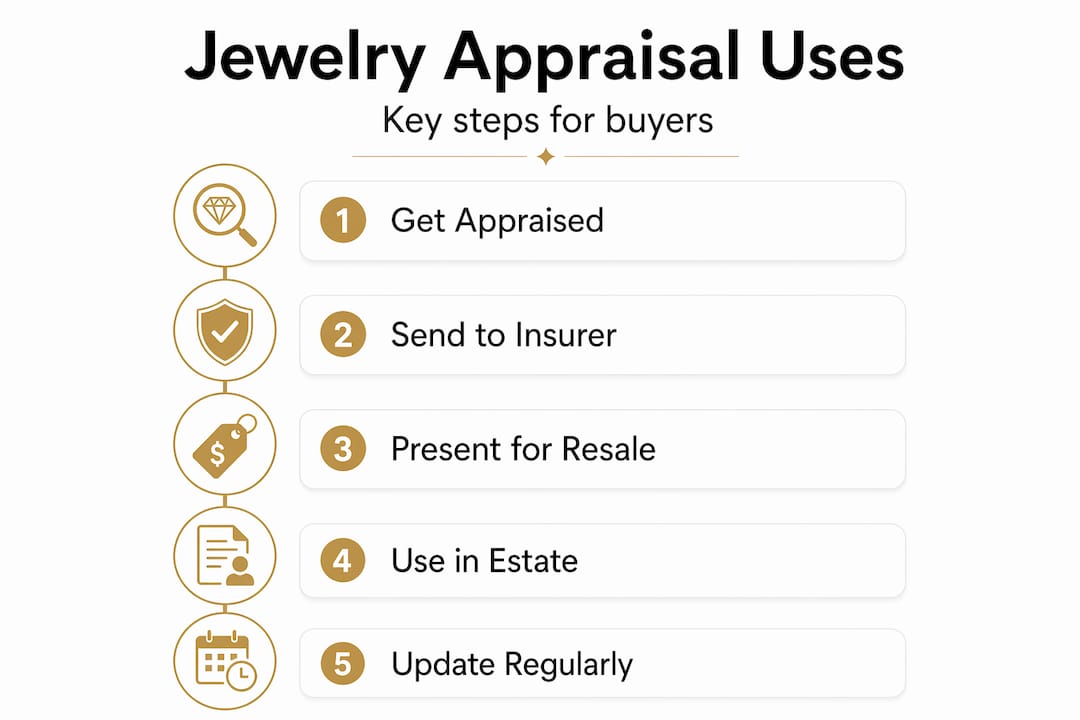
For insurance, share the appraisal with your provider as soon as possible. A scheduled personal property rider on a homeowner’s or renter’s policy typically covers jewelry at the appraised replacement value. Without the appraisal, claims get paid at a generic “jewelry” limit, which is often far below your actual loss. Learn more about protecting your pieces at the jewelry insurance guide from Superjeweler’s blog.
For resale, bring the appraisal to every buyer conversation. It establishes credibility and gives buyers something to reference. Even if the resale offer comes in below the appraised value (which is expected given market differences), you negotiate from a documented position rather than a hunch.
For estate planning, give copies to your estate attorney and financial planner. Appraisals make the distribution of jewelry assets cleaner and reduce family disputes about value. For charitable donations, attach the appraisal to your tax filing. The IRS requires a qualified appraisal for deductions above $5,000.
Keep your appraisal records in at least two places: one physical copy in a fireproof location and one digital copy in cloud storage. If the jewelry is stolen or lost, the appraisal document is the foundation for your insurance claim. Losing the document alongside the jewelry creates delays and complications you do not want during an already stressful process.
My take on why this matters more than most buyers realize
I have watched buyers spend thousands on a beautiful ring, take the retailer’s appraisal at face value, and then discover years later that the document was not worth much when they tried to make an insurance claim. That scenario is more common than the industry likes to admit.
The uncomfortable truth is that jewelry retail is built on perceived value, not objective value. A retailer’s “appraised at” price is a marketing tool as often as it is a genuine professional assessment. When you rely on that number to set your insurance coverage, you are trusting someone whose financial interest points in a different direction than yours.
What I have learned from watching buyers navigate this process is that the cost of an independent appraisal, typically $50 to $150 depending on complexity, is one of the best protective moves you can make after a significant purchase. Certified appraisers who follow recognized USPAP standards are accountable for their work in a way that in-house retail appraisers simply are not.
The peace of mind that comes from a current, independent appraisal on a cherished piece is hard to quantify but easy to appreciate. Get one. Update it. Keep the records safe.
— Andrew
Shop with confidence at Superjeweler

When you buy with a clear understanding of appraisal and value, you shop smarter. Superjeweler makes that easier with a wide selection of certified diamonds, lab-grown diamond jewelry, and engagement rings across every budget. Whether you are looking for a natural diamond centerpiece or exploring accessible options like engagement rings under $1,000 with real diamonds, every piece on the site ships free worldwide. Superjeweler also supports your research with educational guides on topics like jewelry appraisal basics and warranty protection, so you know exactly what you are buying and how to protect it after purchase.
FAQ
What does a jewelry appraisal actually measure?
A jewelry appraisal measures current replacement value or another defined standard by examining metal, gemstones, hallmarks, and condition. It is not the same as a purchase price or a resale estimate.
How often should I get my jewelry reappraised?
Jewelry appraisals should be updated every two to three years because metal and gemstone prices fluctuate with market conditions. An outdated appraisal can leave you underinsured without realizing it.
Is a jeweler’s free appraisal good enough for insurance?
A retailer’s in-house appraisal may be accepted by some insurers, but it carries a conflict of interest. An independent appraisal from a certified professional following recognized standards offers greater objectivity and credibility.
Do lab-grown diamonds appraise differently than natural diamonds?
Yes. Lab-grown diamonds generally carry lower appraisal values than natural diamonds of comparable quality, which directly affects insurance coverage amounts and realistic resale expectations.
What credentials should I look for in an appraiser?
Look for the Certified Gemologist Appraiser or Advanced Certified Gemologist Appraiser designations from the American Gem Society. These credentials require ongoing education, report review, and adherence to professional appraisal standards.
Recommended
- Jewelry Appraisal Explained: Ensure Value and Authenticity
- Why Invest in Fine Jewelry: 15% Market Growth & Value
- Why jewelry insurance matters: protect your valuables
- Protect Your Jewelry Investment: The True Value of a Warranty
