TL;DR:
- Accessible luxury offers verified quality upgrades at 1.5 to 3 times mainstream prices, focusing on materials and craftsmanship. It contrasts with traditional luxury by emphasizing proof signals over exclusivity, making high-quality goods more accessible. Consumers can evaluate genuine accessible luxury through material certifications, resale value, and transparent sourcing.
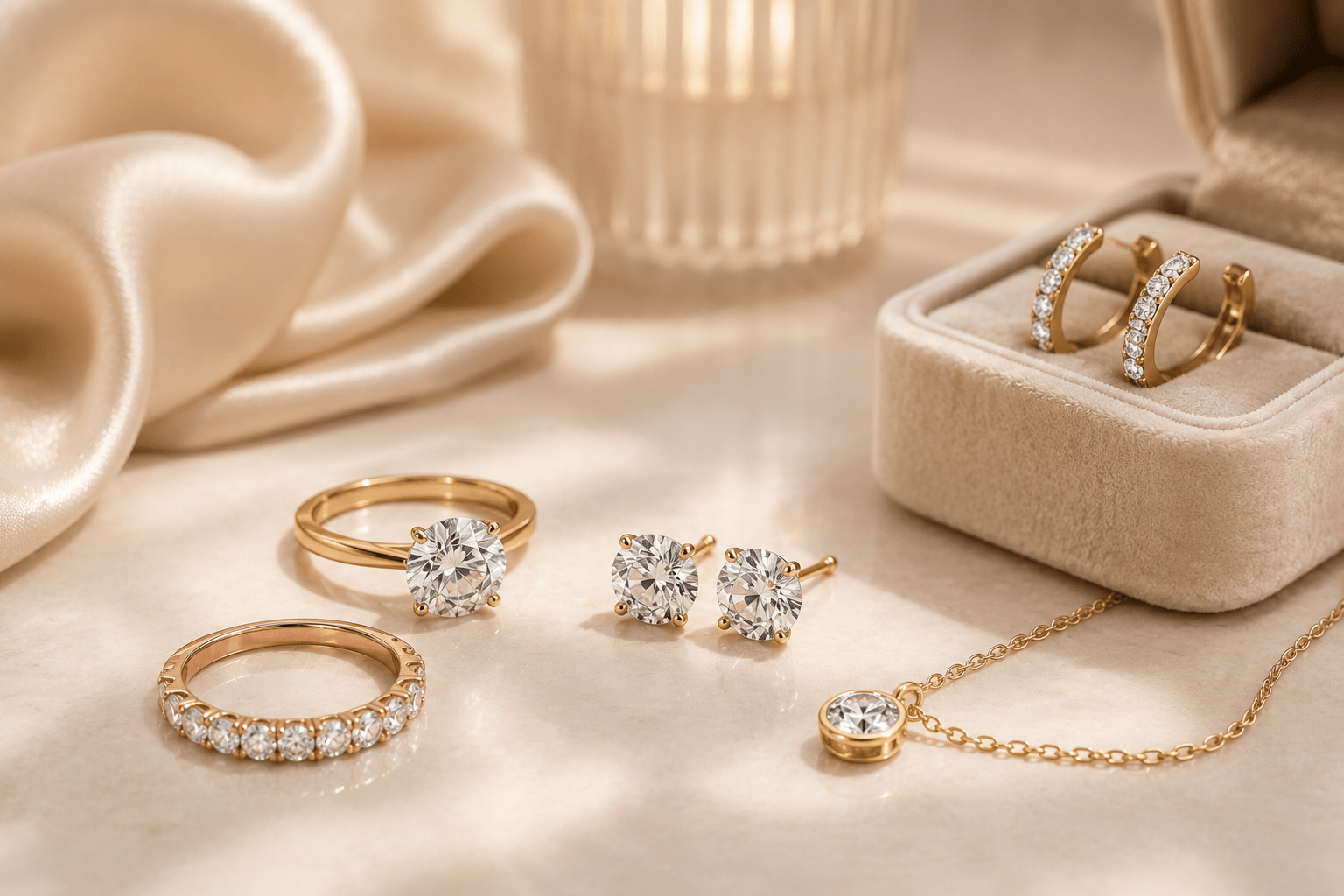
Accessible luxury is defined as the category of premium goods that delivers verifiable quality upgrades over mainstream products at prices 1.5 to 3 times higher, without the exclusivity barriers of traditional luxury. The industry term for this tier is “masstige,” a blend of mass-market reach and prestige-level quality. The accessible luxury goods market is valued at $387.6 billion as of 2026 and is projected to reach $821.2 billion by 2035. That scale signals a fundamental shift in how consumers define value. Shoppers no longer need to choose between cheap and aspirational. A clear, reachable middle tier now exists, and understanding it helps you spend smarter.
Table of Contents
- What is accessible luxury, and how is it defined?
- How is accessible luxury defined by price, quality, and materials?
- What cultural and market shifts are driving accessible luxury?
- How does accessible luxury differ from traditional and affordable luxury?
- How to shop and evaluate accessible luxury products wisely
- Key Takeaways
- Perspective
- Superjeweler and accessible luxury jewelry
- FAQ
What is accessible luxury, and how is it defined?
Accessible luxury, also called masstige, is a price and perception band rather than a fixed product category. It sits between mainstream consumer goods and traditional luxury, defined by materials, craftsmanship, and durability that shoppers can verify rather than brand prestige alone. A $350 cashmere sweater is accessible luxury. A $50 acrylic blend is not. A $4,500 couture version is traditional luxury. The difference is measurable, not just perceived.
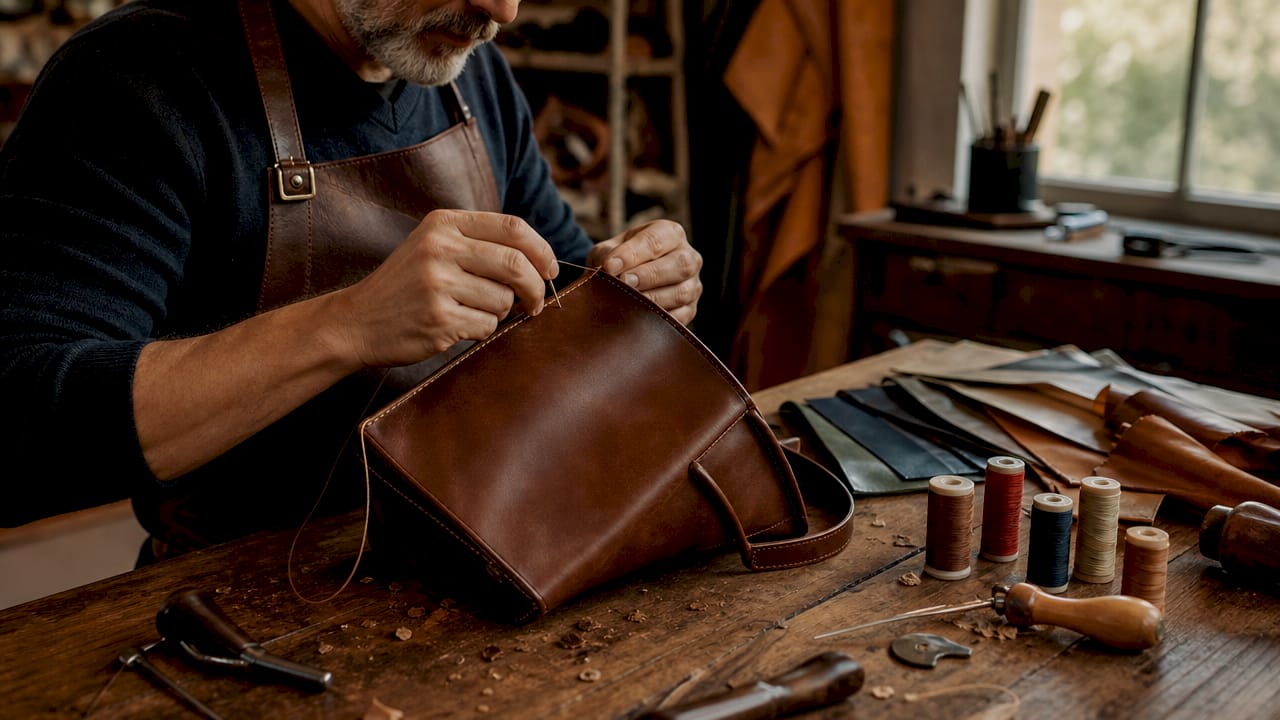
The concept gained traction as Millennials and Gen Z began rejecting fast fashion’s planned obsolescence model. These shoppers want goods that last, hold value, and reflect their personal standards. They are willing to pay more once, rather than replacing cheaper items repeatedly. That behavioral shift is what turned masstige from a niche positioning into a $387.6 billion global market.
Accessible luxury also carries a distinct financial profile. Gross margins run 50%–62% for accessible luxury brands, compared to 35%–45% for mainstream goods. Those margins fund better materials and production standards without requiring the extreme exclusivity pricing of traditional luxury houses. The business model is built on volume at a premium, not scarcity at a maximum.
How is accessible luxury defined by price, quality, and materials?
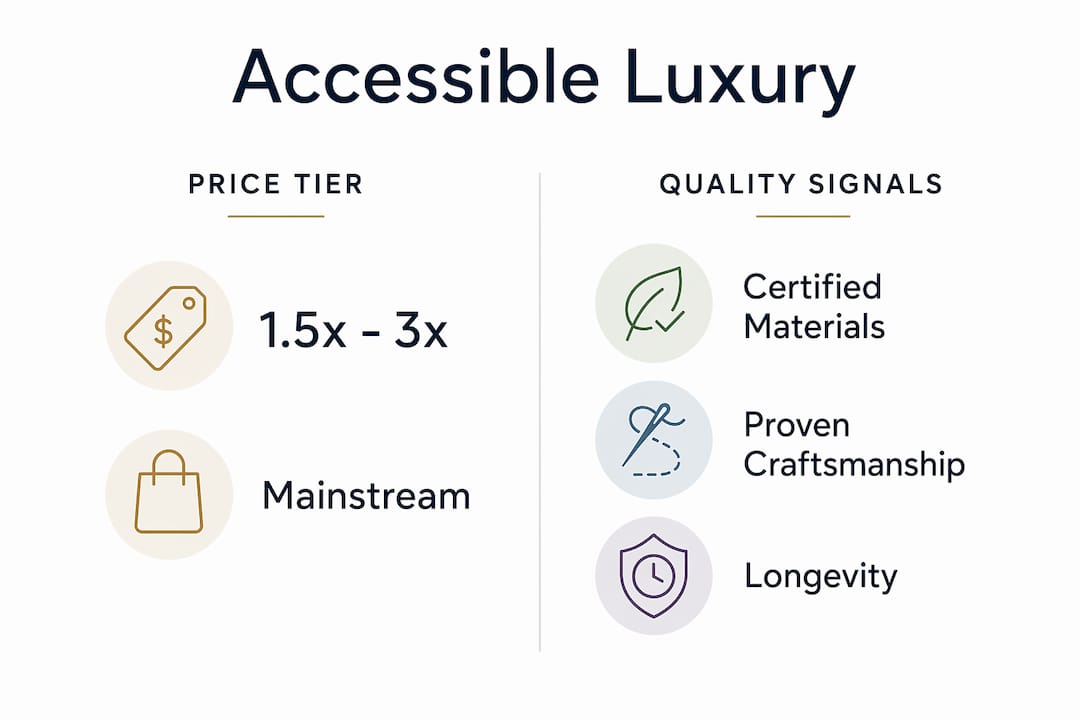
The price threshold for accessible luxury sits at 1.5 to 3 times the cost of a comparable mainstream product. True luxury is defined at 5x or more the mainstream price. That gap matters because it tells you where the quality investment actually goes.
Materials that signal genuine quality
Accessible luxury goods use materials that shoppers can feel and verify on contact. Common proof signals include:
- Full-grain leather in bags, belts, and shoes, which develops a patina over time rather than peeling
- Cashmere and merino wool in knitwear, with a thread count and softness that synthetic blends cannot replicate
- Heavy cotton and linen in apparel, where fabric weight and weave density indicate durability
- Precious metals and genuine gemstones in jewelry, where hallmarks, certifications, and stone grading reports confirm quality
These materials are not just marketing language. They have industry standards behind them. Full-grain leather, for example, uses the outermost layer of the hide, which is the most durable and the hardest to fake at scale.
Craftsmanship and provenance as proof
Craftsmanship shows up in construction details: stitching density, seam finishing, hardware weight, and setting precision in jewelry. Provenance refers to where and how a product is made. A ring set by hand in a certified workshop carries different quality assurance than one mass-produced without quality controls. Consumers justify accessible luxury purchases using these proof signals rather than logos or brand recognition alone.
Pro Tip: Before buying any accessible luxury item, ask for a material specification or certification. Genuine accessible luxury brands provide this information readily. If a brand cannot tell you what its leather grade or gemstone certification is, the premium price is likely marketing, not quality.
The “buy less, buy better” philosophy underpins this entire category. Longevity and timeless design replace the fast-fashion cycle of seasonal replacement. A well-made piece worn for ten years costs far less per use than three cheaper versions replaced over the same period.
What cultural and market shifts are driving accessible luxury?
The rise of accessible luxury is not accidental. Three converging forces created the conditions for a $387.6 billion market.
Consumer values shifted toward sustainability and longevity. Millennials and Gen Z treat purchases as statements about their priorities. Buying a well-made product that lasts is both financially rational and ethically consistent with environmental values. Fast fashion’s environmental cost is now widely understood, and accessible luxury offers a credible alternative.
Luxury culture became more participatory. Shoppers want to engage with premium aesthetics without committing to aspirational price points. Designer collaborations with mass-market retailers allow brands to monetize cultural participation without diluting their exclusive core lines. A limited-edition collaboration piece gives consumers access to a designer’s aesthetic at a reachable price. The brand protects its prestige tier while expanding its cultural footprint.
Digital commerce lowered discovery barriers. Shoppers can now research materials, compare certifications, and read independent reviews before buying. That transparency rewards brands with genuine quality and punishes those selling premium pricing without premium substance. However, digital expansion carries risk for luxury brands. Cost-cutting in materials to fund digital growth can erode the consumer trust that justifies premium pricing in the first place.
The resale market has added another layer of accountability. Gen Z evaluates accessible luxury purchases based on resale value retention and authentication standards on resale platforms. A product that holds its value on the secondary market is proof that its quality is real, not manufactured.
“Luxury’s defining tension between relevance and reverence requires balancing accessibility without eroding prestige. Brands that get this wrong lose both markets.” This dynamic is reshaping how accessible luxury brands position themselves in 2026, particularly as interior design and lifestyle trends push consumers toward curated, quality-first environments across every category.
How does accessible luxury differ from traditional and affordable luxury?
These three terms are often used interchangeably, but they describe meaningfully different things. Confusing them leads to overpaying for branding or underestimating what genuine quality costs.
| Category | Price vs. mainstream | Quality basis | Purchase motivation |
|---|---|---|---|
| Mainstream | 1x (baseline) | Functional adequacy | Utility and price |
| Accessible luxury | 1.5x–3x | Verifiable materials and craft | Reachable quality upgrade |
| Traditional luxury | 5x or more | Exclusivity, heritage, scarcity | Status and aspiration |
The accessible luxury distinction
Accessible luxury is a price and perception band, not a product category. A $500 diamond pendant from a certified jeweler is accessible luxury. The same pendant with a heritage fashion house logo costs $2,500 and enters traditional luxury territory. The stone and metal may be identical. The price difference reflects exclusivity, not quality.
Traditional luxury emphasizes extreme exclusivity, heritage storytelling, and status signaling. Its price premium is partly real (superior materials and handcraft) and partly symbolic (the cost of belonging to a restricted group). Accessible luxury rejects the symbolic premium and focuses on the real one.
Pro Tip: When evaluating whether a product is genuinely accessible luxury or just premium-priced mainstream, ask one question: “Can I verify what I’m paying for?” If the answer is yes, through a grading report, material spec, or construction detail, you are in accessible luxury territory. If the answer is “the brand name,” you are paying for marketing.
“Affordable luxury” is a phrase sometimes used as a synonym for accessible luxury, but retail analysts treat it with caution. Affordable is relative and subjective. Accessible luxury has a more specific meaning: a verifiable quality upgrade at a price that does not require aspirational sacrifice.
How to shop and evaluate accessible luxury products wisely
Shopping accessible luxury well requires a different mindset than shopping mainstream or traditional luxury. The goal is to identify genuine quality upgrades, not to buy a brand name at a lower price point.
- Verify the materials first. Ask for the material specification before looking at the price. Full-grain leather, sterling silver, solid gold, and certified gemstones all have industry standards. A brand that leads with these details is confident in its product.
- Check for certifications and grading reports. In jewelry, a GIA or IGI grading report for a diamond or lab-grown diamond confirms the stone’s quality independently. No reputable accessible luxury jeweler sells certified stones without documentation.
- Research the brand’s transparency. Accessible luxury brands publish their sourcing, manufacturing standards, and return policies clearly. Opacity about where and how a product is made is a warning sign.
- Consider resale value as a quality proxy. Products that retain value on authenticated resale platforms have proven their quality to a skeptical secondary market. Authentication standards on resale platforms now function as an independent quality signal.
- Align the purchase with your actual use case. A piece you wear daily needs different durability than one worn occasionally. Accessible luxury’s “buy less, buy better” logic only works if the item fits your real life, not an aspirational version of it.
Pro Tip: For jewelry specifically, lab-grown diamonds offer one of the clearest accessible luxury value propositions available. They carry the same physical and chemical properties as mined diamonds, come with independent grading reports, and retail at a fraction of the mined diamond price. That is verifiable quality at a reachable price, which is the definition of accessible luxury.
Shopping channels matter too. Online retailers with detailed product specifications, independent reviews, and clear return policies often outperform physical showrooms on price without sacrificing quality. The key is finding retailers who provide the proof signals that justify the premium. Superjeweler’s affordable luxury jewelry coverage explains how this plays out specifically in the fine jewelry category.
Key Takeaways
Accessible luxury is defined by verifiable quality at 1.5 to 3 times the mainstream price, supported by material standards, craftsmanship, and resale value rather than brand prestige alone.
| Point | Details |
|---|---|
| Price defines the tier | Accessible luxury costs 1.5x–3x mainstream; traditional luxury starts at 5x or more. |
| Materials are the proof | Full-grain leather, certified gemstones, and precious metals confirm quality over logo value. |
| Resale value signals real quality | Products that hold value on authenticated resale platforms have passed an independent quality test. |
| “Buy less, buy better” is the core logic | One durable accessible luxury purchase outperforms multiple cheap replacements over time. |
| Digital transparency rewards quality | Brands that publish material specs and certifications earn consumer trust; those that hide them do not. |
The tension luxury brands cannot afford to ignore
The most underappreciated dynamic in the accessible luxury market is the pressure it puts on brands at both ends of the spectrum. Traditional luxury houses face a choice: open up and risk diluting prestige, or stay closed and lose cultural relevance with younger consumers. Neither option is comfortable.
I’ve watched this tension play out repeatedly. Brands that expand too fast through collaborations and digital channels often see their core customers quietly disengage. The product hasn’t changed, but the feeling of belonging to something exclusive has. Luxury’s balance between relevance and reverence is genuinely difficult to maintain, and most brands underestimate how quickly consumer perception shifts.
What strikes me most, though, is how much this benefits the informed consumer. When traditional luxury overextends, it creates space for accessible luxury brands to fill the quality gap at a fraction of the price. The consumer who understands proof signals, who asks for material specs and grading reports, is in a stronger position than ever before. They can get 80% of the quality experience at 30% of the price, if they know what to look for.
The “buy less, buy better” philosophy is not just a trend. It is a rational response to a market where quality is increasingly verifiable and branding is increasingly transparent. Consumers who internalize this approach spend less over time, own better things, and feel less pressure to chase aspirational price points that deliver diminishing returns. That is the real promise of accessible luxury, and it is one that the market is finally delivering on at scale.
— Andrew
Superjeweler’s approach to accessible luxury jewelry
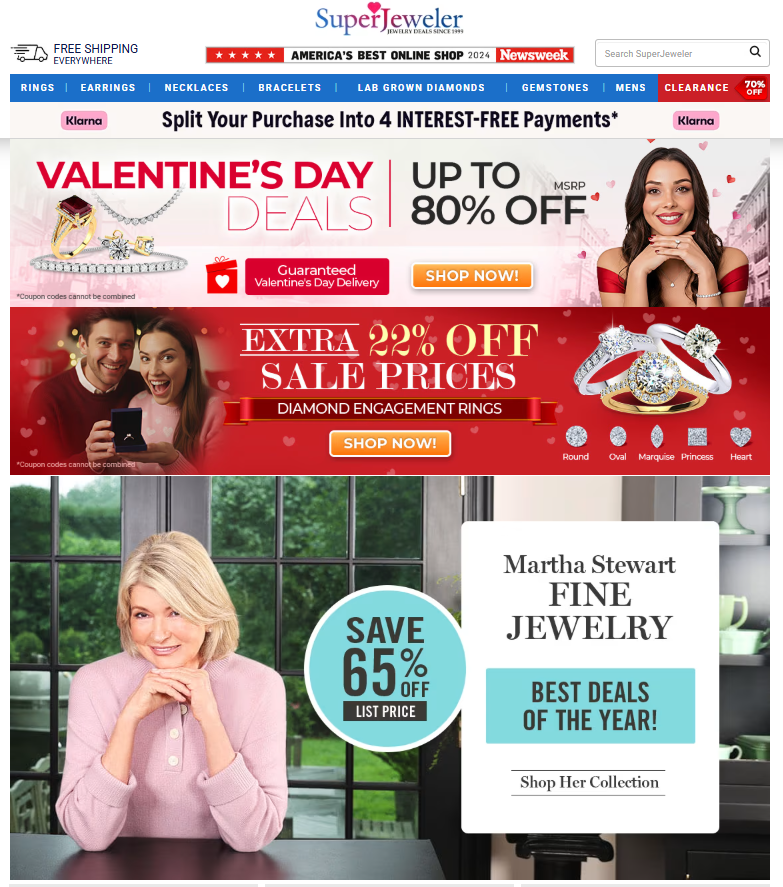
Fine jewelry is one of the clearest categories where accessible luxury delivers real value. Superjeweler offers lab-grown diamond jewelry that carries independent grading reports, uses certified precious metals, and retails at prices that reflect genuine quality rather than aspirational markup. Lab-grown diamonds are physically and chemically identical to mined diamonds. The price difference is not a quality compromise. It is the accessible luxury value proposition in its most direct form.
Shoppers looking for engagement rings under $1,000 with real diamonds will find options at Superjeweler that meet every accessible luxury standard: verified materials, certified stones, clear specifications, and a return policy that backs the quality claim. The Bruno Magli men’s bracelet collection at Superjeweler also demonstrates how designer craftsmanship translates into accessible luxury jewelry with verifiable quality at reachable prices.
FAQ
What is accessible luxury in simple terms?
Accessible luxury is a category of premium goods priced at 1.5 to 3 times the cost of mainstream products, offering verifiable quality upgrades through better materials and craftsmanship rather than brand exclusivity alone.
How does accessible luxury differ from traditional luxury?
Traditional luxury is priced at 5 times or more the mainstream equivalent and relies heavily on exclusivity and status signaling. Accessible luxury focuses on verifiable quality at reachable prices without the aspirational premium.
What makes a product genuinely accessible luxury?
A product qualifies as accessible luxury when its price premium is backed by proof signals such as certified materials, documented craftsmanship, and durability rather than logo value or marketing positioning.
Is lab-grown diamond jewelry considered accessible luxury?
Lab-grown diamonds carry the same physical and chemical properties as mined diamonds and come with independent grading reports. They retail at significantly lower prices, making certified lab-grown diamond jewelry a clear example of accessible luxury goods.
How do I avoid paying for branding instead of quality?
Ask for material specifications, grading reports, and sourcing transparency before purchasing. Accessible luxury brands provide this information readily. If a brand cannot verify what its premium is based on, the price reflects marketing rather than quality.
Recommended
- Why Affordable Luxury Jewelry Appeals in 2026
- Why Choose Lab Diamonds: Sustainable Luxury Explained
- Lab-Grown Diamonds: Affordable Luxury With Ethics
- Why Consider Lab-Grown Gems for Ethical Luxury
