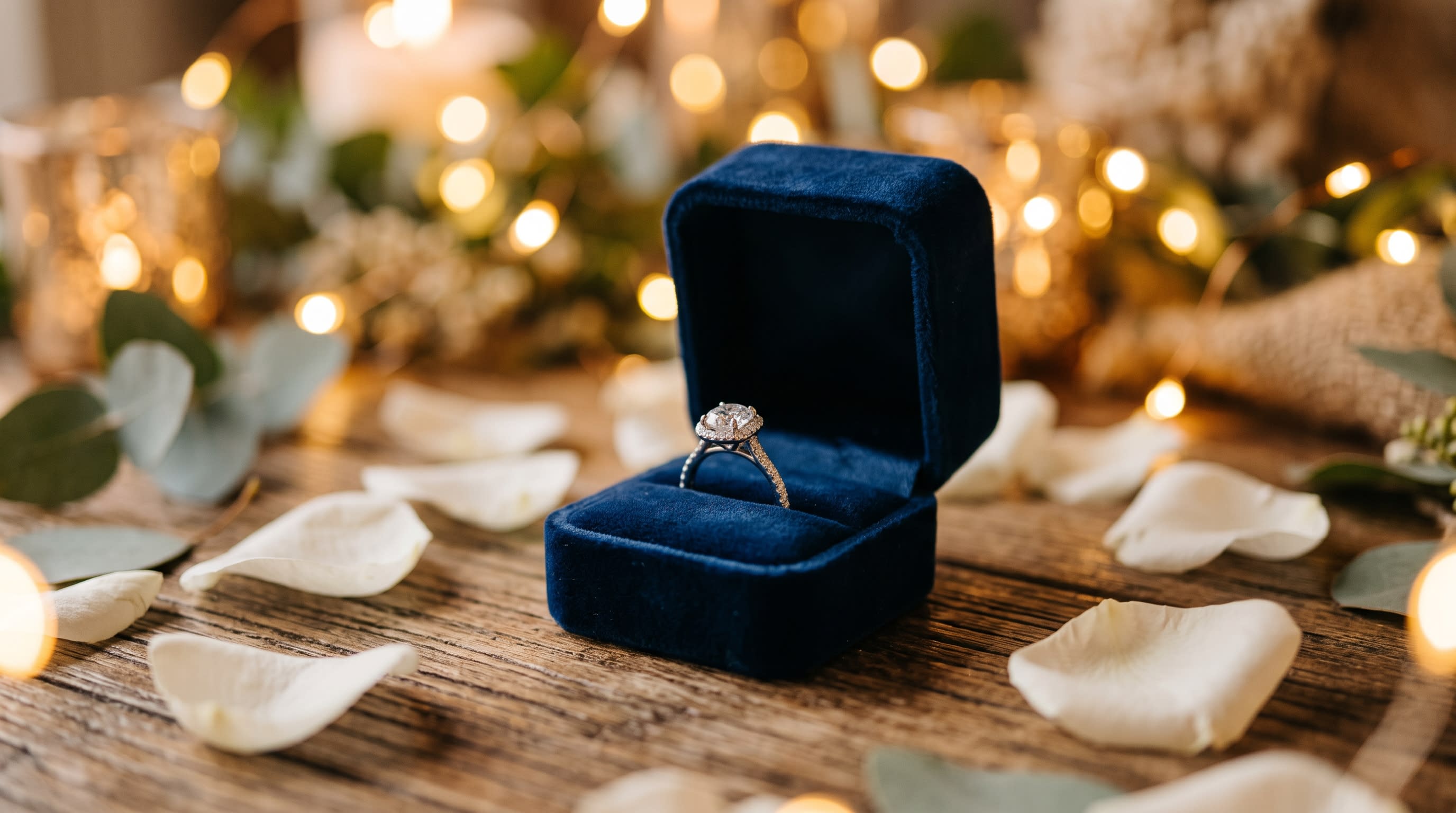
TL;DR:
- A detailed engagement ring proposal checklist ensures thorough planning from ring selection to post-proposal steps. It emphasizes verifying diamond certification, choosing appropriate size, setting a budget, and arranging insurance to protect your investment. Proper preparation helps you stay organized, confident, and ready for a memorable proposal day.
An engagement ring proposal checklist is a step-by-step planning tool that covers every critical detail from ring selection to the moment you get down on one knee. Most proposals that go sideways do so not from lack of love but from lack of preparation. This guide walks you through ring buying tips grounded in GIA and IGI certification standards, sizing strategies, budget and insurance planning, proposal logistics, and the post-engagement tasks that protect your investment. Follow each step and you will arrive at your proposal day confident, organized, and ready.
1. How to build your engagement ring proposal checklist
The strongest proposal plans start with the ring itself. Before you set a date or book a location, you need a ring that fits your partner’s style, your budget, and the quality standards that make a diamond worth its price. A well-built checklist treats ring selection not as a single decision but as a series of smaller, verifiable steps.
Ring style and metal
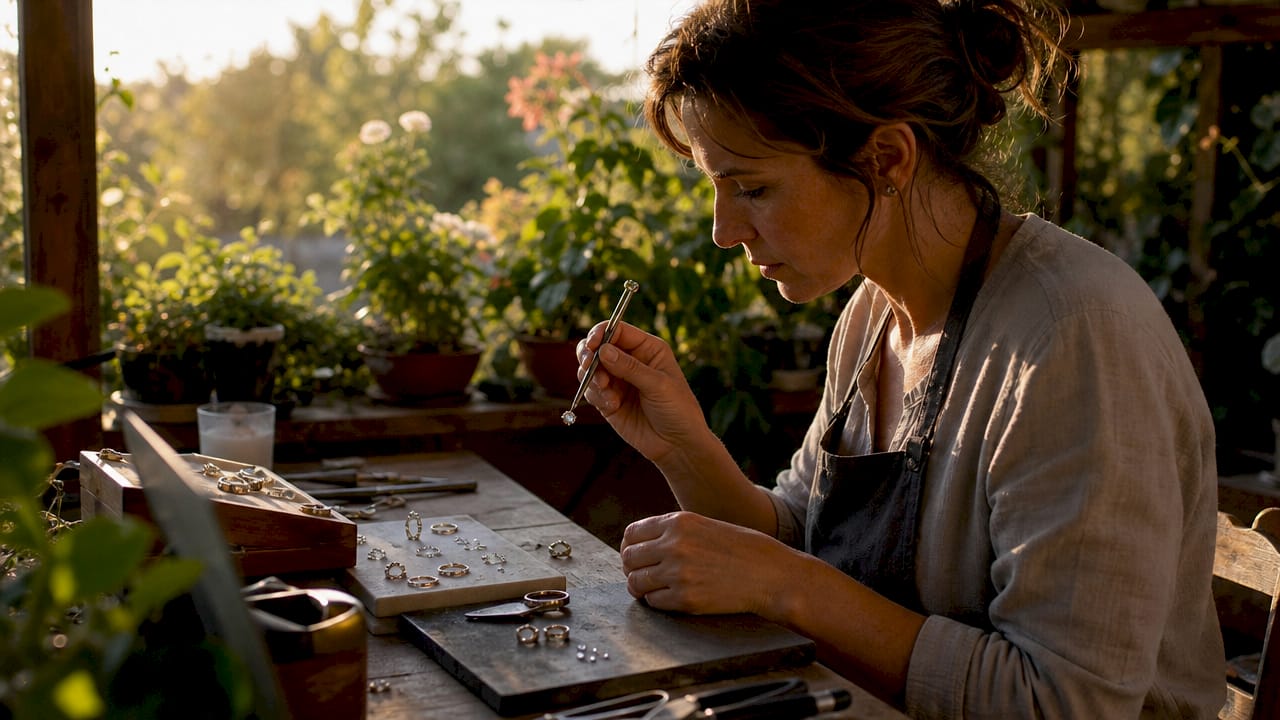
Start by identifying your partner’s preferred style. Solitaire settings are timeless and work with nearly any lifestyle. Halo settings add visual size without adding carat weight. Pavé bands suit people who love detail. For metal, platinum is the most durable choice for daily wear, while 14k white gold offers a similar look at a lower price point. Yellow gold and rose gold are strong choices for partners who prefer warmer tones. You can get more guidance on matching style to personality in this step-by-step ring guide.
The four Cs, ranked by priority
Cut quality drives sparkle more than any other factor. A well-cut diamond in the Excellent or Ideal grade will outshine a higher-clarity stone with a mediocre cut. Prioritize cut first, then color, then clarity. For clarity, eye-clean grades like VS2 or SI1 deliver the best value. Inclusions at these grades are invisible to the naked eye, which means you get better sparkle for your budget.
Certification and verification
A diamond grading report from GIA or IGI is the standard verification tool for any diamond purchase. Think of it as the diamond’s birth certificate, not a receipt. Before completing your purchase, verify the laser inscription on the diamond’s girdle matches the report number exactly. Never accept an in-house appraisal as a substitute for a third-party grading report. The setting matters too. Prong style and construction protect the center stone, and certain diamond shapes require specific prong configurations to prevent chipping or loss.
- Confirm GIA or IGI certification is included
- Check that the laser inscription matches the certificate number
- Prioritize Excellent or Ideal cut grade
- Choose VS2 or SI1 clarity for best value
- Select a metal that suits your partner’s daily wear habits
- Verify prong style is appropriate for the diamond shape
Pro Tip: Ask the jeweler to show you two diamonds of the same carat weight but different cut grades side by side. The difference in brilliance will make the right choice obvious.
2. How to determine ring size without spoiling the surprise
Getting the ring size right is one of the trickiest parts of the proposal planning process. You need accuracy without tipping off your partner.
- Borrow a ring they already wear. Choose one worn on the ring finger of the left hand. Take it to a jeweler for measurement, then return it before it’s missed.
- Trace the inside of the ring on paper. If you can’t take the ring, press it onto paper and trace the inner circle. A jeweler can estimate the size from that outline.
- Ask a trusted friend or family member. Someone close to your partner may already know the size or can find out without raising suspicion.
- Use a ring sizer at home. Many jewelers offer free ring sizer tools. You can slip one onto your partner’s finger while they sleep, though this requires a steady hand and a deep sleep.
- Size up when in doubt. A ring that is slightly too large is easier to resize than one that is too small.
Resizing is possible for most ring styles, but eternity bands cannot be resized without potential damage to the setting. If your partner loves the look of a full eternity band, getting the size right before purchase is non-negotiable. Consult your jeweler about which styles allow for future adjustments and which do not. For complex bands or custom designs, ask about the resizing policy before you buy.
Pro Tip: When in doubt, order a half size larger. Sizing down is a simpler alteration than sizing up, and most jewelers offer one free resize within the first year.
3. Setting a realistic budget and protecting your investment
Budget basics
There is no universal rule for how much to spend on an engagement ring. The right budget is the one that lets you buy a quality ring without financial stress. Focus your spending on cut quality first, since that is where the visual payoff is highest. A well-cut diamond at a moderate carat weight will look more impressive than a larger stone with a poor cut. For first-time buyers, this engagement ring budgeting guide breaks down how to allocate spending across the four Cs.
Engagement ring insurance
Specialized jewelry insurance is not optional. Ring insurance costs 1–5% of the appraised value annually and covers loss, theft, and damage. Standard homeowner or renter policies typically cap jewelry coverage at $1,500–$2,500 per item, which falls short for most engagement rings. A standalone jewelry policy covers the full appraised value with far fewer restrictions.
| Document | Why you need it |
|---|---|
| Sales receipt | Proof of purchase for insurance and returns |
| GIA or IGI certificate | Verifies diamond quality and authenticity |
| Independent appraisal | Establishes replacement value for insurance claims |
| Ring photos | Visual record for loss or theft claims |
Keep all purchase documents together in a safe place. Insurance companies require the original receipt, grading certificate, appraisal, and photos to process a claim. Losing any of these documents complicates the process significantly.
Warranty checklist points to confirm before purchase:
- Does the warranty cover routine maintenance and prong tightening?
- Is resizing included, and how many times?
- What is the return or exchange window?
- Does the warranty transfer if the ring is resized by a third-party jeweler?
4. Planning the perfect proposal: timing, location, and the moment itself
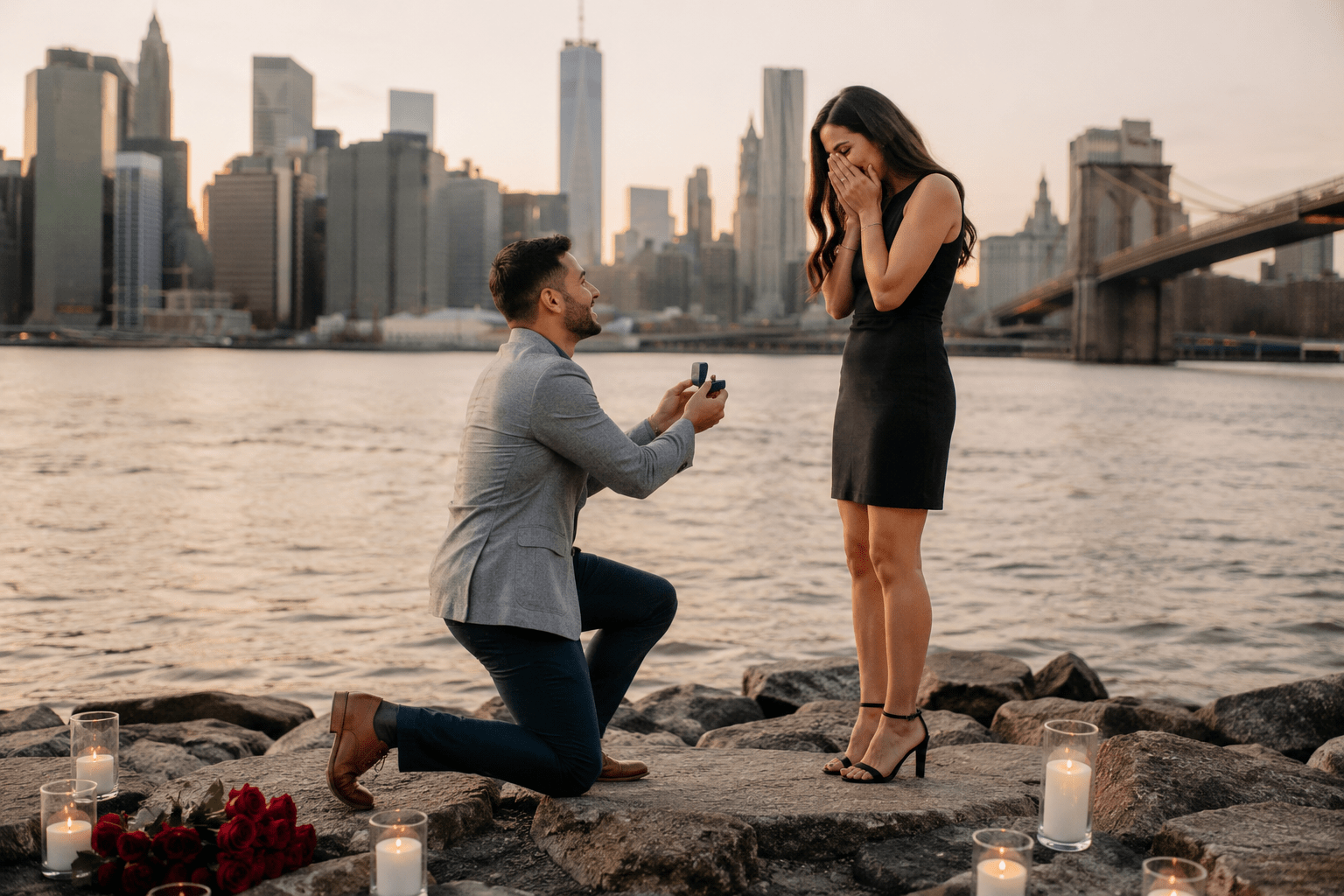
The proposal location sets the emotional tone for the entire memory. Choose a place that is meaningful to your relationship, not just visually impressive. A rooftop restaurant is beautiful, but a spot where you had your first date carries more weight.
- Pick a time of day that works for your partner. Morning people may love a sunrise proposal. Night owls will appreciate an evening setting with good lighting for photos.
- Avoid accidental conflicts. Plan around meaningful dates and avoid major holidays unless that is intentional. A Valentine’s Day proposal at a crowded restaurant is harder to make feel personal.
- Check the weather. Outdoor proposals are beautiful when the weather cooperates. Have a backup plan ready if conditions change.
- Decide on witnesses. Some people want a private moment. Others love having close friends or family present. Know your partner’s preference before you plan.
- Write your words in advance. You do not need to memorize a speech, but knowing the key things you want to say prevents a blank mind at the critical moment.
- Arrange for a photographer. A discreet photographer positioned nearby captures the moment without interrupting it. This is one of the most appreciated engagement ring surprise planning tips from couples who have already proposed.
- Prepare the ring box. Practice opening it smoothly. A fumbled box breaks the moment.
The proposal script does not need to be long. Three to four sentences that are honest and specific to your relationship will land better than a rehearsed monologue. Mention something only the two of you would understand.
5. Post-proposal checklist: what to do after the engagement
The moment after the proposal is pure celebration, but the days that follow require a few practical steps to protect the ring and set the engagement up properly.
Insure the ring immediately after purchase. Do not wait until after the proposal. The ring is at risk from the moment it leaves the store, and a standalone jewelry policy takes only a few days to activate. If you have not done this before the proposal, make it your first task the morning after.
Schedule a resizing appointment within the first two weeks if the fit is not right. Wearing a ring that is too loose increases the risk of losing it during the excitement of early engagement celebrations. Most jewelers can complete a standard resize in one to two weeks.
Share the news on your timeline. There is no rule that says you must post on social media immediately. Notify immediate family first, then close friends, then share publicly if you choose. This order avoids hurt feelings and gives you time to enjoy the moment privately.
Pro Tip: Take high-quality photos of the ring on your partner’s hand within the first 24 hours. These photos serve double duty: they are beautiful memories and they are the visual documentation your insurance company may need.
Key takeaways
A complete engagement ring proposal checklist covers ring certification, sizing, budget, insurance documentation, proposal logistics, and post-engagement steps in that order.
| Point | Details |
|---|---|
| Prioritize cut quality | Cut has the highest impact on sparkle; choose Excellent or Ideal grade first. |
| Verify certification independently | Confirm the laser inscription matches the GIA or IGI report before purchase. |
| Get specialized insurance | Jewelry policies cover the full appraised value; homeowner policies typically cap at $1,500–$2,500. |
| Size up when uncertain | Sizing down is simpler than sizing up, and most jewelers offer one free resize. |
| Document everything | Keep the receipt, certificate, appraisal, and photos together for insurance and future claims. |
What I’ve learned from watching too many proposals go sideways
The most common mistake I see is treating the ring purchase and the proposal as two separate projects. They are not. Every decision you make about the ring, from the cut grade to the prong style, affects what happens on proposal day and every day after.
The second mistake is skipping independent certification verification. An in-house appraisal from the same store selling you the ring is not a neutral document. A GIA or IGI grading report is. The difference matters enormously if you ever need to make an insurance claim or resell the ring. I have spoken with buyers who paid premium prices for diamonds that did not match the quality they were told they were getting, simply because they trusted a seller’s word over a third-party report.
The third mistake is leaving insurance until after the proposal. The ring is most vulnerable during the proposal itself and the celebration that follows. Activating a jewelry insurance policy before the proposal removes that risk entirely.
My honest advice: start earlier than you think you need to. Planning your proposal early with a real checklist prevents the rushed decisions that lead to regret. Romantic spontaneity is wonderful, but it works best when the logistics are already handled. The goal is to be fully present in the moment, not mentally running through everything you forgot to do.
— Andrew
Superjeweler has the ring for your proposal
Finding the right ring at the right price does not require compromise. Superjeweler carries an extensive selection of engagement rings across styles and budgets, from classic solitaires to modern halo designs, all with transparent pricing and clear return policies.
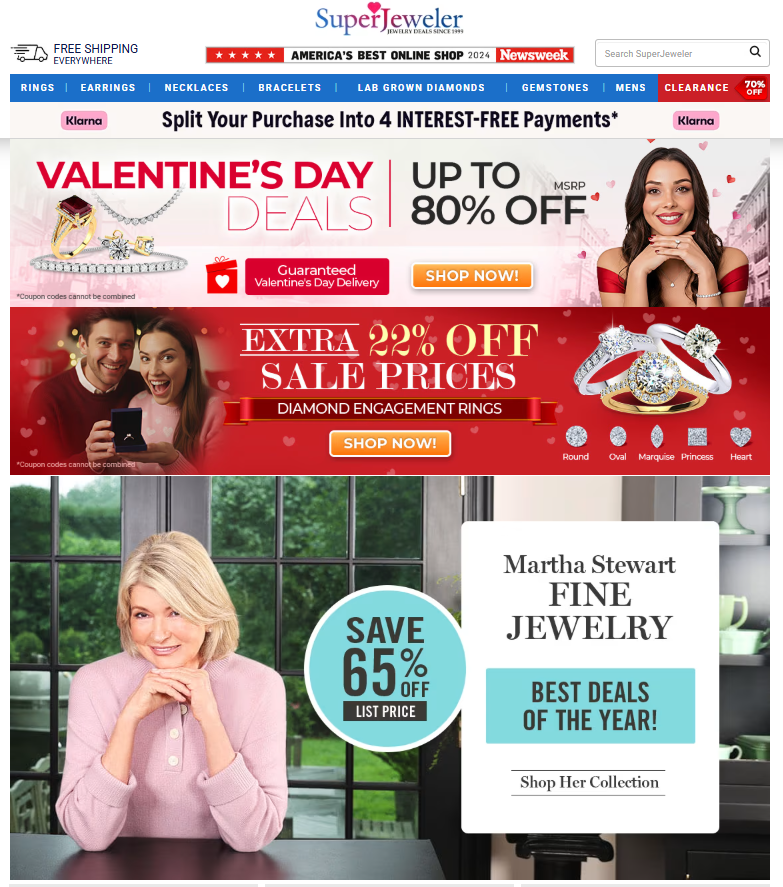
For buyers watching their budget without sacrificing quality, Superjeweler’s affordable diamond ring options start under $1,000 with real diamonds. If you are drawn to ethical sourcing and lower price points, the lab-grown diamond ring collection offers certified stones at a fraction of the cost of mined diamonds. Every purchase comes with warranty details, certification transparency, and free worldwide shipping, so you can check every box on your ring buying list with confidence.
FAQ
What should an engagement ring proposal checklist include?
A complete checklist covers ring selection with GIA or IGI certification, ring sizing, budget planning, jewelry insurance, proposal logistics, and post-engagement documentation. Each step protects both the investment and the experience.
How do I verify a diamond’s certification before buying?
Check that the laser inscription on the diamond’s girdle matches the report number on the GIA or IGI certificate exactly. Never rely solely on an in-house appraisal as verification.
What does engagement ring insurance cost?
Specialized jewelry insurance costs 1–5% of the ring’s appraised value per year. Standard homeowner policies typically limit jewelry coverage to $1,500–$2,500, which is not enough for most engagement rings.
When should I get the ring insured?
Insure the ring before the proposal, not after. The ring is at risk from the moment you purchase it, and a standalone jewelry policy can be activated within a few days of purchase.
Can all engagement rings be resized?
Most solitaire and simple band styles can be resized, but full eternity bands cannot be resized without risking damage to the setting. Confirm the resizing policy with your jeweler before buying any ring with stones around the full band.
Recommended
- Engagement Ring Shopping Timeline: Your 2026 Guide
- Step-by-step engagement ring buying guide for couples
- How to Choose an Engagement Ring Step by Step Easily
- 7 Essential Engagement Ring Buying Tips for First-Time Couples
