TL;DR:
- A pavé setting in jewelry involves closely set tiny gemstones that create a surface paved with diamonds, maximizing sparkle. The technique uses drilled dimples and metal beads to hold each stone, with variations like standard, micro-Pavé, and French Pavé offering different effects and durability. It enhances visual impact and perceived size but costs more due to labor and requires careful maintenance for daily wear.
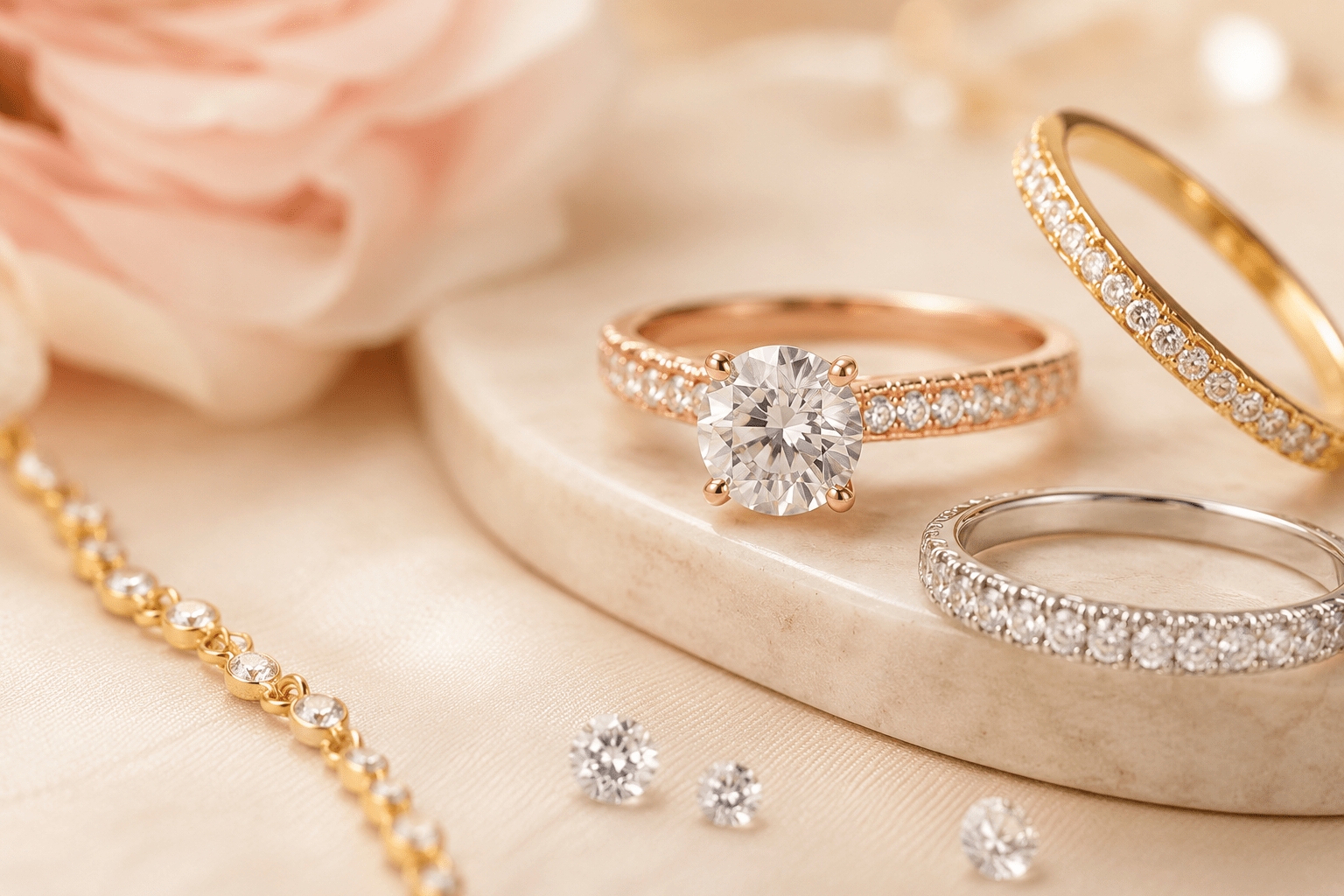
A pavé setting is a jewelry technique where dozens of tiny gemstones are set so closely together that almost no metal is visible, creating the illusion of a surface paved entirely with diamonds. The word “pavé” comes from the French word for “paved,” and the name describes the effect perfectly. This technique is one of the most popular choices for engagement ring design because it maximizes sparkle without requiring a larger center stone. The small stones catch light from multiple angles, acting as a frame that draws the eye inward toward the center diamond and visually enlarging the ring’s overall look.
What is a pavé setting and how does it work?
A pavé setting works by drilling tiny dimples into the metal band, then placing each small stone into its own seat. The jeweler raises small beads of metal from the surrounding surface to hold each stone in place. These beads, sometimes called prongs, grip the stone’s girdle without covering its crown, which keeps the diamond’s table fully exposed to light. The result is a band where metal nearly disappears and only diamond sparkle remains visible.
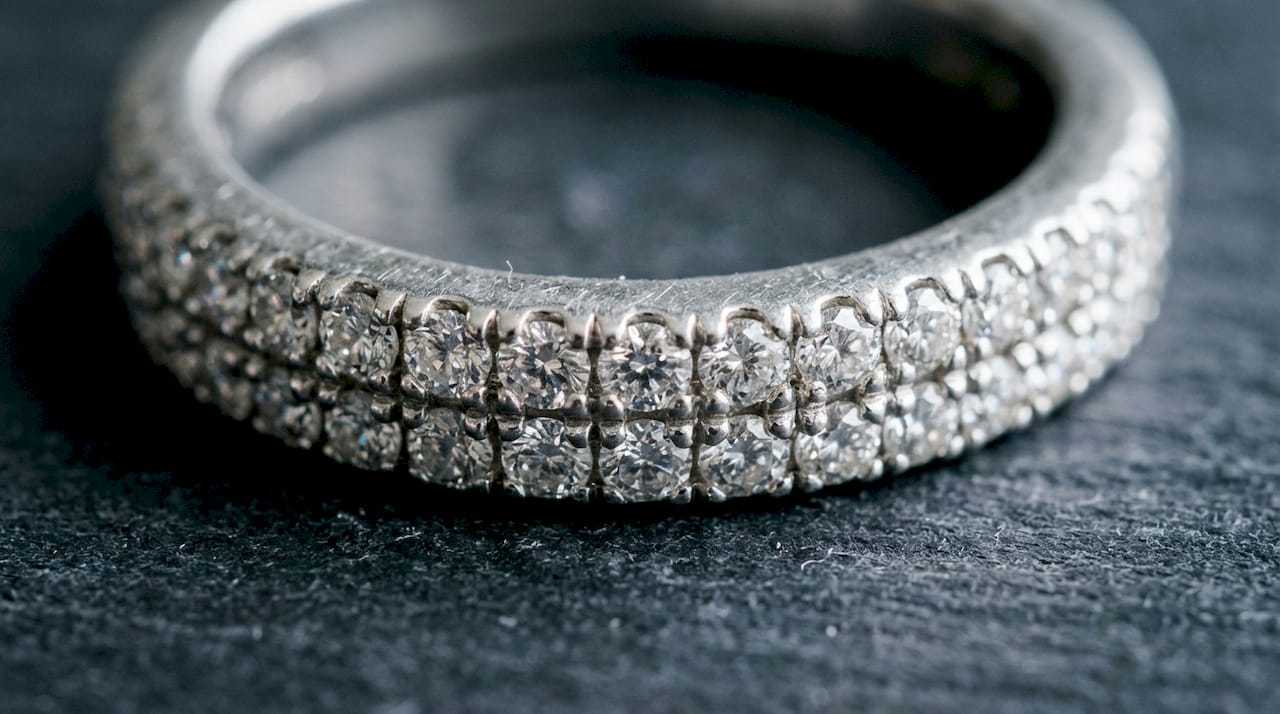
This technique is also known in the trade as a bead setting, because the raised metal beads are the primary securing mechanism. The distinction matters because it affects how the ring wears over time. Bead prongs are small and closely spaced, which means they require more skill to set correctly than a standard four-prong solitaire.
The design achieves its signature effect through minimal metal exposure. Metal beneath the stones is minimized so only diamond sparkle is visible, producing a refined shimmer across the entire band surface. That shimmer is not accidental. It is the direct result of each stone being positioned to reflect light outward from every angle simultaneously.
Pro Tip: Ask your jeweler whether the pavé stones are set by hand or by machine. Hand-set pavé produces tighter, more consistent bead placement, which reduces the risk of stone loss over years of daily wear.
Key steps in the pavé setting process include:
- Drilling uniform dimples into the metal band at precise intervals
- Seating each small stone individually into its dimple
- Raising metal beads around each stone’s girdle with a graver tool
- Polishing the metal between stones to maximize reflectivity
What are the common types of pavé settings?
Pavé is not a single technique. Three distinct variations exist, each producing a different visual effect and requiring a different level of craftsmanship.
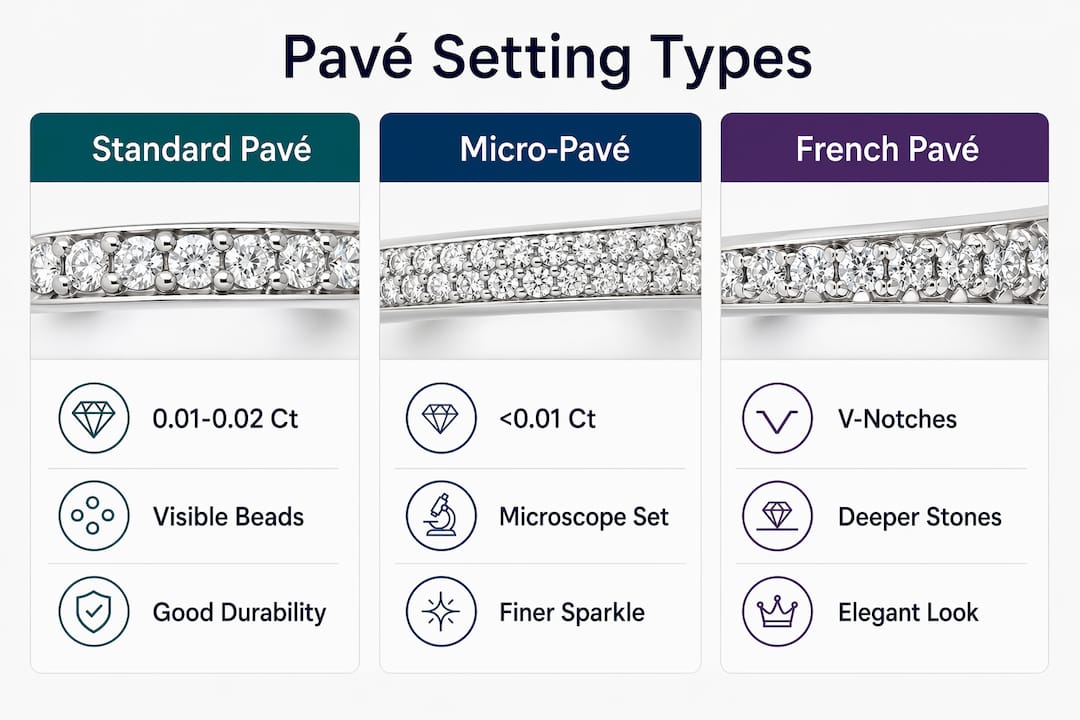
| Type | Technique | Sparkle effect | Metal visibility | Durability |
|---|---|---|---|---|
| Standard pavé | Bead prongs hold stones in drilled seats | High | Low | Good |
| Micro-Pavé | Stones under 0.01 ct set under a microscope | Very high | Very low | Moderate |
| French Pavé (V-Cut) | V-shaped notches cut into band | Maximum | Minimal | Good |
Standard pavé
Standard pavé uses stones typically ranging from 0.01 to 0.02 carats each. The bead prongs are visible under close inspection but disappear at normal viewing distance. This is the most common form used in diamond wedding bands and engagement ring shoulders.
Micro-Pavé
Micro-Pavé uses accent diamonds smaller than 0.01 carats, set with extreme precision, often under a microscope. The result is a surface that looks almost liquid with sparkle. The tradeoff is durability. Fine metal prongs are required to hold such small stones, making micro-Pavé more prone to deformation from harsh wear. Rings set in micro-Pavé are best suited for people who remove their jewelry during physical activity.
French Pavé
French Pavé involves cutting V-shaped notches into the band, allowing stones to sit deeper and closer together. This geometry maximizes light entry from below the stone, which increases fire and brilliance beyond what standard pavé achieves. French Pavé minimizes metal visibility more aggressively than the bead method, and the V-cut walls also provide structural support that compensates for the reduced metal between stones.
What are the benefits and drawbacks of pavé settings?
The primary benefit of a pavé diamond setting is its ability to multiply sparkle across the entire ring, not just the center stone. Pavé enhances the center stone’s appearance by creating a continuous surface of light around it, effectively brightening and visually enlarging the ring’s overall look. For buyers who want maximum visual impact without moving to a larger center diamond, this is a direct cost advantage.
Additional benefits of pavé setting jewelry include:
- Versatility: Pavé works as shoulder accents, full-band coverage, or halo frames around center stones
- Complementary design: The setting enhances nearly every center stone shape, from round brilliant to oval and cushion
- Perceived size: The continuous sparkle surface makes the ring appear larger than its carat weight suggests
- Design variety: Pavé pairs with yellow gold, white gold, rose gold, and platinum equally well
The drawbacks are real and worth understanding before you buy.
Pavé settings are more expensive than plain band settings because of the labor-intensive nature of setting each tiny diamond individually. That cost reflects skill, not just materials. A plain satin-finish band and a pavé band using the same metal weight can differ significantly in price because of the hours of hand work involved.
Maintenance is the other major consideration. Pavé settings accumulate dirt and grime in the tiny grooves between stones, requiring more frequent cleaning than simpler ring styles. Buildup in those grooves dulls the sparkle quickly, which defeats the purpose of choosing the setting in the first place.
Maintaining pavé settings requires professional cleanings and careful daily wear to protect delicate prongs and prevent stone loss, especially in micro-Pavé designs.
Pro Tip: Clean your pavé ring at home every two weeks using a soft toothbrush, warm water, and a drop of dish soap. Rinse thoroughly and pat dry. Schedule a professional inspection every six months to check for loose stones before they fall out.
How suitable is a pavé setting for engagement rings and other jewelry?
Pavé settings are among the most versatile choices in fine jewelry. Pavé appears in engagement rings as shoulder accents, halos around center stones, or as full-coverage bands, offering design flexibility that few other techniques match. That range of applications makes it relevant whether you are choosing a classic solitaire with a pavé band or a fully encrusted fashion ring.
For engagement rings specifically, the setting works well in several configurations:
- Halo rings: Pavé stones surround the center diamond, amplifying its apparent size
- Shoulder accents: Pavé runs partway down the band, framing the center stone without overwhelming it
- Eternity bands: Full pavé coverage creates a ring that sparkles from every angle
- Split-shank designs: Two pavé-set bands flare outward from the center stone for a dramatic effect
Lifestyle is the most important factor when deciding whether pavé is right for you. People who work with their hands, exercise frequently, or regularly wear gloves face a higher risk of damaging fine prongs. Standard pavé holds up better than micro-Pavé in active lifestyles, but neither style is as durable as a plain band or a bezel setting.
For fashion jewelry like bracelets and earrings, pavé is an excellent choice because those pieces experience less mechanical stress than rings. A pavé tennis bracelet or pavé drop earring delivers the same high-sparkle effect with lower maintenance demands than a daily-wear ring.
If you are still weighing your options, a guide on choosing an engagement ring can help you compare pavé against other setting styles based on your priorities. You can also review unique ring settings to see how pavé compares visually to bezel, channel, and prong styles.
Key takeaways
A pavé setting delivers more sparkle per dollar than almost any other ring technique by multiplying light reflection across dozens of small stones rather than concentrating it in one large gem.
| Point | Details |
|---|---|
| Core definition | Pavé sets tiny stones close together with minimal metal, creating a continuous sparkle surface. |
| Three main types | Standard, Micro-Pavé, and French Pavé each offer different sparkle levels and durability. |
| Cost consideration | Pavé costs more than plain bands due to the skilled labor required to set each stone individually. |
| Maintenance required | Regular cleaning and professional inspections every six months prevent dirt buildup and stone loss. |
| Best use cases | Pavé suits engagement ring halos, shoulder accents, eternity bands, and low-impact fashion jewelry. |
Why pavé remains the setting I recommend most
After years of working with customers on ring selections, I keep coming back to pavé for one reason that most articles miss: it solves the budget problem elegantly. A 1-carat solitaire on a plain band looks like a 1-carat stone. That same stone on a pavé band looks noticeably larger and more expensive, because the surrounding sparkle raises the visual baseline of the entire ring.
What I find underappreciated is how well pavé ages as a design choice. Trends in center stone shapes come and go. Oval was everywhere a few years ago, and radiant cuts are climbing now. But pavé shoulders and halos have appeared in every era of fine jewelry for over a century. That staying power is not nostalgia. It is because the technique genuinely works at a physics level. More light return equals more perceived value, and customers feel that even when they cannot articulate why.
The one thing I always tell customers is to be honest about their lifestyle before committing to micro-Pavé. The look is extraordinary. The upkeep demands respect. If you travel frequently, cook, garden, or hit the gym with your ring on, standard pavé or French Pavé gives you most of the same visual impact with meaningfully better durability. Choosing the right variation matters as much as choosing the setting itself.
— Andrew
Pavé setting rings at Superjeweler
Superjeweler carries an extensive selection of pavé setting engagement rings across a range of price points, from classic shoulder-accent designs to full-coverage pavé bands.

Shoppers who want maximum sparkle without a large budget will find strong options among engagement rings under $1,000, many of which feature pavé accents that punch well above their price. For a broader look at the full collection, the Superjeweler engagement rings page includes filters by setting style, metal, and stone shape so you can narrow directly to pavé designs that fit your priorities. Free shipping and a satisfaction guarantee are included on every order.
FAQ
What does pavé mean in jewelry?
Pavé is a French word meaning “paved.” In jewelry, it describes a setting technique where tiny stones are placed so closely together that the metal beneath them is nearly invisible, creating a surface that appears paved with gems.
Is a pavé setting durable enough for daily wear?
Standard pavé and French Pavé hold up well for daily wear with regular maintenance. Micro-Pavé is more delicate due to its extremely fine prongs and is better suited for occasional wear or low-impact lifestyles.
How does micro-Pavé differ from regular pavé?
Micro-Pavé uses diamonds smaller than 0.01 carats set under a microscope, producing a finer and more uniform sparkle surface than standard pavé. The tradeoff is that its thinner prongs are more vulnerable to bending or damage from physical impact.
Why does a pavé setting cost more than a plain band?
Each tiny stone in a pavé setting must be individually drilled, seated, and secured by hand, which requires significant skill and time. That labor cost is the primary reason pavé bands are priced higher than plain metal bands of the same weight.
Can pavé settings be used on jewelry other than rings?
Yes. Pavé is widely used on bracelets, earrings, necklaces, and pendants. Because these pieces experience less mechanical stress than rings, pavé holds up particularly well on them and requires less frequent maintenance.
Recommended
- What Is Ring Setting and Why It Matters
- Why Necklace Setting Matters for Beauty and Durability
- Unique examples of ring settings for engagement rings
- Step-by-step engagement ring buying guide for couples
