TL;DR:
- The choice of necklace setting affects its appearance, durability, and maintenance needs over time.
- Selecting the right setting depends on lifestyle, with bezel or channel styles better for active daily wear, while prongs suit occasional use.
A necklace setting is the metal structure that holds a gemstone in place and determines how that stone looks, performs, and lasts over time. The importance of necklace setting goes far beyond aesthetics. Your choice of setting controls how much light reaches the stone, how well it survives daily wear, and how often you will need professional maintenance. Whether you are shopping for a diamond necklace or a colored gemstone pendant, understanding why necklace setting matters is the single most useful thing you can do before buying.
Why necklace setting matters: the core tradeoffs
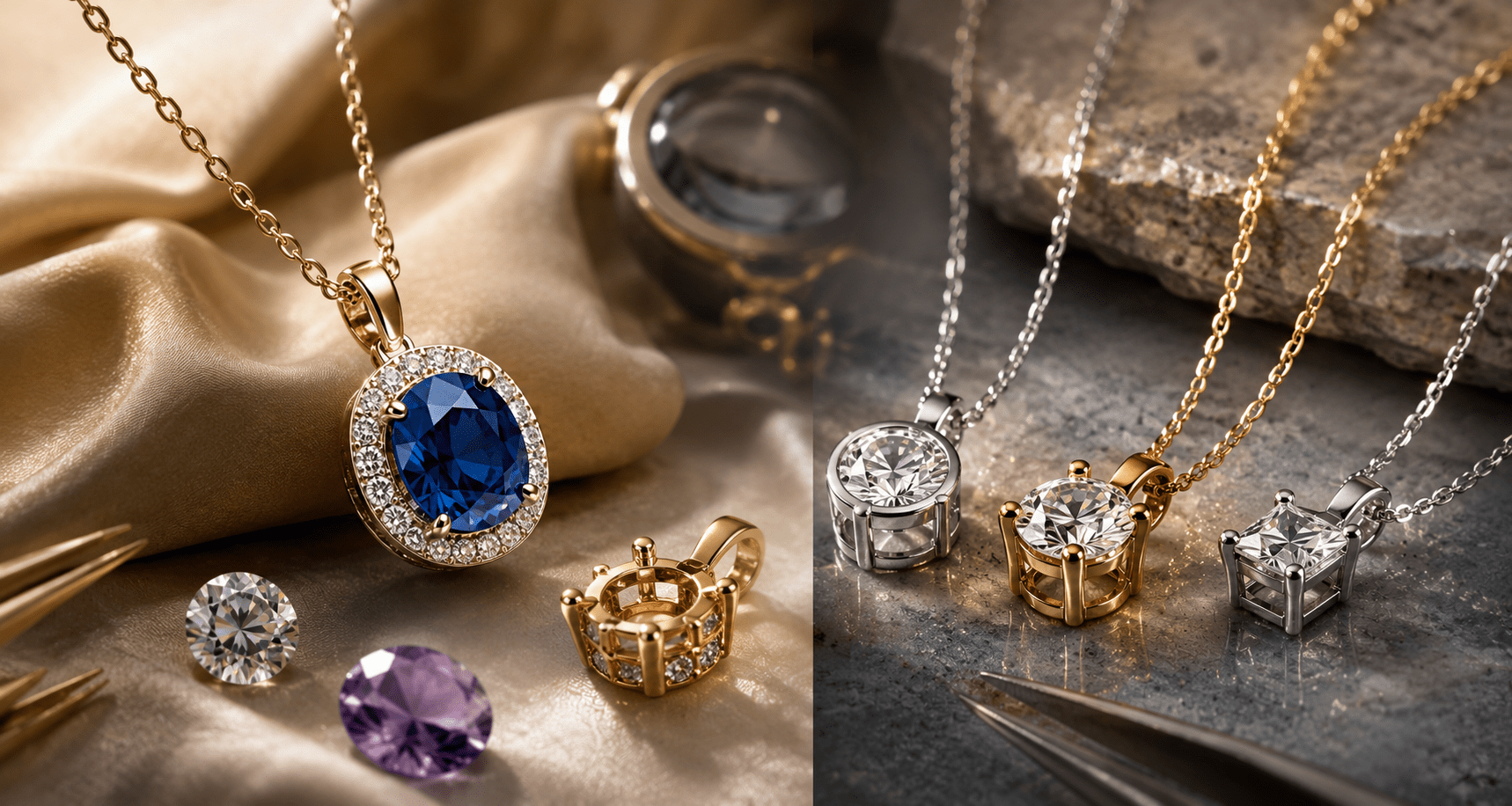
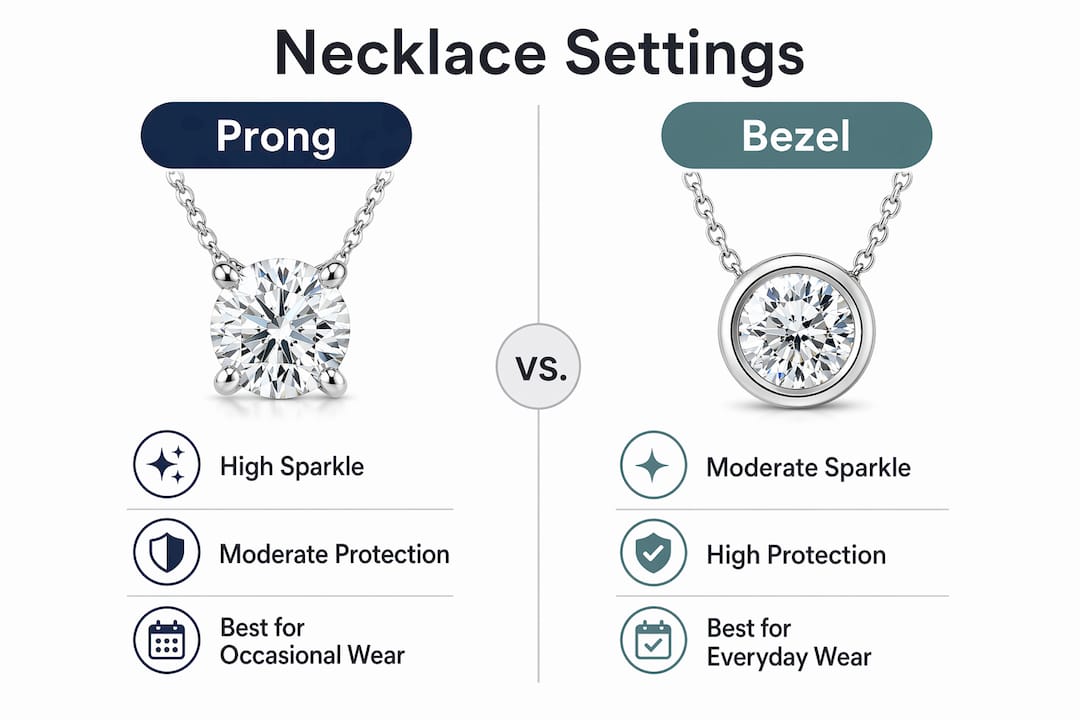
The setting style you choose creates a direct tradeoff between sparkle and protection. Prong settings maximize light exposure by lifting the stone above the metal, allowing light to enter from every angle. The cost of that brilliance is a higher risk of snagging on clothing and a greater need for regular inspection.
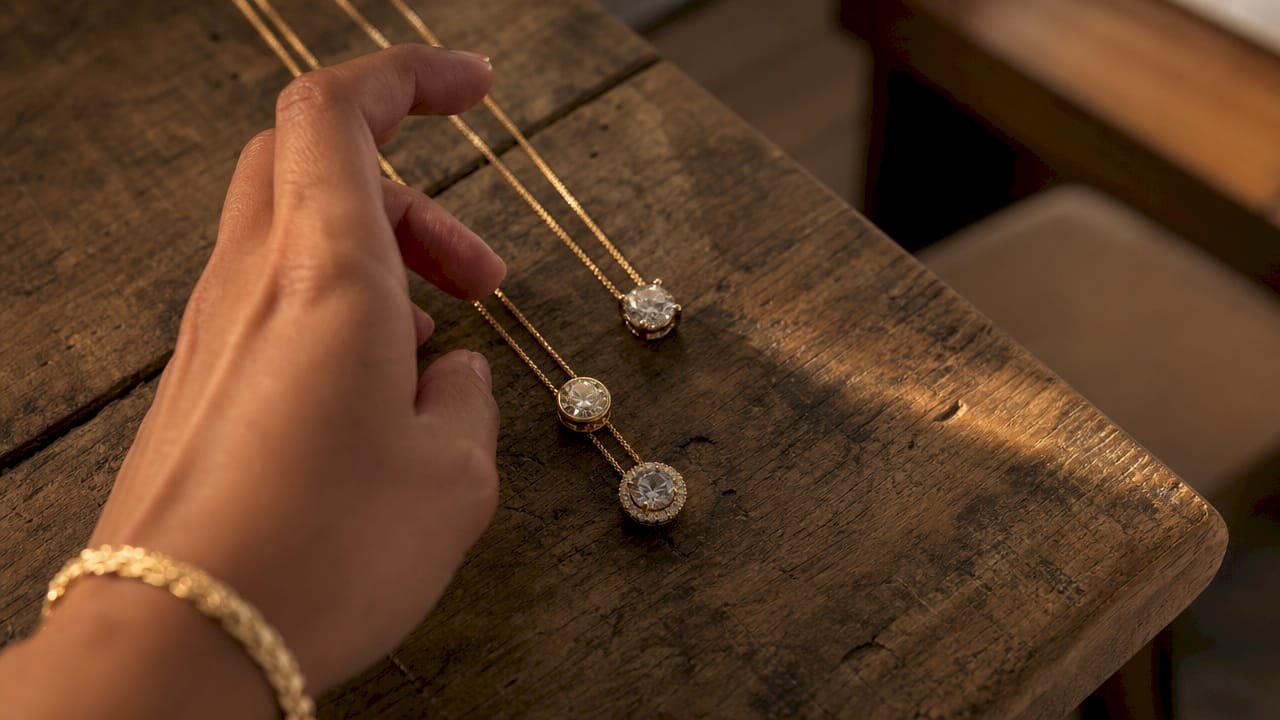
Bezel settings surround the stone’s edge with a continuous metal rim. That rim provides superior protection and dramatically reduces snag points, making the style far more practical for everyday wear. The tradeoff is a modest reduction in sparkle, since the rim blocks some side light from reaching the stone.
Halo settings add a ring of smaller accent stones around the center gem. This design amplifies the visual size of the center stone and creates intense brilliance, but the additional prongs holding those accent stones increase maintenance demands. Pavé and channel settings distribute smaller stones across a band of metal, creating a continuous sparkle effect with fewer exposed prong tips.
Pro Tip: If you wear your necklace every day without removing it, a bezel or channel setting will outlast a prong setting with far fewer repair visits.
| Setting type | Sparkle level | Protection level | Best for |
|---|---|---|---|
| Prong | High | Moderate | Occasional wear, formal occasions |
| Bezel | Moderate | High | Daily wear, active lifestyles |
| Halo | Very high | Moderate | Special occasions, statement pieces |
| Channel | Moderate | High | Everyday wear, low-maintenance buyers |
| Pavé | High | Low to moderate | Fashion pieces, light daily wear |
What lifestyle factors should influence your setting choice?
Your daily routine is the most honest guide to which setting will serve you well. Enclosed bezel styles reduce snag points and repair visits over time, making them the practical choice for nurses, teachers, athletes, and anyone whose hands and neck are in constant motion. A prong setting on a necklace worn during gym workouts or outdoor work is a recipe for a lost stone within months.
Metal type is equally important. Platinum offers the best prong longevity, making it the top choice for buyers who want a prong setting and plan to wear it daily. 14k gold balances strength and value well for most wearers. 18k gold is softer under stress and better suited for pieces worn occasionally rather than every day.
Consider these lifestyle factors before selecting a setting:
- Activity level. High-impact activities accelerate prong wear and increase snag risk.
- Occupation. Hands-on workers need enclosed or low-profile settings to avoid catching on equipment.
- Wear frequency. Daily wearers need higher-durability metals and settings with fewer exposed points.
- Skin sensitivity. Some metals cause reactions; platinum and 14k gold are the most skin-friendly options.
- Maintenance tolerance. Prong settings need professional inspection every 12–18 months. Bezel settings require less frequent check-ups.
Pro Tip: Ask your jeweler to show you the setting from the side, not just from above. A low-profile bezel or flush setting sits closer to the skin and catches on far less than a tall prong basket.
Gemstone necklaces with softer stones like opals or emeralds demand even more protection than diamonds. A bezel or full-wrap setting is the only responsible choice for those gems in a daily-wear piece.
How do settings shape your long-term satisfaction?
Settings are structural decisions with long-term emotional consequences, not just fashion choices. A necklace you love but rarely wear because it snags constantly becomes a source of frustration rather than joy. A piece you chose for maximum sparkle but never maintained can end up with a chipped or loose stone within the first year.
Ignoring setting durability can cause chipped gems or loose stones within months. This is one of the most common buyer regrets in fine jewelry. Shoppers who focus entirely on the stone’s cut, color, and carat weight often overlook the setting entirely, then discover the hard way that a beautiful stone in the wrong setting is a liability.
“A setting is not a frame for a stone. It is the engineering that decides whether that stone is still in your necklace five years from now.”
Some settings carry their own emotional story. Tension settings, for example, hold a stone suspended between two ends of metal using compression force alone. That design communicates confidence and modernity in a way a standard prong basket cannot. Classic four-prong and six-prong settings communicate tradition and permanence. The setting you choose sends a message about the piece’s meaning, not just its appearance.
Well-maintained classic settings remain timeless across decades of changing fashion trends. A well-executed bezel or prong setting from 1990 looks just as intentional today as it did when it was made. That durability of design is a genuine long-term value.
Key technical details that affect setting performance
The thickness of a bezel rim directly controls how much sparkle the stone retains. Thinner bezel rims minimize sparkle loss by allowing more light to enter the stone’s sides. A heavy, wide rim blocks side light and makes even a high-quality diamond look flat. When evaluating a bezel-set necklace, ask to see the rim thickness from the side before buying.
Prong count matters more than most buyers realize. Six-prong settings hold the stone securely even if one prong bends or wears down over time. A four-prong setting is more vulnerable because losing one prong removes 25% of the stone’s support immediately. For a necklace worn daily, six prongs are the safer structural choice.
Reducing bezel rim thickness optimizes sparkle retention while maintaining strong protection for daily wear. This is a detail most buyers never think to ask about, but it separates a well-engineered piece from a merely attractive one.
| Technical factor | What to look for | Why it matters |
|---|---|---|
| Bezel rim thickness | Thin, even rim | Preserves sparkle and side-light entry |
| Prong count | Six prongs for daily wear | Maintains security if one prong wears down |
| Metal hardness | Platinum or 14k gold | Resists deformation under daily stress |
| Prong tip shape | Rounded or flat tips | Reduces snag risk on fabric |
| Setting height | Low profile preferred | Reduces impact risk and snagging |
Necklaces require less dramatic settings than rings because they face less direct impact stress. A ring setting must survive hand strikes, gripping, and constant friction. A necklace setting faces gentler forces, which means a slightly more open design is acceptable. That said, snag risk and maintenance frequency remain real concerns that the right setting choice directly addresses.
Key takeaways
The right necklace setting balances sparkle, protection, and maintenance demands to match your lifestyle and keep your stone secure for years.
| Point | Details |
|---|---|
| Setting controls sparkle and protection | Prong settings maximize light; bezel settings maximize security for daily wear. |
| Lifestyle drives the best choice | Active wearers need bezel or channel settings; occasional wearers can choose prong or halo. |
| Metal type affects longevity | Platinum outlasts gold in prong settings; 14k gold balances strength and value well. |
| Rim thickness changes sparkle | Thinner bezel rims allow more side light and preserve brilliance without sacrificing protection. |
| Six prongs beat four for security | Six-prong settings stay secure even when one prong wears down or bends. |
Settings are the part buyers get wrong most often
After years of watching buyers choose jewelry, the pattern I see most often is this: a shopper spends weeks comparing stone grades and almost no time thinking about the setting. They buy the most brilliant-looking piece in the display case, wear it for six months, and then bring it in because a prong caught on a sweater and bent sideways.
The setting is not a detail. It is the foundation of the entire piece. I have seen gorgeous diamonds become loose stones because the buyer chose a four-prong setting in 18k gold for a necklace they wore every single day. I have also seen modest stones in well-chosen bezel settings look beautiful and stay perfect for a decade with almost no maintenance.
My honest advice: match the setting to your actual life, not to the version of your life where you only wear jewelry to dinner parties. If you wear a necklace to work, to the gym, or while sleeping, choose a bezel or channel setting in platinum or 14k gold. If you wear a necklace two or three times a year for formal occasions, a prong or halo setting in 18k gold is a perfectly reasonable choice.
The buyers who are happiest with their jewelry five years after purchase are the ones who treated the setting as the primary decision, not an afterthought.
— Andrew
Superjeweler’s necklace collection for every setting style
Superjeweler carries an extensive selection of necklaces built across every major setting style, from classic prong pendants to fully enclosed bezel designs.

Whether you are drawn to the brilliance of a diamond pendant in a six-prong setting or the clean, protective lines of a bezel-set gemstone piece, Superjeweler’s catalog covers both ends of the spectrum. The site also offers personalized necklaces where setting choices directly affect both style and long-term wear. For buyers who want the same setting quality in a ring, Superjeweler’s engagement ring collection applies the same principles of durability and design at competitive prices.
FAQ
What is a necklace setting?
A necklace setting is the metal structure that holds a gemstone in place on a pendant or necklace. It determines how the stone is secured, how much light reaches it, and how well it survives daily wear.
Which necklace setting is most durable?
Bezel settings are the most durable for everyday wear because the metal rim fully surrounds the stone’s edge and eliminates most snag points. Prong settings offer more sparkle but require more frequent maintenance.
Does the number of prongs matter in a necklace setting?
Six-prong settings provide meaningfully better security than four-prong settings. If one prong bends or wears down in a six-prong design, the remaining five still hold the stone securely.
What metal is best for a necklace setting?
Platinum is the best choice for long-term prong durability. 14k gold balances strength and value for most buyers. 18k gold is softer and better suited for pieces worn occasionally rather than every day.
How often should a necklace setting be inspected?
Prong settings need professional inspection every 12–18 months to check for bent or worn prongs. Bezel settings are more forgiving but should still be checked annually if worn daily.
Recommended
- Unique examples of ring settings for engagement rings
- Diamond necklace styling guide: elevate every look
- Diamond Necklace Buying Guide 2026: Avoid 45% Mistakes
- Necklace Carat Weight Explained for Smarter Shopping
