TL;DR:
- Matching wedding bands should complement the engagement ring by style, metal, and fit for long-term wear.
- Plain, pavé, contoured, and eternity styles suit different designs and lifestyles, with durability considerations.
Engagement ring matching band options are the wedding band styles and metals chosen to complement an engagement ring’s design, fit, and personal meaning. The right pairing depends on three factors: style harmony, metal compatibility, and sizing for daily comfort. Couples who nail all three end up with a ring set that looks intentional and wears well for decades. Resources like Jared’s wedding band guide and sizing tools from RingMeasure.com confirm that band style choice directly affects both aesthetics and how well bands physically fit alongside engagement rings.
1. Top engagement ring matching band options by style
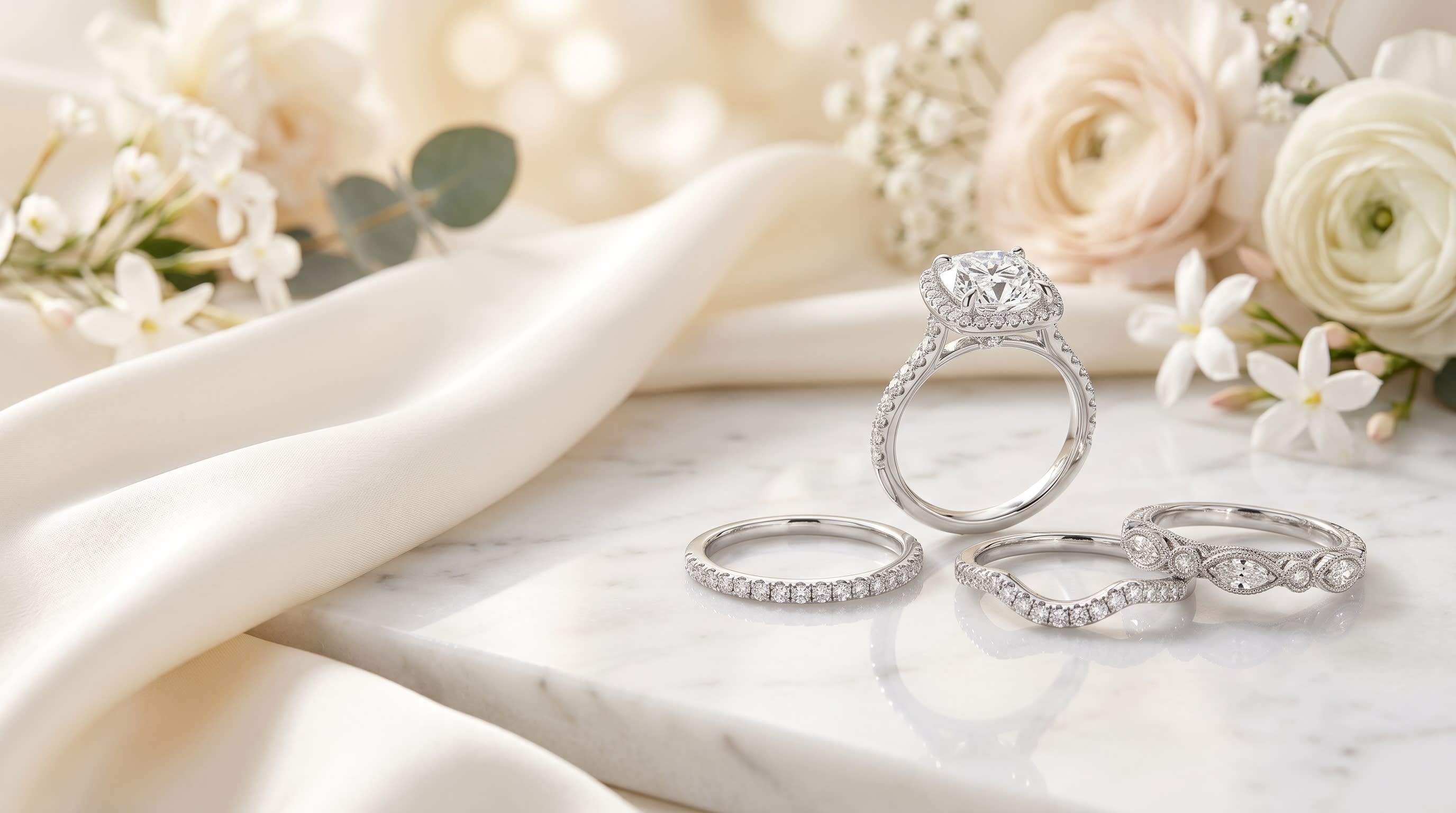
The most popular matching wedding band styles are plain bands, pavé diamond bands, contoured bands, and eternity bands. Each serves a different engagement ring design and lifestyle. Band styles vary greatly and choosing the wrong one can create visual gaps, physical discomfort, or sizing problems down the line.
Here is a breakdown of the four core styles:
- Plain bands: Clean, flat, or domed metal bands with no stones. They suit virtually every engagement ring and are the easiest to resize.
- Pavé diamond bands: Feature small diamonds set closely along the band surface. They add sparkle without competing with the center stone. Resizing requires extra care to maintain stone alignment.
- Contoured or shadow bands: Curved to fit around the profile of a specific engagement ring. They create a flush, gap-free look but are generally not practical to wear alone.
- Eternity bands: Diamonds or gemstones run the full circumference of the band. They look stunning but carry the most sizing restrictions of any style.
Each style also has a practical tradeoff. Plain bands offer the most flexibility for future resizing. Eternity bands offer the most visual impact but the least room for adjustment. Pavé bands land in the middle on both counts.
Pro Tip: Choose your band style based on your daily routine. Active lifestyles favor low-profile plain or contoured bands. Pavé and eternity styles catch on gloves, gym equipment, and fabric more easily.
For couples tracking 2026 engagement ring trends, contoured and mixed-metal bands are gaining ground as couples prioritize personalized, non-matching sets.
2. How metal type affects matching bands
Metal choice is the single biggest factor in whether a matching band wears well over time. The most common metals for coordinating bands are yellow gold, white gold, rose gold, platinum, titanium, and tungsten. Each has a different hardness, color, and resizing profile.
- Yellow gold: Classic, warm, and easy to resize. Works best with vintage and solitaire engagement rings.
- White gold: Bright and modern. Requires rhodium plating over time to maintain its white finish.
- Rose gold: Warm pink tone. Pairs well with morganite, champagne diamonds, and oval center stones.
- Platinum: Dense, naturally white, and hypoallergenic. The most durable option for daily wear.
- Titanium and tungsten: Lightweight and scratch-resistant. Titanium is difficult or impossible to resize, making initial sizing critical.
Mixing metals is a legitimate design choice, not a mistake. Rose gold and platinum, or yellow gold and white gold, create contrast that many couples find more personal than a perfectly matched set. The key is intentionality. Random mismatches look accidental. Deliberate contrast looks designed.
Pro Tip: If you or your partner has sensitive skin, platinum and titanium are the best hypoallergenic choices. White gold contains nickel alloys in some formulations, which can cause reactions.
For a full comparison of metal durability and appearance, Superjeweler’s ring metals guide covers all seven major options side by side.
3. Sizing considerations and resizing options for matching bands
Sizing a matching band is more complex than sizing a standard ring. Band width, style, and metal all change how a ring fits on the finger. Getting this wrong is one of the most common and most fixable mistakes couples make.
The table below summarizes resizing ease by band style and material:
| Band Style | Resizing Ease | Key Sizing Note |
|---|---|---|
| Plain gold or platinum band | Easy | Standard resizing applies |
| Pavé diamond band | Moderate | Stone alignment must be checked post-resize |
| Full eternity band | Difficult | Order one full size larger than measured |
| Contoured or shadow band | Difficult | Shaped to a specific ring; limited adjustment range |
| Titanium or tungsten band | Very difficult | Often cannot be resized at all |
| Wide band (6mm or more) | Moderate | Size up one full size for comfortable wear |
Full eternity bands fit tighter than their measured size because the stones wrap the entire circumference with no flex point. Experts recommend ordering one full size up to account for this. Wide bands create the same issue. A band that is 6mm or wider will feel noticeably tighter than a 2mm band at the same nominal size.
When resizing is not possible, sizing beads and spring inserts are practical alternatives. Sizing beads and spring inserts fit inside the band shank and reduce the interior diameter without cutting the metal. They work well for titanium, tungsten, and eternity bands where traditional resizing is off the table.
Pro Tip: Always measure your ring size at the end of the day when fingers are slightly larger from daily activity. A ring sized in the morning may feel tight by evening.
4. Matching bands and engagement ring setting compatibility
The shape and setting of an engagement ring determine which band styles will sit flush against it. A band that does not fit flush creates a gap. That gap is more than cosmetic. Bands designed to fit together prevent metal-on-metal wear that loosens stones over time.
The table below matches common engagement ring styles to their most compatible band options:
| Engagement Ring Style | Best Matching Band | Why It Works |
|---|---|---|
| Solitaire (round or princess cut) | Plain band, pavé band, eternity band | Flat profile allows any band to sit flush |
| Halo setting | Contoured band, plain curved band | Halo extends beyond the shank; flat bands create a gap |
| Three-stone setting | Contoured band, plain band | Side stones raise the profile; contour bands follow the curve |
| Oval or pear center stone | Shadow or contoured band | Elongated shape requires a custom curve for flush fit |
| Vintage or filigree setting | Plain band, thin pavé band | Ornate setting competes visually with heavy diamond bands |
Contour bands, also called shadow bands, are engineered to wrap around a specific ring’s profile. They solve the gap problem perfectly for halo and three-stone rings. The tradeoff is that contour bands are generally not wearable alone. They are shaped for one purpose and one ring. Couples who want versatility should consider a plain curved band instead, which offers a similar flush fit with more flexibility.
Buying a matching band at the same time as the engagement ring is the most reliable way to guarantee compatibility. Many jewelers, including Superjeweler, offer diamond bridal sets where the engagement ring and wedding band are engineered together for a perfect flush fit.
For couples selecting bands separately, bring the engagement ring to the jeweler in person. A trained eye can identify whether a candidate band will sit flush or create a gap before you commit.
5. How to choose a band: personal symbolism and style
A matching band is not just a functional accessory. For many couples, it carries as much symbolic weight as the engagement ring itself. The metal, stone, and style you choose can reflect your relationship, values, and aesthetic in ways that a generic “matching set” cannot.
Some couples choose bands in different metals to represent individuality within the partnership. Others select birthstone accents or engrave the inner shank with a date or phrase. These details do not affect fit or durability, but they transform a piece of jewelry into something personal.
The most practical advice for how to select a wedding band is to wear both rings together for at least a few minutes before buying. Comfort, visual balance, and the way the two rings interact on your hand are things no photo or website rendering can fully communicate. If you are shopping online, use a retailer with a clear return policy so you can test the pairing at home.
Key takeaways
The best matching band for an engagement ring balances style compatibility, metal durability, and accurate sizing to create a set that looks intentional and wears well for life.
| Point | Details |
|---|---|
| Style drives compatibility | Contoured bands suit halo and three-stone rings; plain bands work with nearly any setting. |
| Metal affects resizing | Gold and platinum resize easily; titanium and tungsten often cannot be resized at all. |
| Size up for eternity and wide bands | Full eternity bands and bands 6mm or wider require ordering one full size larger than measured. |
| Buy sets together when possible | Bands engineered with the engagement ring prevent gaps and reduce long-term metal wear. |
| Symbolism matters | Metal mixing, engravings, and birthstone accents make a band personal, not just functional. |
What I have learned from helping couples choose matching bands
The most common mistake I see is couples treating the wedding band as an afterthought. They spend months choosing the engagement ring, then pick a band in ten minutes at the jeweler the week before the wedding. That rush almost always produces a set that looks slightly off, either the metals do not quite match, the band sits at an angle, or the sizing is wrong because they measured once on a cold morning.
My honest recommendation: treat the band selection as part of the engagement ring process, not a separate task. If you are buying a halo or three-stone ring, ask the jeweler about a coordinating contoured band at the same time. The price difference for buying them together is usually minimal. The fit difference is significant.
On metal mixing: I think the conventional wisdom that bands must match exactly is outdated. Rose gold with platinum, or yellow gold with white gold, can look deliberate and personal. The rule is not “match everything.” The rule is “make it look intentional.” That means consistent finish (both matte or both polished), complementary widths, and a clear visual reason for the contrast.
The one area where I will not budge is sizing. Eternity bands and wide bands sized incorrectly are genuinely uncomfortable for daily wear. Do not guess. Measure at the end of the day, account for the band width, and if you are ordering an eternity band, go one full size up. A ring that fits perfectly on day one will still fit perfectly on your tenth anniversary.
— Andrew
Superjeweler’s collection of matching bands and bridal sets
Superjeweler carries one of the largest online selections of wedding bands and engagement ring sets, with options across every style, metal, and price point.
Whether you want a classic plain gold band, a diamond wedding band that adds sparkle, or a full bridal set engineered for a flush fit, Superjeweler’s catalog covers it. You can filter by metal type, band width, and setting style to find a band that works with your specific engagement ring. Couples on a budget will find strong options in the affordable engagement rings section, where complete ring sets start well under $1,000. Free worldwide shipping and a clear return policy make it practical to test a pairing at home before committing.
FAQ
What is the best matching band for a halo engagement ring?
A contoured or shadow band is the best match for a halo engagement ring. It curves around the halo setting to sit flush against the ring without creating a gap.
Can I resize an eternity band after purchase?
Full eternity bands are very difficult to resize because stones run the entire circumference. Experts recommend ordering one full size larger than your measured size to account for the tighter fit.
Should my wedding band match my engagement ring metal exactly?
Matching metals is traditional, but mixing metals intentionally is a widely accepted modern choice. The key is consistency in finish and width so the contrast looks deliberate rather than accidental.
How do I know if a band will fit flush with my engagement ring?
Bring your engagement ring to the jeweler and test candidate bands in person. Alternatively, buy an engagement ring and wedding band as a bridal set, since those are engineered together for a guaranteed flush fit.
What are my options if my band cannot be resized?
Sizing beads and spring inserts are the most practical alternatives when resizing is not possible. These fit inside the band shank and reduce the interior diameter without cutting or altering the metal.
Recommended
- How to Customize Engagement Ring for a Perfect Fit
- How to pick men’s wedding bands: stylish guide 2026
- How to Select a Wedding Band for Your Perfect Match
- Wedding Ring Selection Guide for Perfect Bands
