TL;DR:
- A prong setting uses small metal tines to hold a gemstone while maximizing light exposure for brilliance. The number, shape, and metal of prongs affect a ring’s security, appearance, and durability, requiring regular inspection for longevity. Properly finished prong settings enhance a ring’s beauty and protect the gemstone during daily wear.
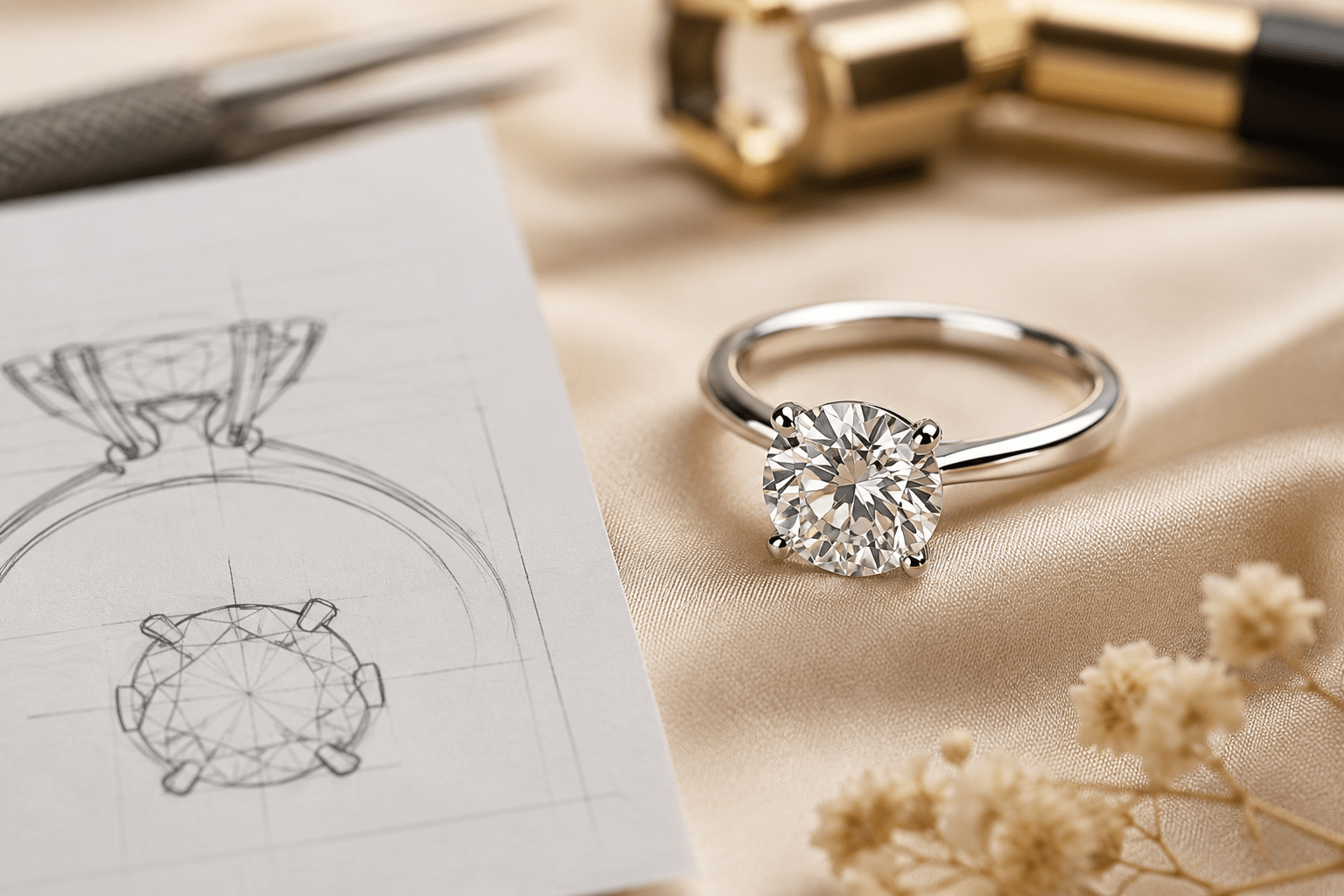
A prong setting is defined as a jewelry mounting technique that uses small metal projections, called prongs, to grip a gemstone securely while leaving the majority of its surface exposed to light. This exposure is the key to a diamond’s brilliance. The prong setting is the most widely used style in engagement ring design, and the Tiffany setting, introduced in 1886, popularized the prong solitaire as the global standard for diamond rings. Understanding how prongs work, which styles exist, and how to choose the right configuration will help you make a confident, informed decision when shopping for an engagement ring or fine jewelry piece.
What is prong setting and how does it work?
A prong setting works by positioning small metal tines around the girdle of a gemstone, holding it elevated above the ring’s band. Prongs secure the stone by bending slightly over its edge, creating a grip that keeps the gem in place during daily wear. Because the metal covers only a small fraction of the stone’s surface, light enters the diamond from all sides, reflecting and refracting to produce maximum sparkle.
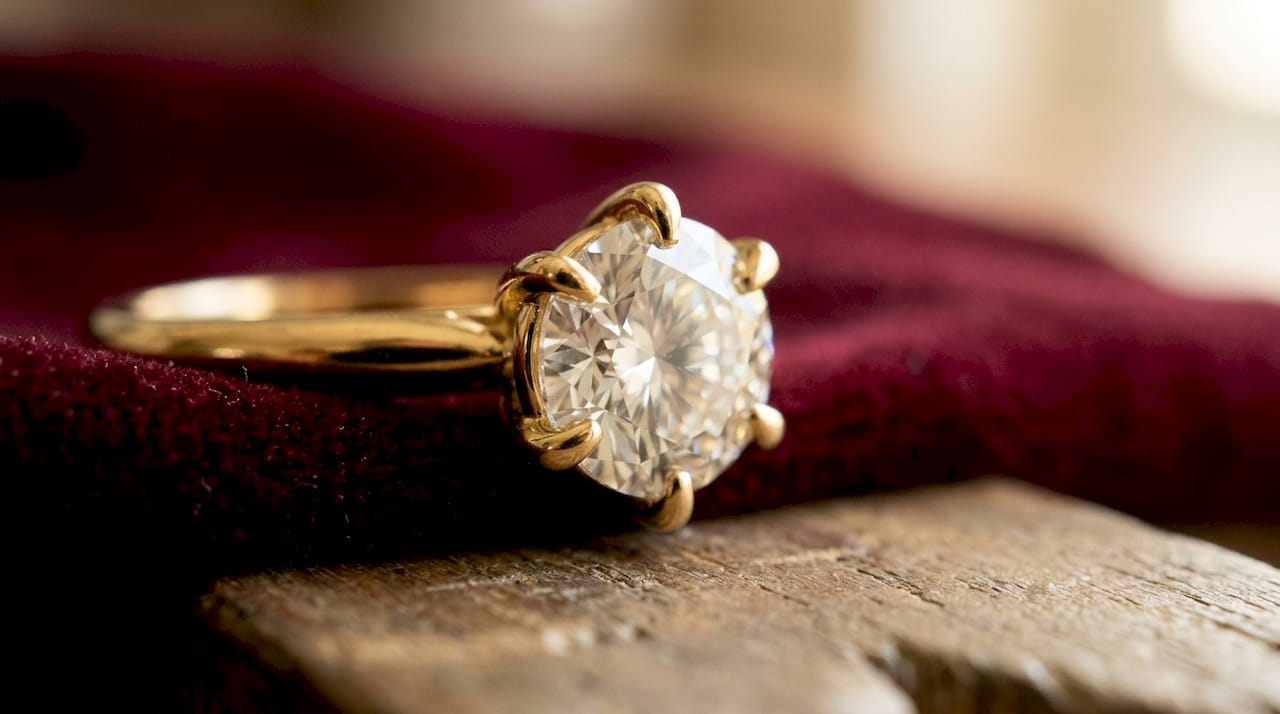
The industry term you will encounter most often is “claw setting,” used interchangeably with prong setting in British and European jewelry markets. In American jewelry retail, “prong setting” is the standard term. Both refer to the same structural technique. Superjeweler uses prong settings across its engagement ring collection because the style delivers the brilliance and visual impact that shoppers expect from fine diamond jewelry.
The height at which a prong setting elevates a stone also matters. A higher setting, sometimes called a cathedral or raised prong mount, lifts the diamond further from the finger, increasing light entry from below. A lower profile setting keeps the stone closer to the band, which suits active lifestyles better.
What are the main types of prong settings and how do they differ?
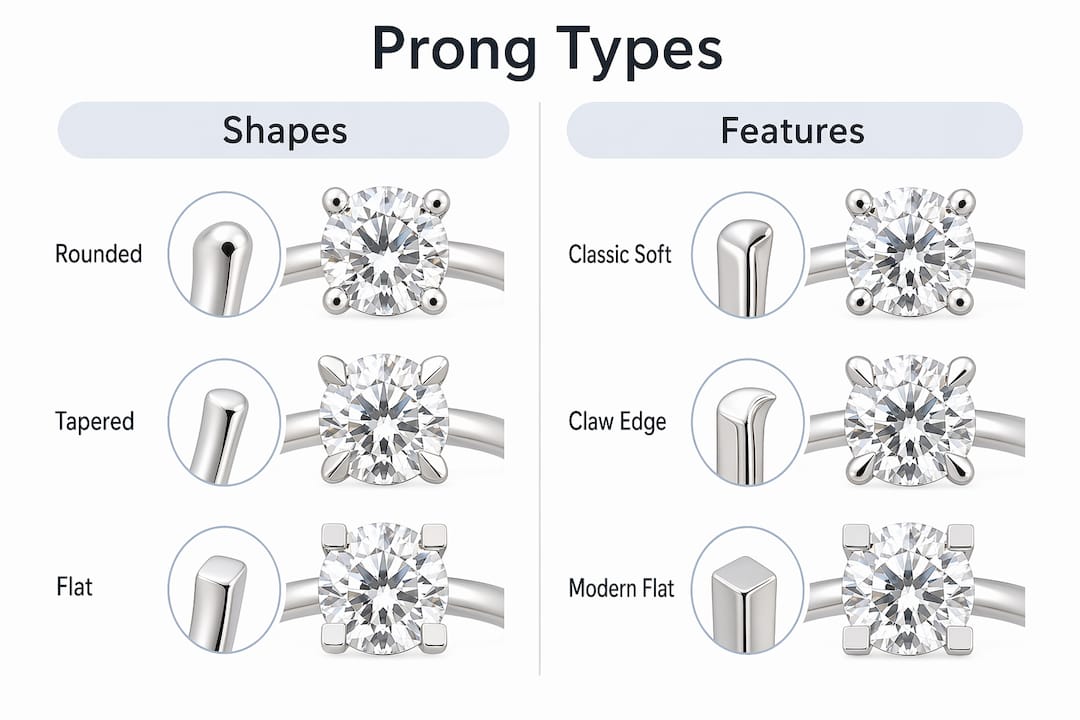
Prong settings are not one-size-fits-all. The shape of each prong changes the ring’s overall character significantly. Round prongs offer a classic soft look, while claw prongs create sharper modern aesthetics, making the choice of prong shape as personal as the choice of diamond cut.
The three most common prong shapes are rounded, tapered (claw), and flat. Rounded prongs have a smooth, domed tip that sits gently over the stone’s edge. They suit vintage and traditional ring styles. Tapered or claw prongs come to a point, drawing the eye upward toward the diamond and giving the ring a more architectural, contemporary feel. Flat prongs, sometimes called beaded prongs, have a squared-off tip that lies flush and low, offering a clean, understated finish.
Pro Tip: If you are drawn to a round brilliant cut diamond, rounded prongs complement its curves naturally. For a princess or marquise cut, claw or pointed prongs echo the stone’s sharp geometry and look intentional rather than accidental.
| Prong type | Visual effect | Protection level | Best for |
|---|---|---|---|
| Rounded | Soft, classic, traditional | Moderate | Round brilliant, oval cuts |
| Tapered/claw | Sharp, modern, architectural | Moderate | Princess, marquise, pear cuts |
| Flat/beaded | Clean, low-profile, minimal | Moderate to high | Cushion, emerald cuts |
| V-shaped | Protective tip coverage | High at corners | Marquise, pear, heart cuts |
V-shaped prongs deserve special mention. They wrap around pointed or delicate corners of fancy-shaped stones, protecting the most vulnerable part of the gem from chipping. If you choose a pear or heart-shaped diamond, V-prongs are the practical choice, not just an aesthetic one.
What are the advantages of prong settings compared to other jewelry setting types?
The prong setting’s greatest advantage is light. Prong mounts allow light from multiple angles unlike settings that encase the gemstone, such as bezel or gypsy styles. More light entering the stone means more brilliance, fire, and scintillation visible to the eye. For a diamond, that difference is dramatic and immediately visible.
Beyond sparkle, prong settings offer practical benefits that bezel settings cannot match. Prong-mounted stones can be cleaned thoroughly without removing the gem, and resizing the ring is simpler when prongs are used because the band structure remains largely unaffected. These maintenance advantages make prong settings the preferred choice for everyday wear rings.
Advantages of prong settings:
- Maximum light exposure, producing the highest level of brilliance and fire
- Easy to clean at home using a soft brush and mild soap solution
- Simpler resizing and repair for jewelers compared to closed settings
- Showcases the full color and cut of the gemstone without metal obstruction
- Works with virtually every diamond shape and gemstone type
- Allows the stone to appear larger visually because more surface is visible
Potential drawbacks to consider:
- Prongs can snag on fabric, hair, or fine knit materials
- The elevated stone position makes it more vulnerable to impact than a bezel setting
- Prongs wear down over time and require periodic inspection and retipping
Well-finished and tightly attached prongs reduce the likelihood of catching on clothing significantly. The key is quality craftsmanship at the point of purchase and routine maintenance every 12–18 months with a trusted jeweler.
How does the number of prongs affect a ring’s security and appearance?
Prong count is one of the most consequential decisions in ring design. Four-prong rings showcase the diamond well, but six-prong designs are recommended for bigger or more valuable diamonds to improve hold. This is not just a style preference. It is a structural recommendation from working jewelers.
A four-prong setting exposes more of the diamond’s surface, making the stone appear larger and allowing more light to enter from the sides. The four contact points create a clean, symmetrical look that suits round and cushion cuts particularly well. A six-prong setting adds two more contact points, distributing the holding force more evenly around the stone. This matters most for diamonds above one carat, where the weight and value justify the added security.
Pro Tip: If you lead an active lifestyle, work with your hands, or plan to wear your ring daily without removing it, choose a six-prong setting. The additional prongs give you a meaningful safety margin if one prong ever loosens.
| Prong count | Security level | Visual effect | Recommended for |
|---|---|---|---|
| 4 prongs | Good | More stone exposed, larger appearance | Stones under 1 carat, round and cushion cuts |
| 6 prongs | Excellent | Slightly more metal visible, rounder silhouette | Stones 1 carat and above, round brilliant |
| 8 prongs | Very high | More structured, halo-adjacent look | Large center stones, specialty designs |
| 3 prongs | Minimal | Maximally exposed, modern look | Small accent stones, contemporary designs |
Prong count also influences how a diamond’s shape reads on the hand. A round brilliant in a four-prong setting looks slightly more square because the four contact points align with the compass directions. The same stone in a six-prong setting reads as rounder and more circular. Neither is wrong. They simply produce different visual results.
What factors to consider when choosing a prong setting for an engagement ring?
Choosing the right prong configuration requires balancing four factors: diamond shape, lifestyle, metal choice, and long-term maintenance. Getting all four right means the ring looks exactly as intended and holds up for decades.
Diamond shape and prong compatibility:
- Round brilliant cuts work with all prong types but look best in four or six rounded or claw prongs
- Princess cuts need four corner prongs to protect the sharp edges from chipping
- Oval and pear cuts benefit from six prongs for even pressure distribution across the elongated shape
- Marquise and heart cuts require V-prongs at the pointed ends to prevent corner damage
Lifestyle and durability:
Active wearers should prioritize lower-profile prong settings and higher prong counts. A raised six-prong cathedral setting is stunning but catches on gym gloves and gardening tools. A lower, bezel-edged prong hybrid offers more protection for hands-on professions. Consulting a jeweler about your daily routine before finalizing a setting style is time well spent.
Metal choice and prong durability:
Platinum prongs are the most durable option. Platinum is denser than gold and does not wear away as quickly, which means prong tips retain their grip longer. White gold prongs are a close second and cost less, though they require rhodium plating every few years to maintain their color. Yellow and rose gold prongs are softer and may need retipping sooner, particularly in four-prong settings where each prong bears more load. Superjeweler offers lab-grown diamond rings in multiple metal options, making it straightforward to match prong durability to your budget and lifestyle.
Maintenance schedule:
Plan for a professional prong inspection every 12–18 months. A jeweler checks for loose, worn, or bent prongs before a stone can shift or fall out. Catching a worn prong early costs far less than replacing a lost diamond. For gemstone rings, the inspection schedule is equally important because colored stones are often softer than diamonds and more vulnerable to impact if a prong loosens.
Key Takeaways
The prong setting is the most effective way to maximize a diamond’s brilliance while keeping the stone secure, and choosing the right prong type, count, and metal determines how well it performs over time.
| Point | Details |
|---|---|
| Prong setting definition | Metal tines grip the stone’s edge, leaving most of the surface exposed to light for maximum brilliance. |
| Prong shape matters | Rounded prongs suit classic cuts; claw and V-prongs suit modern and fancy-shaped stones. |
| Four vs. six prongs | Six prongs offer better security for stones above one carat; four prongs maximize visual exposure. |
| Metal choice affects longevity | Platinum prongs last longest; gold prongs need more frequent retipping and inspection. |
| Maintenance is non-negotiable | Inspect prongs every 12–18 months to prevent stone loss and catch wear before it becomes a problem. |
Why prongs are the most underrated design decision in a ring
Most shoppers spend hours choosing a diamond and minutes choosing a setting. That ratio should be reversed, or at least balanced. After years of studying jewelry design, I am convinced that prongs function as architectural elements that shape the ring’s entire personality, not just hold the stone in place.
A tapered claw prong on a round brilliant transforms a traditional solitaire into something with edge and intention. The same diamond in rounded prongs reads as soft and romantic. The stone is identical. The prong shape changes everything. Most buyers never realize this until they see both options side by side.
I also think the fear of snagging is overblown when the setting is well made. Poorly finished prongs with rough edges snag. A quality prong with a smooth, polished tip and tight fit to the stone’s girdle rarely causes problems in daily wear. The solution is not to avoid prong settings. The solution is to buy from a jeweler who finishes their work properly.
The one piece of advice I give everyone: look at the prong tips under magnification before you buy. They should be smooth, evenly sized, and sitting flush against the stone’s girdle. Uneven prong tips are a sign of rushed craftsmanship, and rushed craftsmanship is the real risk factor, not the prong setting itself.
— Andrew
Prong setting rings and fine jewelry at Superjeweler
Superjeweler carries an extensive selection of prong-set rings across every style, stone shape, and price point. Whether you are drawn to a classic six-prong solitaire or a modern four-prong design with a fancy-shaped center stone, the catalog covers both traditional and lab-grown diamond options.

Browse the full engagement ring collection to filter by setting style, metal type, and diamond shape. Shoppers on a budget will find strong options in the affordable engagement ring category, where real diamonds in prong settings start well under $1,000. Free worldwide shipping and a satisfaction guarantee make it straightforward to shop with confidence.
FAQ
What is a prong setting in jewelry?
A prong setting uses small metal tines to grip a gemstone at its girdle, holding it elevated above the band while exposing most of its surface to light. This design maximizes brilliance and is the most common setting style for diamond engagement rings.
How many prongs should an engagement ring have?
Four prongs work well for stones under one carat and maximize light exposure. Six prongs provide better security for larger or more valuable diamonds and are the recommended choice for stones above one carat.
What is the difference between a prong setting and a bezel setting?
A prong setting uses individual metal tines to hold the stone, leaving most of its surface exposed. A bezel setting wraps a continuous metal rim around the stone’s edge, offering more protection but reducing light entry and visible sparkle.
Do prong settings snag on clothing?
Poorly finished prongs with rough or uneven tips can catch on fabric. Well-finished prongs with smooth, polished tips and a tight fit to the stone’s girdle rarely snag during normal daily wear.
How often should prong settings be inspected?
A professional jeweler should inspect prong settings every 12–18 months. Regular checks catch worn, loose, or bent prongs before a stone shifts or falls out, preventing costly repairs or stone loss.
Recommended
