TL;DR:
- Choosing durable and certified birthstone jewelry ensures long-lasting pieces that match personal style and lifestyle. Harder stones like diamonds and sapphires are ideal for daily wear, while softer stones suit earrings or pendants. Certification confirms the stone’s origin and treatment, protecting buyers and helping them select the best jewelry for their needs.
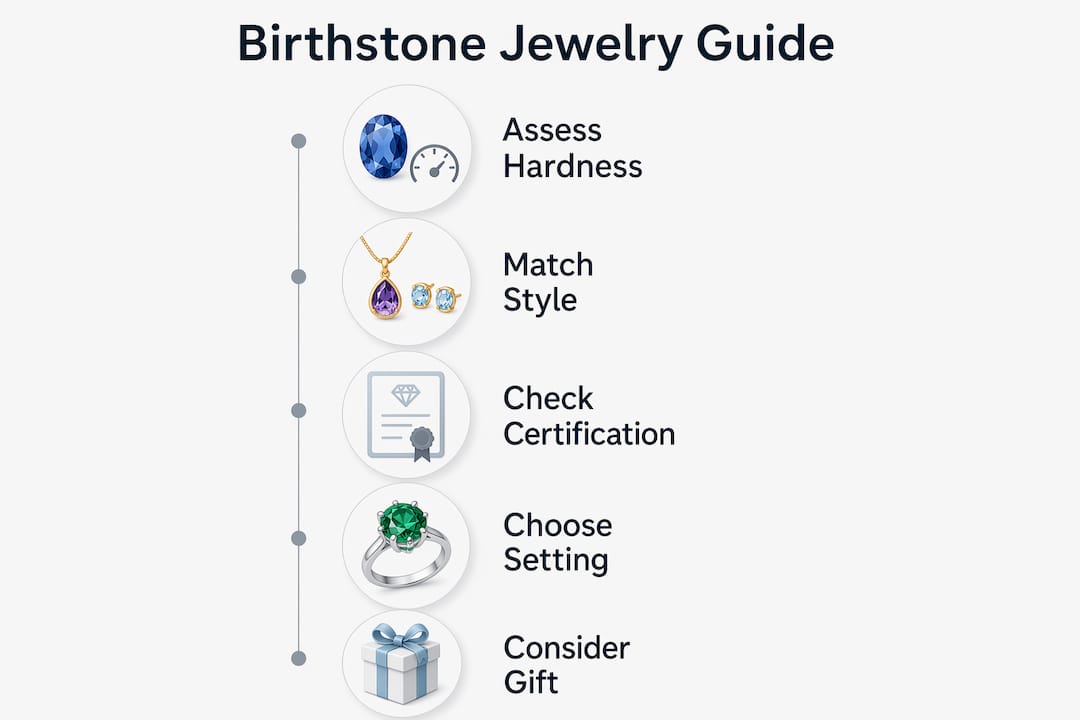
Knowing how to pick birthstone jewelry means matching the right gemstone to your personal style, daily wear habits, and quality standards. The best birthstone pieces are not just symbolic. They are durable, certified, and chosen with the wearer’s life in mind. Three factors determine a confident choice: the gemstone’s Mohs hardness rating, its color compatibility with your skin tone and wardrobe, and certification from a recognized lab such as GIA or AGS. Get these three right, and you will end up with a piece you wear for decades, not one that sits in a drawer after six months.
How to pick birthstone jewelry based on durability
Durability is the first filter when choosing birthstone jewelry, and the Mohs hardness scale is the tool that makes it objective. The scale runs from 1 to 10, and stones rated 7 or higher resist the everyday scratches and chips that come with rings and bracelets. Diamonds score a 10, rubies and sapphires score a 9, and both are excellent choices for pieces worn every day.
Softer stones tell a different story. Opals and pearls score well below 7, which means they chip and scratch under the friction of daily ring wear. That does not make them poor choices. It means they belong in earrings, pendants, or necklaces where they face far less impact. Beaded, pendant, and earring formats protect delicate stones from the knocks that rings absorb constantly.
The jewelry setting also affects longevity. A bezel setting wraps the stone’s edge in metal, shielding it from side impacts. A prong setting exposes more of the stone, which looks beautiful but demands a harder gem. Choosing the wrong combination, such as a prong-set opal ring worn daily, leads to disappointment within months.
- Mohs 9–10 (diamond, ruby, sapphire): Ideal for rings, bracelets, and any piece worn daily.
- Mohs 7–8 (amethyst, aquamarine, topaz): Suitable for most jewelry types with reasonable care.
- Mohs below 7 (opal, pearl, moonstone): Best reserved for earrings, pendants, and occasional-wear pieces.
- Setting type matters: Bezel settings protect lower-hardness stones better than prong settings.
Pro Tip: If you love opal but want a ring, ask for a bezel or halo setting. The surrounding metal absorbs impact and significantly extends the stone’s life.
How to match birthstone jewelry style to personal taste
Color is the defining feature of any gemstone, and it should reflect the wearer’s personality before it reflects a trend. Birthstone jewelry built around personal style rather than seasonal fashion creates pieces that feel right year after year. Creative Director Rhea Poddar Loyalka describes jewelry as a natural extension of the wearer when color, cut, and character align well. That framing is useful: treat the gemstone as part of your signature, not a seasonal accessory.
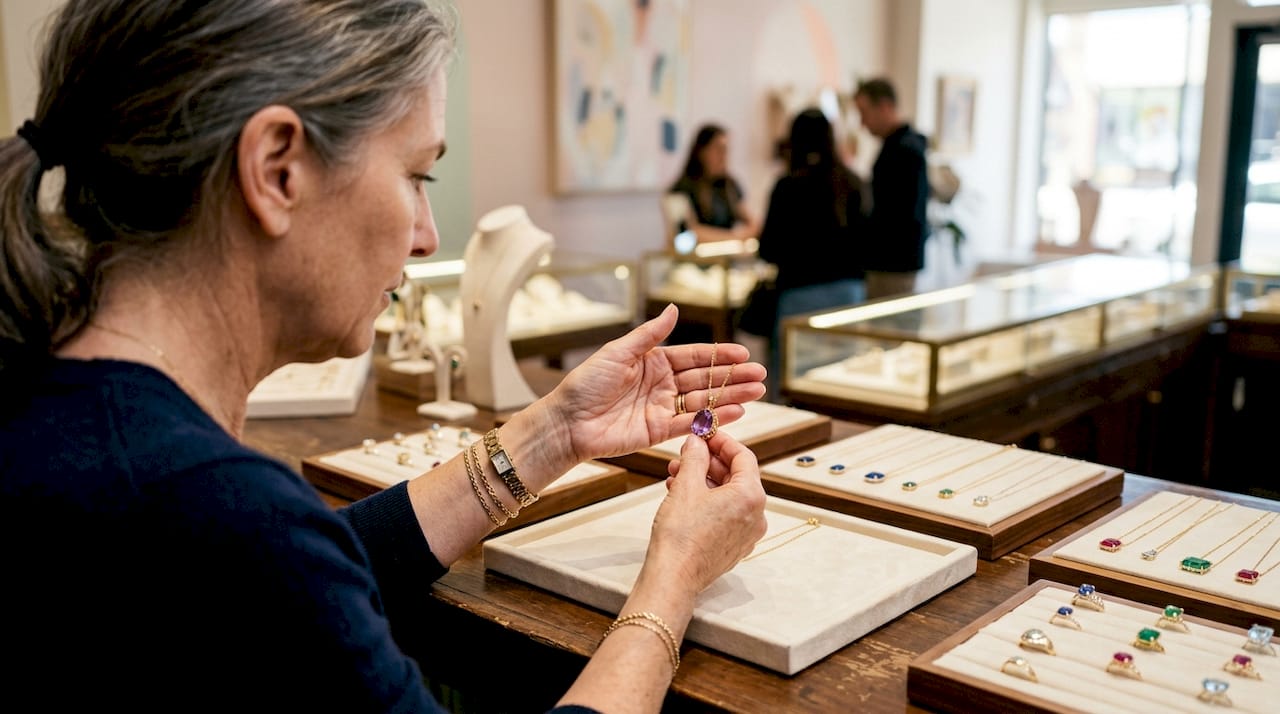
Skin tone is the most practical starting point for color selection. Warm skin tones complement citrine and yellow sapphire, while cool skin tones look best with blue sapphire and moonstone. This is not a rigid rule, but it is a reliable shortcut when you are unsure where to start.
Metal choice reinforces the stone’s color. Warm-toned stones pair well with yellow or rose gold, while cool-toned stones suit white gold or platinum. Diamonds and pearls are versatile enough to work with any metal. Getting the metal and stone combination right makes the whole piece look intentional rather than assembled.
- Warm skin tones: Citrine, yellow sapphire, garnet, and amber-toned stones.
- Cool skin tones: Blue sapphire, aquamarine, amethyst, and moonstone.
- Neutral skin tones: Most stones work well; focus on personal color preference.
- Metal pairing: Yellow and rose gold for warm stones; white gold and platinum for cool stones.
- Style longevity: Choose classic cuts like oval, round, or cushion over trend-driven shapes for pieces you plan to wear long-term.
Pro Tip: Hold the gemstone against your wrist before buying, not just your palm. The wrist shows your actual skin tone in natural light and gives a much more accurate read on how the stone will look when worn.
You can also find style inspiration for any occasion to see how different birthstones translate across casual and formal settings.
Why does gemstone certification matter when choosing birthstone jewelry?
Certification is the only way to verify what you are actually buying. GIA and AGS certifications confirm a stone’s identity, origin, and full treatment history. Without documentation, you are relying entirely on a seller’s word, which is not a sound basis for a purchase above a modest price point.
Treatments are common and not inherently problematic, but they must be disclosed. Heat treatment in rubies and sapphires and fracture filling in emeralds are standard industry practices. They improve color and clarity, and the industry accepts them as normal. The problem arises when sellers do not disclose them, because treated stones require specific care and carry different resale values than untreated ones.
“Treatment disclosure is not optional. Standard enhancement methods like heat treatment and fracture filling improve appearance but affect maintenance and resale. Buyers must request full treatment history to avoid overpaying or unexpected care needs.”
Lab-grown stones offer a compelling alternative for buyers who prioritize appearance and quality over origin. Lab-grown gemstones share the same chemical and physical properties as mined stones but cost significantly less. They are not imitations. They are the same material, grown in a controlled environment. For buyers who want a certified, high-quality stone at a lower price, lab-grown is a rational choice.
- Always request a certificate from GIA or AGS for purchases above a modest price.
- Ask specifically about treatments: heat, fracture filling, irradiation, and coating are all common.
- Treated stones need specific care: fracture-filled emeralds, for example, cannot be cleaned with ultrasonic cleaners.
- Lab-grown stones are certified too: they carry the same documentation and quality standards as mined stones.
How to select birthstone jewelry as a gift
Choosing birthstone jewelry as a gift requires you to think about the recipient’s life, not just their birth month. The most thoughtful gifts match the person’s daily routine, jewelry habits, and personal style. A ring is a meaningful gesture, but only if the recipient actually wears rings and leads a lifestyle that suits the stone’s hardness.
Start with these four steps:
- Identify the recipient’s lifestyle. Does she work with her hands? Does she wear jewelry every day or only on special occasions? Active lifestyles demand harder stones and protective settings.
- Choose the jewelry type before the stone. Rings need stones rated 7 or higher on the Mohs scale. Earrings and necklaces open up the full range of birthstones, including softer options like pearl and opal.
- Consider both traditional and modern birthstones. Each birth month has at least two recognized stones. June, for example, claims pearl, alexandrite, and moonstone. Knowing the recipient’s preference for classic versus contemporary style helps narrow the choice.
- Match the metal to the recipient’s existing jewelry. Look at what they already wear. Yellow gold, white gold, and rose gold each create a different look, and most people gravitate toward one consistently.
The birthstone jewelry guide at Superjeweler covers each month’s stones in detail, which is useful when you are deciding between traditional and modern options. For rings specifically, gemstone ring options at Superjeweler span a wide range of stones and settings suited to daily wear. For softer stones, gemstone earrings and gemstone necklaces offer formats that protect the stone while still delivering the personal meaning of a birthstone gift.
Key Takeaways
Choosing birthstone jewelry well requires matching gemstone hardness to jewelry type, aligning color with skin tone and metal, and always requesting certification for any purchase above a modest price.
| Point | Details |
|---|---|
| Hardness guides jewelry type | Stones rated 7+ on the Mohs scale suit rings; softer stones belong in earrings or pendants. |
| Color should match skin tone | Warm tones suit citrine and yellow sapphire; cool tones suit blue sapphire and moonstone. |
| Metal reinforces the stone | Warm-toned stones pair with yellow or rose gold; cool-toned stones suit white gold or platinum. |
| Certification protects the buyer | GIA or AGS documentation confirms stone identity, treatment history, and true value. |
| Lab-grown is a legitimate option | Lab-grown stones share identical properties to mined stones and cost significantly less. |
What I have learned from years of watching buyers choose birthstone jewelry
Most buyers focus entirely on the birth month and ignore everything else. They pick the stone because it is “correct” for the month, then choose the first ring they see in that color. Six months later, the stone is chipped or the piece sits unworn because it does not fit their life. The birth month is a starting point, not a final answer.
The buyers who end up happiest treat the birthstone as a color palette, not a mandate. They ask which stones in that color family are hard enough for how they live. They check whether the stone’s tone works with their skin. They ask about treatments before they ask about price. That sequence produces pieces that get worn, not stored.
I have also seen buyers dismiss lab-grown stones without thinking it through. The resistance usually comes from a vague sense that “natural” is better. But a certified lab-grown sapphire is chemically identical to a mined one. If the goal is a beautiful, durable, certified piece at a fair price, the origin of the stone is the least important variable on the list.
The one thing I would tell every buyer: prioritize certified stones for any purchase you care about. Documentation is not bureaucracy. It is proof of what you own.
— Andrew
Superjeweler’s birthstone and gemstone jewelry collections
Superjeweler carries certified birthstone jewelry across every major category, from rings and earrings to necklaces and lab-grown options. Every piece ships free worldwide, and the return policy gives you room to buy with confidence.
Buyers who want the quality of a mined diamond at a lower price will find Superjeweler’s lab-grown diamond jewelry collection worth a close look. The stones carry the same certifications and physical properties as mined diamonds. For those considering a birthstone engagement ring or milestone gift, the lab-grown diamond engagement ring deals page offers certified options at prices well below traditional retail. Browse the full gemstone jewelry catalog to find the right stone, setting, and metal for your budget.
FAQ
What is my birthstone?
Each birth month has one or more recognized birthstones. January is garnet, february is amethyst, march is aquamarine, april is diamond, may is emerald, june is pearl or alexandrite, july is ruby, august is peridot, september is sapphire, october is opal or tourmaline, november is citrine or topaz, and december is blue topaz or tanzanite.
What Mohs hardness rating do I need for a daily-wear ring?
A stone rated 7 or higher on the Mohs scale resists everyday scratches and chips well enough for ring wear. Diamonds, rubies, and sapphires all meet this threshold and are the most reliable choices for rings worn every day.
Do gemstone treatments affect the value of birthstone jewelry?
Yes. Heat treatment and fracture filling are standard industry practices, but they affect care requirements and resale value. Always ask for full treatment disclosure and a GIA or AGS certificate before purchasing any stone above a modest price.
Are lab-grown birthstones as good as natural ones?
Lab-grown stones share the same chemical and physical properties as mined stones. They are not imitations. They cost less because of how they are produced, not because of any difference in quality or durability.
Which jewelry type is best for a soft birthstone like opal or pearl?
Earrings, pendants, and necklaces are the best formats for soft stones like opal and pearl. These pieces face far less impact than rings or bracelets, which significantly reduces the risk of chipping or scratching.
Recommended
- Birthstone Jewelry Buying Guide: Choose With Confidence
- 7 Affordable Jewelry Gift Ideas for Stylish Occasions
- Why choose birthstone jewelry: gifts with personal touch
- What is birthstone jewelry? A 2026 guide to meaning
