TL;DR:
- Regular gentle cleaning and proper storage keep jewelry looking new and prevent damage.
- Delicate stones like opal, pearl, and turquoise require special handling and cannot be soaked.
- Professional inspections and maintenance help identify loose stones, worn prongs, and prevent future issues.
Your favorite ring looked stunning the day you got it. Now it sits in a drawer, dull and scratched, and you’re not sure what happened. The truth is, most jewelry damage isn’t caused by one dramatic accident. It builds up quietly through daily routines: hand washing, applying lotion, tossing a necklace onto a bathroom shelf. The good news? Most of this wear is completely preventable. With the right cleaning habits, smart storage, and knowing when to call a professional, your pieces can stay as brilliant as the day you first wore them.
Table of Contents
- Fundamentals: Safe cleaning methods for common jewelry
- Caring for fragile gemstones and pearls: Cases that need special attention
- Best practices for jewelry storage: Protect against tarnish, scratches, and damage
- When to call in the professionals: Maintenance, deep cleaning, and inspections
- Beyond basics: The real secrets to jewelry that stands the test of time
- Find your next signature piece—and keep it looking its best
- Frequently asked questions
Key Takeaways
| Point | Details |
|---|---|
| Mild cleaning is safest | Use only gentle soap, warm water, and a soft brush for most jewelry types. |
| Delicate stones need care | Pearls, opals, and fragile gems should never be soaked or exposed to harsh methods. |
| Store jewelry properly | Keep each piece in a soft pouch or anti-tarnish box, away from sunlight and humidity. |
| Know when to get help | Professional inspection and cleaning twice a year keeps jewelry safe and brilliant. |
| Consistency matters most | Regular gentle habits preserve beauty far better than one-off deep cleans. |
Fundamentals: Safe cleaning methods for common jewelry
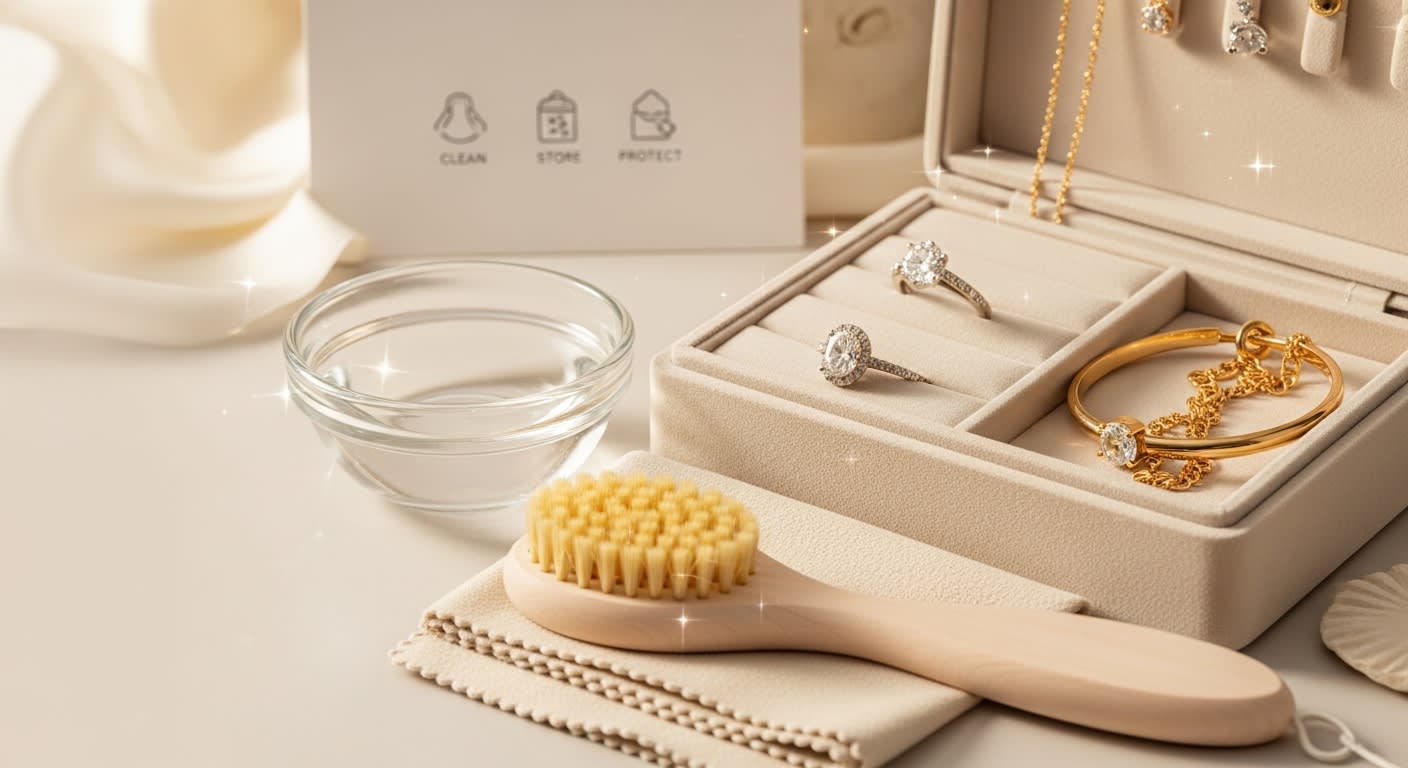
Let’s begin with the safest and most effective cleaning basics for a wide range of jewelry. Whether you own gold rings, diamond studs, or cleaning gemstone rings, the core method is simpler than most people expect.
Here’s the standard approach that works for most fine jewelry:
- Fill a small bowl with warm (not hot) water and add a few drops of mild dish soap.
- Place your jewelry in the bowl and soak for 20 to 30 minutes to loosen oils and buildup.
- Use a soft toothbrush to gently scrub, focusing on the settings and the underside of stones where grime collects most.
- Rinse the piece thoroughly under clean, lukewarm water.
- Pat dry with a lint-free cloth and allow to air dry completely before storing.
For daily wear rings and bracelets, a quick clean once a week keeps buildup from hardening. Monthly, do the full soak-and-brush routine. It takes about five minutes and makes a visible difference.
Now, what to avoid. This is where a lot of people go wrong. Never use toothpaste, baking soda, bleach, or ammonia on your jewelry. These are either abrasive enough to scratch metal or chemically aggressive enough to damage stone surfaces and weaken settings. Paper towels are also out since their texture can leave micro-scratches on polished surfaces.
“The underside of a stone is where light enters and reflects. Keeping it clean is the single biggest factor in maintaining a diamond’s sparkle.”
Pro Tip: When brushing, flip the piece over and spend most of your time on the setting and underside of the stone. That’s where soap residue, lotion, and skin oils accumulate most. Cleaning this area properly is what restores that brilliant flash of light you fell in love with.
For gemstone earrings care, the same method applies to most hard stones. Just be gentle around any glued or bezel-set pieces, and always dry the posts completely to avoid irritation.
Caring for fragile gemstones and pearls: Cases that need special attention
Not all jewelry can be cleaned the same way. Some stones are far more sensitive than people realize, and using the wrong method can cause permanent damage.
Stones like opal, emerald, turquoise, and coral have porous surfaces or internal fractures that react badly to water, heat, or chemicals. For these, avoid ultrasonic and steam cleaners entirely. The same goes for pearls. Instead, use only a soft, slightly damp cloth to wipe the surface clean. No soaking. No harsh rubbing.
Here’s a quick breakdown of how to approach the most delicate pieces:
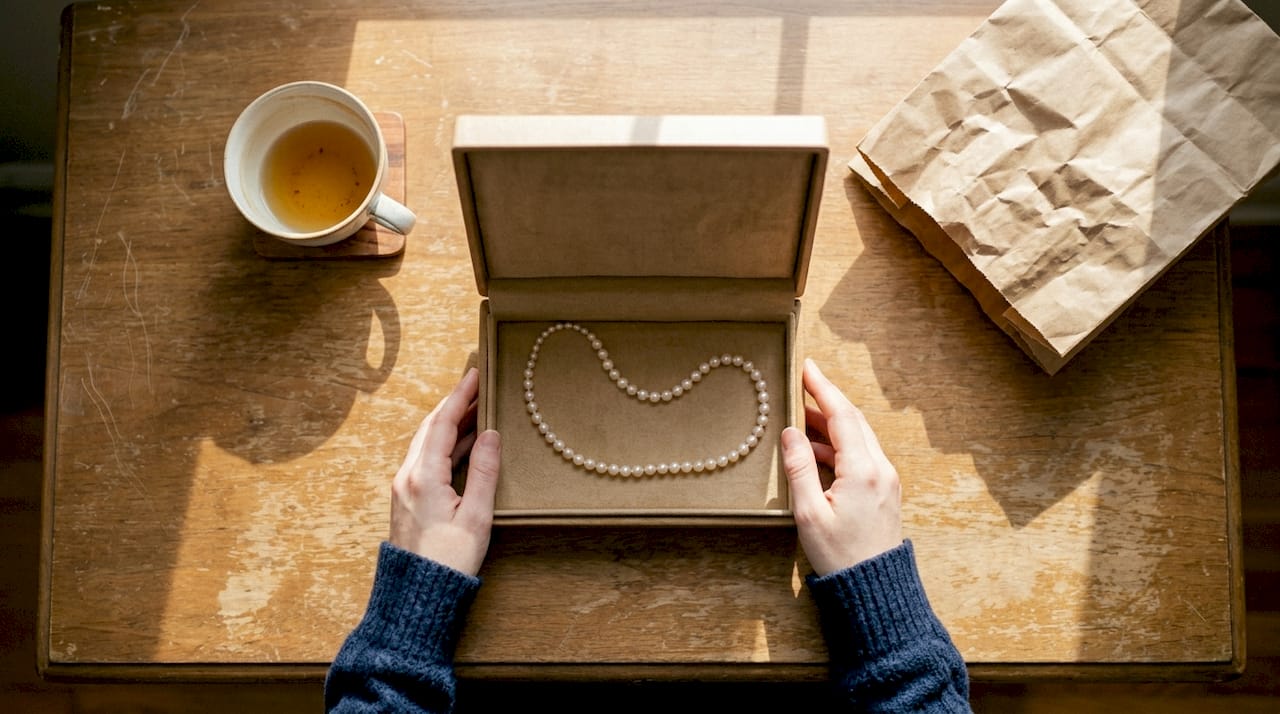
- Pearls: Wipe with a damp cloth after every wear to remove skin oils and perfume. Store flat in a soft pouch to prevent stretching the strand. Keep them away from dry air, which causes cracking.
- Opals: These stones contain water in their structure. Store them with a slightly damp cotton ball nearby to maintain humidity. Never leave them in a dry safe or airtight container.
- Emeralds: Most are treated with oil to fill surface fractures. Soaking dissolves that treatment. Wipe only.
- Turquoise: Highly porous and will absorb chemicals, oils, and even water over time. Dry wipe only.
- Pink gemstones like rose quartz or kunzite: Generally safe for gentle soap and water, but avoid prolonged soaking.
| Stone type | Safe to soak? | Ultrasonic safe? | Best cleaning method |
|---|---|---|---|
| Diamond | Yes | Yes | Soap and water soak |
| Ruby/Sapphire | Yes | Usually yes | Soap and water soak |
| Emerald | No | No | Damp cloth wipe only |
| Opal | No | No | Damp cloth wipe only |
| Pearl | No | No | Damp cloth wipe only |
| Turquoise | No | No | Dry cloth wipe only |
For caring for pearls, think of them like skin. They respond to moisture, temperature, and chemicals just as your skin does. Even hairspray and perfume can dull their luster over time, so always put pearls on last when getting dressed.
Pro Tip: If a piece has multiple stone types, always treat the entire piece according to the most delicate gem present. A ring with both diamonds and opals gets opal-level care, not diamond-level cleaning.
Just as delicate care techniques apply to fine knives, the principle holds for jewelry: the more refined the material, the gentler the maintenance needs to be.
Best practices for jewelry storage: Protect against tarnish, scratches, and damage
Cleaning is just part of the equation. Proper storage is essential for keeping your jewelry pristine between wears.
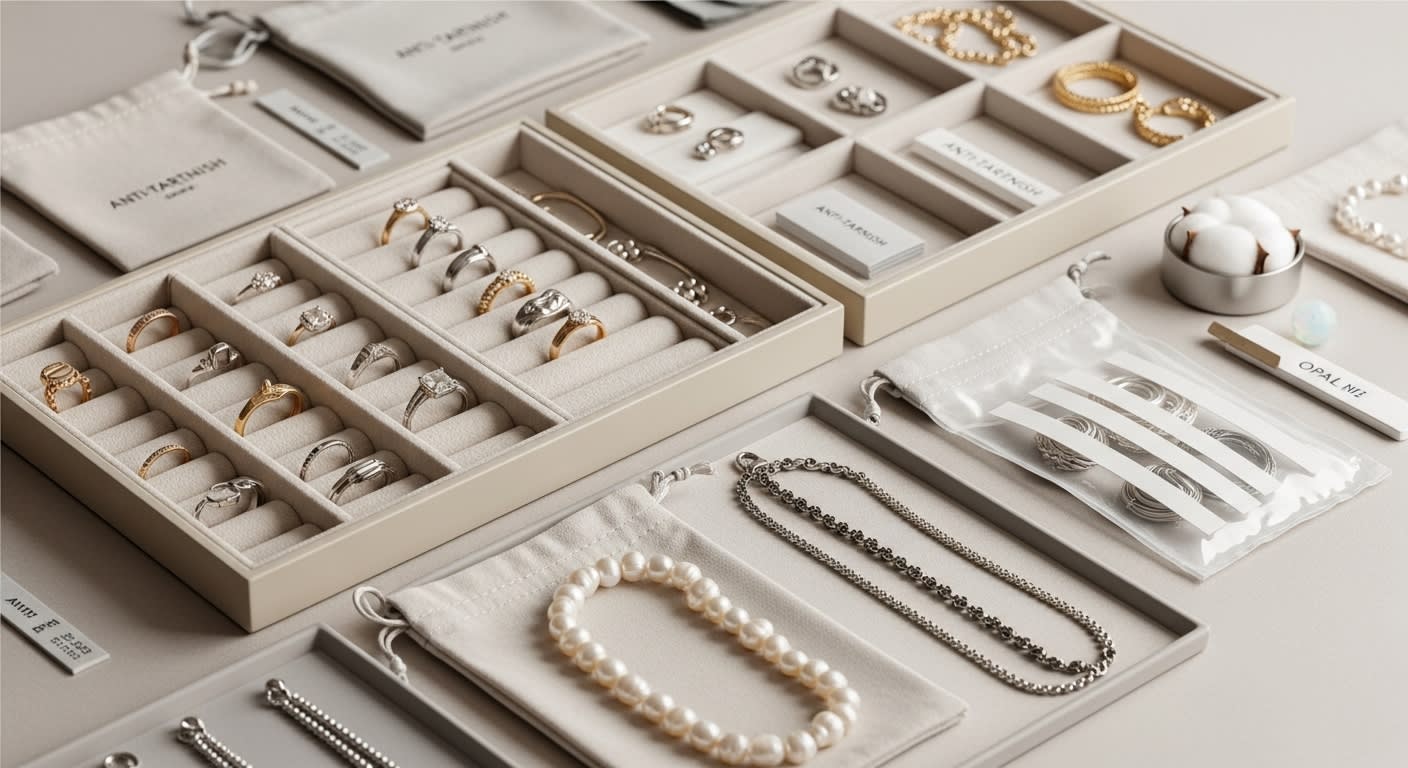
The biggest enemies of stored jewelry are humidity, sunlight, heat, and contact with other pieces. Store jewelry separately in soft pouches or lined compartments, away from direct sunlight and temperature extremes. Tossing everything into one dish is a recipe for scratched stones and tangled chains.
Here’s how to store the most common jewelry types:
- Gold and platinum: Individual soft pouches or fabric-lined compartments. These metals are durable but can still scratch each other.
- Silver: Store with anti-tarnish strips in a sealed pouch or box. Silver is highly prone to tarnish when exposed to air and humidity. A polishing cloth and mild soap can restore shine, but prevention is easier.
- Pearls: Flat in a soft cloth pouch, never in a plastic bag (which traps moisture unevenly).
- Opals: In a small container with a damp cotton ball to regulate humidity.
- Beaded and stranded jewelry: Laid flat to prevent stretching.
| Jewelry type | Ideal storage | Avoid |
|---|---|---|
| Gold/Platinum | Soft pouch or lined box | Direct sunlight, heat |
| Silver | Anti-tarnish pouch | Humid environments |
| Pearl | Flat in soft cloth | Plastic bags, dry air |
| Opal | Container with damp cotton | Airtight dry containers |
| Gemstone rings | Individual compartments | Stacking with other rings |
Pro Tip: Pick up a pack of anti-tarnish strips from any jewelry or craft store and toss one into your silver storage box. They absorb the sulfur compounds in the air that cause tarnishing and can extend the time between polishing sessions significantly.
Beyond storage, consider jewelry insurance protection for your most valuable pieces. Proper care reduces wear, but accidents happen, and knowing your investment is protected adds real peace of mind.
When to call in the professionals: Maintenance, deep cleaning, and inspections
Even with the best home care, some tasks are best left to professionals. Knowing when to make that call protects both your jewelry and your investment.
Here are the clearest signs that a piece needs professional attention:
- A stone feels loose or moves slightly when touched.
- The metal looks dull even after cleaning, which may indicate surface wear.
- A prong looks bent, worn down, or uneven.
- The clasp on a necklace or bracelet is stiff, weak, or unreliable.
- Pearl strands feel loose or show signs of fraying between beads.
A professional jeweler’s inspection typically includes checking all prongs and settings, deep cleaning with professional-grade equipment, and light polishing. Professional cleaning once or twice a year is the standard recommendation, and many fine jewelry brands including Tiffany offer complimentary annual cleanings for pieces purchased from them.
“Limit professional polishing to once every few years unless necessary. Each polish removes a thin layer of metal. Over decades, excessive polishing can visibly reduce the thickness of fine bands.”
This is especially relevant for affordable engagement rings worn daily. The setting takes the most stress, and a yearly prong check can prevent the heartbreak of losing a center stone.
For beaded and pearl jewelry specifically, plan on restringing every one to two years if worn regularly. The silk thread used in pearl necklaces stretches and weakens over time, and a single broken strand can mean losing multiple beads.
Beyond basics: The real secrets to jewelry that stands the test of time
With the essentials covered, here’s what truly separates jewelry that lasts a lifetime from pieces that fade within a few years: daily habits.
Most damage isn’t from one bad moment. It’s from repeating small mistakes hundreds of times. Wearing rings while doing dishes. Leaving a necklace on during a swim. Spraying perfume directly onto a pearl pendant. None of these feel significant in the moment, but they compound into real, lasting damage.
Consistency in gentle cleaning, proper storage, and annual checkups does more than any special product or gadget. We’ve seen customers invest in ultrasonic cleaners and steam machines for home use, only to damage softer stones they didn’t realize were at risk. Simple methods, done regularly, outperform fancy tools used incorrectly every time.
The contrarian truth is this: the best jewelry care routine is the one you’ll actually stick to. A five-minute weekly wipe-down beats an elaborate monthly process you skip half the time. Understanding gemstone clarity and what affects it helps you see exactly why consistent care matters at the structural level, not just the surface.
Remove your jewelry before housework, swimming, exercising, and sleeping. That single habit prevents more damage than any cleaning product on the market.
Find your next signature piece—and keep it looking its best
Now that you know how to care for what you have, why not add a piece worth protecting?

At SuperJeweler, you’ll find an exceptional range of budget-friendly engagement rings, stunning gemstone rings, and brilliant lab grown diamonds, all at prices that make accessible luxury a reality. Every piece ships free worldwide and comes backed by our warranty and return policy. With the care habits you’ve built from this guide, your next favorite piece will stay as beautiful as the day it arrives. Browse the collections and find something that speaks to you.
Frequently asked questions
How often should I clean my diamond engagement ring?
For daily wear, clean your diamond ring weekly at home and schedule a professional deep clean every 6 to 12 months to keep the setting secure and the stone brilliant.
Is it safe to use ultrasonic cleaners on all jewelry?
No. Ultrasonic cleaners are safe for hard stones like diamonds and sapphires, but avoid them for pearls, opals, emeralds, turquoise, and coral, which can crack or lose their finish under vibration.
What household products should I avoid when cleaning jewelry?
Never use toothpaste, baking soda, bleach, or ammonia on jewelry. These products scratch metal surfaces and can permanently damage stone settings.
How should I store silver jewelry to prevent tarnish?
Store silver in anti-tarnish pouches or fabric-lined boxes and keep it away from humid environments. Adding an anti-tarnish strip to the storage container extends time between polishing sessions.
Do I need to restring pearl necklaces? How often?
Yes. Get pearls restrung every one to two years if worn regularly, and always store them flat in a soft pouch to maintain the integrity of both the strand and the pearls themselves.
Recommended
- What Makes Jewelry Timeless: Style, Value & Legacy
- Why jewelry makes great gifts: meaningful & timeless
- 7 Affordable Jewelry Gift Ideas for Stylish Occasions
- Citrine Jewelry: Sunny Gemstone | November Birthstone
