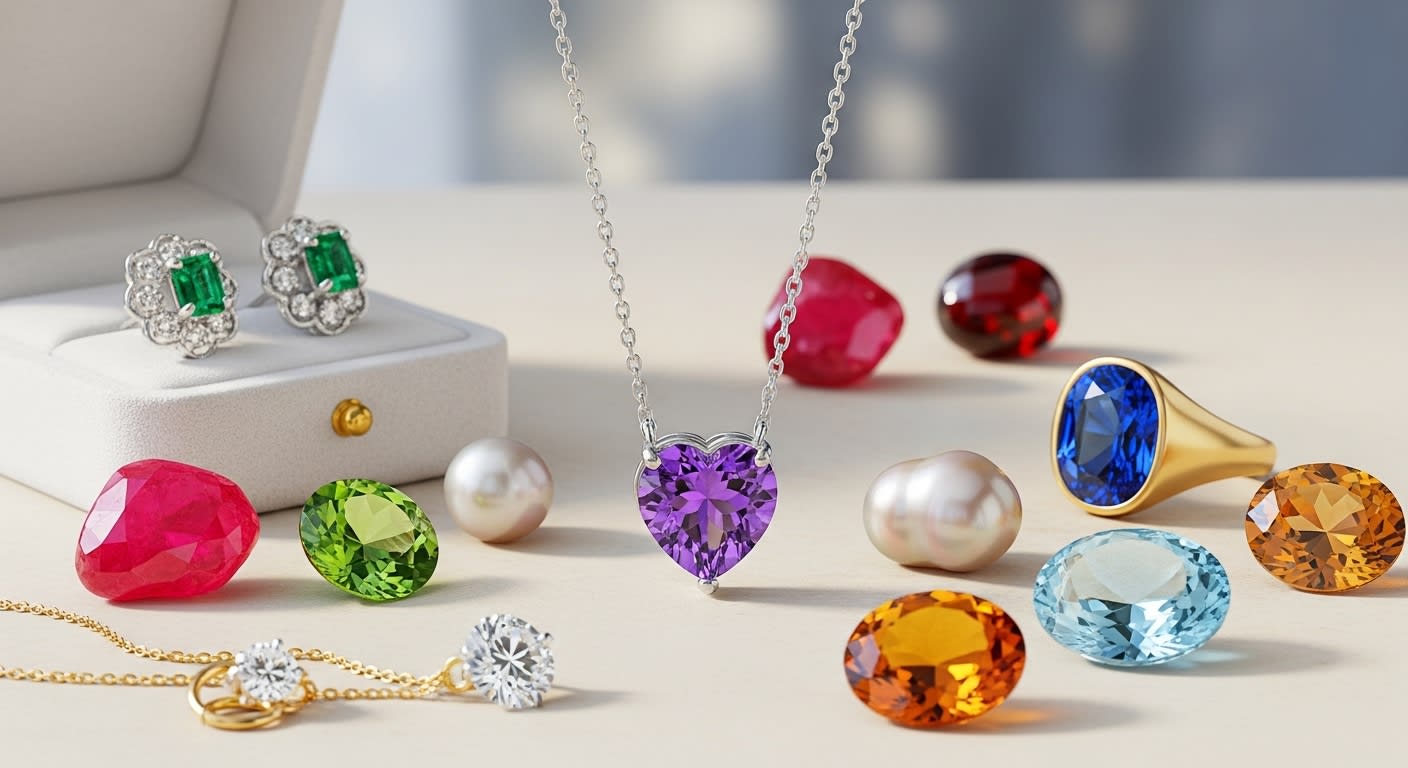
Birthstone jewelry is often mistaken as simply wearing your birth month’s gem, but the reality is far more fascinating. These pieces carry centuries of symbolism, connect personal identity with ancient traditions, and offer surprising design diversity that many buyers overlook. Whether you’re searching for a meaningful gift or exploring jewelry that reflects your personality, understanding the science, ethics, and artistry behind birthstone pieces transforms how you choose and wear them. This guide reveals what birthstone jewelry truly represents and how modern innovations are reshaping this timeless tradition.
Table of Contents
- Understanding Birthstone Jewelry: Meaning, Materials, And Design
- The Science Behind Birthstone Jewelry: Gemstones, Hardness, And Durability
- Ethical Considerations And Modern Trends In Birthstone Jewelry
- Choosing And Caring For Birthstone Jewelry: Practical Tips And Styles
- Discover Your Perfect Birthstone Jewelry At SuperJeweler
- Frequently Asked Questions
Key takeaways
| Point | Details |
|---|---|
| Historical symbolism | Birthstones connect personal identity with ancient traditions and cultural meanings that influence modern jewelry design. |
| Durability matters | Gem hardness on the Mohs scale determines how well a birthstone withstands daily wear and requires specific setting choices. |
| Ethical sourcing | Lab-grown gemstones and transparent supply chains offer sustainable alternatives without compromising beauty or quality. |
| Customization options | Personalized birthstone designs allow unique expression through metal choices, settings, and gem combinations. |
Understanding birthstone jewelry: meaning, materials, and design
Birthstone jewelry represents more than decorative accessories. These pieces weave together geological wonder and cultural heritage, with each gem carrying symbolic weight passed down through generations. Ancient civilizations believed specific stones possessed protective powers or embodied virtues tied to calendar months, creating a tradition that persists in modern jewelry design.
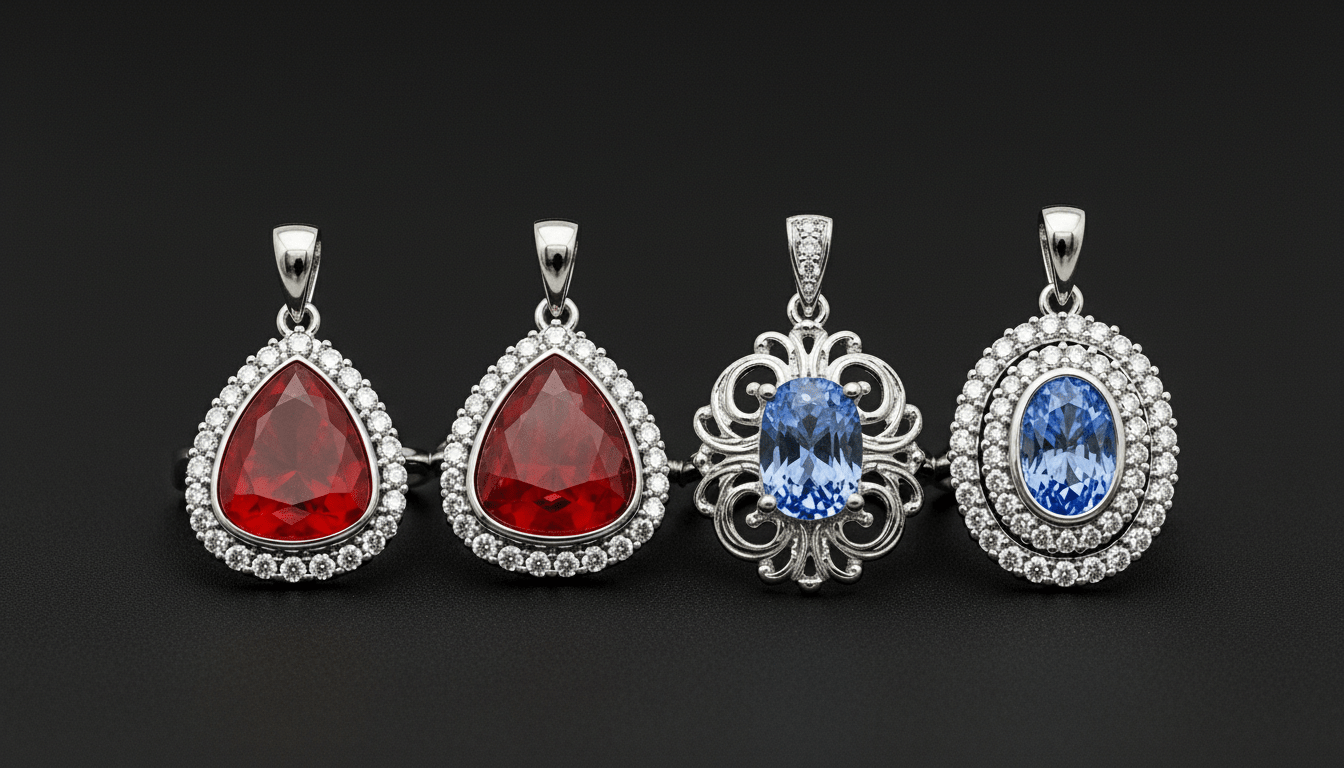
The meanings and symbolism associated with birthstones reflect diverse cultural interpretations. Ruby represents passion and vitality for July births, while sapphire embodies wisdom and loyalty for September. These associations shape how jewelers incorporate stones into designs, influencing everything from engagement rings to everyday pendants. The symbolism adds emotional resonance that transforms birthstone pieces into personal talismans.
Material selection plays a crucial role in birthstone jewelry construction. Jewelers typically choose from several metal options:
- Gold (yellow, white, or rose) offers warmth and traditional appeal
- Sterling silver provides affordable elegance for casual pieces
- Platinum delivers maximum durability for heirloom-quality jewelry
- Palladium combines platinum’s strength with lighter weight
Design principles balance gem properties with aesthetic goals. A jeweler considers color saturation, transparency, and how light interacts with each stone’s crystal structure. Pink gemstones like rose quartz or pink tourmaline require different setting approaches than darker garnets or deep blue sapphires. The metal choice either complements or contrasts with the gem’s hue, creating visual harmony or dramatic impact.
Cultural traditions continue influencing contemporary birthstone jewelry. Victorian-era styles featured ornate settings with symbolic engravings, while Art Deco designs emphasized geometric patterns and bold color contrasts. Today’s pieces blend these historical influences with minimalist aesthetics, allowing wearers to express both heritage and modern sensibility through their birthstone choices.
“Birthstones transform personal milestones into wearable art, connecting the wearer’s identity with geological marvels formed over millions of years.”
The science behind birthstone jewelry: gemstones, hardness, and durability
Gemstone durability determines whether your birthstone jewelry survives daily wear or requires careful handling. The Mohs hardness scale measures scratch resistance from 1 (talc) to 10 (diamond), providing essential guidance for jewelry applications. This scientific framework helps you understand which birthstones suit active lifestyles versus occasional wear.
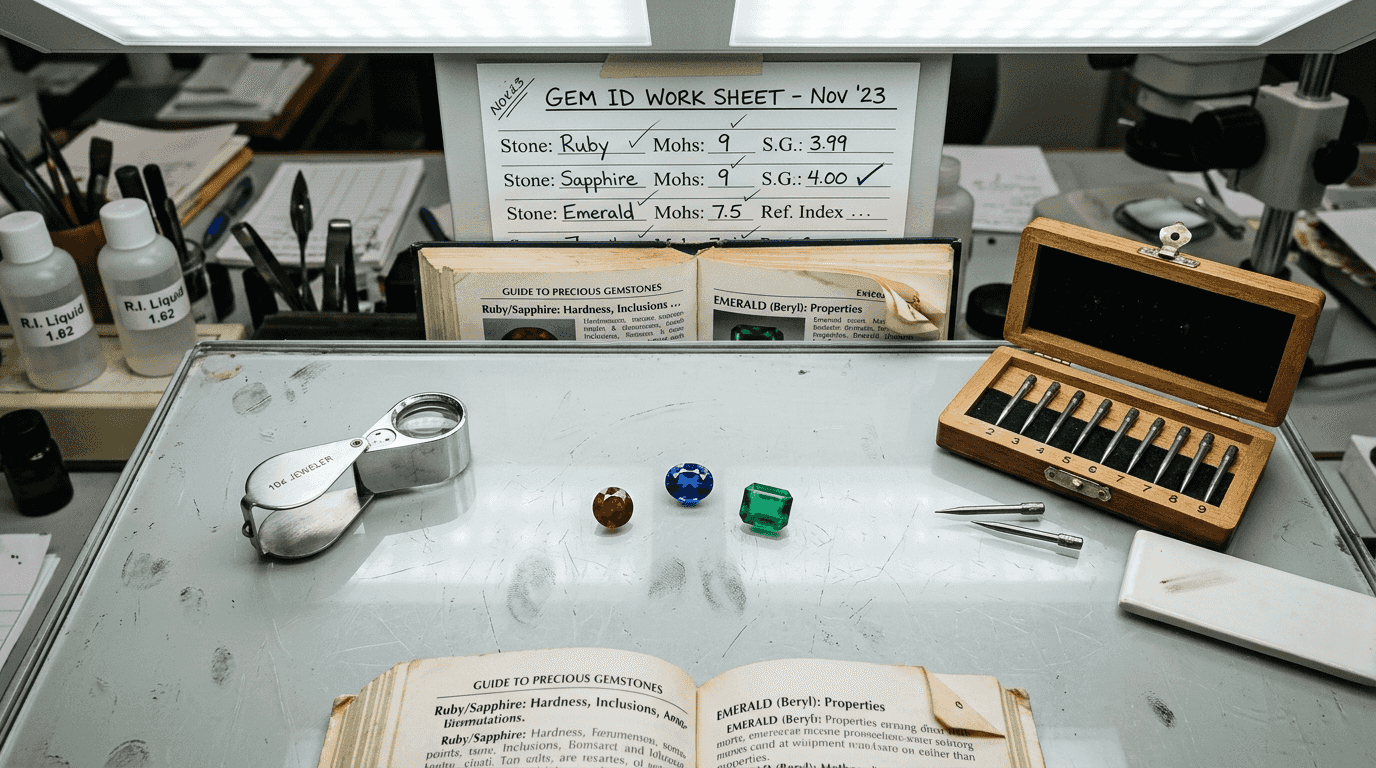
Each birthstone has unique properties that influence cutting techniques and setting requirements. Refractive index affects brilliance, while crystal structure determines how a gem breaks under stress. Jewelers must account for these characteristics when designing pieces that showcase beauty while protecting the stone from damage.
Hardness ratings vary significantly across popular birthstones. Diamonds score a perfect 10 on the Mohs scale, making them ideal for engagement rings and daily wear jewelry. Sapphires and rubies reach 9, offering excellent durability with vibrant color options. Amethyst measures 7, providing reasonable scratch resistance for most applications. Garnets range from 6.5 to 7.5 depending on variety, requiring more protective settings.
Pro Tip: Engagement rings should have hardness ratings of at least 7 to withstand decades of wear without visible damage, making sapphires, rubies, and diamonds superior choices over softer alternatives.
The following table compares hardness ratings for common birthstones:
| Birthstone | Mohs Hardness | Durability Rating | Best Use |
|---|---|---|---|
| Diamond | 10 | Excellent | Daily wear, engagement rings |
| Ruby/Sapphire | 9 | Excellent | All jewelry types |
| Aquamarine | 7.5-8 | Very Good | Rings, pendants, earrings |
| Amethyst | 7 | Good | Pendants, earrings, protected rings |
| Garnet | 6.5-7.5 | Good to Fair | Earrings, pendants, occasional rings |
| Opal | 5.5-6.5 | Fair | Pendants, earrings, protected settings |
Softer birthstones demand protective design strategies. Bezel settings encircle the gem with metal, shielding edges from impact. Halo designs surround the center stone with smaller diamonds or gems, creating a protective barrier while enhancing visual size. These techniques allow wearers to enjoy delicate birthstones like May’s emerald without constant worry about damage.
Cutting techniques maximize each gem’s optical performance while minimizing vulnerability. Facet angles control light reflection, while overall shape affects durability. Round brilliant cuts distribute stress evenly, while sharp corners on princess or marquise cuts create weak points prone to chipping. Skilled gem cutters balance beauty with structural integrity when preparing birthstones for gemstone rings.
Ethical considerations and modern trends in birthstone jewelry
The jewelry industry faces growing scrutiny over gemstone sourcing practices. Traditional mining operations sometimes involve environmental destruction, unsafe working conditions, or fund conflicts in unstable regions. Consumers increasingly demand transparency about where their birthstones originate and how mining impacts communities and ecosystems.
Ongoing debates regarding ethical sourcing have sparked industry-wide changes. Certification programs now track gems from mine to market, documenting labor practices and environmental safeguards. Jewelers who prioritize ethical sourcing build trust with conscious consumers willing to pay premium prices for verified responsible practices.
Lab-grown gemstones represent a revolutionary alternative to mined stones. These gems possess identical chemical composition, crystal structure, and optical properties to natural counterparts, yet form in controlled laboratory environments within weeks rather than millennia. The technology eliminates mining’s environmental footprint while delivering flawless stones at significantly lower costs.
Key advantages of lab-grown birthstones include:
- Zero environmental disruption from mining operations
- Guaranteed conflict-free origin with complete supply chain visibility
- 30-40% lower cost compared to equivalent natural gems
- Consistent quality without natural inclusions or color variations
- Availability of rare colors difficult to source naturally
Exploring lab grown diamonds reveals how technology democratizes luxury. These stones offer identical brilliance and durability to mined diamonds while appealing to environmentally conscious buyers. The same technology extends to colored gemstones, creating lab-grown rubies, sapphires, and emeralds indistinguishable from natural versions without specialized testing.
Pro Tip: Request certification documentation for any birthstone purchase, whether natural or lab-grown, to verify authenticity, treatment history, and ethical sourcing claims before finalizing your investment.
Custom-designed birthstone jewelry is trending as consumers seek unique pieces reflecting personal style rather than mass-produced options. Jewelers now offer interactive design tools allowing customers to select gem cuts, metal types, and setting styles. This customization transforms birthstone jewelry from generic gifts into deeply personal expressions of identity and connection.
Modern buyers prioritize authenticity and storytelling. They want to know their jewelry’s complete journey, from geological formation or laboratory creation through cutting, setting, and final polish. Jewelers who provide this narrative transparency build lasting relationships with customers who value both beauty and integrity in their birthstone purchases.
Choosing and caring for birthstone jewelry: practical tips and styles
Selecting the right birthstone jewelry requires balancing aesthetic preferences with practical durability considerations. Different occasions demand different approaches. Engagement rings endure constant wear and exposure to impacts, requiring harder stones in protective settings. Pendant necklaces face less stress, allowing softer, more delicate birthstones to shine safely.
The following comparison helps match birthstones to intended use:
| Consideration | Everyday Wear | Special Occasions | Gift Selection |
|---|---|---|---|
| Recommended Hardness | 7+ (sapphire, ruby, diamond) | 6+ acceptable (garnet, amethyst) | Match to recipient’s lifestyle |
| Setting Priority | Protective bezels or halos | Showcase settings acceptable | Consider recipient’s taste |
| Budget Impact | Higher for durable stones | Flexible with softer options | Balance meaning with quality |
| Maintenance Needs | Minimal with hard stones | Regular inspection for soft gems | Include care instructions |
Garnets are softer and more prone to scratches, making them better suited for earrings or pendants than rings subjected to daily knocks. Similarly, amethyst has a Mohs hardness of 7, placing it at the minimum threshold for engagement rings but requiring careful wear to prevent surface abrasions over time.
Proper care extends birthstone jewelry’s lifespan and maintains its brilliance. Follow these essential maintenance steps:
- Clean regularly with warm water and mild dish soap using a soft brush to remove oils and debris
- Store pieces separately in soft pouches to prevent harder stones from scratching softer gems
- Remove jewelry before exercising, cleaning, or applying lotions and perfumes that can dull surfaces
- Schedule professional inspections annually to check prong security and identify wear before stones loosen
- Avoid ultrasonic cleaners for emeralds, opals, and pearls, which can damage treated or porous stones
Style considerations influence how birthstone jewelry complements your wardrobe. Classic solitaire settings suit professional environments and formal occasions, while cluster designs or mixed-metal pieces add contemporary flair for casual wear. Consider whether you prefer subtle elegance or bold statement pieces when selecting birthstone jewelry that reflects your personality.
Symbolism adds meaning to gifting decisions. Birthstone jewelry commemorates births, anniversaries, graduations, or other milestones with personalized significance. Combining multiple birthstones in a single piece honors family connections or celebrates relationships. Personalized jewelry options allow engraving names, dates, or meaningful phrases alongside birthstones for truly unique gifts.
Custom design options transform birthstone jewelry into heirloom-quality treasures. Work with jewelers to incorporate family stones into new settings, blend traditional and modern elements, or create entirely original pieces. This approach ensures your birthstone jewelry perfectly matches your vision while delivering quality that endures for generations.
Discover your perfect birthstone jewelry at SuperJeweler
Now that you understand the science, symbolism, and style considerations behind birthstone jewelry, you’re ready to explore pieces that match your preferences and values. SuperJeweler offers an extensive collection designed to suit every taste and budget, from classic solitaires to contemporary custom creations.

Browse cheap engagement rings featuring stunning birthstone options that deliver quality without stretching your budget. Explore lab grown diamonds for ethical, sustainable choices that match natural stones in beauty and durability. Discover personalized jewelry collections where you can combine birthstones with custom engravings for gifts that carry deep personal meaning. SuperJeweler’s worldwide free shipping and comprehensive warranty ensure your birthstone jewelry arrives safely and remains protected for years of enjoyment.
Frequently asked questions
What makes birthstone jewelry meaningful?
Birthstone jewelry connects personal identity with centuries of cultural symbolism and geological wonder. Each stone carries traditional associations with virtues, protection, or personality traits tied to birth months, transforming jewelry into personal talismans. The combination of natural beauty and symbolic significance creates emotional resonance that generic jewelry cannot match.
Can I wear birthstone jewelry every day?
Daily wear depends on your birthstone’s hardness rating and setting design. Stones rating 7 or higher on the Mohs scale, like sapphires, rubies, and diamonds, withstand regular wear in protective settings. Softer birthstones like opals or pearls require gentler handling and work better for occasional wear or protected designs like pendants and earrings.
Are lab-grown birthstones real gemstones?
Lab-grown birthstones possess identical chemical composition, crystal structure, and optical properties to natural gems. They form through controlled processes replicating geological conditions, creating authentic gemstones indistinguishable from mined versions without specialized testing. The only difference lies in origin, not quality or beauty, making them genuine alternatives to natural stones.
How do I choose birthstone jewelry as a gift?
Consider the recipient’s lifestyle, style preferences, and the occasion’s significance. Match stone hardness to their activity level, select metals and settings reflecting their taste, and choose designs appropriate for daily wear or special occasions. Combining their birthstone with family members’ stones or adding personalized engravings creates deeper meaning and shows thoughtful consideration.
What’s the best way to clean birthstone jewelry?
Most birthstone jewelry cleans safely with warm water, mild dish soap, and a soft brush to remove oils and debris. Rinse thoroughly and pat dry with a lint-free cloth. Avoid ultrasonic cleaners for porous or treated stones like emeralds, opals, and pearls. Professional cleaning during annual inspections ensures thorough maintenance and identifies potential issues before damage occurs.
How can I verify my birthstone’s authenticity?
Request certification from reputable gemological laboratories documenting your stone’s identity, treatments, and quality characteristics. Natural stones should include origin information, while lab-grown gems require disclosure of their synthetic nature. Reputable jewelers provide this documentation automatically, offering transparency that protects your investment and confirms you’re receiving exactly what you paid for.
Recommended
- Emerald Ring | May Birthstone | SuperJeweler.com
- May Birthstone
- Sapphire Jewelry: Royal Blue Beauty | September
