Self-expression is the whole story of men’s jewelry trends 2026: layered chains, pearls, colored stones, mixed metals, and convertible pieces built to work harder than a single look. Versatility and sourcing transparency now drive purchase decisions as much as style does, and retailers have expanded assortments in pearls, gemstone necklaces, men’s diamond rings, lab-grown diamonds, and wedding bands to match.
TL;DR:
- Men’s jewelry is shifting towards layered chains, colored stones, and mixed metals, driven by celebrity influence and rising material prices.
- Versatile pieces like convertible jewelry and bold signet or statement rings are favored for everyday wear and expression.
- Bold, saturated gemstones such as sapphires, emeralds, and colored diamonds are replacing neutral stones in dominant jewelry pieces.
- Mixing metals like gold, silver, and darker finishes is now common, creating intentional contrast rather than mismatch.
- Starting with affordable, mid-range, and then investment pieces helps build a personal collection aligned with trending styles.
Table of Contents
- Why 2026 Feels Like a Turning Point for Men’s Jewelry
- Chains and Layering: Which Styles Rule and How to Wear Them
- Pearls and Brooches Reimagined for Men
- Signet and Statement Rings: Scale, Stones, and Modern Meaning
- Color and Gemstones: The Hues Defining 2026
- Mixed Metals: Rules for Combining Tones and Materials
- Modular and Convertible Jewelry: More Looks From One Piece
- Sustainability and Sourcing: What the Claims Actually Mean
- How to Style and Choose Pieces: A Practical Checklist
- Superjeweler’s Take: Matching Categories to 2026 Trends
- Smart Jewelry and Wearables: Where Tech Actually Fits In
- Designers and Brands Shaping the Conversation in 2026
- The Easiest Way to Start Experimenting
- Where to Shop the Trends: Superjeweler’s Men’s Categories
- Sources
Why 2026 Feels Like a Turning Point for Men’s Jewelry
The shift didn’t happen overnight, but 2026 is the year it became impossible to ignore. Show floor reporting from JCK points to exhibitors leaning hard into versatility, color, and mixed materials, partly because rising gold prices pushed designers toward creative material combinations instead of straight precious-metal builds. Red-carpet visibility did the rest of the work. When public figures wear pearls or stacked gemstone rings without irony, everyday guys follow, and the boundary between men’s and women’s jewelry has blurred faster than most retailers expected.
The numbers back up the vibe shift. Market research shows the men’s jewelry segment growing steadily, which explains why assortments are expanding rather than shrinking.
A few forces converged at once:
- Gold price pressure nudged designers toward mixed metals and alternative materials.
- Celebrity and red-carpet exposure normalized pearls, colored stones, and layered looks for men.
- Retailers responded to real demand, not a passing fad, expanding men’s categories across price points.
Chains and Layering: Which Styles Rule and How to Wear Them
Chain choice matters more than most guys think, because each link style reads differently on the body. Cuban links carry weight and presence, built for guys who want their jewelry noticed. Curb chains sit flatter and work well as a base layer under a heavier piece. Figaro mixes long and short links for visual rhythm without much bulk. Rope chains twist for a textured, almost woven look that photographs beautifully against skin. Franco chains braid tightly and hold their shape, making them a solid pick for daily wear.
Layering takes practice, but a few rules keep it from looking accidental:
- Space chains 2 to 4 inches apart so each layer reads as its own piece instead of a tangled mess.
- Mix widths and finishes rather than stacking identical chains.
- Go gold for presence at dressier events; choose stainless steel or titanium if you’re layering daily and need something that survives gym sessions and long shifts.
Pro Tip: Start with two chains of noticeably different widths before adding a third. Three similar chains just look cluttered; two contrasting ones look intentional.
Pearls and Brooches Reimagined for Men
Pearls on men used to be a costume choice. In 2026, they’re a wardrobe staple, and the shift traces directly to designers and public figures making the case that pearls and diamonds no longer belong to a single gender. Brooches followed a similar path, moving from formalwear relic to a way to personalize a blazer lapel or a knit sweater.
Wearing either well comes down to restraint and scale:
- A single pearl pendant or a short strand reads as modern; a full choker-length strand can look costume-like on most men.
- Freshwater pearls cost less and work fine for casual pieces; Akoya or South Sea pearls hold up better for pieces you’ll wear often.
- Pin a brooch slightly off-center on a lapel or collar rather than dead center, which looks more considered and less like a uniform accessory.
Superjeweler’s pearl jewelry selection is a reasonable starting point if you want to test the trend without committing to a designer price tag.
Signet and Statement Rings: Scale, Stones, and Modern Meaning
Signet rings used to signal family crest or old money. Today they signal personal taste, and that shift is exactly why the category has come roaring back alongside bigger, bolder statement rings. The choice between the two comes down to how loud you want your hand to talk.
- Choose a signet if you want something quiet and personal, ideal for engraving initials or a small symbol, and best worn on the pinky or ring finger of your non-dominant hand.
- Choose a statement ring when you want a stone or design to be the focal point, typically worn on the index or middle finger.
- Stick with 14k or 18k gold, platinum, or titanium for daily durability; sapphires and lab-grown diamonds hold up to everyday wear better than softer stones.
- If you’re stacking rings, keep one dominant piece and let the others sit smaller. Two loud rings on the same hand fight each other.
Superjeweler’s men’s diamond ring collection covers both directions, from understated bands to bolder stone-forward designs.
Color and Gemstones: The Hues Defining 2026
Neutral stones are losing ground fast. Coverage from designers and stylists in the Natural Diamonds report on bold men’s jewelry points to saturated color as the defining shift this year, from deep sapphires to vivid emeralds and tourmalines.
- Sapphire and emerald lead the pack for durability and color intensity.
- Tourmaline offers a wider color range at a friendlier price point.
- Colored diamonds, including yellow and champagne tones, bridge the gap between classic and bold.
Before buying, ask whether a stone is treated (heated or clarity-enhanced) since that affects both price and long-term care. Lab-grown or treated options make sense when you want strong color without the premium of a rare natural stone, and Superjeweler’s gemstone necklaces collection is a solid place to compare options side by side.
Mixed Metals: Rules for Combining Tones and Materials
Matching metals used to be the rule; breaking it is now the point. Mixing gold, silver, and darker metals like black rhodium creates contrast that makes each piece look more deliberate, not mismatched.
- Anchor an outfit with one dominant metal tone, then let a second metal appear in a smaller piece like a ring or bracelet clasp.
- Reach for stainless steel or titanium when durability matters more than shine, especially for guys who work with their hands or hit the gym daily.
- Gold and platinum need more careful storage and occasional polishing; steel and titanium shrug off scratches and rarely need maintenance.
Mixing metals well is less about matching finishes and more about balance. One piece should lead, and the rest should support it.
Modular and Convertible Jewelry: More Looks From One Piece
Convertible design solves a real problem: nobody wants to buy five necklaces when one adjustable piece does the job. Industry voices at JCK’s 2026 show coverage point to multi-wear pieces as a top driver this year, partly because versatility helps justify a higher price tag when metal costs are climbing.
Look for these features before buying:
- Removable pendants that clip onto multiple chain lengths.
- Bracelets with adjustable or multi-position clasps rather than a single fixed length.
- Reversible rings or pendants that change tone or design depending on orientation.
Before committing to a convertible piece, ask about the clasp engineering specifically. A repairable, serviceable closure matters more long term than the design itself, since a broken clasp on a cheaply built mechanism usually means the whole piece is done.
Sustainability and Sourcing: What the Claims Actually Mean
“Sustainable” gets used loosely in jewelry marketing, so it helps to know what the terms actually mean before you pay a premium for them.
- Recycled metal means gold, silver, or platinum reclaimed from existing jewelry or industrial scrap rather than newly mined ore.
- Responsibly sourced typically refers to gemstones or metals tracked through a supply chain with some documentation, though the rigor behind that claim varies a lot by retailer.
- Lab-grown diamonds are chemically identical to mined diamonds but created in controlled lab conditions, generally at a lower price point for the same carat weight and clarity.
Before buying, ask for a grading report or assay on any stone claimed as lab-grown, and confirm the warranty and return policy in writing. Sustainability claims tend to affect price more than resale value, since the secondary jewelry market still prices mainly on metal weight and stone quality.
How to Style and Choose Pieces: A Practical Checklist
Building a men’s jewelry collection doesn’t require buying everything at once. A staged approach works better and costs less in mistakes.
- Start affordable. A single stainless steel chain or a simple signet ring under $100 lets you test a style before committing.
- Move to mid-range. A 14k gold curb chain or a gemstone ring in the $200 to $600 range adds presence without overexposure to risk.
- Invest deliberately. A diamond ring, a convertible bracelet, or a pearl necklace in the $600-plus range should be something you’d still want in five years.
- Check spacing before layering. Keep 2 to 4 inches between chains and vary the widths.
- Match metal to lifestyle. Precious metals for special occasions and low-impact wear; steel or titanium for daily grind and active routines.
Pro Tip: Buy your boldest piece last, not first. Build confidence with something subtle, then add the statement ring or colored gemstone once you know what actually fits your style.
Superjeweler’s Take: Matching Categories to 2026 Trends
Superjeweler’s catalog lines up naturally with where these trends are headed. Pearls and gemstone necklaces cover the color and reimagined-feminine-piece trends directly. Men’s diamond rings, including lab-grown diamond options, fit the signet and statement ring revival without the premium of mined stones. Wedding bands round things out for guys who want the mixed-metal look in a piece they’ll wear every day.
If you’re starting small, a simple gemstone ring or fashion necklace under $150 is a reasonable entry point. Mid-range shoppers often land on a diamond ring or a curated pearl piece, while anyone ready to invest should look at a diamond wedding band or a statement stone ring built to last.
Smart Jewelry and Wearables: Where Tech Actually Fits In
Smart rings and connected wearables have crept into the jewelry conversation, but 2026’s version looks less like a gadget and more like a discreet accessory. The biggest shift is disguise: health-tracking rings now come in finishes that mimic a plain gold or titanium band rather than looking like a fitness tracker bolted onto a finger.
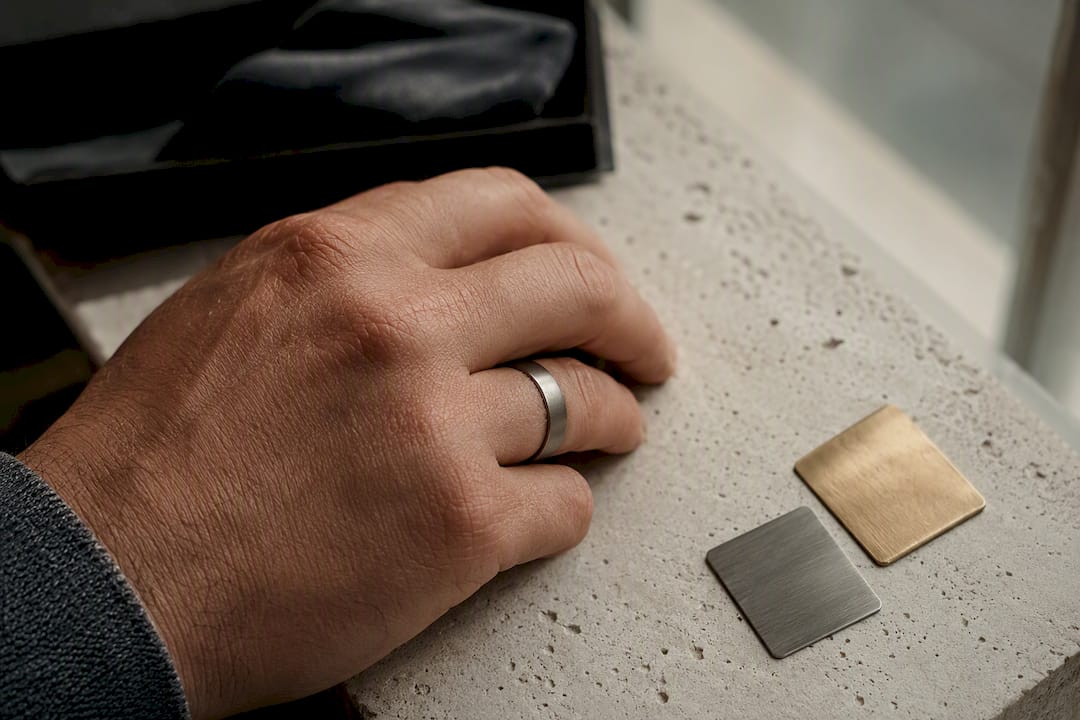
That matters because the earlier generation of wearables prioritized function over form, and plenty of men skipped them for looking too clinical next to a signet ring or a chain. Newer designs solve that by using the same metals and finishes as fine jewelry, so a smart ring can sit next to a diamond band without clashing.
A few practical notes if you’re considering one:
- Battery life and charging cases vary widely, so check how often you’ll need to dock the piece before buying.
- Sizing tends to be less forgiving than traditional rings since sensors need skin contact, so measure carefully or expect a sizing kit.
- Materials matter for skin sensitivity. Titanium and medical-grade steel are common and generally safer for daily wear than plated finishes that can wear thin.
Smart jewelry isn’t replacing traditional pieces so much as sitting alongside them. Most men wearing one still layer chains, rings, or a bracelet on top, treating the tech piece as a functional layer rather than the style statement. That’s consistent with the broader convertible and multi-wear mindset driving 2026 purchases: one piece, several jobs, minimal fuss.
Designers and Brands Shaping the Conversation in 2026
The energy behind men’s jewelry right now isn’t coming from a single mega-brand dictating trends downward. It’s coming from a mix of independent designers experimenting with scale and color, plus established houses finally building dedicated men’s lines instead of treating menswear as an afterthought.
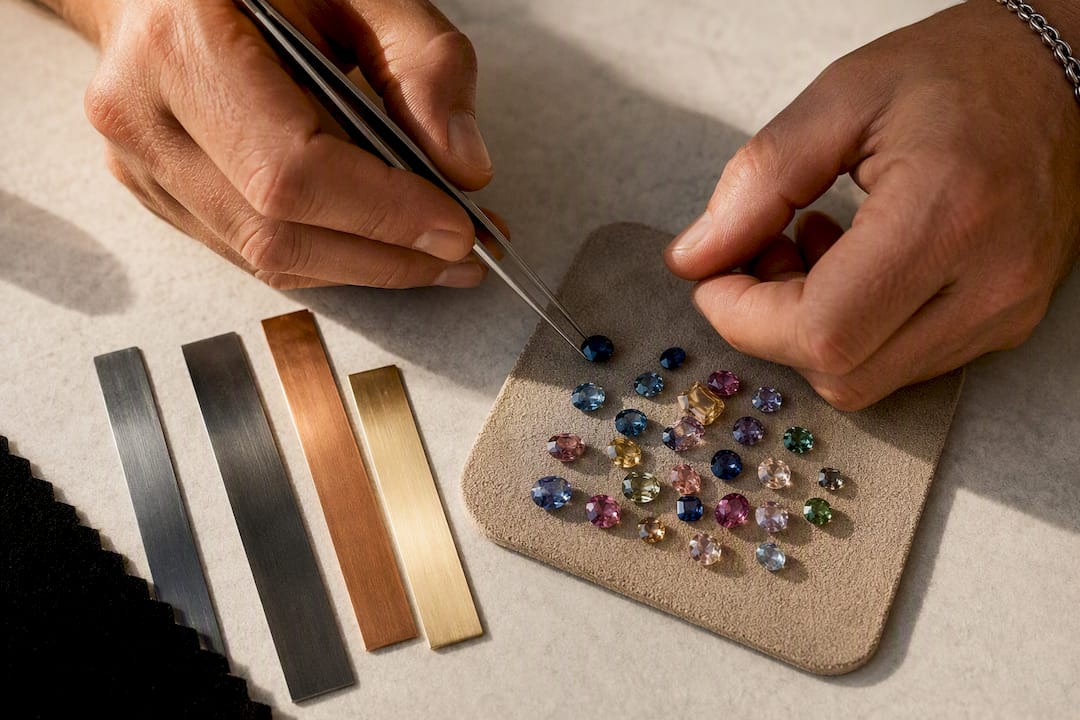
Smaller, independent jewelers have been especially influential in pushing colored gemstones and mixed-metal designs into the mainstream, often because they can move faster than larger houses on unconventional combinations like black rhodium paired with colored sapphires. That experimentation trickles into wider retail assortments once it proves popular, which is part of why categories like colored gemstone rings and layered chain sets have expanded across price points rather than staying a niche luxury offering.
Social media plays a bigger role in surfacing these designers than traditional advertising does. A single well-shot photo of a stacked ring look or an unconventional pearl pairing can spread across style-focused accounts faster than a print campaign ever could, and that visibility has pushed even conservative retailers to stock bolder pieces they might have skipped five years ago. The result is a market where trends move faster and smaller brands get real influence, not just the handful of legacy names that used to set the pace for men’s fine jewelry.
The Easiest Way to Start Experimenting
Pick one trend, not five. A single convertible chain or a colored ring gets you further than a drawer full of untested pieces. Borrow the red-carpet confidence, not the red-carpet budget, and always check the warranty and return policy before you commit to something bold.
— Andrew
Where to Shop the Trends: Superjeweler’s Men’s Categories
There are straightforward ways to shop these trends without wading through a hundred scattered boutique sites. Every category covered in this guide, pearls, gemstone necklaces, men’s diamond rings, lab-grown diamonds, and wedding bands, sits under one roof with consistent sizing information, warranty options, and return policies, so you’re not guessing about fit or quality before you buy.

If you’re ready to build out a collection, start with the lab-grown diamond rings selection for a modern take on the signet and statement ring revival, or browse diamond wedding bands if you want a mixed-metal daily piece that doubles as a style statement. Customization options let you adjust stone choice and band width to match your own take on these trends, and every order ships with the same guarantee coverage regardless of price tier. Browse the current men’s diamond ring collection to see where your next piece might come from.
Sources
- How Men’s Jewelry Is Redefining Style In 2026 – Forbes
- JCK and Luxury 2026: Your Show of Shows
- The Defining Topics of JCK 2026
- Men’s Jewelry Trends: 5 Experts Speak to a Fresh New Spirit – Natural Diamonds
- Men’s Jewelry Market Demand, Analysis Report, 2025-2034 – Polaris Market Research
Recommended
- Why Affordable Luxury Jewelry Appeals in 2026
- 7 Affordable Jewelry Gift Ideas for Stylish Occasions
- How to Style Fashion Jewelry for Any Occasion
