TL;DR:
- Planning a structured jewelry shopping process helps prevent mistakes and overspending.
- Prioritizing the quality of cut and asking for verified certification are essential for making the best purchase.
Step by step jewelry shopping is the process of systematically selecting, evaluating, and purchasing jewelry to ensure an informed and satisfying acquisition. Whether you are buying an engagement ring, a birthday gift, or a fashion piece for yourself, a structured approach prevents costly mistakes and buyer’s remorse. The jewelry selection process covers everything from setting a budget and understanding the 4Cs to verifying certifications and choosing the right metal. Superjeweler offers certified fine jewelry at accessible prices, making it a practical starting point for buyers at every experience level.
What you need to know before starting jewelry shopping
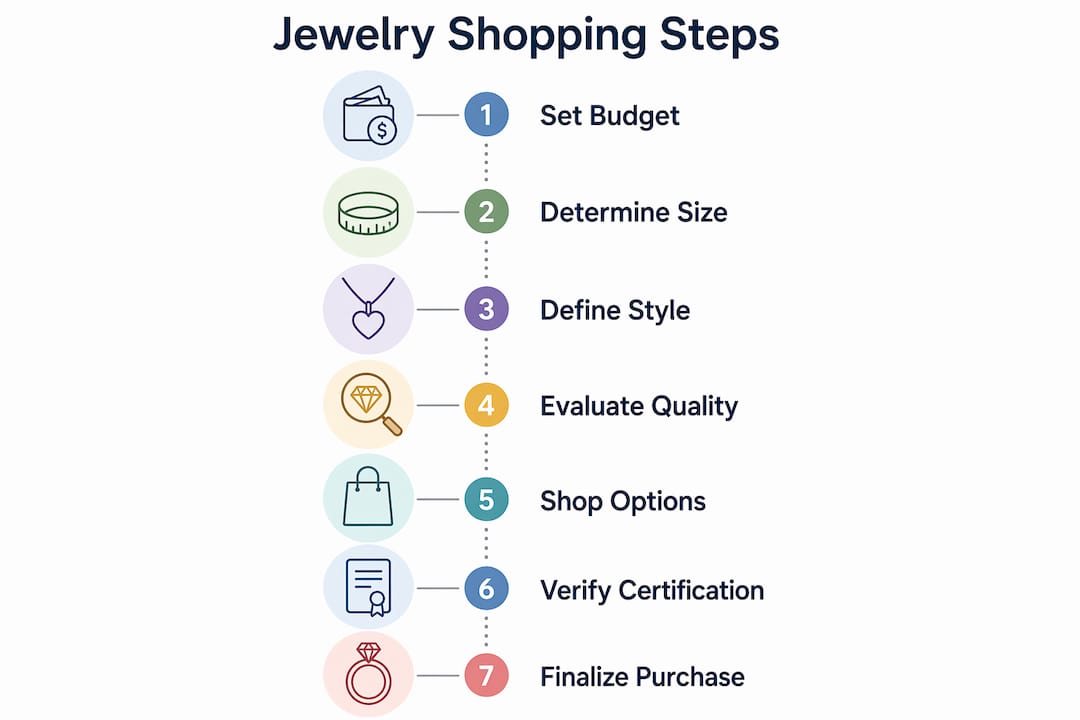
Setting a realistic budget is the single most important step before you browse a single ring or necklace. Budget directly shapes your choice of diamond, metal, and setting style. Buyers who skip this step often overspend and experience regret, regardless of how beautiful the piece looks.
Accurate sizing comes next. Ring sizing methods include borrowing a ring the recipient already wears and measuring its inner diameter, pressing a ring into a bar of soap to capture the impression, or visiting a local jeweler for a professional sizing. Getting this wrong means a costly resize or, worse, a piece that cannot be resized at all.
Defining style preferences before you shop saves hours of browsing. Ask whether the recipient prefers yellow gold or white metal, minimalist settings or elaborate halos, colored gemstones or classic diamonds. Collecting inspiration images from Pinterest or jewelry blogs gives you a concrete reference point when you start comparing options.
| Tool or resource | Purpose |
|---|---|
| Budget spreadsheet | Track spending limits across diamond, metal, and setting |
| Ring sizer or borrowed ring | Confirm accurate finger size before ordering |
| Inspiration image folder | Communicate style preferences clearly |
| GIA or AGS certification guide | Understand grading terminology before evaluating stones |
| Retailer return policy checklist | Verify terms before committing to a purchase |
Pro Tip: Search for the recipient’s existing jewelry on Pinterest or Instagram to identify recurring style patterns. Consistent preferences across multiple pieces reveal far more than a single “favorite” item.
How to evaluate jewelry quality: the essential factors
Cut is the most important quality factor in a diamond, and buyers should prioritize it above all other criteria. A well-cut diamond reflects light with brilliance and sparkle. A poorly cut stone looks dull and flat even when it carries excellent color or clarity grades. Excellent and Ideal cut grades are the benchmarks to target.
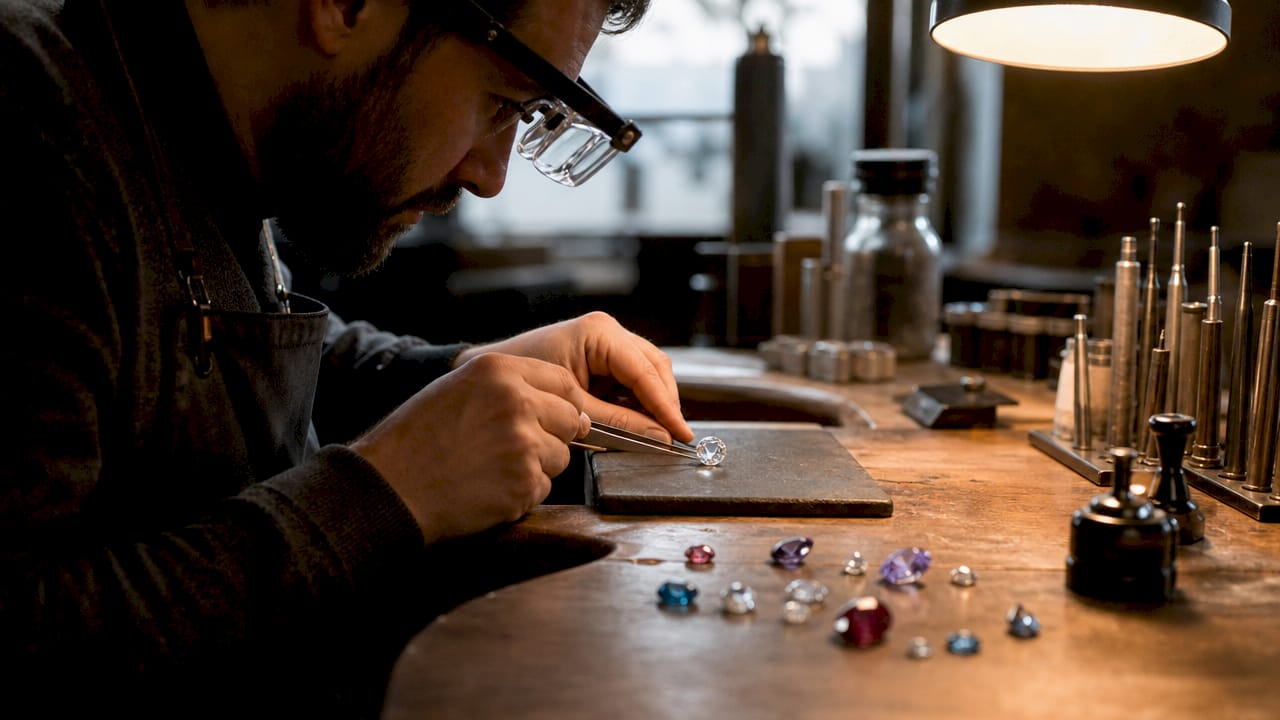
The 4Cs, a grading framework established by the Gemological Institute of America (GIA), covers cut, color, clarity, and carat weight. Color grades run from D (colorless) to Z (noticeable yellow tint). Clarity grades measure internal inclusions, ranging from Flawless to Included. Carat describes the stone’s weight, not its physical size. Understanding how these four factors interact helps you balance quality and value without overpaying for characteristics the eye cannot detect.
GIA certification reports provide verified, independent grading for cut, color, clarity, and carat, along with a unique report number you can verify online. Always request a certificate before purchasing a diamond. Sellers who cannot provide one are a red flag.
Metal type affects durability, price, and how much maintenance a piece requires. Popular metal choices include yellow gold, white gold, rose gold, platinum, and silver, each with distinct trade-offs.
| Metal | Durability | Price range | Maintenance |
|---|---|---|---|
| Platinum | Very high | High | Low |
| 18K yellow gold | High | Moderate to high | Low |
| 14K white gold | High | Moderate | Rhodium replating needed |
| Rose gold (14K) | High | Moderate | Low |
| Sterling silver | Moderate | Low | Polishing required |
Pro Tip: If you are choosing between two diamonds with similar grades, always pick the one with the better cut. A one-grade difference in color is nearly invisible to the naked eye. A difference in cut quality is not.
What is the step by step process for shopping: from browsing to purchase?
Online retailers offer wider selection and transparent, side-by-side pricing. Local jewelers provide the ability to examine a piece in person and receive personalized guidance. Both channels have merit, and the best buyers use both: research online, then confirm in person when possible.
Browsing and shortlisting
Start by filtering options within your budget on two or three reputable sites. Use the 4Cs filters to narrow results. Save or screenshot your top five to ten candidates. At this stage, you are comparing categories, not making final decisions.
Examining and verifying
For online purchases, look for 360-degree video tools, high-resolution zoom images, and third-party certification numbers you can verify independently. For in-store visits, examine the piece under natural light and under a loupe. Ask the jeweler to show you the certification report and confirm the report number matches the stone.
Finalizing the purchase
Verify the return policy before paying. A minimum 30-day return window is standard for reputable retailers. Confirm whether resizing is included, what the warranty covers, and how shipping insurance works for online orders. Timing also matters: jewelry purchased during november and december, or during off-peak summer months, often carries better pricing due to seasonal sales and lower demand.
| Step | Action |
|---|---|
| 1. Set budget | Define your maximum spend before browsing |
| 2. Determine size | Measure accurately using a reliable method |
| 3. Define style | Collect inspiration images and identify preferences |
| 4. Research options | Filter by 4Cs and budget on reputable platforms |
| 5. Verify certification | Confirm GIA or AGS report number independently |
| 6. Check policies | Review return, resize, and warranty terms |
| 7. Time your purchase | Target november, december, or summer for best pricing |
| 8. Finalize and order | Confirm all details in writing before payment |
What are the most common mistakes in jewelry shopping?
The three most frequent buyer mistakes are overlooking certification, ignoring return policies, and rushing the decision. Each mistake carries real financial risk. A diamond without a GIA or AGS report may be misgraded, meaning you pay for quality you are not receiving.
Rushing is especially common when buyers feel social pressure around an engagement or holiday deadline. A piece purchased in haste rarely satisfies long-term. Give yourself at least two to four weeks to research, compare, and confirm before committing.
Watch for these warning signs during the buying process:
- A seller who cannot provide an independent certification report
- Prices that seem dramatically below market value for the stated quality
- No stated return policy or a policy shorter than 14 days
- Pressure to purchase immediately or claims that a specific stone is “the last one”
- Vague or inconsistent descriptions of metal purity (for example, “gold-tone” instead of “14K gold”)
If you are unsure about size, order the most common size for the recipient’s hand and plan for a professional resize. Most reputable jewelers offer one free resize within the first year. If a piece arrives damaged or misrepresented, document the issue with photos immediately and contact the retailer’s customer service within 24 hours to initiate a return or exchange.
Pro Tip: Before finalizing any purchase, read the retailer’s reviews specifically for post-sale service. A jeweler who handles problems well is worth more than one who simply has the lowest price.
Key Takeaways
Successful jewelry shopping requires a clear budget, verified certification, and a structured process from sizing to final purchase.
| Point | Details |
|---|---|
| Budget first | Set your spending limit before browsing to avoid overspending and regret. |
| Prioritize cut quality | Choose Excellent or Ideal cut grades; cut affects brilliance more than any other factor. |
| Require certification | Always request a GIA or AGS report and verify the number independently. |
| Check policies before paying | Confirm return windows, resize terms, and warranty coverage before committing. |
| Time your purchase | November, december, and off-peak summer months typically offer the best pricing. |
Why cut quality is the insight most buyers miss
I have watched buyers spend hours agonizing over color grades and carat weight while barely glancing at cut quality. That is the wrong priority order, and it costs people real money.
A diamond graded G in color and VS2 in clarity with an Excellent cut will outshine a D/IF stone with a Good cut in almost every lighting condition. The difference is visible to anyone. The color difference between D and G is not visible without a comparison stone and a controlled environment. Yet buyers consistently pay premiums for colorless grades while accepting mediocre cuts.
My advice: lock in the best cut you can afford first, then allocate remaining budget to color and clarity. You can also explore lab-grown diamond options to get a larger, better-cut stone at a fraction of the price of a mined equivalent. The quality difference is zero. The price difference is significant.
The other thing I tell every buyer: do not skip the affordable jewelry shopping guide research phase. Buyers who spend two weeks researching before purchasing consistently report higher satisfaction than those who decide in a single afternoon. The process itself builds confidence. That confidence shows when you make the final call.
— Andrew
Fine jewelry for every budget at Superjeweler
Superjeweler carries certified engagement rings, wedding bands, gemstone jewelry, and lab-grown diamond collections across a wide range of price points, all with free worldwide shipping and clear return policies.
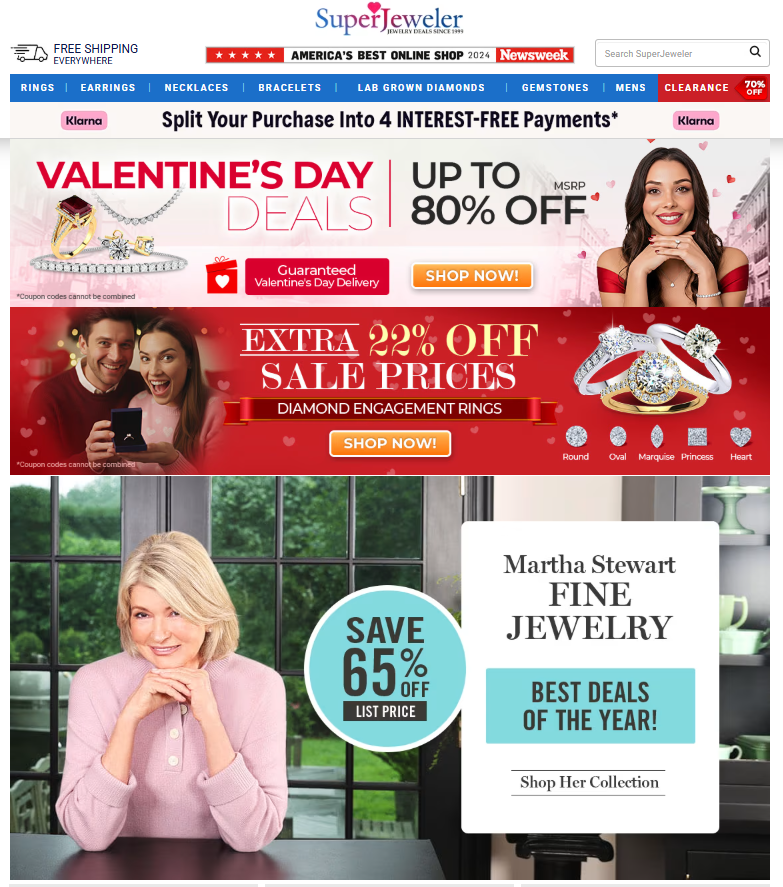
Buyers looking for certified diamonds without the retail markup can browse engagement rings under $1,000 or explore the full engagement ring collection for styles ranging from classic solitaires to elaborate halo settings. Superjeweler also offers wedding bands in multiple metals and lab-grown diamond jewelry for buyers who want maximum quality at a lower price point. Every purchase comes with expert customer support and a satisfaction guarantee.
FAQ
What does step by step jewelry shopping mean?
Step by step jewelry shopping is a structured buying process that covers budgeting, sizing, quality evaluation, and purchase verification before committing to a piece. Following each step reduces the risk of overspending or buying a misrepresented item.
What is the most important quality factor when buying a diamond?
Cut is the most important factor. An Excellent or Ideal cut grade produces the brilliance and sparkle that make a diamond visually striking, regardless of its color or clarity grade.
Do I need a GIA certificate to buy jewelry?
For diamonds, a GIA or AGS certification report is strongly recommended. These reports provide independently verified grading for cut, color, clarity, and carat, and include a report number you can confirm online.
When is the best time to buy an engagement ring?
November, december, and off-peak summer months typically offer the best pricing due to seasonal sales and lower consumer demand. Planning your purchase around these windows can produce meaningful savings.
How do I find the right ring size without spoiling the surprise?
Borrow a ring the recipient already wears on the correct finger and measure its inner diameter, or press it into a bar of soap to capture the impression. A local jeweler can measure from either method and provide an accurate size.
Recommended
- Step-by-step engagement ring buying guide for couples
- Gemstone Buying Process: A Complete Guide for 2026
- Engagement Ring Shopping Timeline: Your 2026 Guide
- Your ultimate 2026 wedding jewelry checklist
