TL;DR:
- Metal type determines an earring’s comfort, durability, and skin suitability, with precious and alternative metals offering different benefits.
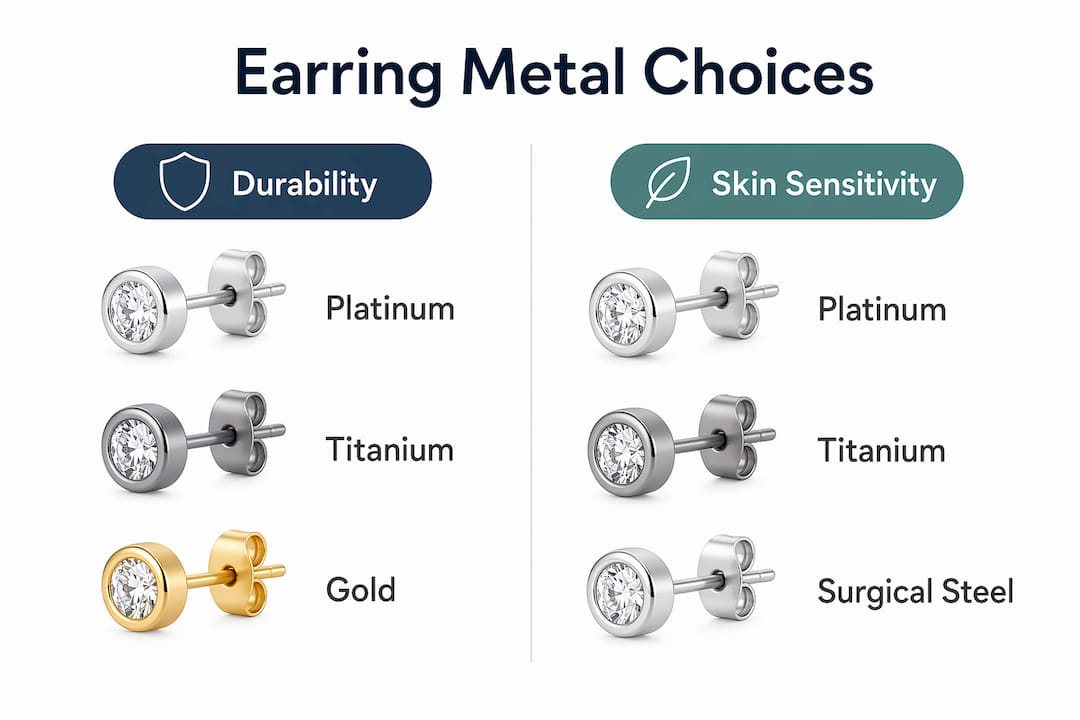
- Choosing the right metal reduces allergy risk, with titanium and platinum being safest for sensitive ears and long-term wear.
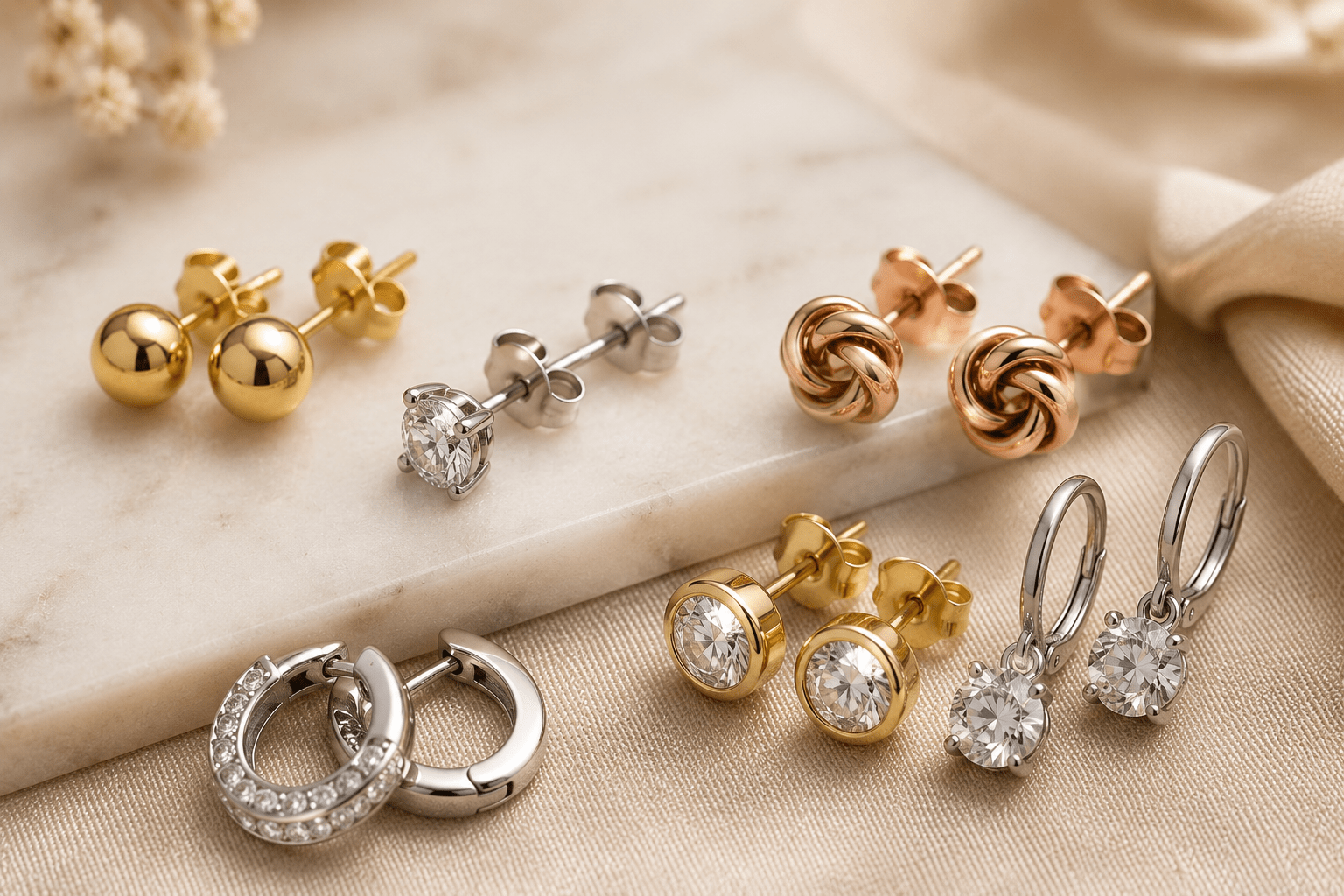
Metal type is the single most important factor in earring performance, determining comfort, durability, skin compatibility, and long-term appearance. The role of metal types in earrings goes far beyond aesthetics. Whether you wear earrings daily or buy them as gifts, the metal composition controls how a pair feels against your skin, how long it holds up, and whether it triggers an allergic reaction. Industry professionals refer to this as “metal selection in jewelry,” and it covers everything from karat purity in gold to the biocompatibility ratings of titanium and niobium. Knowing what each metal offers before you buy protects both your skin and your investment.
What is the role of metal types in earrings?
The metal in an earring determines four core qualities: weight, color, durability, and hypoallergenic potential. Each metal brings a different combination of these qualities, which is why two pairs of earrings that look similar can feel completely different to wear.
Precious metals are the most recognized category in fine jewelry:
- Gold (14K and 18K): Pure gold is too soft for earrings on its own, so jewelers alloy it with other metals. 14K gold offers superior durability, while 18K provides richer color and higher perceived value. Both are widely available in yellow, white, and rose finishes.
- Platinum: Dense, naturally white, and highly resistant to wear. Platinum is heavier than gold and commands a premium price, but it holds its finish for decades without replating.
- Sterling silver: An accessible precious metal composed of 92.5% silver and 7.5% other metals, typically copper. It is popular for everyday wear but is not universally hypoallergenic.
Alternative metals have grown significantly in popularity for earring posts and lightweight designs:
- Titanium: Extremely light, corrosion-resistant, and biocompatible. Titanium posts are a top choice for wearers with repeated reactions to standard fashion earrings.
- Surgical stainless steel: Affordable and durable, though it can contain trace nickel, which matters for sensitive wearers.
- Niobium: A lesser-known but excellent option for sensitive skin. It is hypoallergenic, lightweight, and can be anodized into a range of colors.
| Metal | Durability | Hypoallergenic | Price Range |
|---|---|---|---|
| Platinum | Excellent | Yes | High |
| 14K gold | Very good | Usually | Moderate to high |
| 18K gold | Good | Usually | High |
| Titanium | Excellent | Yes | Moderate |
| Sterling silver | Moderate | Not always | Low to moderate |
| Surgical steel | Good | Mostly | Low |
| Niobium | Good | Yes | Moderate |
Pro Tip: If you are buying earrings as a gift and do not know the recipient’s skin history, choose titanium or platinum posts. Both metals are biocompatible and carry virtually no allergy risk.
How does metal composition affect wear, maintenance, and skin sensitivity?
Metal purity and alloy composition directly control how an earring ages on your skin. This is where the impact of metal on earrings becomes most visible over time.
Gold must be alloyed to be practical. The karat number tells you how much pure gold is present. 24K gold is 99.9% pure but too soft for earrings. 14K gold contains 58.3% gold and is alloyed with metals like copper, zinc, or silver to add strength. The remaining alloy metals determine both durability and allergy risk.
Nickel is the most common allergen in jewelry. Research shows that nickel release was detected in all 10 of 10 tested low-cost gold-plated earrings, frequently surpassing EU regulatory limits. That finding matters because nickel-triggered allergic contact dermatitis is one of the most common skin reactions to earrings, and it can develop even after years of wearing the same metal without issue.
Plating adds another layer of complexity. Here is how the main plating types compare:
- Gold-plated: A thin gold layer over a base metal, typically brass or copper. Gold-plated jewelry generally requires replacement or replating within 6 months to 2 years due to surface wear.
- Gold-filled: A much thicker gold layer bonded under heat and pressure. Gold-filled pieces last 5–10+ years before visible wear appears.
- Solid gold: No base metal underneath. The most durable and safest option for long-term wear.
Maintenance needs follow directly from metal type. Platinum and titanium require almost no special care beyond occasional cleaning with mild soap and water. Sterling silver tarnishes when exposed to air and moisture, requiring regular polishing. Gold-plated earrings need gentle handling to avoid scratching through the surface layer.
What metals work best for sensitive ears or long-term daily wear?
Choosing the right metal for sensitive ears requires knowing which metals release allergens and which do not. Metals like nickel and copper are common allergens and should be avoided by anyone with skin sensitivity.
The safest metals for sensitive ears are:
- Titanium: Lightweight, durable, and highly recommended for sensitive skin. Titanium does not corrode or release ions that irritate skin.
- Niobium: Fully hypoallergenic and available in multiple colors through anodizing. A strong choice for wearers who want color variety without allergy risk.
- Platinum: Naturally hypoallergenic and free of nickel. Its density makes it heavier than other options, but it is one of the safest metals for pierced ears.
- 14K or 18K solid gold: Generally safe for most wearers, provided the alloy does not include nickel. White gold in particular often contains nickel as a whitening agent, so confirm the alloy composition before purchasing.
For daily wear and long-term use, platinum, titanium, and surgical steel have essentially indefinite wear life with minimal care, while solid 14K or higher gold earrings can last for decades. Sterling silver is a reasonable daily option but requires more maintenance and may irritate sensitive skin over time.
Pro Tip: When trying a new metal, wear the earrings for two to four hours on the first day and check for redness or itching before committing to longer wear. This simple test can prevent a full allergic reaction.
If you want earrings that combine durability with design variety, long post earrings in titanium or solid gold offer both comfort for sensitive ears and a secure fit for heavier styles.
How does metal choice affect earring aesthetics and value?
Metal selection in jewelry shapes the visual identity of an earring as much as the gemstone or design does. Color, finish, and rarity all flow from the metal itself.
Gold offers the widest color range of any earring metal. Yellow gold carries a warm, classic tone that suits vintage and traditional designs. White gold delivers a cool, silvery appearance that pairs well with diamonds and colorless gemstones. Rose gold, alloyed with copper, produces a warm pink tone that has remained popular for over a decade. Each finish reads differently against different skin tones, which makes gold a flexible choice for gifting.
Platinum is rare and prestigious, commanding a premium over gold alloys and silver. Its naturally white color does not fade or require replating, which makes it a strong choice for heirloom pieces. Platinum earrings hold their value better over time than gold-plated or silver alternatives.
Silver sits at the accessible end of the price spectrum. Its bright, neutral tone works across casual and formal styles, and it pairs well with colored gemstones. The trade-off is tarnish. Silver reacts with sulfur compounds in the air, developing a dark patina that requires regular cleaning to maintain appearance.
For buyers weighing cost against longevity, the comparison looks like this:
- Platinum: Highest upfront cost, lowest long-term maintenance, best value retention
- Solid 14K or 18K gold: Moderate to high cost, decades of wear, strong gift and resale value
- Gold-filled: Lower cost than solid gold, good durability, limited resale value
- Sterling silver: Low cost, moderate durability, requires regular care
- Titanium or niobium: Moderate cost, excellent durability, minimal resale value but strong practical value
For shoppers who want the warmth of gold with proven durability, gold stud earrings in 14K or 18K are a reliable starting point. If you are comparing the long-term value of gold versus platinum, the gold vs. platinum breakdown from Superjeweler covers the key differences in detail.
Key Takeaways
Metal type controls every meaningful aspect of an earring, from skin safety and durability to color, maintenance, and long-term value.
| Point | Details |
|---|---|
| Metal drives skin safety | Nickel-containing metals cause allergic contact dermatitis; choose titanium, niobium, or platinum for sensitive ears. |
| Plating wears out fast | Gold-plated earrings need replating within 6 months to 2 years; solid gold or gold-filled lasts far longer. |
| Karat affects durability | 14K gold is more durable than 18K; 18K offers richer color and higher value for special occasions. |
| Platinum holds its finish | Platinum requires no replating and retains its white color indefinitely, making it ideal for heirloom pieces. |
| Metal shapes perceived value | Platinum commands the highest price and best value retention; silver offers affordability with more maintenance. |
Why I think most shoppers underestimate metal choice
Most buyers focus on the gemstone or the design and treat the metal as an afterthought. That is a mistake I have seen play out repeatedly. A stunning pair of earrings becomes unwearable within a week if the metal irritates the wearer’s skin. A beautiful gift loses its meaning if the recipient has to stop wearing it.
The most common error I see is buying gold-plated earrings without understanding what sits underneath the plating. The base metal, often brass or copper, is what contacts the skin once the plating wears through. That is when reactions start, sometimes months after the original purchase.
My honest recommendation for 2026: if you are buying for someone with unknown skin history, titanium or platinum posts are the safest choice. If you are buying for yourself and you know you tolerate gold well, 14K solid gold gives you the best balance of durability, color options, and value. Avoid gold-plated earrings for pierced styles unless you plan to replace them frequently.
The aesthetic conversation matters too. White gold and platinum look nearly identical to the untrained eye, but their long-term behavior is very different. White gold requires periodic rhodium replating to maintain its color. Platinum does not. For a detailed look at how these two metals compare in real-world use, the white gold vs. platinum guide from Superjeweler is worth reading before you decide.
— Andrew
Earrings by metal type at Superjeweler
Superjeweler carries earrings across every major metal category, from solid gold and platinum to gemstone-set styles built for daily wear.

Whether you are shopping for yourself or selecting a gift, the collection covers diamond stud earrings in 14K and 18K gold, gemstone earrings set in durable precious metals, and fashion earrings across a range of styles and price points. Every piece ships free worldwide, and Superjeweler backs its jewelry with warranty options and a clear return policy. If you are also shopping for rings, Superjeweler’s wedding bands offer the same metal variety, from classic gold to titanium, at competitive prices.
FAQ
What is the best metal for sensitive ears?
Titanium, niobium, and platinum are the best metals for sensitive ears because they are biocompatible and do not release nickel or other common allergens. Solid 14K or 18K gold is also generally safe, provided the alloy does not contain nickel.
How long do gold-plated earrings last?
Gold-plated earrings typically require replating or replacement within 6 months to 2 years, depending on how often they are worn and how well they are cared for. Gold-filled earrings last significantly longer, often 5–10 years or more.
Is sterling silver safe for pierced ears?
Sterling silver is popular for everyday wear but is not universally hypoallergenic. It can contain trace copper and may cause irritation in some wearers, particularly if the silver tarnishes and oxidizes against the skin.
Does metal type affect earring value?
Metal type directly affects both the price and the long-term value of earrings. Platinum holds its value best over time, followed by solid gold. Gold-plated and silver earrings carry lower resale value but are more accessible entry points.
What is the difference between 14K and 18K gold earrings?
14K gold contains 58.3% pure gold and is more durable due to its higher alloy content, making it better suited for everyday wear. 18K gold contains 75% pure gold, offering a richer color and higher intrinsic value, which makes it a popular choice for special occasion or gift pieces.
Recommended
- Ring metals guide: 7 top choices for your perfect band
- Diamond Eternity Ring | Yellow Gold Diamond Eternity Ring From Superjeweler
